Heatless Curls Overnight: 6 Methods That Actually Hold
I’ve filmed a heatless curls overnight method eleven times to get one that actually held past noon, and the thing that changed everything wasn’t the tool. It was two variables almost no tutorial mentions: how dry your hair actually is when you set it, and how many hours it genuinely gets before you take it down. Heatless curls overnight can work on most patterns, but “curly hair” isn’t a real instruction, so every method below names the range it actually suits and how long it holds once you’re up and moving. Pattern numbers are a shorthand people use to communicate, not the whole picture. Density and porosity change the result at least as much, and I’ve had two people with the same pattern number get completely different results from the identical method on the same night.
Heatless curls overnight hold best when hair is about 80 percent dry before you set it and gets at least 6 hours to finish drying in shape, which matters more than which method you pick.
Heatless Curls With a Ribbon or Robe-Tie
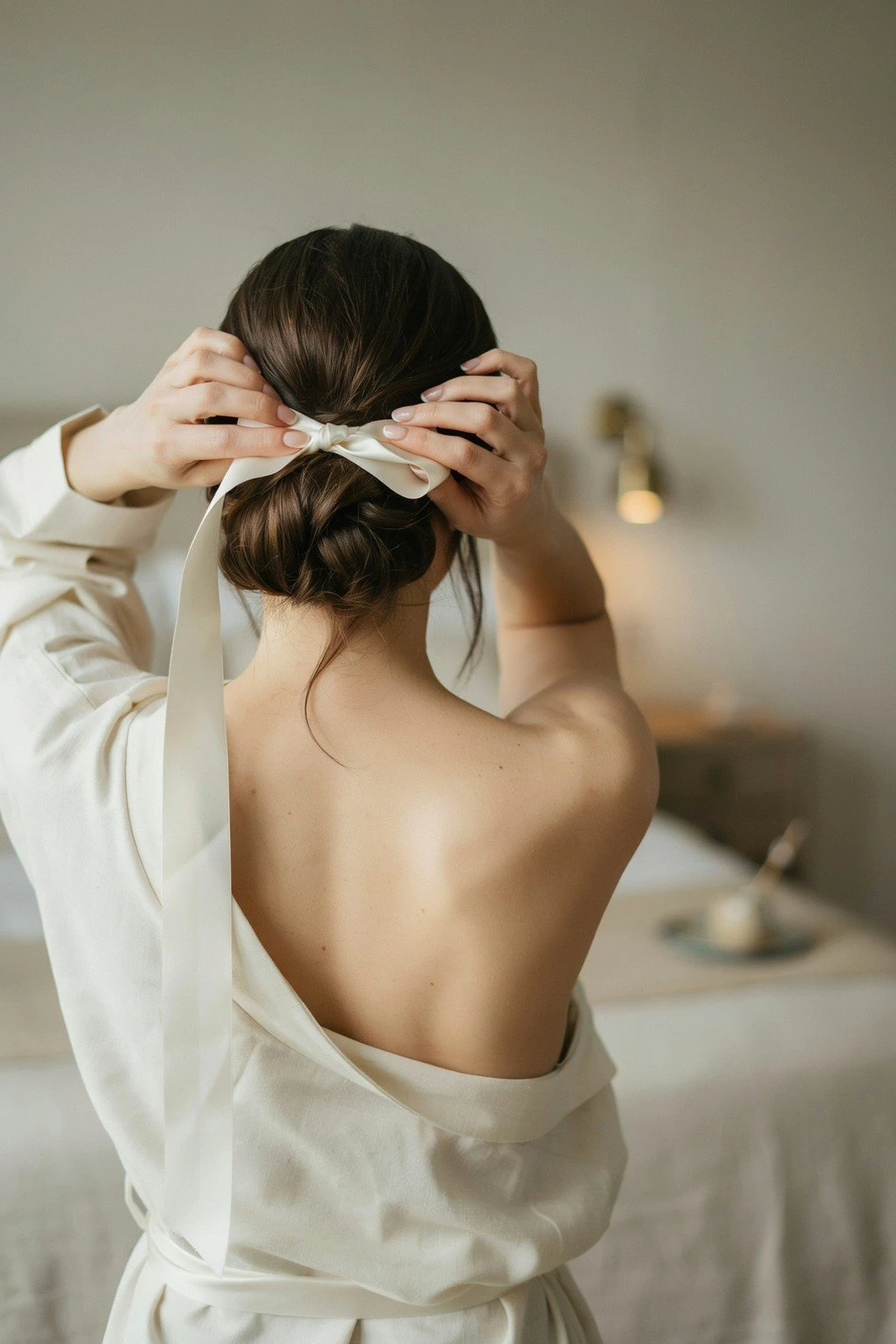
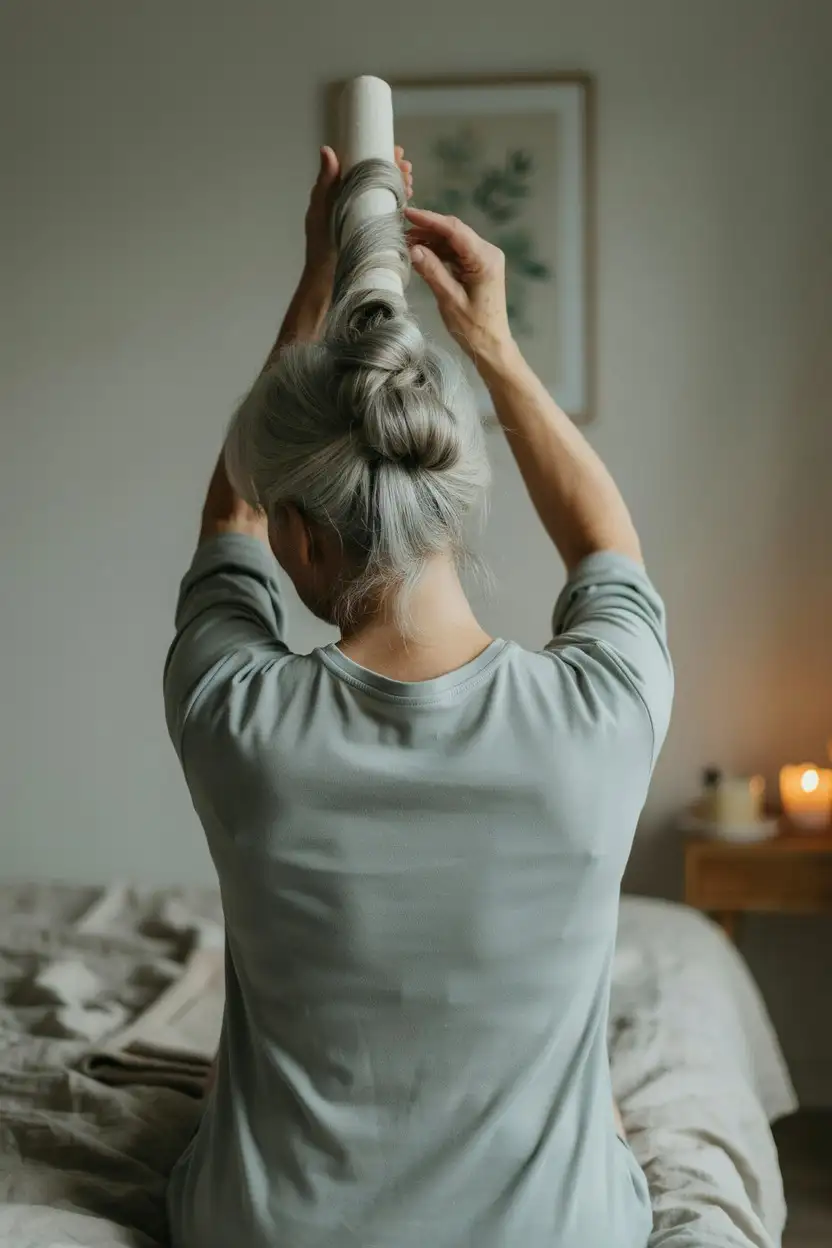
This is the one everyone’s seen and the one most people give up on too early. It suits roughly 2a to 3a and takes about 10 minutes to set, holding 8 to 12 hours once the moisture level is right.
- Start with hair that’s 80 percent dry, not soaking. This is the step almost everyone gets wrong.
- Lay a soft ribbon or robe belt over your crown and take a small section from each side, roughly two inches wide.
- Wrap each section around the ribbon moving toward your face, then continue down the length until you reach the ends.
- Secure the ends with a soft coil tie and sleep on it for at least 6 hours.
Sock Curls
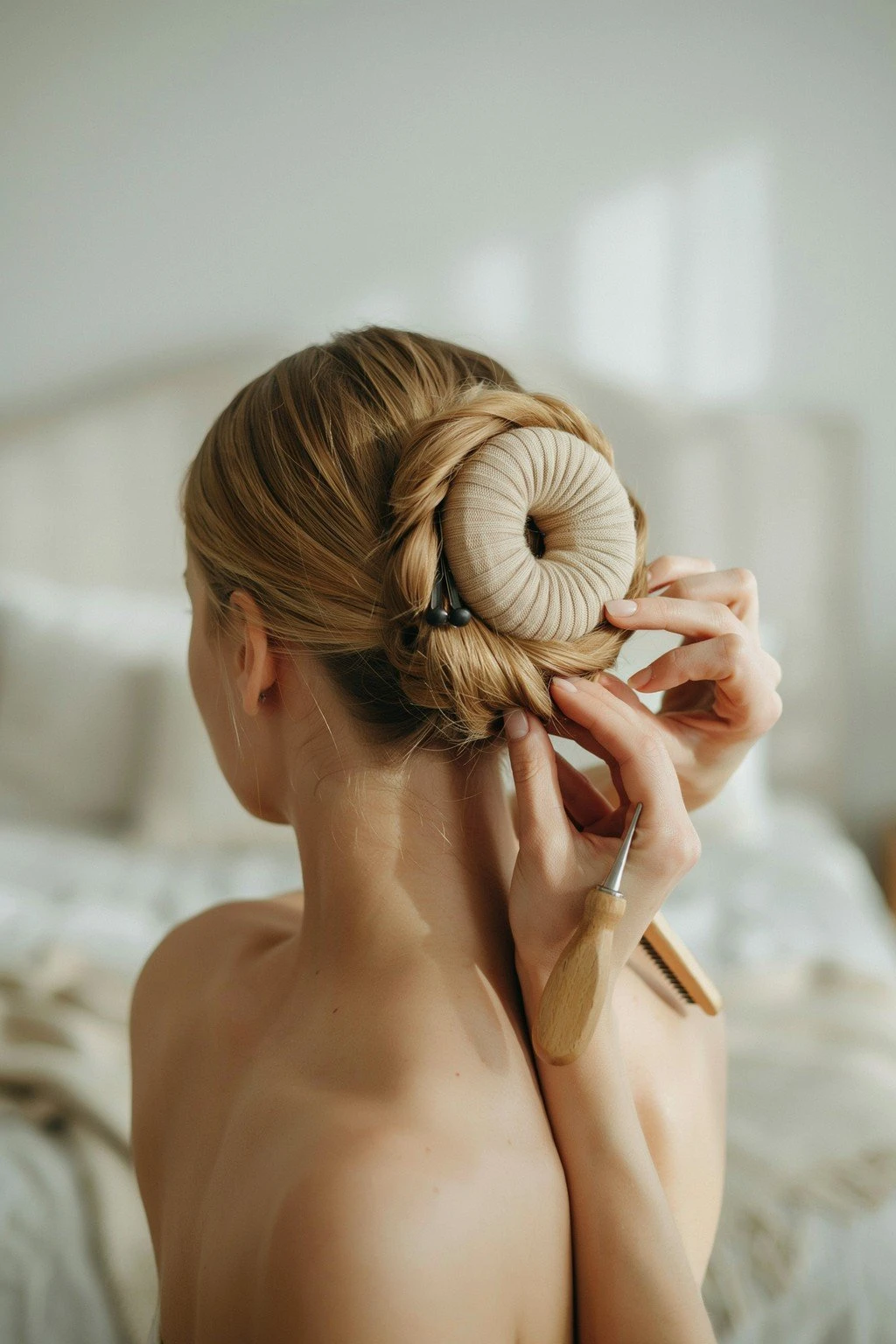
The shortcut version of the ribbon method, using a cut-off sock instead. It suits 2b to 3b and takes about 8 minutes, holding 10 to 14 hours. The shortcut here is skipping the ribbon entirely, and the cost is a slightly less even curl at the crown, since a sock doesn’t sit as flush as a ribbon does.
- Cut the toe off an old sock to make a tube, then tie it into a loose donut shape.
- Place it at your crown and wrap sections of 80 percent dry hair around it, starting near your face.
- Tuck the ends under as you go and secure loosely with bobby pins.
- Sleep on it for at least 7 hours for a full set.
Heatless Curls With Flexi Rods
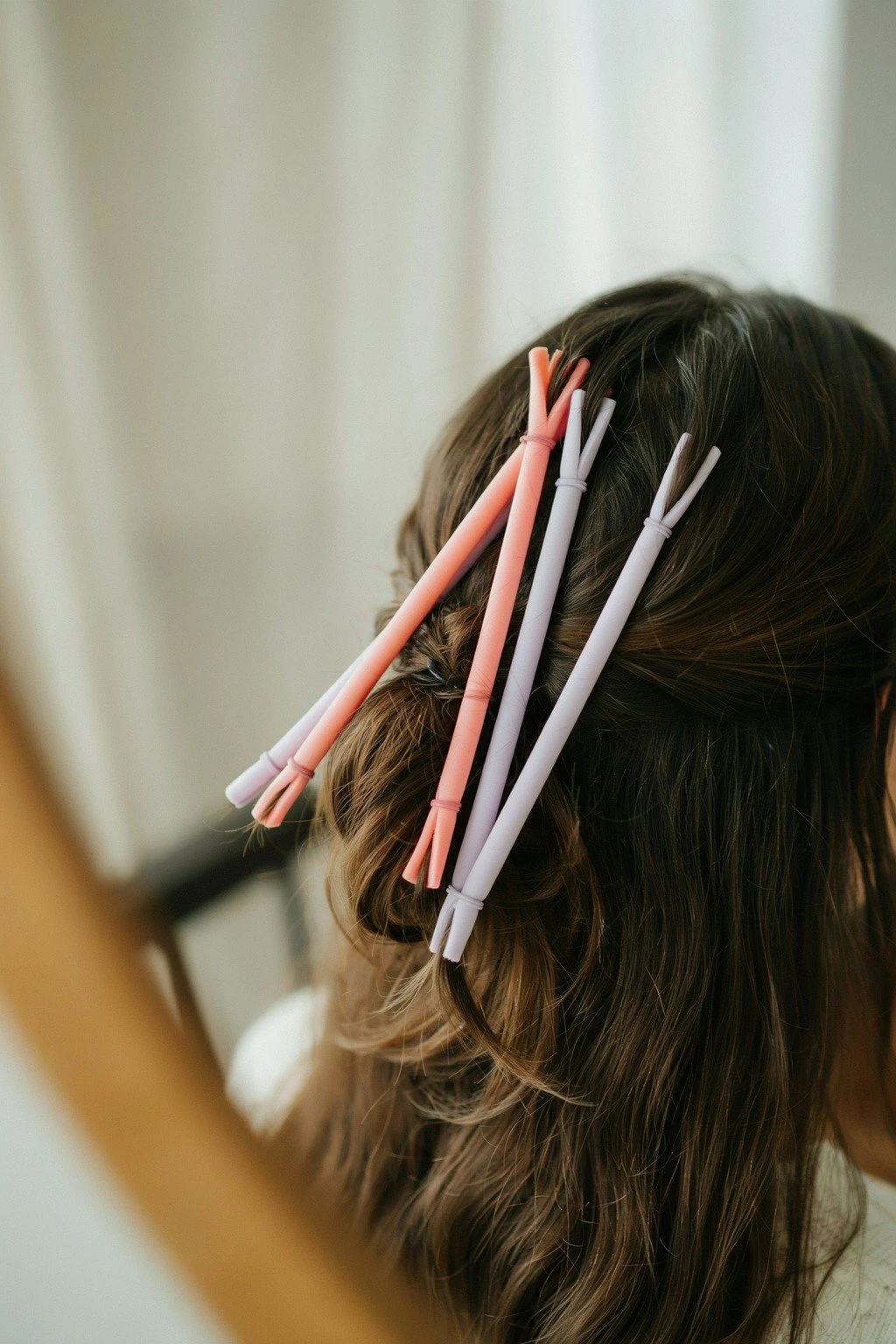
The most consistent hold on this list, and the one I actually use most weeks. It suits 2a to 4a and takes 15 to 20 minutes to set that many rods, holding up to 24 hours for finer patterns and closer to 12 hours on denser hair.
- Section hair into eight to twelve pieces depending on length and density.
- Wrap each section around a rod starting at the ends and rolling toward the scalp.
- Bend the rod ends to secure without a clip.
- Sleep at least 6 hours, longer for coarser or denser hair.
Braid-Out
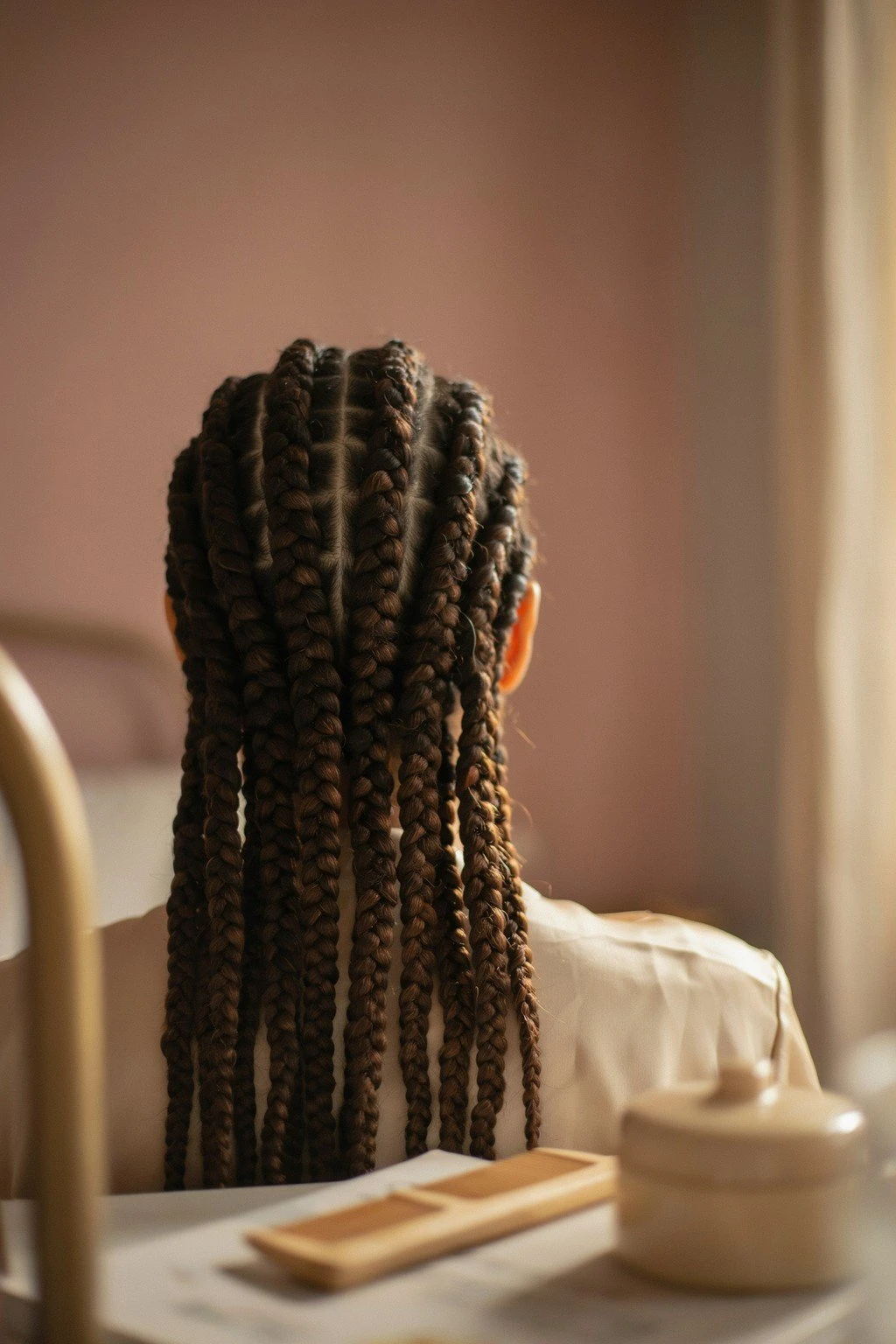
Suits 3b to 4c and takes about 20 minutes for a full head, holding 1 to 3 days, longer than any other method here. The honest cost of that longer hold is more definition work up front — a rushed braid-out looks frizzy rather than defined, so this isn’t the one to do in five minutes when you’re already running late.
- Section damp, product-loaded hair into six to eight even parts.
- Braid each section in a simple three-strand plait to the ends.
- Secure with a small elastic and let dry fully, ideally overnight.
- Unravel gently starting from the ends, never the root, to avoid frizzing out the whole shape.
Twist-Out
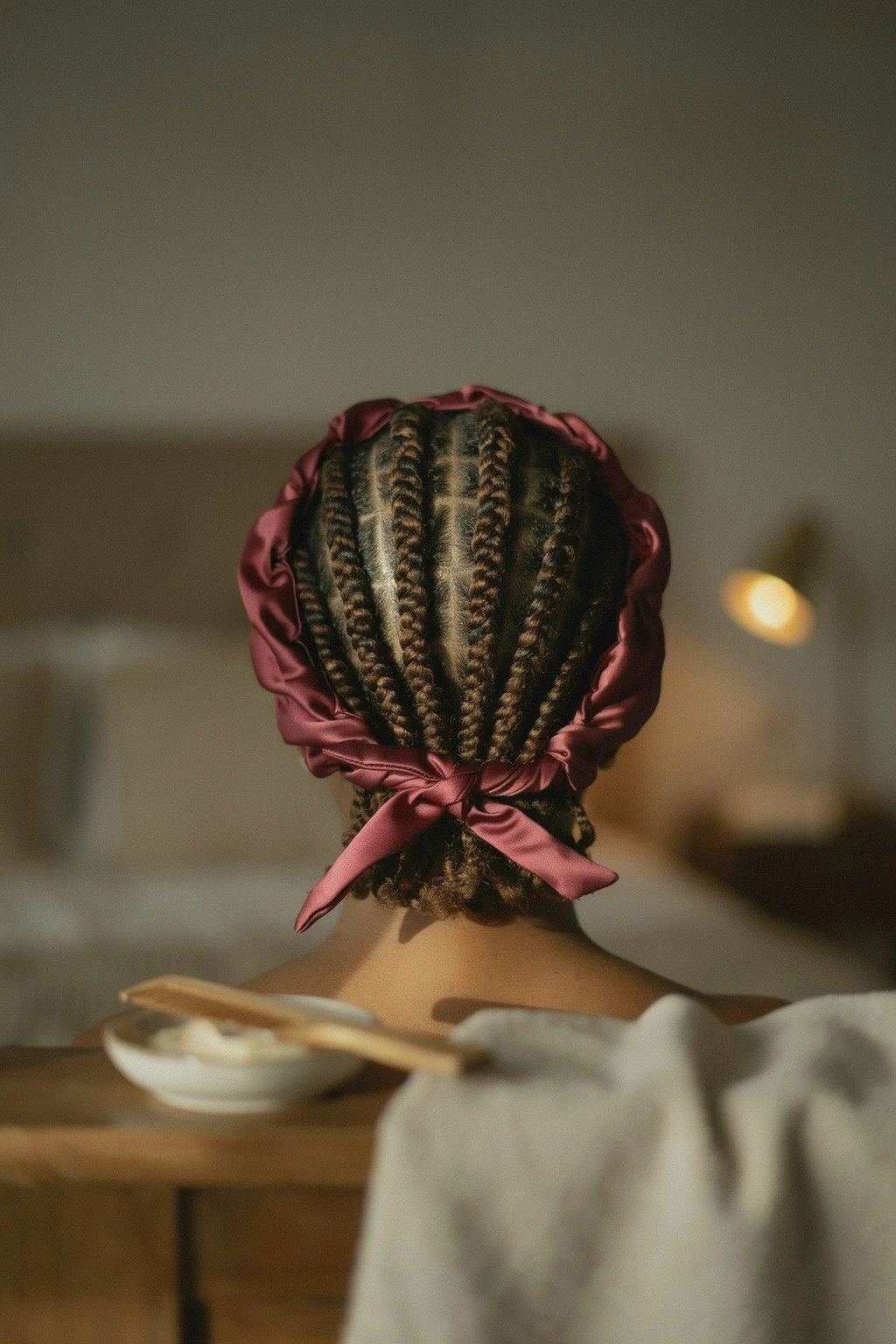
A closely related cousin of the braid-out. It suits 3a to 4c and takes about 15 minutes, holding 1 to 2 days. Twist-outs tend to give a more defined, springy curl than braid-outs on the same hair, while braid-outs give a looser, wavier result — worth trying both to see which your particular texture prefers.
- Section damp hair into eight to ten parts.
- Two-strand twist each section from root to end.
- Let dry fully, which usually takes the full night for thicker sections.
- Unravel from the ends and separate gently with your fingers, not a brush.
Curlformers or Rag Curls
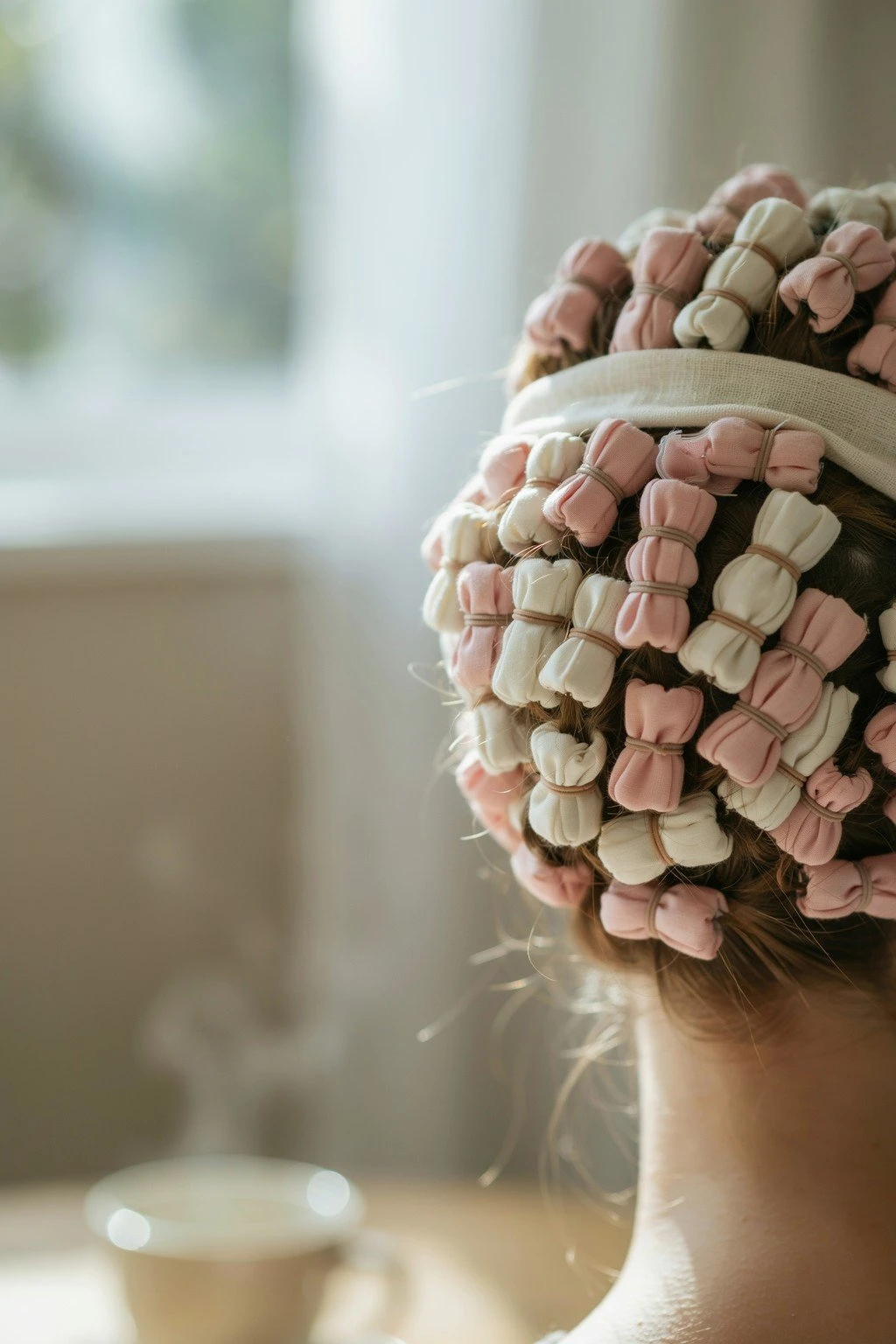
Suits 2b to 3c and takes 20 to 25 minutes for a full head, holding 10 to 16 hours. This is the most time-intensive setup on this list, and the honest trade is that the payoff is the most uniform, salon-like curl pattern of anything here — worth it for an occasion, more than most people want on a Tuesday.
- Thread small sections of 80 percent dry hair through each curlformer or strip of fabric.
- Roll from the ends up toward the scalp until the tool sits flat.
- Secure the ends and repeat across the head.
- Sleep at least 7 hours before removing.
How to Tell It Went Wrong
If you wake up with soft bends instead of curls, the hair almost certainly wasn’t dry enough when you set it. Hair holds its shape when hydrogen bonds reform as it dries, so unwrapping it while still damp means the shape never actually set in the first place. If the curl falls out within an hour of waking up, that’s usually a sign it needed more hours overnight, not a different method. Try setting it earlier in the evening instead of right before bed, especially if your hair is thick or takes a long time to dry naturally. A frizzy, undefined result rather than a fallen one usually points to a different problem: not enough product to hold the shape while it dries, or too much movement on the pillow overnight.
The method matters less than how dry your hair was and how many hours it actually got. Fix those two things before you blame the technique.
What You’ll Need
- A leave-in conditioner or curl cream, for damp-hair methods like the braid-out and twist-out.
- Soft, snag-free ties — silk or satin coil ties work better than standard elastics.
- A silk or satin pillowcase or bonnet, to protect whatever shape you set overnight.
- A wide-tooth comb or your fingers, for gentle detangling before you start.
How the Methods Compare
| Method | Set time | Hold duration | Pattern range |
|---|---|---|---|
| Ribbon/robe-tie | 10 minutes | 8–12 hours | 2a–3a |
| Sock curls | 8 minutes | 10–14 hours | 2b–3b |
| Flexi rods | 15–20 minutes | 12–24 hours | 2a–4a |
| Braid-out | 20 minutes | 1–3 days | 3b–4c |
| Twist-out | 15 minutes | 1–2 days | 3a–4c |
| Curlformers | 20–25 minutes | 10–16 hours | 2b–3c |
Frequently Asked Questions
Why do my heatless curls fall out by lunchtime?
Almost always because the hair wasn’t fully dry when you unwrapped it. Give it a genuine 6 to 8 hours minimum, and if your hair is dense or long, set it earlier in the evening rather than right at bedtime — that extra hour is usually the whole difference.
Can I sleep comfortably in any of these methods?
Flexi rods and curlformers are the least comfortable to sleep in for most people, since there’s more structure against the scalp. Braid-outs and twist-outs are generally the easiest to actually sleep through a full night in, which is part of why they show up so often in routines built around overnight setting.
Do heatless curls overnight work on second-day hair?
Yes, often better than on freshly washed hair, since second-day hair has more grip and holds a set shape more easily. If your hair is fully clean and slippery, a light leave-in or setting product helps the hair grip itself during wrapping.
How do I make heatless curls last longer than a day?
Braid-outs and twist-outs hold the longest of anything here, up to 3 days on some patterns, especially if you sleep in a silk or satin bonnet each night to protect the shape. Refreshing with a small amount of water and leave-in on your palms each morning extends any method a little further, and it takes under two minutes once you get the amount right.
Is it bad for my hair to set curls every single night?
Not inherently, but the tension from tight setting and the friction from removal add up if you’re doing it daily without any rest for your hair or scalp. Rotating between a couple of methods, and giving your hairline a break from tight sections near the front, keeps this sustainable long term. A section that pulls at your hairline for hours at a time is worth loosening immediately, not powering through, since that kind of ongoing tension is how traction damage starts.
Pick One and Give It a Real Try
Start with whichever method matches how much time you actually have tonight, not the one that looked best in a video. Give it one honest full-night attempt before deciding it doesn’t work on your hair. Most of the failures I hear about turn out to be a timing issue rather than a technique issue, and that’s genuinely good news, because timing is the easiest thing on this whole list to fix.
Tell me which one you tried, how long it actually held, and what your pattern is — I want to know what’s working out there and for who. — Tess