Gray Hair Texture Changes: When Your Old Routine Stops Working
Gray hair texture changes are structural, not cosmetic. The cuticle, sebum production, and cortex all shift. Here is what changes and how to adjust your routine.
The site’s signature pillar: the grey transition, month-by-month grow-out guidance, and styling after 50.
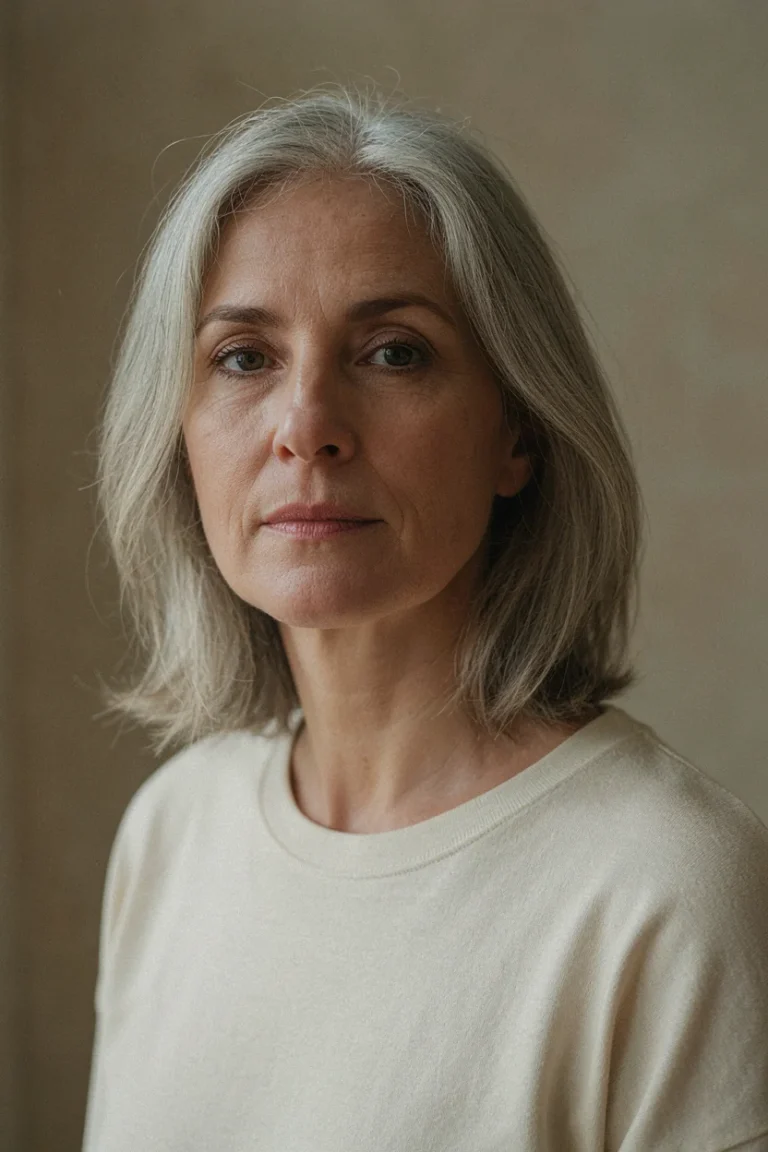
Gray hair texture changes are structural, not cosmetic. The cuticle, sebum production, and cortex all shift. Here is what changes and how to adjust your routine.
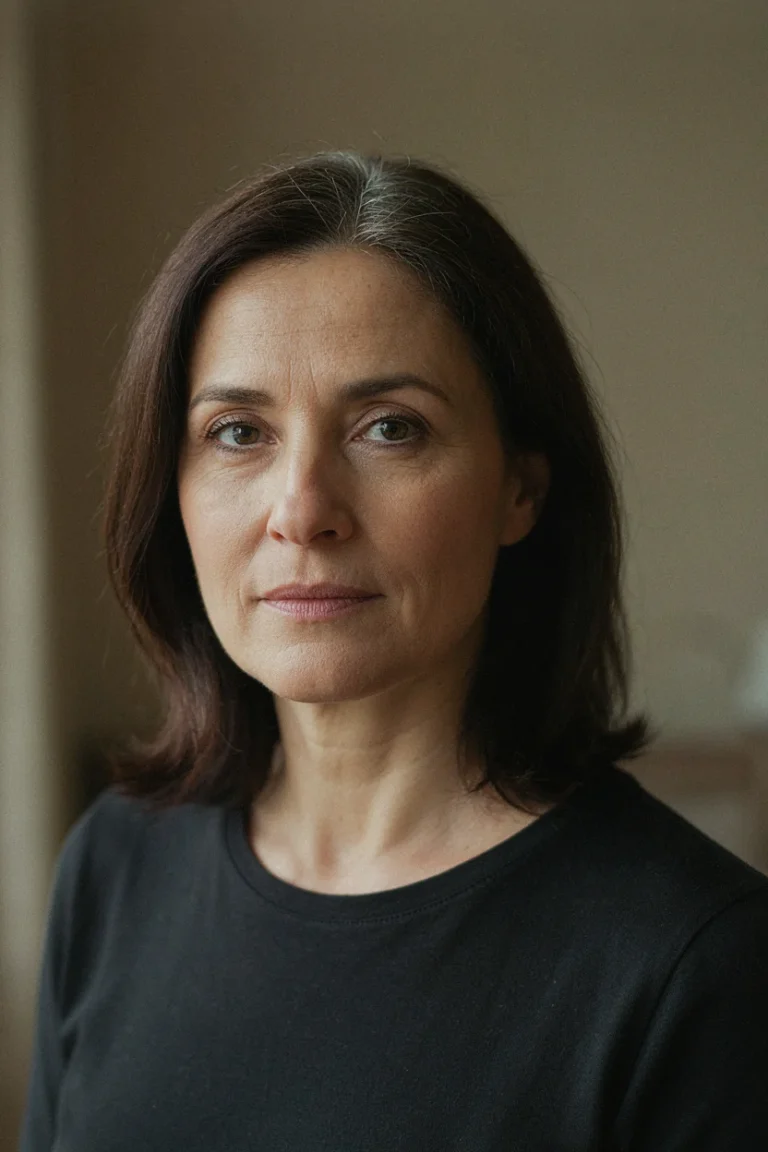
Gray roots showing against dark dye is the moment most women decide to change their approach. Here is what to ask at the first colorist conversation and what to expect.
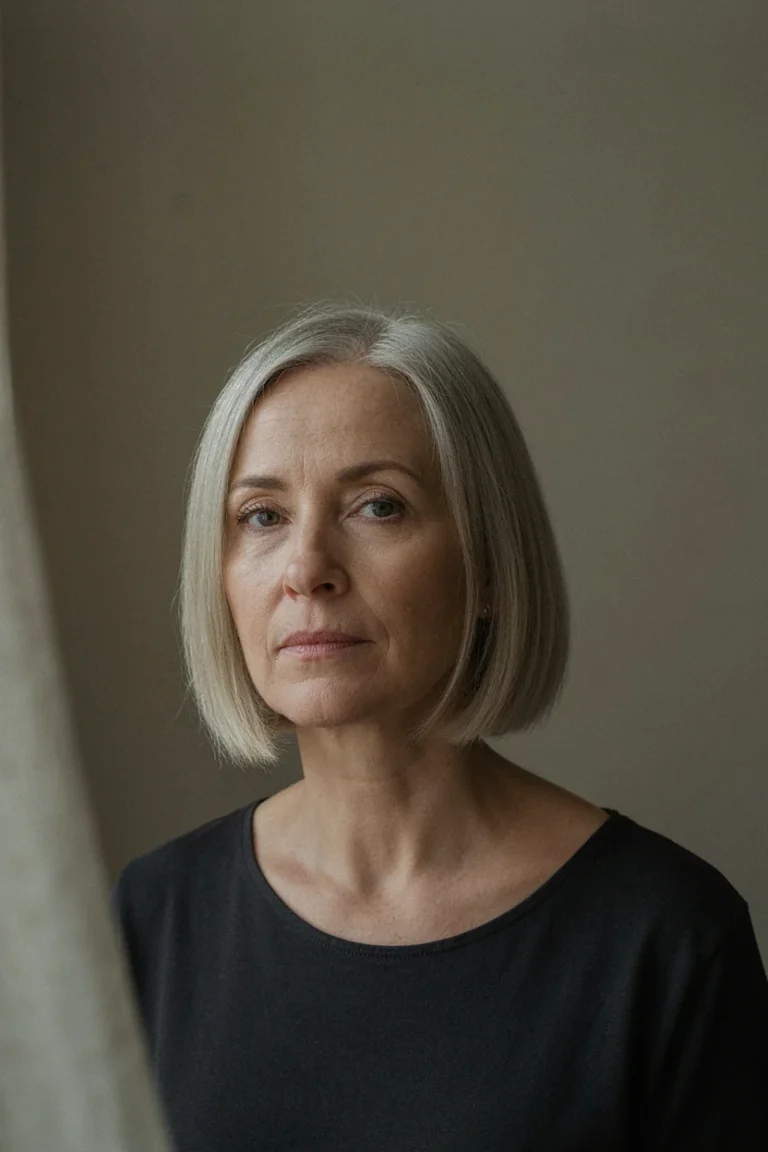
Fine hair over 50 often looks thinner with layered cuts. Blunt ends create a fuller silhouette. Here is the structural reason and what to ask your stylist.
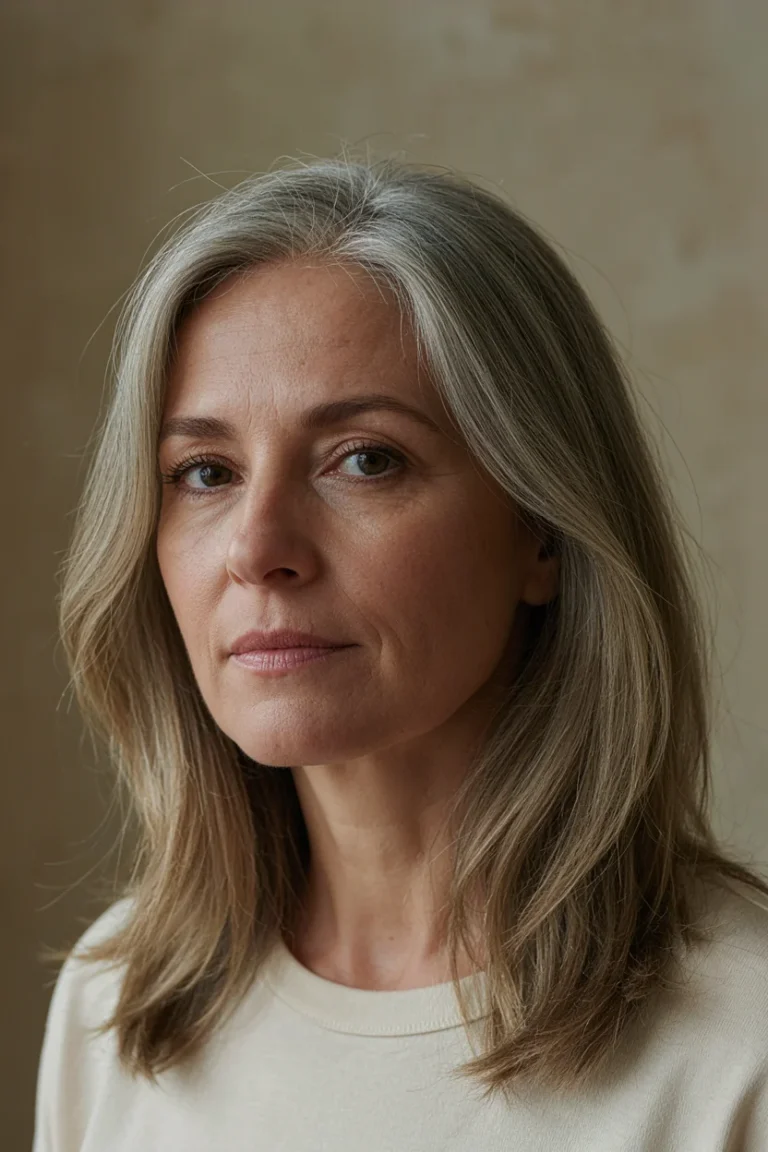
Gray blending stretches salon visits to eight to twelve weeks compared to four weeks with full coverage. Here is how each method works and what the trade-offs cost.
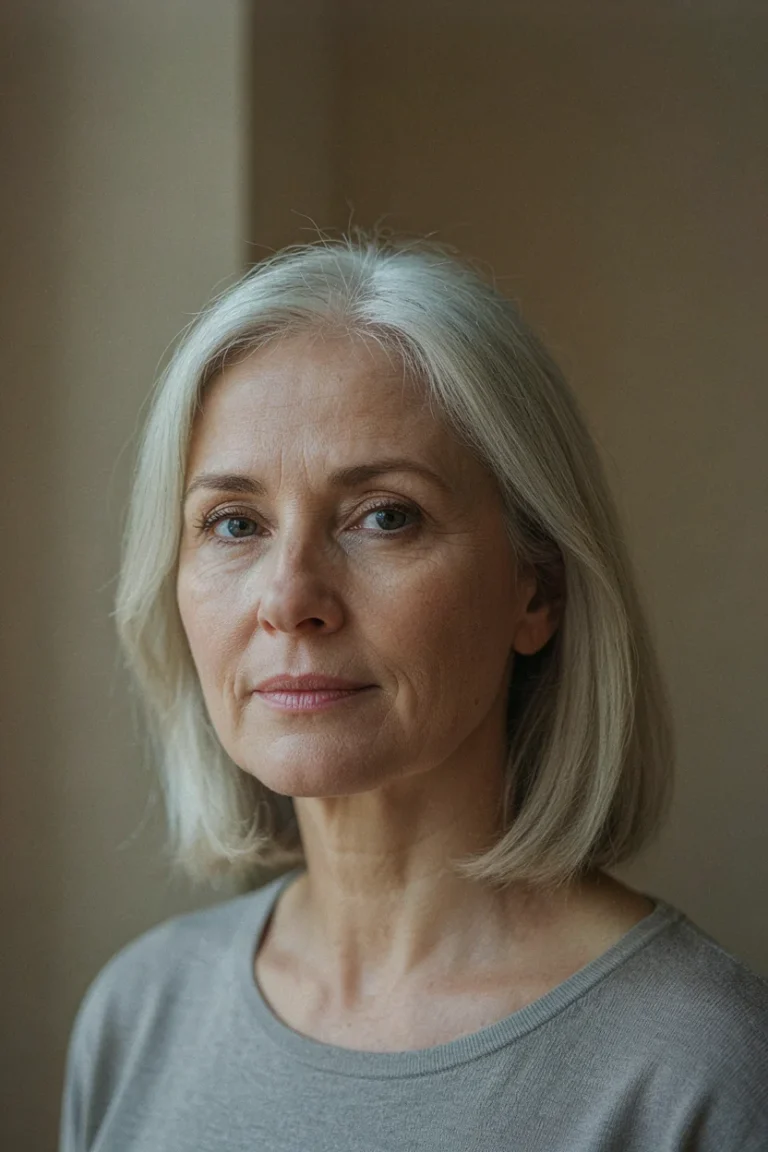
Silver hair turns yellow because the absent melanin leaves the cortex exposed to environmental staining. Here are the four main causes and what works for each one.
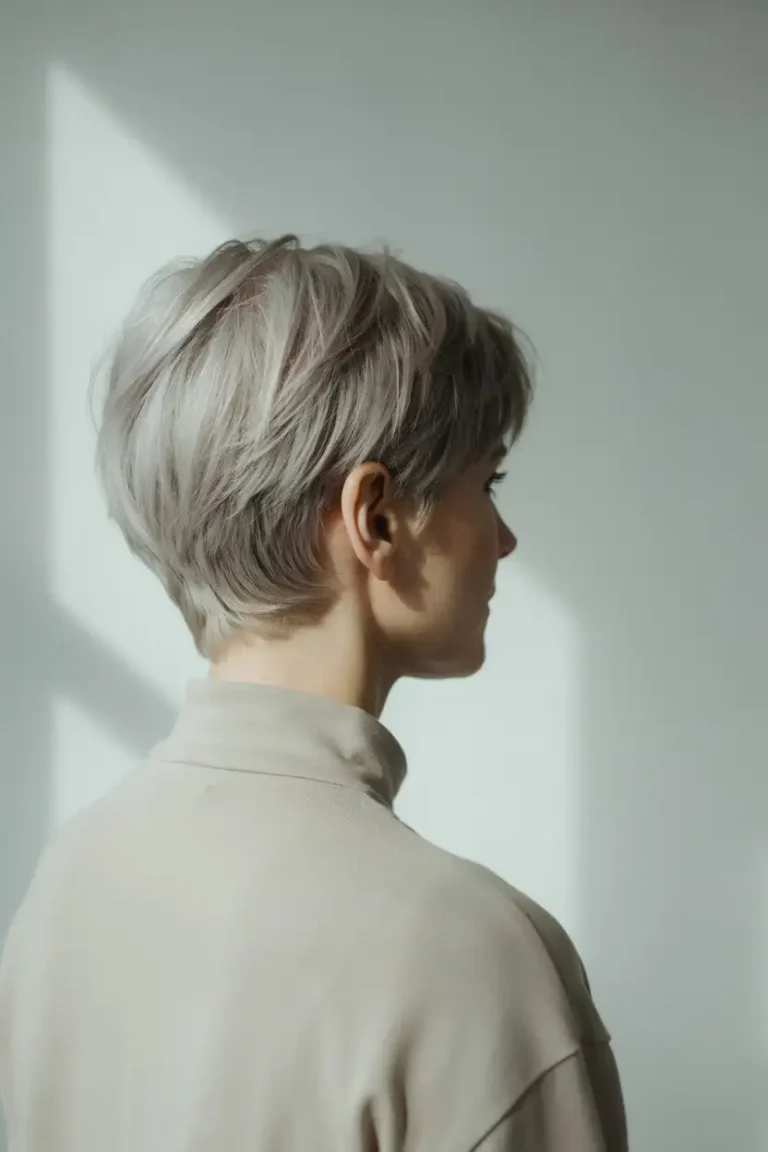
Short silver hair ideas sorted by texture and upkeep, with real cut intervals, honest cost bands, and what each shape actually asks of coarse gray hair.
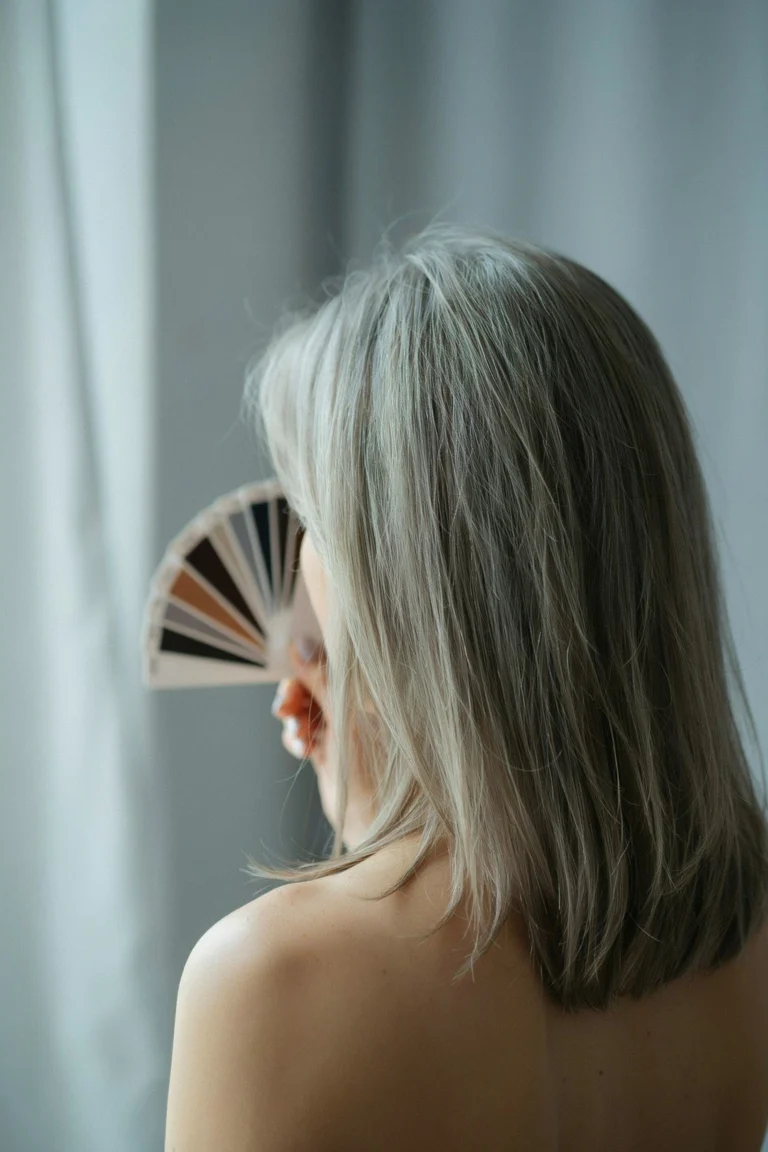
Grey hair color ideas grouped by how much grey you already have — 40 shades from first silvers to full correction, with the sessions and upkeep each asks for.
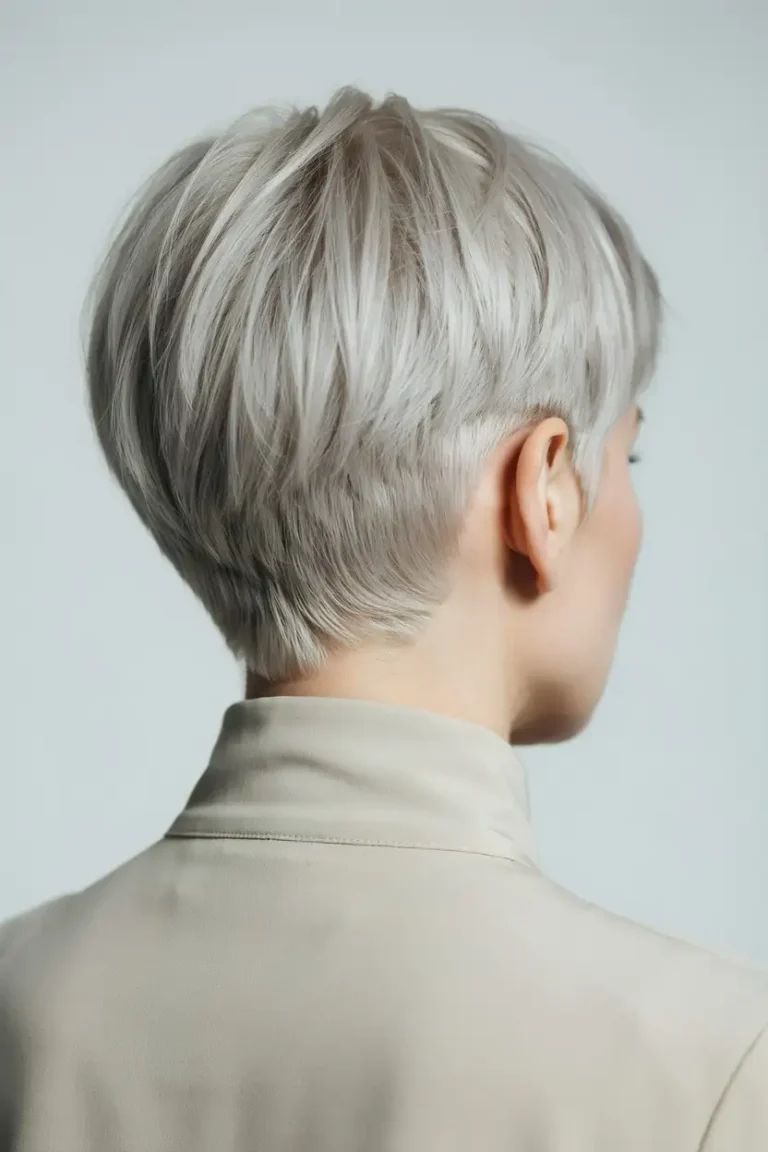
Edgy short gray hair ideas with the upkeep attached: undercuts, disconnection, asymmetry and color detail, each with real intervals and honest cost bands.
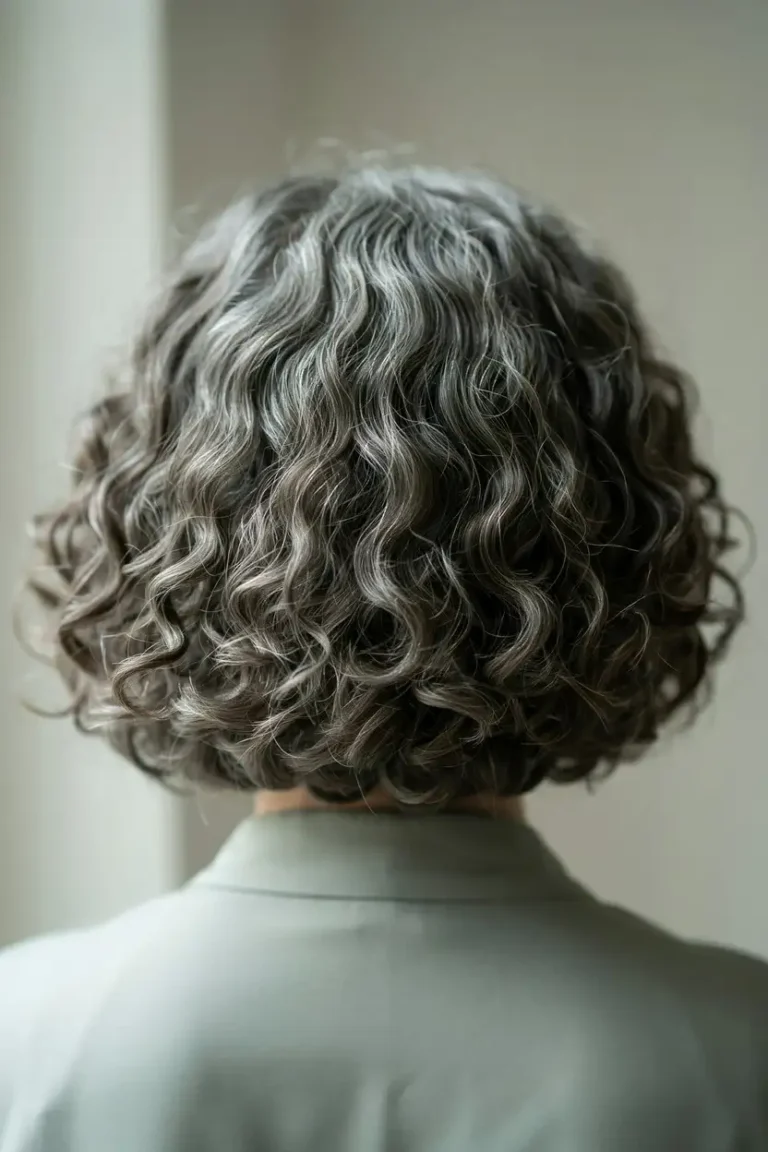
Natural gray hair over 50 for coily and curly texture, with cut intervals, moisture routines, honest cost bands and what silver changes about wash day.
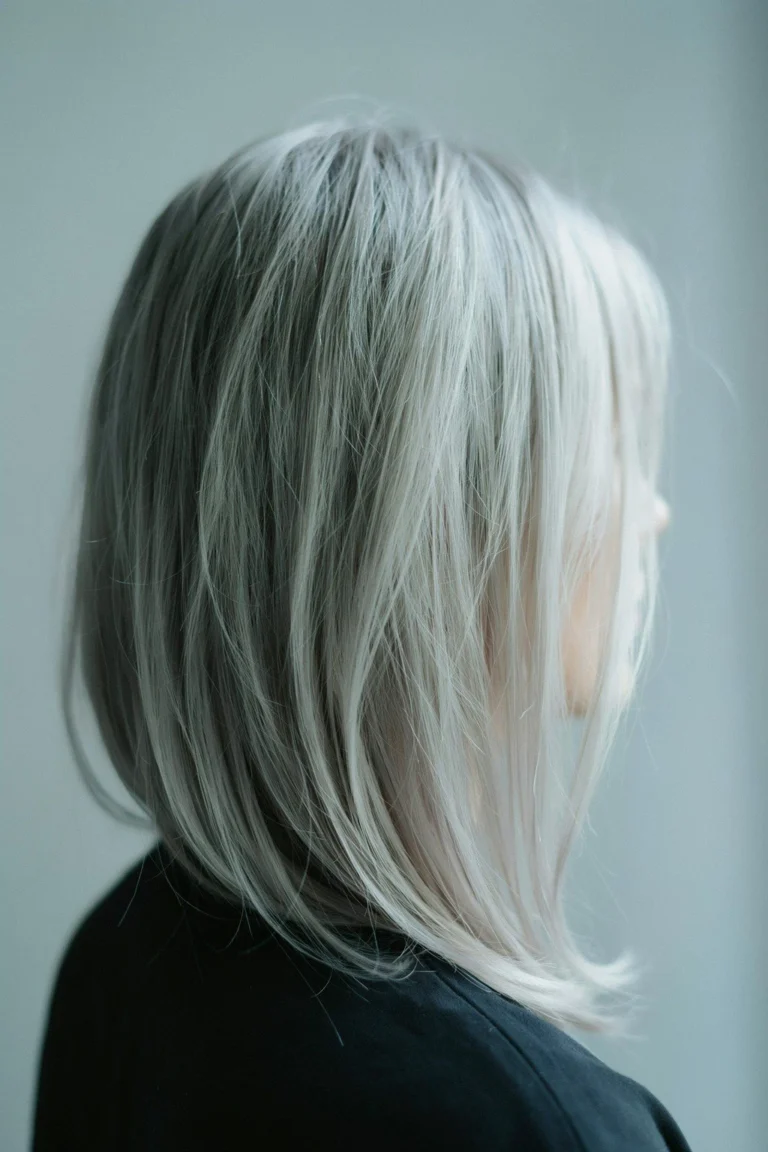
Silver hair keeps its color on a toning cadence, not a coloring cycle — what yellowing is, the over-toning trap, and the routine that keeps it bright.