Bob Haircuts: 30 Ideas That Actually Suit Your Face and Hair
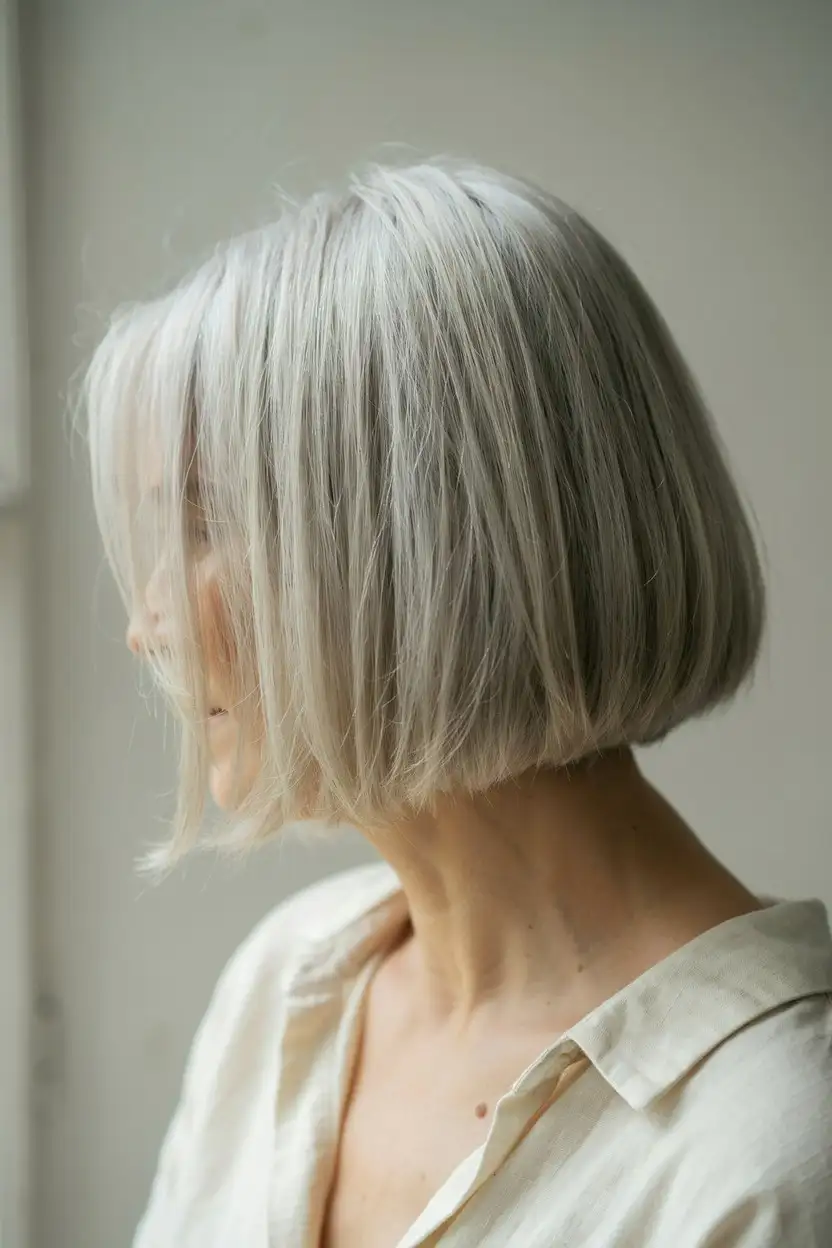
Bob haircuts are the cut I get asked to recreate from a photo more than any other, and also the one where an inch of length or a different angle at the back changes the entire result. Someone brings in a photo of a French bob and leaves wanting a stacked one instead once we talk through how much time they actually spend styling in the morning. This list is grouped by length and feature, starting with the classic angles, then layered versions, bangs, curl-friendly cuts, and finally which shapes suit a round face specifically. Bring your density and your morning routine to this decision as much as the picture.
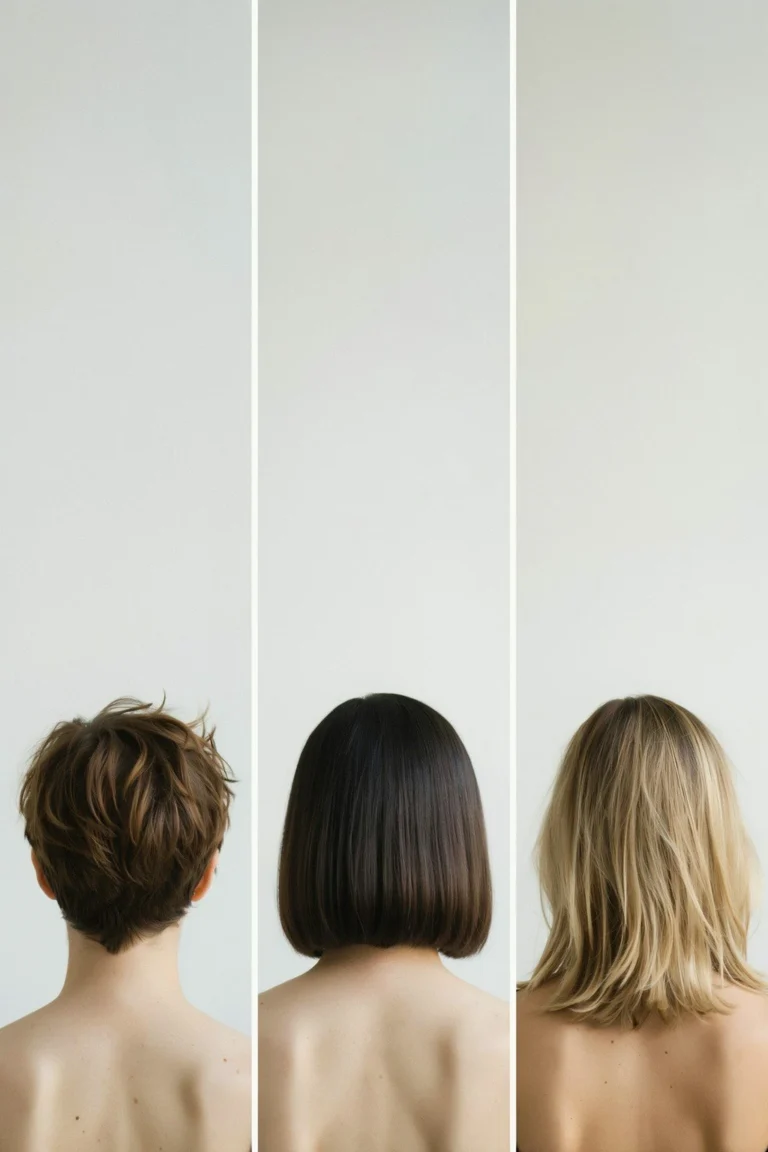
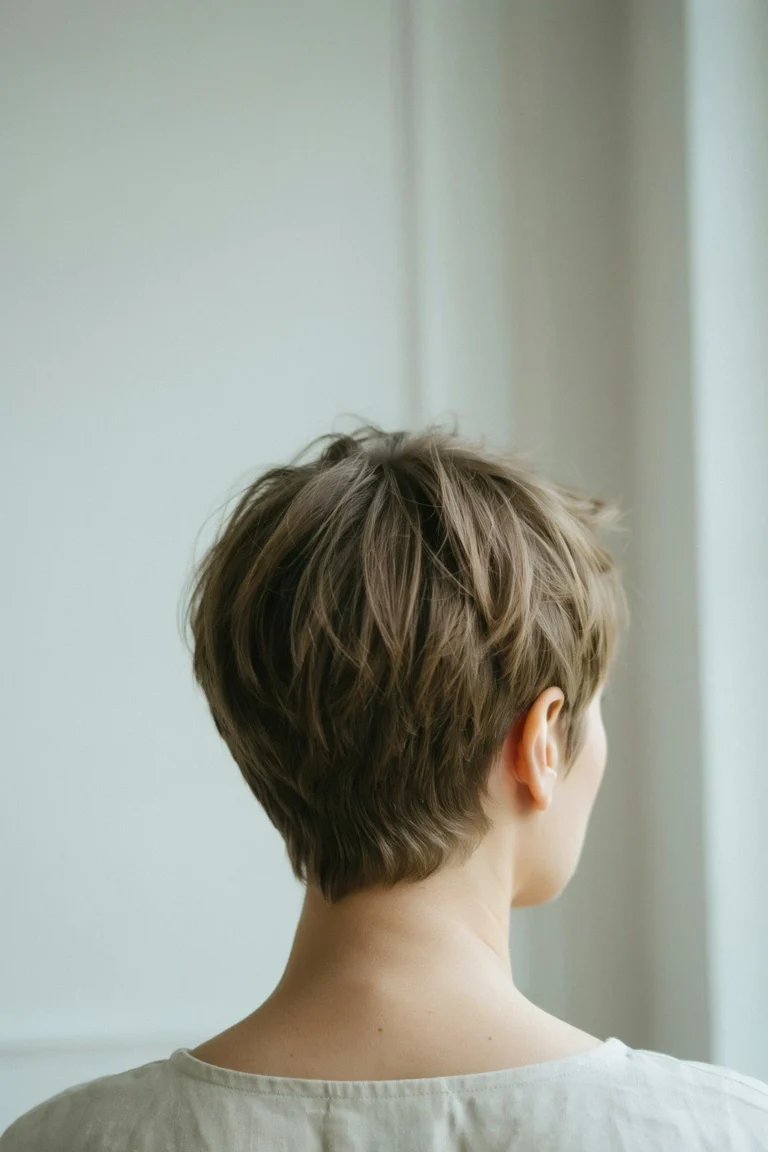
The back is where a bob actually lives, more than the front view most photos show. A bob’s perimeter, whether it’s angled, stacked, or blunt straight across, is built through the back and the nape, and that’s the part a mirror check in a salon chair rarely shows you clearly. Most disappointment with a bob traces back to a mismatch between what the front looked like in a photo and what the back actually does once it’s finished, which is exactly why every entry below gets judged on both.
A bob haircut’s exact length, the angle of its perimeter, and whether it’s layered all change how it behaves day to day, which is why matching your hair type to a specific version matters more than the general word “bob.”
Classic and Blunt Bobs
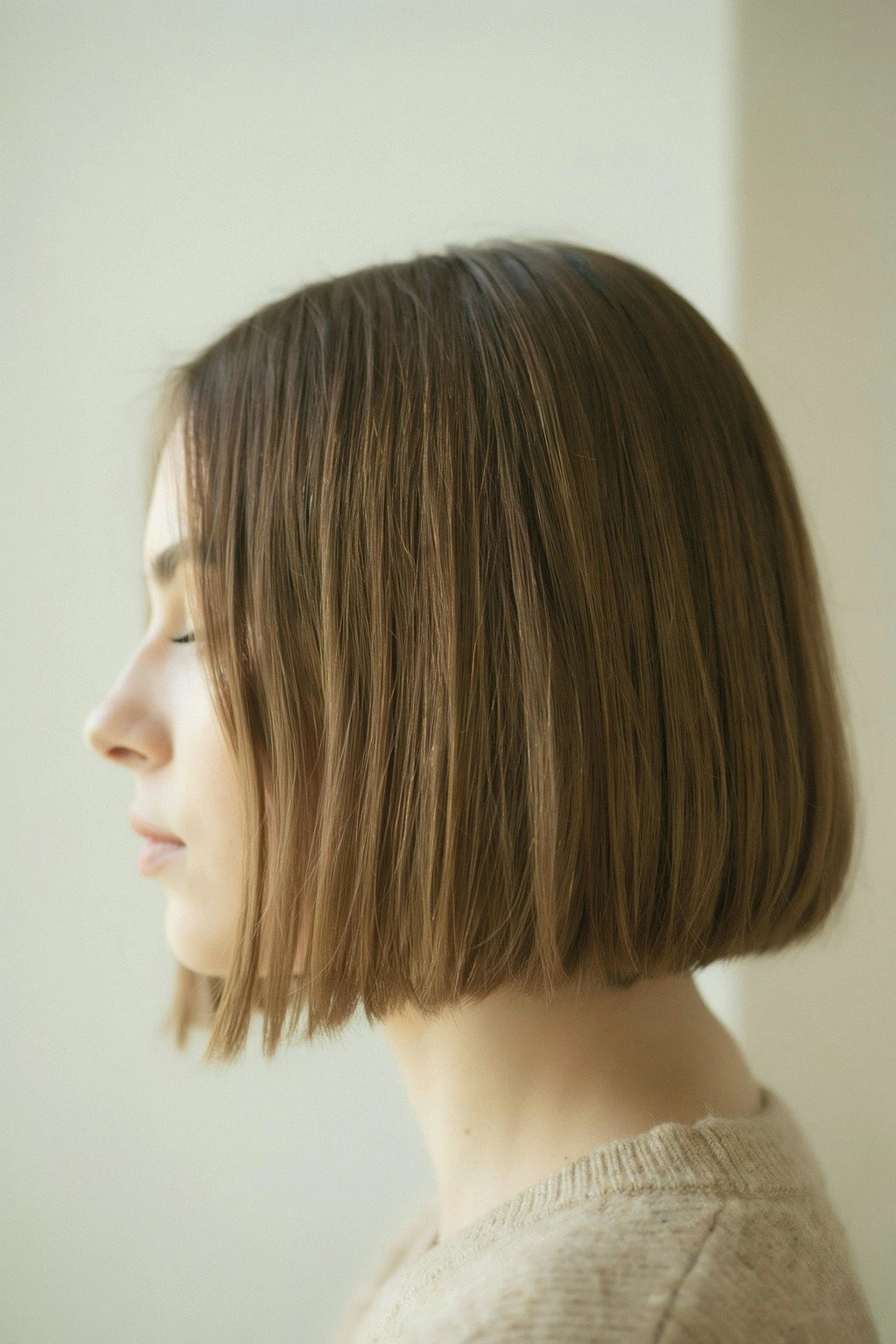
A blunt perimeter with no internal layering is the most structural version of this cut, and the exact length decides almost everything about how it reads.
The French Bob
Short, chin-length or slightly above, with a blunt perimeter and often a curved-under finish. Say, “I want this to curve in slightly at the ends, not flip out,” to get the polished French silhouette. Expect a trim every 6 weeks to hold the shape.
The Jaw-Length Blunt Bob
Ends right at the jaw with a completely blunt line. At week six, this has grown just past the jaw, which still reads clean rather than needing an immediate trim.
The Stacked Bob
Shorter and layered at the back, gradually longer toward the front, creating a rounded, voluminous shape at the crown. Best on fine to medium hair that needs help holding volume at the back.
The Collarbone-Length Bob
A longer, blunt bob ending at the collarbone. This is the lowest-maintenance option in this group, a trim every 10 weeks holds it. At week six, it’s barely moved from where it started, and it grows out into a lob without an awkward stage.
The Rounded Bob
A soft, curved perimeter instead of a sharp blunt line. Viewed from behind, the rounded shape reads fuller than a straight line at the same density, particularly on finer hair.
The Asymmetrical Bob
One side cut noticeably longer than the other, usually a one- to two-inch difference. This is a bolder commitment than the symmetrical versions above, and it needs a trim every 6 to 8 weeks to keep the asymmetry deliberate rather than growing lopsided.
Layered Bob Haircuts

Layering a bob trades some of the blunt version’s structure for movement, which suits hair that’s been sitting heavy or flat at this length.
The Face-Framing Layered Bob
Layers start at the cheekbone and blend into an otherwise mostly-blunt bob. At week six, the framing pieces have grown to about jaw length, still reading as intentional shape.
The Textured Bob
Choppy, point-cut layers throughout for a deliberately undone look. This needs a trim every 6 weeks to stay textured rather than growing into a softer, less defined stage.
The Feathered Bob
Soft, feathered layers concentrated at the ends, giving fine hair a fuller look than a blunt cut of the same length. Say, “keep the layers short, just at the ends,” to avoid over-thinning finer density.
The Deep-Layered Bob
Layering starts higher, near the crown, removing real weight for thicker hair that’s been sitting heavy. A trim every 8 weeks keeps this from losing its shape. By week six, the crown layers have settled and softened, giving a more honest read on the finished volume than the day of the cut.
The Shaggy Bob
Heavy, irregular layering built to move constantly rather than sit smooth. By week six, the shortest layers have grown enough to soften the choppiness into something closer to a classic layered bob.
The Subtly Layered Bob
Light layering only in the bottom two inches, the smallest change from a fully blunt bob. Low-maintenance for most of the cut, a trim every 10 weeks holds it well.
Bob Haircuts With Bangs

Bangs on a bob need their own trim schedule, separate from the rest of the cut, since they grow into the eyes long before the length itself needs attention.
The Blunt Bob With Full Bangs
A straight-across, blunt fringe paired with an equally blunt bob perimeter, the most graphic version of this pairing. Bangs need a trim every 3 to 4 weeks to hold their shape.
The Curtain-Bang Bob
Bangs starting at the cheekbone, swept to both sides, blended into the bob’s layering. At week six, these have usually grown enough to tuck behind the ears if you want a break from styling them.
The Wispy-Bang Bob
Softer, thinner bangs that graze rather than cover the forehead. Say, “keep them wispy, not a solid block,” to avoid a heavier fringe than intended.
The Side-Swept Bang Bob
Longer bangs swept to one side rather than cut straight across. Lowest-commitment bang option in this group, since it grows into a face-framing piece rather than an awkward stage. At week six, these are already long enough to tuck behind the ear on days you’d rather skip styling them.
The Baby-Bang Bob
A short, blunt fringe paired with the bob, the boldest combination on this list. Needs the most upkeep here, a trim every 3 weeks for the bangs alone.
The Bob With Micro-Bangs
An even shorter, more graphic fringe sitting well above the brow. This suits someone who wants maximum contrast and is genuinely willing to trim every 2 to 3 weeks to keep it precise.
Curly and Wavy Bob Cuts

Curl pattern shrinks a strand once dry, so a bob cut wet on curly or wavy hair can land shorter and differently shaped than planned.
The Curly Bob Cut Dry
The entire cut is done on dry, undisturbed curls, so the stylist can see exactly where the perimeter will land once it springs back. Say, “please cut this dry, I want you to see how it curls first,” the single most useful sentence for this hair type.
The Wavy Bob With Diffused Ends
Point-cut ends break up any blunt line that would fight the natural wave pattern. Lower-maintenance than a sharp blunt line on this texture, since a slightly grown-out point cut still reads intentional.
The Layered Curly Bob
Heavier, irregular layering that works with how curls clump rather than against it. At week six, new growth blends the shortest layers in, which is part of why curly bobs hold their shape longer than expected.
The Curly Bob With a Rounded Back
A rounded perimeter follows the shape curls naturally fall into, rather than fighting them with a straight line. From behind, this reads full and deliberate rather than uneven.
The Wash-and-Go Curly Bob
Cut specifically to work with minimal styling, relying on the curl pattern itself for shape. This is the lowest daily-styling-time option in this group, often 5 minutes or less once the cut is dialed in.
The Deva-Cut Style Curly Bob
Cut curl by curl in a dry, curl-by-curl technique rather than sectioned traditionally. This takes longer in the chair than a standard cut, and it’s worth asking specifically whether your stylist is trained in curl-specific cutting before booking.
Bob Haircuts for a Round Face

A bob that ends below the widest point of the cheek creates a vertical line a round face has the least of naturally. That’s the entire mechanism, not a rule about who “can” wear a bob.
The Below-Jaw Bob
Ends just below the jaw rather than exactly at it, adding the vertical line that works with a round face. At week six, this drops to a flattering collarbone-adjacent length rather than losing its shape.
The Angled Bob for a Round Face
Longer in the front, shorter in the back, which draws the eye down along the jawline rather than across the widest part of the cheek. At week six, the angle has softened slightly but still holds its downward line.
The Side-Part Bob for a Round Face
A deep side part breaks the symmetry that can emphasize width, shifting more hair to one side to create an off-center line the eye follows down rather than across.
Face-Framing Layers on a Round-Face Bob
Layers start below the cheekbone, around jaw level, adding vertical movement instead of width at the face’s fullest point. Face shape is a guideline here, not a rule — density and how much you want to style each morning matter just as much as bone structure.
The Textured Bob for a Round Face
Choppy ends add visual break-up along the jawline rather than a single solid line, which some rounder face shapes find softer than a completely blunt perimeter.
The Long Bob for a Round Face
The longest option in this group, ending at the collarbone, giving the most vertical line of any bob length. Low-maintenance relative to the shorter options, a trim every 10 weeks holds it.
Choosing Your Bob
| Bob type | Trim cadence | Styling time | Who it suits |
|---|---|---|---|
| Classic blunt (chin–jaw) | 6–8 weeks | 10–15 minutes | Anyone wanting a structured, graphic shape |
| Layered | 6–8 weeks | 10 minutes | Thicker or heavier hair needing movement |
| With bangs | 3–4 weeks (bangs) | 10–15 minutes | Anyone wanting a dramatic frame around the eyes |
| Curly, cut dry | 8–10 weeks | 5 minutes | Curl types wanting minimal daily styling |
If you’re deciding between a blunt and a layered version, I’d lean blunt unless your hair is genuinely thick or heavy at this length. It’s the lower-maintenance choice and easier to layer later than to grow layers out early. Budget matters here too. A blunt bob is generally the fastest cut in the chair, which sometimes means a slightly lower price than a heavily layered or curl-specific version that takes more time to execute well. Ask your salon directly rather than assuming, since pricing structures vary by region and by whether a stylist charges extra for a curly or textured cutting technique specifically.
An inch of length is the difference between a bob that photographs well and one that actually suits how you live in it. Bring your real morning routine to the conversation, not just the picture.
What to Say Before You Sit Down
- “I want this to end at [jaw/collarbone] and I have about [X] minutes to style it.”
- “Can you show me the back before we start? That’s half of what a bob actually is.”
- “How will this look at week six, and how often do I need to come back?”
- “If I want to grow this out later, what does that stage actually look like?”
Bring a photo of the back of any bob you’re considering, not only the front. More disappointment happens at the back of a bob than anywhere else, since it’s the angle almost nobody thinks to show their stylist.
Bring a second photo of your hair on an ordinary day too, not styled for a special occasion. A bob that only looks right freshly blow-dried isn’t a realistic plan for a Tuesday morning. Showing your stylist what your hair does left alone tells them more about how to angle the perimeter so it holds up without daily effort than any single polished inspiration photo can.
Frequently Asked Questions
What length is considered a true bob haircut?
Anywhere from chin to collarbone generally counts as a bob, with anything longer typically called a lob instead. The exact cutoff is more a matter of convention than a strict rule, and your stylist can help you land on the length that suits your face and hair.
Do bob haircuts suit thick hair?
Yes, with adjustment. Thick hair generally needs some layering or a stacked shape to avoid sitting heavy at this length, while a completely blunt bob works best on fine to medium density. Ask your stylist to remove weight through the interior if your hair runs thick, and expect the finished shape to look noticeably different at week six once the cut has settled compared to how it looks fresh out of the chair.
How often do bob haircuts need a trim?
Most versions on this list hold their shape for 6 to 10 weeks. Bangs are the exception, typically needing attention every 3 to 4 weeks to stay out of your eyes and hold their line.
Can I get a bob if I have curly hair?
Yes, and it’s one of the most popular lengths for curly hair specifically. Ask for a dry cut so your stylist can see your curl pattern’s true shrinkage and cut accordingly, rather than guessing based on stretched, wet hair. A curl-experienced stylist will also usually walk you through a realistic styling routine before you leave, since a bob’s shorter length behaves differently day to day than the same curl pattern does at a longer length.
Will a bob make my face look rounder?
It depends on the exact length and angle, not on bobs as a category. A bob ending at or above the widest point of your cheek can emphasize width; one ending below that point adds a vertical line instead. The cut’s mechanics matter more than the general word “bob.”
What’s the difference between a lob and a bob?
A lob is essentially a longer bob, typically ending at or past the collarbone rather than at the jaw or chin. The cutting logic is the same technique applied at a different starting length, so most of the entries in this list can be adapted longer or shorter by adjusting where the perimeter falls.
Picking Yours Before Your Appointment
Match your face shape and hair type to a group above, then bring a back-view photo along with the front. That combination gets you a much more accurate result than a single inspiration photo ever will.
Tell me your hair type, your face shape if you know it, and how many minutes you actually spend styling most mornings, and I’ll help you land on the right length and angle. — Viv