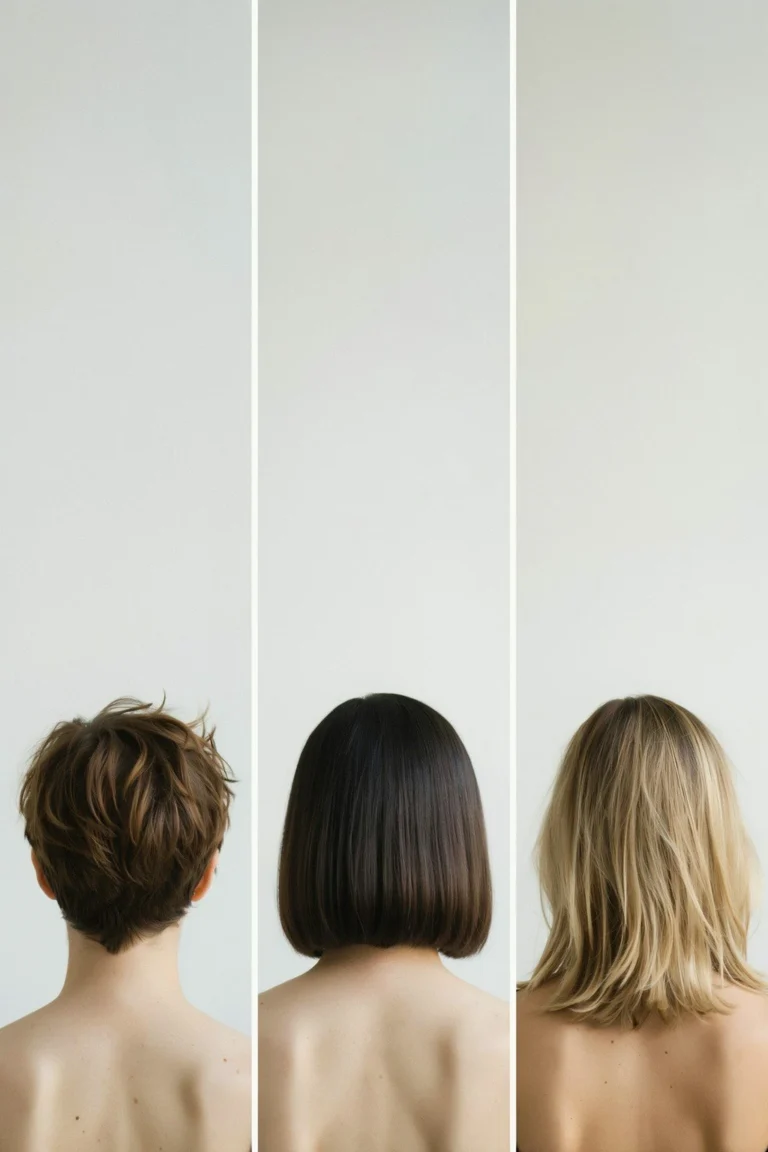
Pixie Cut: What to Know Before You Commit

A pixie cut is the appointment people agonize over more than almost any other, and I understand why: it removes nearly all the bulk that longer hair uses to soften and hide shape, so what’s left is mostly bone structure, density, and the cut itself. I’ve talked people out of a pixie who I thought would regret it, and talked people into one everybody around them said they shouldn’t get, and been right both times, because neither decision had much to do with the length itself. This is what actually changes when you cut this short, what it costs to keep, and the two things almost nobody asks about before they sit down.
I keep my own hair short for exactly this reason. It’s genuinely less to manage, and I have no interest in pretending a longer style would suit my actual mornings better just to sound more balanced about it. The cut I’m proudest of from the past year wasn’t the boldest pixie I’ve done. It was the one where the client came back eight weeks later and it had grown out exactly the way I told her it would, which is a smaller, quieter kind of success than a dramatic before-and-after, but it’s the one that actually matters once you’re living with the cut.
A pixie cut redirects nearly all visual attention to your eyes, cheekbones, and jawline, since there’s no length left to soften or distract from bone structure, which is why it reads as a bigger decision than the amount of hair actually removed.
What a Pixie Cut Actually Does

A pixie doesn’t reshape your face. It removes the option of using length to soften or distract from it, which is a genuinely different thing than what most people expect walking in. Cheekbones, jawline, and eyes carry more visual weight with nothing longer competing for attention, and neck length becomes visible in a way it usually isn’t. None of this is a flaw to manage. It’s simply what the cut does, and knowing it in advance changes how you talk to your stylist about the specific shape you want.
The other real change is proportional rather than facial. Once the sides and back are this short, your shoulders, jawline, and the length of your neck all read differently in a photo or a mirror than they did with even chin-length hair softening the transition between head and shoulders. This isn’t a flattering-or-not judgment, it’s a genuinely different silhouette, and it’s worth trying on a wig or looking at photos of the specific length you’re considering before committing, since this proportional shift surprises people more often than the facial one does.
Who It Suits and Why
Density matters more here than almost any other factor. Fine hair generally holds a pixie’s shape with less daily effort, since there’s less weight fighting the style; thick or coarse hair can hold a pixie beautifully too, but usually needs more deliberate texturizing to avoid looking triangular rather than intentional. Face shape is a guideline here, not a rule — a pixie works on every face shape, and the real variables are your density, how much neck you’re comfortable showing, and whether you wear glasses that a very short style will now sit closer to. Glasses specifically are worth mentioning to your stylist, since frame shape and a pixie’s crown height can compete for attention if nobody accounts for it during the cut.
Age is worth addressing directly, since it comes up constantly and rarely honestly. There’s no version of hair biology where a pixie suits or doesn’t suit a particular decade of life. What changes with age for some people is texture and density, and a stylist who’s actually looking at your hair rather than a general assumption about your age will cut accordingly. If anyone, including a stylist, frames this cut in terms of what’s “age-appropriate” rather than what suits your actual density and features, that’s worth pushing back on rather than absorbing as fact.
What It Costs to Keep
| Pixie variant | Trim cadence | Daily styling time | Who it suits |
|---|---|---|---|
| Classic textured pixie | 4–5 weeks | 5–10 minutes | Most densities, fine to medium especially |
| Undercut pixie | 3–4 weeks (sides) | 5 minutes | Anyone wanting sharper contrast and lower daily effort |
| Long pixie / crop | 6–8 weeks | 10–15 minutes | Anyone not ready for the shortest version |
| Curly pixie | 6–8 weeks | 5 minutes, wash-and-go | Curl patterns wanting minimal daily effort |
A pixie is a shorter commitment per visit than most cuts, but it’s the most frequent return trip of any length on this site. Four to five weeks between trims is standard for the classic version, and skipping that window is the single most common reason a pixie starts looking grown-out and shapeless rather than intentionally longer. If a four-week cadence genuinely doesn’t fit your schedule or budget, a long pixie or crop is the more realistic choice, not a shorter cadence you won’t actually keep.
A pixie isn’t a haircut you get once. It’s a haircut you keep, and the four-week trim is part of the actual style, not an inconvenience attached to it.
The Back View, Which Almost Nobody Checks

A pixie is built through the back and the nape as much as through the front, and it’s the angle almost nobody thinks to ask their stylist to show them before leaving. A tapered nape reads cleaner and more deliberate than a blunt one, and it’s worth asking for specifically if you want the cut to look finished rather than simply short. The crown’s height and shape, viewed from behind, is where most of a pixie’s actual structure lives — a flat crown reads very differently than one with lift and texture, even when the front looks nearly identical on both. Ask to see the back in a hand mirror before you leave the chair, every time.
A double mirror check takes less than a minute and it’s the single easiest thing to skip when you’re excited to see the front. I ask every client to do this before they leave, no exceptions, because the number of people who’ve come back for an adjustment on something they only noticed once they got home and saw the back in their bathroom mirror is higher than it should be for a check that costs nothing.
What to Say in the Chair
- “I have about 5 minutes in the morning and I don’t use a round brush.”
- “I want to be able to tuck the front behind my ear.”
- “I’d rather come back in two weeks for it to be shorter than start there.”
- “Can you show me the back before I leave, and how will this look at week six?”
Bring at least one photo showing the back of the pixie you’re picturing, not just the front. Words communicate what a photograph can’t, which is why the four phrases above matter as much as any picture you bring in.
The Growing-Out Stage Is Part of the Cut
Every pixie eventually reaches a stage somewhere between month two and month four where it’s neither short nor styled into a longer shape yet, and that stage is normal, not a sign the cut failed. A skilled stylist can shape the awkward stage with strategic texturizing rather than letting it grow out shapelessly, which is worth asking about at your very first appointment, before you’re in the stage and scrambling. Hair grows roughly half an inch a month, so if you’re picturing eventually growing it past the pixie stage entirely, budget realistically rather than expecting a fast transition.
The two- to three-month mark is where most people give up and cut it all back short again, usually out of frustration with a shape that isn’t quite anything yet. Going into it knowing that stage is coming, and planning a check-in appointment specifically for shaping rather than trimming, is the difference between riding it out and starting over. Neither choice is wrong. It’s just worth deciding which one you’re actually planning for before you’re standing in front of the mirror mid-frustration.
Frequently Asked Questions
How short is too short for a first pixie cut?
Start longer than the photo you’re picturing. Ask for the length you want plus roughly half an inch everywhere, and book a follow-up for two weeks out. That costs one extra visit and removes almost all the risk, since hair grows about half an inch a month and going too short the first time means waiting two to three months before you have the option back. A first-time pixie is one of the few cuts where erring conservative genuinely costs you nothing but a slightly earlier follow-up appointment.
Does a pixie cut suit round faces?
Yes, with the right height and texture at the crown. Added height and movement on top, rather than volume concentrated at the sides, works with a round face rather than against it. As with every face shape, your density and styling routine matter just as much as bone structure here.
How often do you need to trim a pixie cut?
Every four to five weeks for the classic version, since that’s how quickly the shape loses definition at this length. A long pixie or crop stretches that to six to eight weeks, which is worth considering if a monthly appointment doesn’t realistically fit your schedule.
Can I go this short with thick or curly hair?
Yes, though it needs more deliberate texturizing than fine hair to avoid a triangular shape, and curly pixies specifically hold up well with minimal daily styling once cut correctly. Ask your stylist about their experience cutting your specific texture at this length before booking.
What’s the awkward growing-out stage of a pixie like?
It typically lands somewhere between month two and month four, when the cut is too long to hold its original shape but too short to style into anything longer yet. A stylist experienced with pixies can shape this stage with strategic layers rather than letting it grow out shapelessly, which is worth discussing before you’re already in it.
Before You Book
Decide on your trim cadence before you decide on the exact shape. If four weeks isn’t realistic for you, a long pixie gets you most of the effect with a schedule you’ll actually keep.
Tell me your density, how much time you actually have in the morning, and whether you’re ready for a four-week trim schedule, and I’ll help you land on the right variant. — Viv