Short Curly Haircuts: 30 Styles Sorted by Pattern
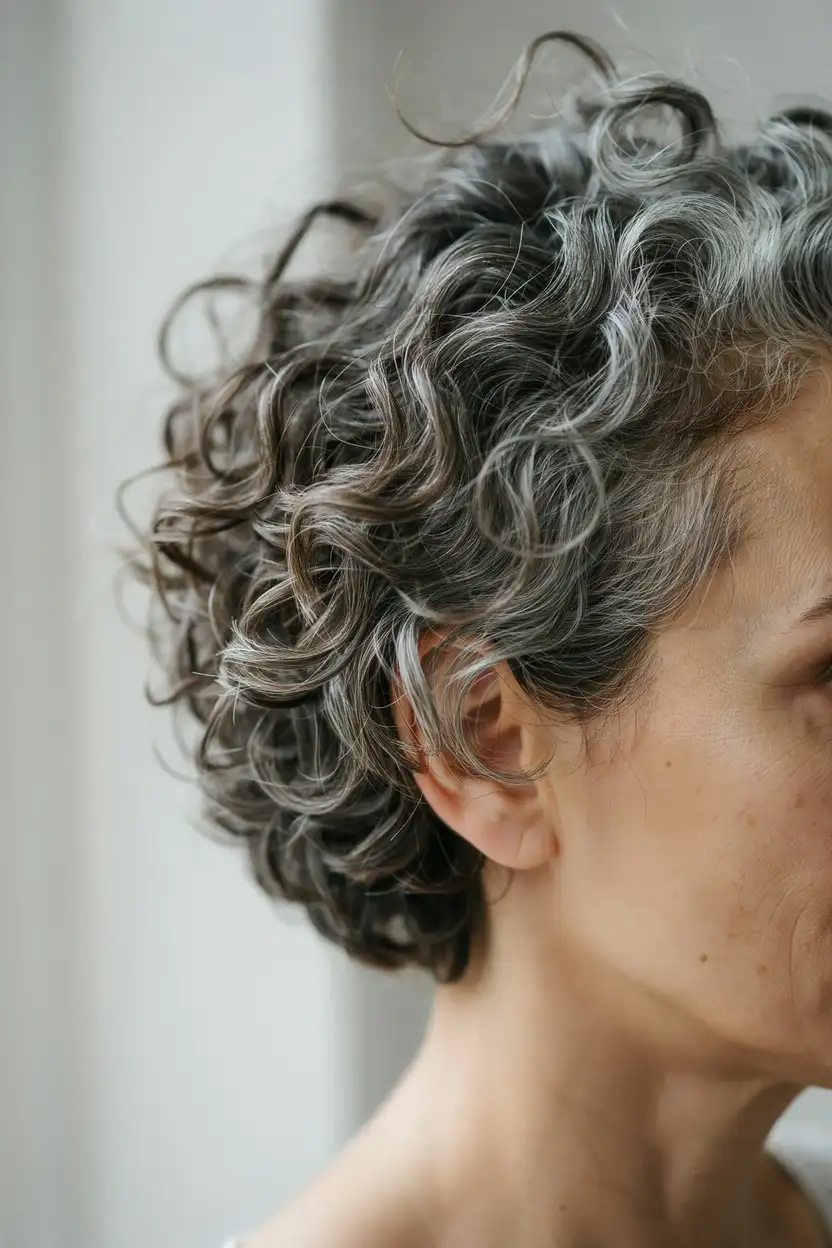
Short curly haircuts get styled with the same three or four techniques over and over online, and half of them only work on one narrow slice of the curl spectrum. I’ve tried recreating a “wash and go in 5 minutes” tutorial on my own pattern more times than I’d like to admit, and it took me years to realize the video was filmed on hair that would’ve done it anyway. These thirty are grouped by pattern range, from looser waves through tight coils, so you can actually find your section instead of guessing. Pattern numbers are a shorthand for how people talk about texture, not the whole story — density and porosity change how any of these actually turn out on you.
Short curly haircuts style differently by pattern range, so a wash-and-go technique that holds on loose 2a to 2c waves usually needs real adjustment, not just less product, to work on tighter 4a to 4c coils.
Density matters here almost as much as pattern number does, and it’s worth naming since most tutorials skip it entirely. Two people with an identical curl pattern but very different densities, one with a lot of hair per square inch and one with less, will need genuinely different amounts of product to get anything close to the same result on the same style from this list. Thinner density generally needs less product across every pattern range on this list; thicker density usually needs more, layered in sections rather than all at once.
Short Curly Haircuts, Looser Patterns (2a to 2c)
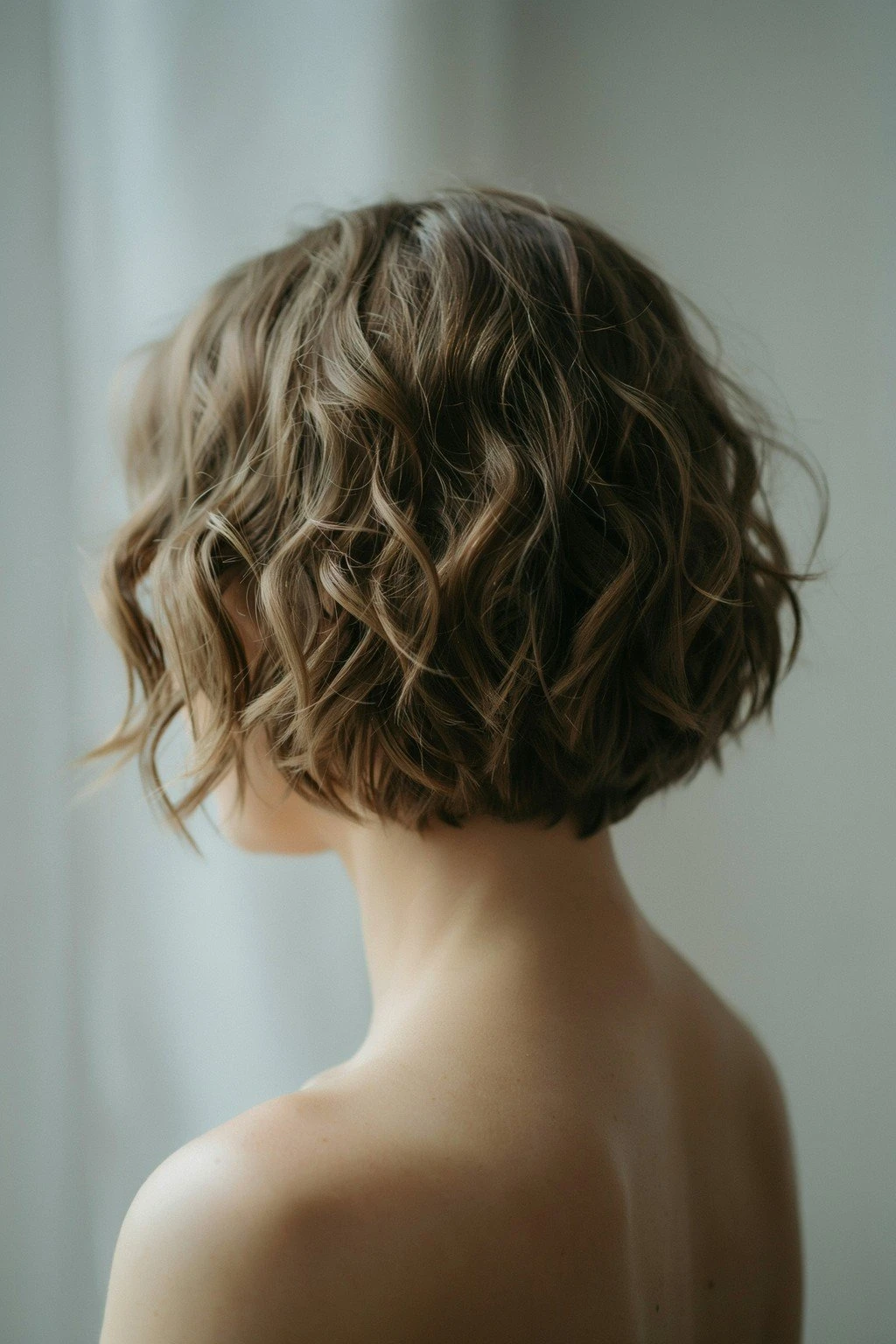
This range needs the least product of anything on this list, and the biggest risk is weighing the wave down until it falls flat by afternoon.
The Diffused Wash-and-Go
Apply a light mousse to soaking wet hair, then diffuse on low heat for about 8 minutes, scrunching upward as you go. Holds through the day on 2a to 2b, though it loses definition fastest of anything on this list without a touch-up.
The Overnight Wave Set
Twist small sections loosely around your finger while hair is damp, pin flat against the head, and sleep on it. Takes about 10 minutes to set and holds a full day on 2b to 2c.
The Air-Dried Scrunch
Scrunch a lightweight curl cream into soaking wet hair and let it air dry with zero touching in between. This is the lowest-effort style here, taking under 5 minutes hands-on, though air drying itself takes 1 to 2 hours.
The Braided Wave-Out
Two loose braids on damp hair, left in for at least 4 hours, unraveled gently for a soft, undone wave. Say no to tight braiding here — the whole point of this pattern is looseness, and pulling tight fights the texture rather than working with it.
The Curl-Cream Push-Up
Cup sections in your palm and push upward toward the scalp while the hair dries, encouraging clumping without adding much product. Works best on 2b to 3a and takes about 6 minutes total.
The Second-Day Refresh Set
A quick water-and-leave-in refresh on already-styled hair rather than a full restyle. Takes under 3 minutes and holds through a second day on this pattern range, which is longer than most of the other groups on this list can manage.
Short Curls, Defined Ringlets (3a to 3b)
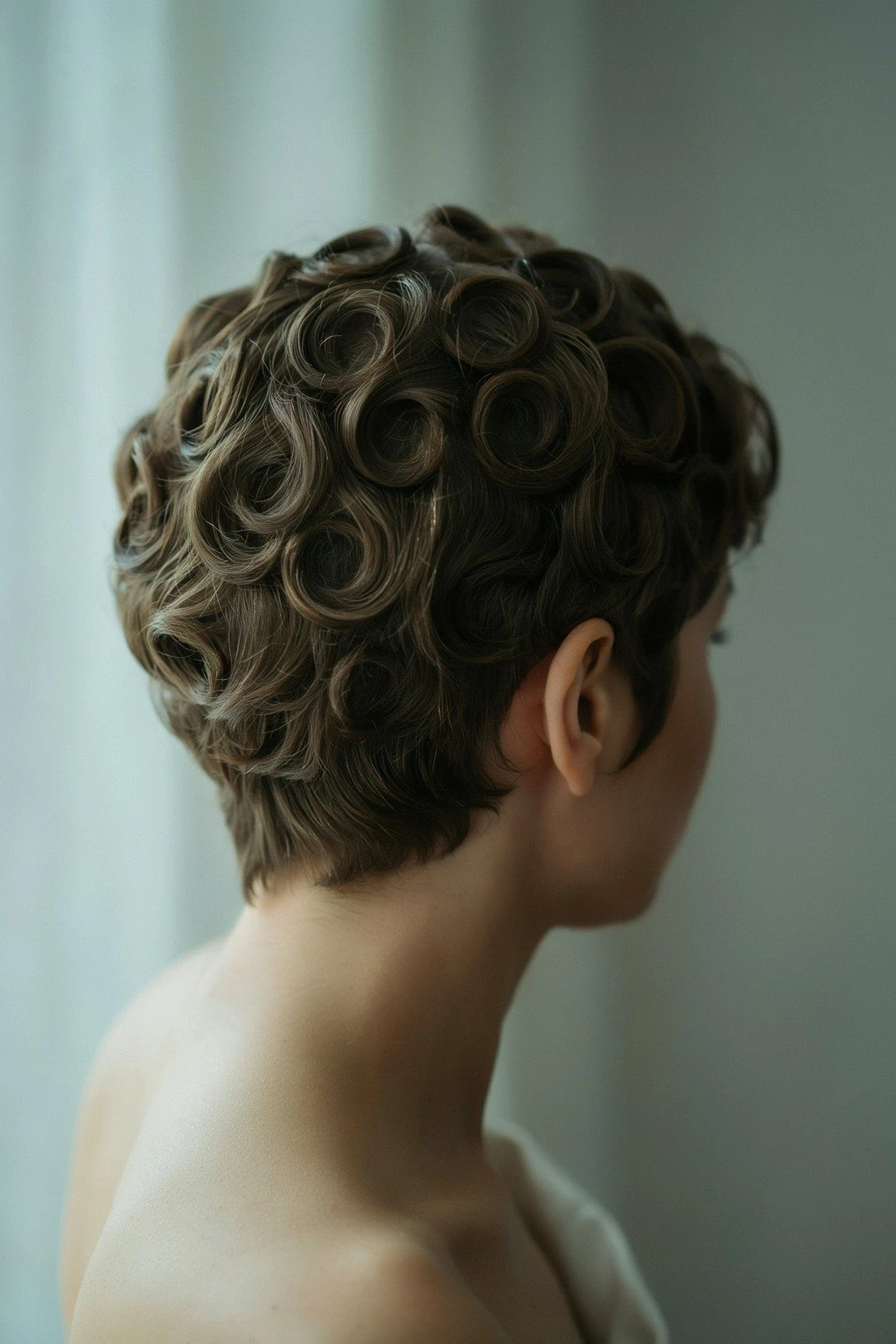
This range holds a defined ringlet shape reliably once the moisture level is right, but it clumps unevenly without enough product early in the process.
The Layered Leave-In Set
Apply leave-in, then a curl cream, then a gel on soaking wet hair, scrunching between each layer. Takes about 12 minutes and holds a full day on 3a to 3b without much frizz.
The Praying Hands Method
Smooth product downward between flat palms before scrunching upward, which helps ringlets clump into full, defined curls rather than separated strands. About 7 minutes per section, 15 minutes total.
The Pineapple Overnight Set
Gather curls loosely at the very top of the head before bed, securing with a soft scrunchie. Takes under 2 minutes and preserves the shape for a second-day style rather than flattening it against the pillow.
The Diffused Curl Cluster
Diffuse in sections, cupping the diffuser bowl around clumps rather than moving it around loosely. Takes about 12 minutes and holds well past midday on this range.
The Twist-and-Pin
Twist a few front pieces and pin them back off the face while the rest air dries naturally. About 5 minutes, and it keeps curls out of your eyes without a full updo.
The Gel Cast Crunch
A firmer gel applied and left to fully dry into a cast, then scrunched out once completely dry to break the crunch. Takes 15 minutes hands-on plus drying time, and the shortcut of skipping the scrunch-out step leaves hair feeling crunchy all day rather than soft.
Short Curls, Coily Patterns (3c to 4a)
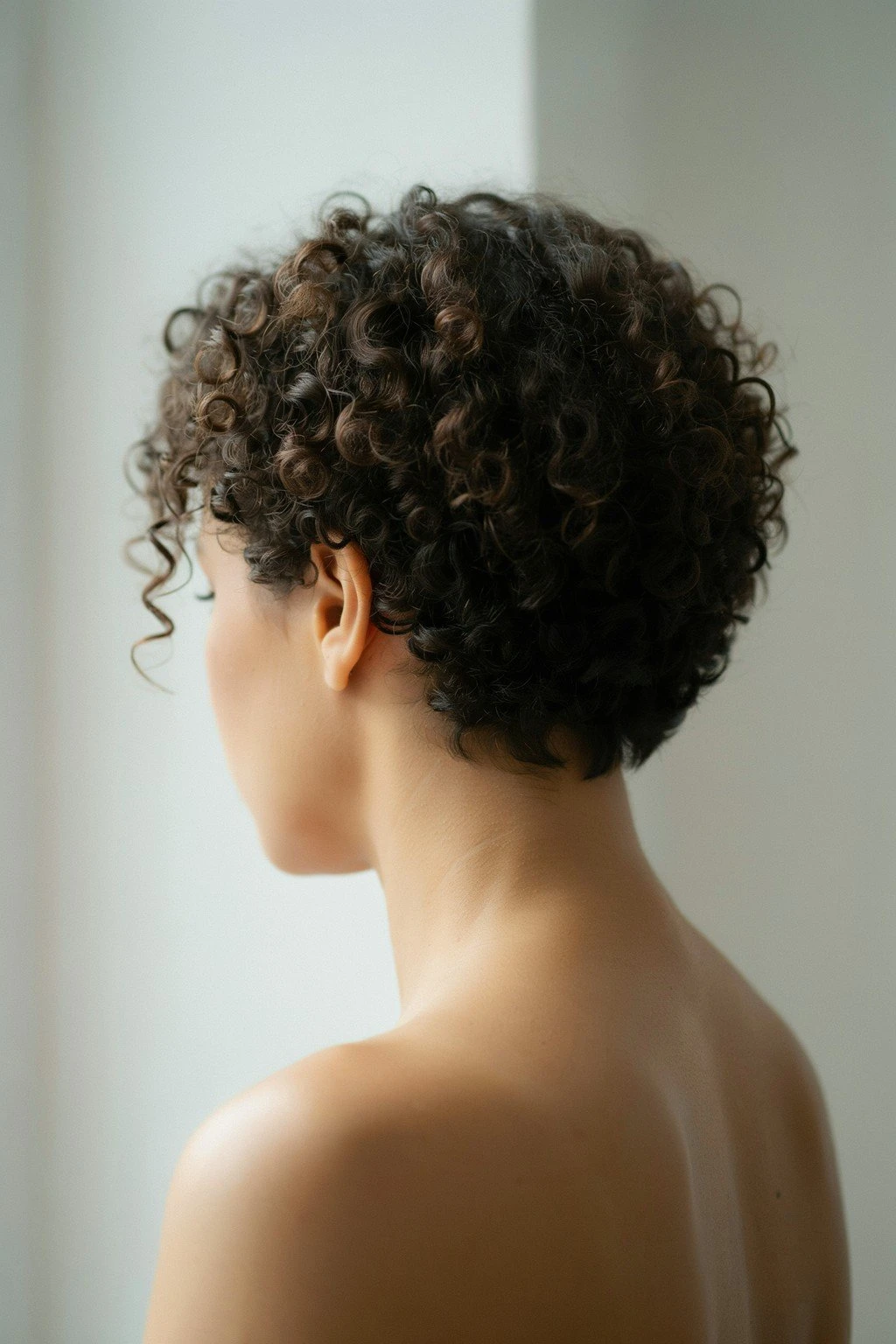
This range needs more product than the looser groups above and gentler handling throughout, since coily strands lose definition fast under friction.
The Finger-Coil Set
Coil small sections around one finger from root to tip using a defining cream. Takes about 20 minutes for a full head and holds 2 to 3 days with a bonnet at night.
The Wash-and-Go With Extra Clumping
Apply product in sections while hair is soaking wet, raking through with fingers rather than a comb to encourage clumping. About 15 minutes and holds a full day on 3c to 4a.
The Bantu Knot-Out
Small, tight two-strand twists wound into knots against the scalp, left to dry fully before unraveling. Takes 25 minutes to set and holds 2 days, with definition that improves rather than fades on day two.
The Braid-Out for Short Coils
Small three-strand braids on damp, product-loaded hair, unraveled once fully dry. About 20 minutes and holds 2 to 3 days.
The Curl Rod Set
Small perm rods used on damp hair for a tighter, more uniform curl than finger coiling alone gives. Takes 25 minutes to set, holding 2 days.
The No-Product Rinse-Out
Just a conditioner rinsed with fingers styling the shape, no additional product layered on top. This is the lowest-product option here, and the honest cost is less hold — expect it to need a refresh by evening rather than lasting through the next day.
Short Curly Haircuts, Tight Coils (4b to 4c)
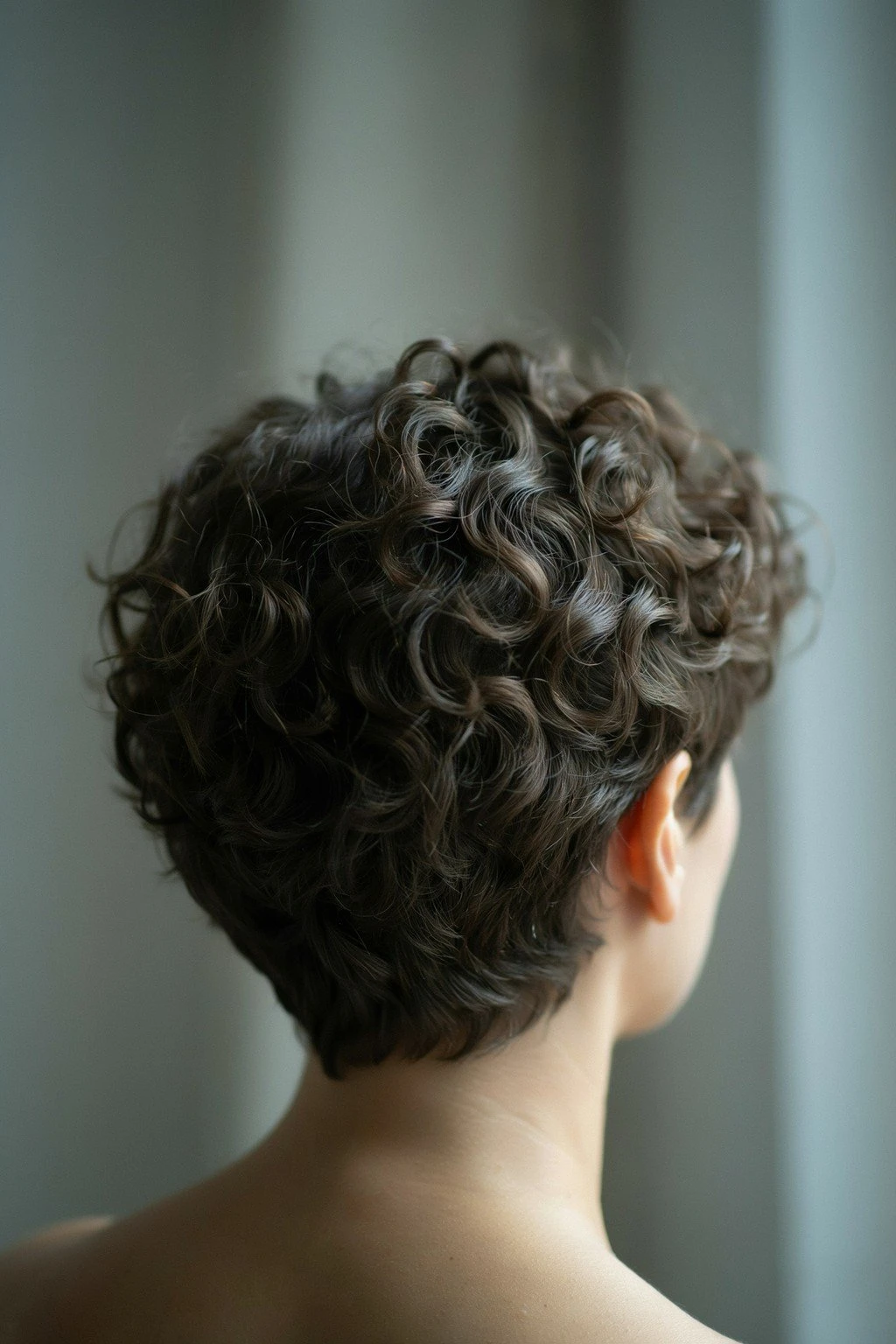
This range needs the most moisture of anything on this list and the gentlest detangling, since tight coils shrink the most and show breakage fastest under rough handling.
The Twist-Out for Tight Coils
Two-strand twists on well-moisturized, product-loaded hair, left to dry fully before separating gently. Takes 25 minutes and holds 2 to 4 days with a bonnet at night.
The Wash-and-Go With Sealing Oil
Leave-in and gel applied in sections, sealed with a small amount of oil at the ends to reduce shrinkage-related dryness. About 20 minutes and holds a full day on 4a to 4c.
The Finger Detangle and Puff
Detangle with fingers or a wide-tooth comb only, gathered into a low puff. Takes 10 minutes and is the gentlest option here, protective from daily manipulation.
The Bantu Knot-Out for Coils
Tighter, smaller knots than the 3c-4a version, needing more product to hold moisture through drying. Takes 30 minutes and holds 3 to 5 days, the longest hold of anything on this list.
The Coil-Defining Rod Set
Small rods used on well-moisturized hair for a more defined, elongated coil pattern than air-drying alone gives. About 30 minutes, holding 2 to 3 days.
The Overnight Moisture Refresh
Water and a leave-in worked through with fingers before bed, no restyling, just replenishing moisture. Takes 5 minutes and isn’t a style on its own, but it’s what makes any of the above actually last the stated hold time.
Short Curly Styles With a Twist
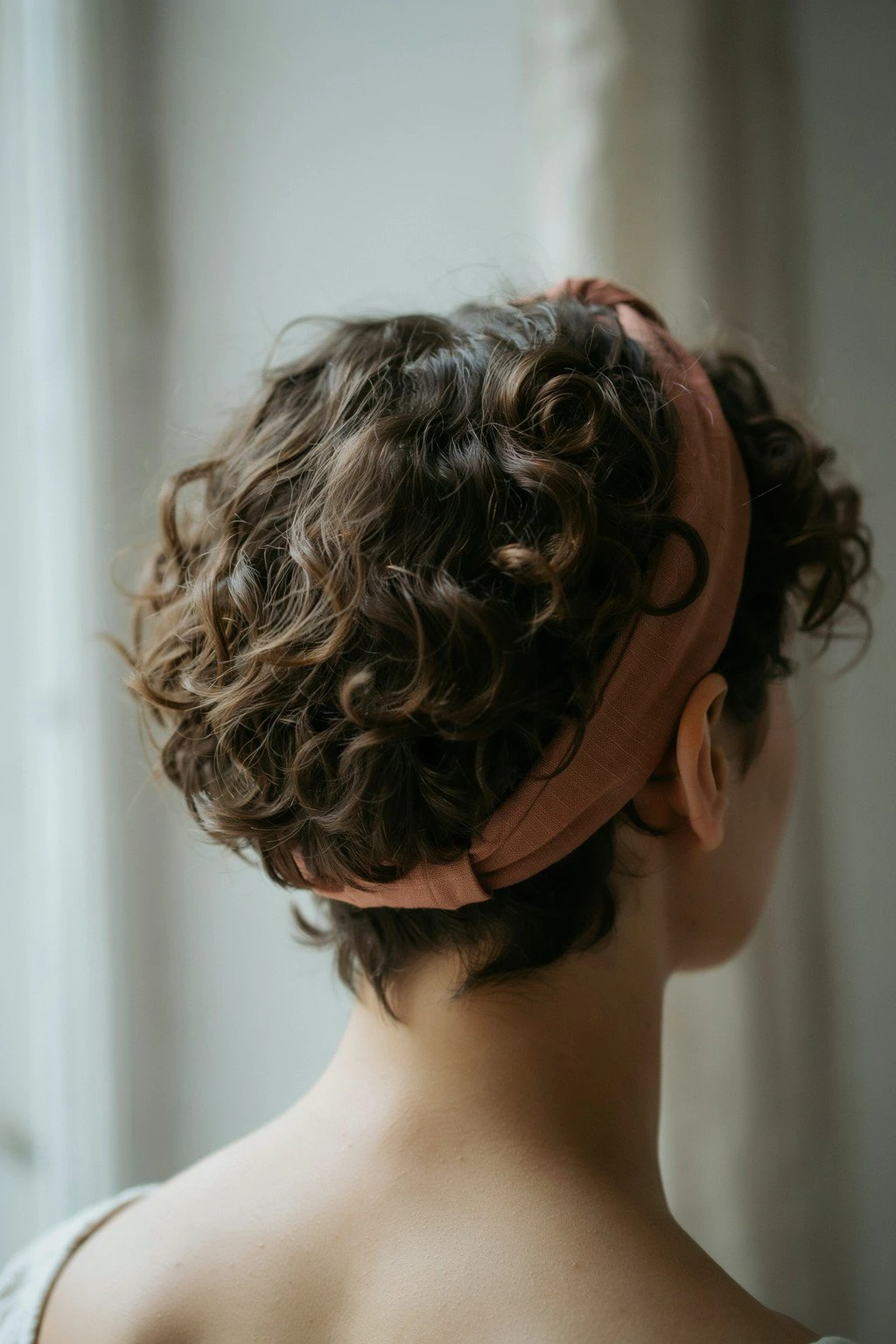
These work across nearly every pattern range once your base curl definition is set, since they’re additions rather than a different styling method.
The Headband Half-Up
A stretchy headband pushed back over set curls, keeping the front out of your face. Takes under 2 minutes and works on any pattern once curls are already defined.
The Clip-Back Sides
Two small sections clipped back from the temples, curls left loose everywhere else. About 1 minute, the fastest style on this entire list.
The Curl-Defined Side Part
A deep side part combed in on damp hair before styling, which changes how the curls fall without any additional technique. Takes 2 minutes extra on top of whichever set method you’re already using.
The Scarf-Wrapped Edges
A silky scarf tied around the hairline to smooth and define the front edges while the rest of the curls stay full. About 3 minutes, and it works across the whole pattern spectrum since it’s addressing the perimeter, not the curl itself.
The Product-Free Refresh Spritz
Just water in a spray bottle, misted over set curls to revive shape without adding more product weight. Takes under 2 minutes and is the shortcut most people reach for once they’ve over-applied product earlier in the week — the cost is that it only refreshes shape, it doesn’t add hold back.
The Face-Framing Twist Pin
One or two small twists pinned back at the temple for definition near the face without touching the rest of the style. About 3 minutes, and it works on any pattern once there’s enough length to twist.
Building Your Routine Around a Style
| Pattern range | Typical set time | Typical hold | What it needs most |
|---|---|---|---|
| 2a–2c | 5–10 minutes | 1 day | Light product, gentle drying |
| 3a–3b | 7–15 minutes | 1 day | Layered product application |
| 3c–4a | 15–25 minutes | 2–3 days | More product, gentle handling |
| 4b–4c | 10–30 minutes | 2–5 days | The most moisture, the gentlest detangling |
Notice the pattern: the tighter the coil, the longer the set takes but the longer it also holds. That trade-off is worth planning your week around rather than fighting — a longer set on Sunday can mean five easy mornings after it. I do exactly this most weeks: a proper twenty-five-minute set on the day I have the most time, then quick refreshes for the rest of the week rather than restyling from scratch every morning.
The technique that works on your friend’s hair isn’t a universal method. It’s one method that happens to suit one pattern, and finding yours on this list matters more than finding the prettiest photo.
What You’ll Need
- A leave-in conditioner, for every pattern range on this list.
- A curl cream or gel, depending on how much hold your pattern needs.
- A silk or satin bonnet or pillowcase, to protect whatever style you set overnight.
- A spray bottle with water, for refreshing between full restyles.
- A diffuser attachment, if you’re drying with any heat at all rather than air drying fully.
None of this needs to be expensive or specialized. A basic spray bottle and a bonnet from any drugstore does the same job as anything marketed specifically for curls, and the technique matters more than the specific product line behind almost every style on this list.
Frequently Asked Questions
How do I know my curl pattern for short curly haircuts?
Look at your hair when it’s clean and completely product-free, since product and styling technique can change how a pattern appears. Most people fall somewhere in a range rather than one exact number, and that’s genuinely normal, not a sign you did the test wrong.
Why does my short curly style fall flat by afternoon?
Usually too much product weight for your pattern, or not enough clumping technique during the styling process. Looser patterns especially need less product than tutorials aimed at coilier hair typically use.
Can I use the same products across different curl patterns?
Some products work broadly, but the amount and layering technique should change by pattern. A gel that gives great hold on 4a hair can feel heavy and crunchy-forever on 2b hair using the same amount.
How often should I restyle short curly haircuts?
This depends heavily on pattern — looser waves often need a fresh set daily, while coilier patterns can hold a style for several days with just an overnight moisture refresh. Check the specific hold times in the table above for your range.
What’s the biggest mistake people make styling short curly haircuts?
Using a technique built for a completely different pattern range, usually because it’s the version that showed up first in a search. Matching the method to your actual pattern, not just your general curl type, fixes more styling frustration than any single product change does.
Should I detangle before or after applying product?
Detangle first, on soaking wet hair with conditioner still in if possible, before your styling products go on. Detangling after product is applied tends to disrupt the clumping you just worked to create, undoing a good chunk of the styling effort on tighter pattern ranges especially. If you do need to detangle a fully styled, dry style later in the week, work in very small sections with fingers rather than a brush, and expect to lose some definition in whatever section you touch.
Finding Your Section
Match your pattern range to a group above before you match a specific photo. That single decision tells you more about how a style will actually turn out on your hair than the picture ever will.
Tell me your pattern range and how much time you actually have most mornings, and I’ll help you figure out where to start. — Tess