Heatless Curler: What It Actually Does and Doesn’t Fix
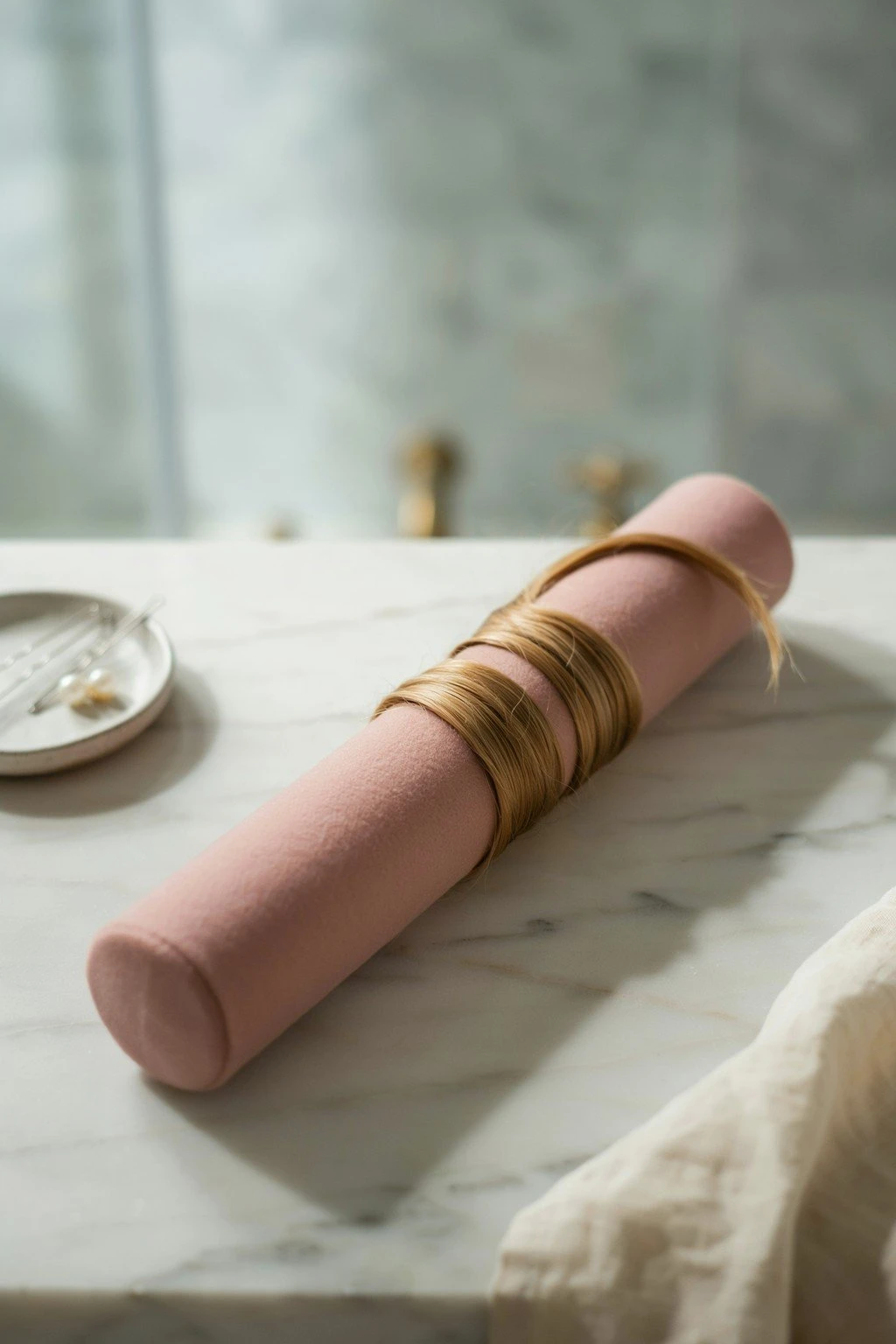
A heatless curler works on a mechanism that’s worth understanding before you buy one, because it changes what result you can actually expect. Hair holds a shape once the hydrogen bonds inside it reform in that shape while drying, and a heatless curler’s whole job is holding the hair in position long enough for that to happen on its own. No heat accelerates it. That’s the entire trade: slower, but without the thermal cost a flat iron or curling wand carries.
I’ve used a foam version most nights for the past couple of years, mostly because I like waking up with a finished style rather than adding a styling step to an already rushed morning. It’s not a faster method than heat styling, and I want to be upfront about that before anything else here.
What You Need
- A heatless curler set: foam rods, flexible spiral rods, or fabric ribbon ties, depending on the finish you want.
- A wide-tooth comb, for sectioning before you wrap.
- A light-hold mousse or curl cream, applied before wrapping, optional but helpful for hold.
- A silk or satin bonnet or pillowcase, to protect the set overnight.
What a Heatless Curler Physically Does
The rod or roller holds a section of hair in a curled position while moisture evaporates and the internal hydrogen bonds settle into that shape. This works the same way any set does, whether it’s a heatless curler, a roller set, or overnight braids, and it’s genuinely different from what heat does. Heat forces a shape change faster by temporarily softening the hair’s protein structure, then locking it in as it cools. A heatless curler skips that softening step entirely and just gives the hair time to dry into position naturally.
This is why timing matters so much more with a heatless curler than with heat styling. Heat sets a curl in seconds because it’s actively forcing the change. A heatless curler needs the hair to be genuinely dry, not just mostly dry, before you unwrap it, or the shape was never fully set and drops within an hour or two.
I learned this one the hard way, more than once, checking my rods at the 5-hour mark because I was impatient, deciding they felt dry enough, and unwrapping to a curl that fell completely flat by the time I’d finished my morning coffee. The parts of a section that dry fastest, near the ends and the outer wrap, can feel dry to the touch while the hair underneath, closer to the rod, is still damp. Squeezing a section gently before unwrapping, checking for any coolness or dampness rather than just surface texture, is a better test than touch alone.
How to Use a Heatless Curler
This suits a wide texture range, roughly 1a through 3a, since it depends more on how the hair is wrapped than on its natural pattern. It takes about 10 to 15 minutes to set and needs 6 to 8 hours of drying time, which is why it’s most practical overnight or during a long stretch at home.
- Start with hair that’s about 80% dry, damp but not dripping. Fully wet hair takes too long to dry through the rod and often doesn’t set evenly.
- Section into eight to twelve pieces depending on desired curl size and total hair volume.
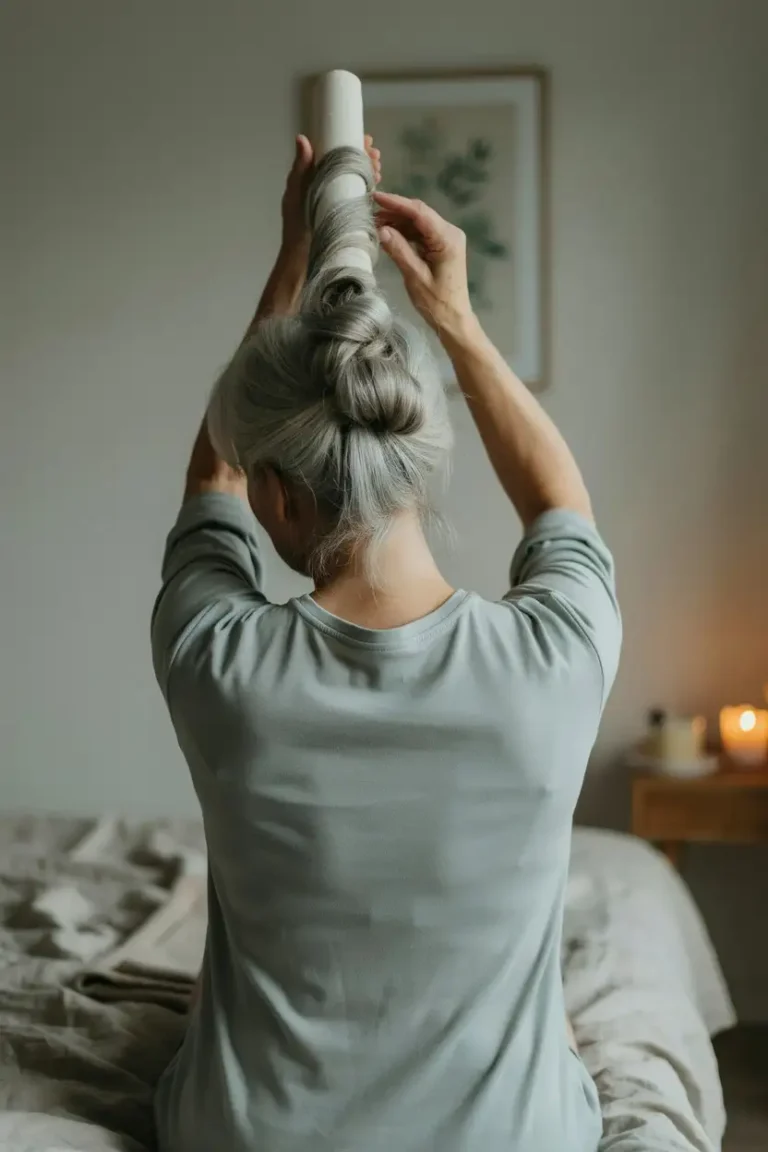
- Take one section and wrap it around the rod starting at the ends, rolling up toward the root.
- Secure the rod according to its specific closure, whether that’s a clip, a tie, or a built-in clasp.
- Repeat through all sections, then leave it in for the full 6 to 8 hours, ideally overnight.
- Unwrap gently, starting from the bottom of each rod, and let the curl fall without brushing it out.
Section size is the variable I get asked about most, and it’s a real trade-off rather than a rule with one right answer. Fewer, larger sections mean a faster wrap, closer to 10 minutes, but a looser, more casual curl. More, smaller sections take closer to 20 minutes and give a tighter, more defined result. Neither is more correct. I go smaller on nights I have the time and larger on nights I’m mostly doing this so my hair looks intentional rather than slept-on, which is most nights, if I’m honest.
| Curler style | Set time needed | Hold | Best for |
|---|---|---|---|
| Foam/padded rods | 6–8 hours | 8–14 hours | Sleeping in comfortably |
| Flexible spiral rods | 6–8 hours | 10–16 hours | Tighter, more defined curls |
| Ribbon/fabric ties | 6–8 hours | 6–10 hours | Softer, looser waves |
Those hold ranges assume genuinely dry hair going in. Pattern range here is a shorthand more than usual, since the finished curl depends heavily on how the hair was wrapped and how dry it actually was, not just where your hair falls on the texture spectrum.
The single biggest reason a heatless curler doesn’t hold isn’t the tool. It’s unwrapping hair that was still damp underneath.
What It Doesn’t Fix
A heatless curler doesn’t add curl pattern to hair that doesn’t naturally have one at the strand level. It temporarily reshapes the hair you have, the same way any set does, and that reshaping fully reverses the next time you wash or the humidity gets high enough. It also won’t correct frizz or dryness underneath the curl. If your hair is prone to frizzing regardless of styling method, that’s a separate issue in the hair itself, not something the curler is responsible for solving.
It also doesn’t solve the discomfort of sleeping in rods for people who genuinely don’t sleep well with something on their head, and I won’t pretend that’s a small thing. I adjusted to it over a few weeks, but I know plenty of people who never do, and switching to a softer, flatter rod style or accepting a shorter set time with a slightly weaker hold is a reasonable trade if comfort is the real obstacle, not a failure to just push through it.
Who This Isn’t For
If your schedule genuinely doesn’t allow for 6 to 8 hours of uninterrupted set time, a heatless curler is going to disappoint you no matter which style you buy, since the mechanism depends entirely on that drying window. Heat styling exists precisely for the situation where you need a result in twenty minutes rather than overnight, and that’s a completely reasonable trade to make on a day the timing doesn’t work.
Very short hair is the other case where this genuinely doesn’t work well. Most rod and rollers styles need enough length to wrap at least once or twice around without the ends slipping loose, and hair shorter than a few inches often can’t hold that wrap through a full night of movement. If that’s your situation, a shorter overnight method built specifically for shorter lengths is a better starting point than forcing a standard rod to work on hair it wasn’t really sized for.
The No-Time Version
There isn’t really a shortcut on set time, since the mechanism is drying time itself. What I’ll do instead on a night I forgot to plan ahead is a rougher, faster wrap with fewer, bigger sections, maybe six instead of twelve, which trades curl definition for a quicker wrap-up, closer to 5 minutes. The result is a looser wave rather than a defined curl, but it still needs the same overnight drying time to actually work.
A blow dryer on a diffuser attachment, low heat, can shorten the set considerably if you genuinely can’t wait overnight, bringing it down closer to 25 to 30 minutes instead of hours. That’s not really a heatless method anymore at that point, and I’d rather be honest about that than call it a heatless shortcut. It’s a hybrid worth knowing about for the rare morning you need this and didn’t plan the night before, not a regular substitute for the actual overnight version.
Frequently Asked Questions
How long does a heatless curler actually need to set?
Around 6 to 8 hours for the hair to fully dry in the wrapped position, which is why this is best done overnight rather than as a same-morning styling method. Unwrapping before hair is completely dry is the most common reason the curl doesn’t hold.
Does a heatless curler work on all hair types?
It works across a wide range, roughly 1a through 3a texture, though the result depends more on wrap technique and how dry the hair was than on natural pattern alone. Denser or coarser hair sometimes needs a longer set time to dry all the way through.
Why did my curls fall out within a few hours of using a heatless curler?
Almost always because the hair wasn’t fully dry when it was unwrapped. Give it the full 6 to 8 hours, and if your hair is thick or long, start the process earlier in the evening so it has enough time before morning.
Set It Up Before Bed
Wrap while hair is genuinely 80% dry, not soaking, and give it the full overnight window rather than checking early. That combination decides almost the whole result.
Tell me which style of curler you’re using and how long you’re leaving it in, and let’s figure out whether the setup or the timing is the piece to fix. — Tess