18 Lowlight Ideas for Gray Hair Over 50
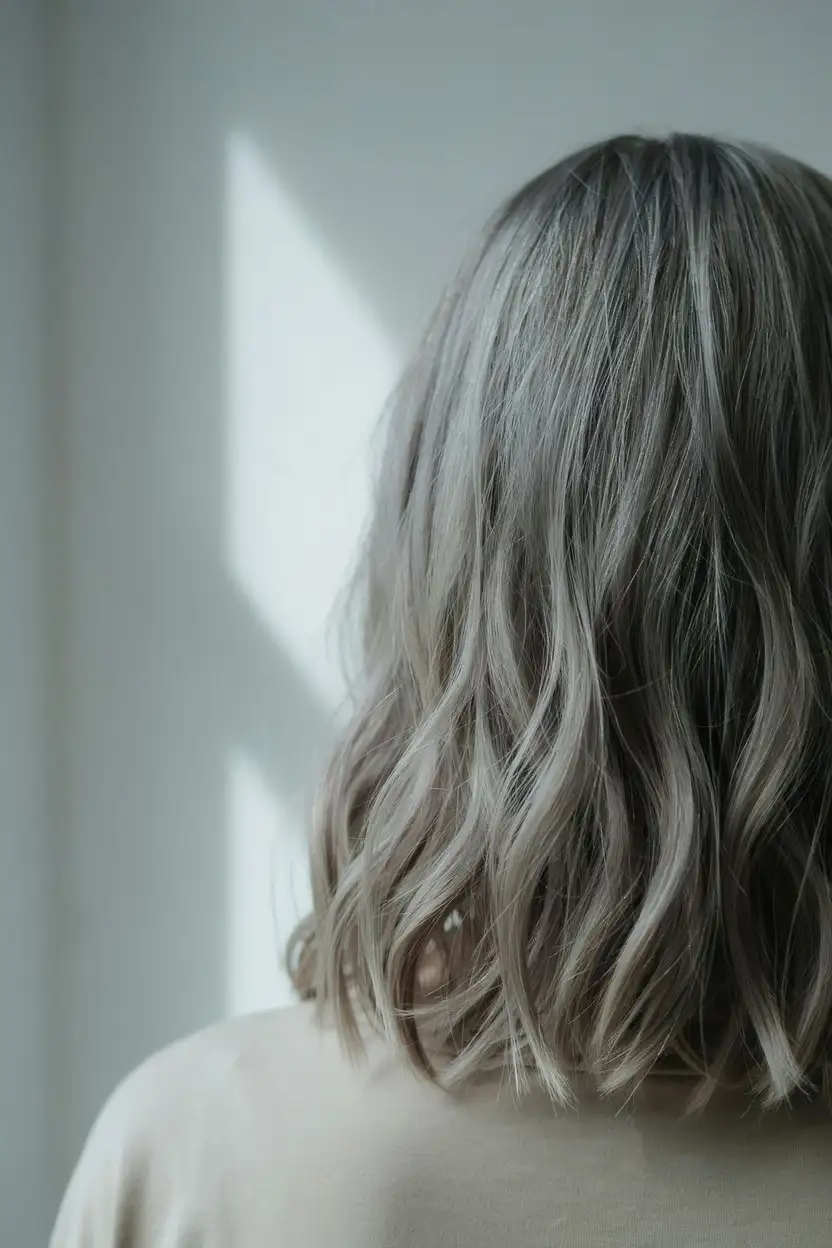
Gray hair with lowlights is the option most people reach for once highlighting has stopped giving them anything, which usually happens somewhere above 60 percent gray. At that point the head is already full of light, so adding more produces a flat field rather than dimension, and the useful move is in the opposite direction. Lowlights also deposit rather than lift, which means they cost less and take nothing out of the hair. I went this way myself at around the 70 percent mark and wish I had done it a year earlier.
What Lowlights Do That Highlights Cannot
A lowlight is a deposit-only service that places pigment a level or two below your base, so nothing is lifted and no lightener touches the hair. That single difference decides the cost, the interval, and the integrity cost of everything on this page.
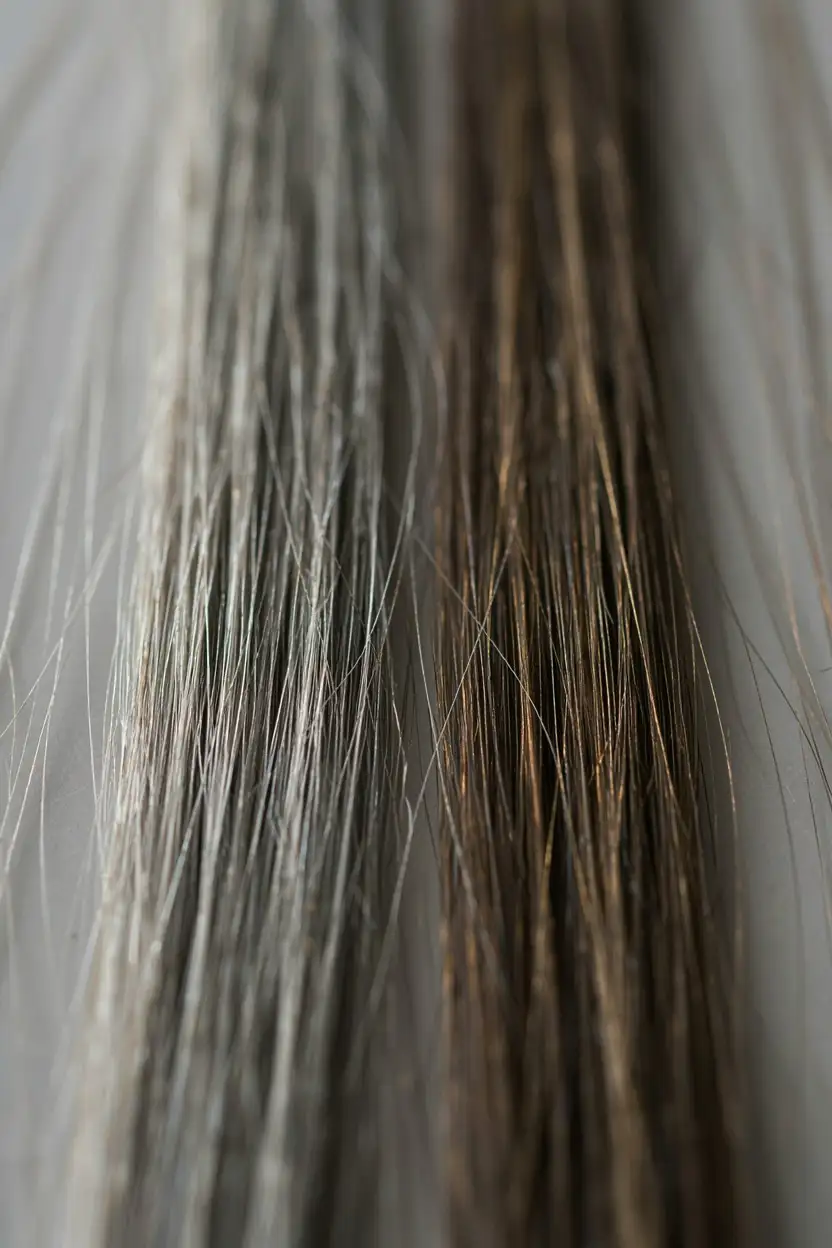
What it does visually is give the eye somewhere to rest. Silver reflects a great deal of light, and a head of it can read as flat in photographs even when it looks dimensional in person. Darker pieces restore contrast, which is what most people are actually asking for when they say their gray looks dull. Gray hair is also more porous than pigmented hair, so it takes deposit faster and lets it go faster, which is why the interval sits at 8 to 10 weeks rather than the 12 a pigmented head might manage.
By How Much Gray You Have
Percentage decides more here than shade does, because it decides how much contrast is already present before anything is added.
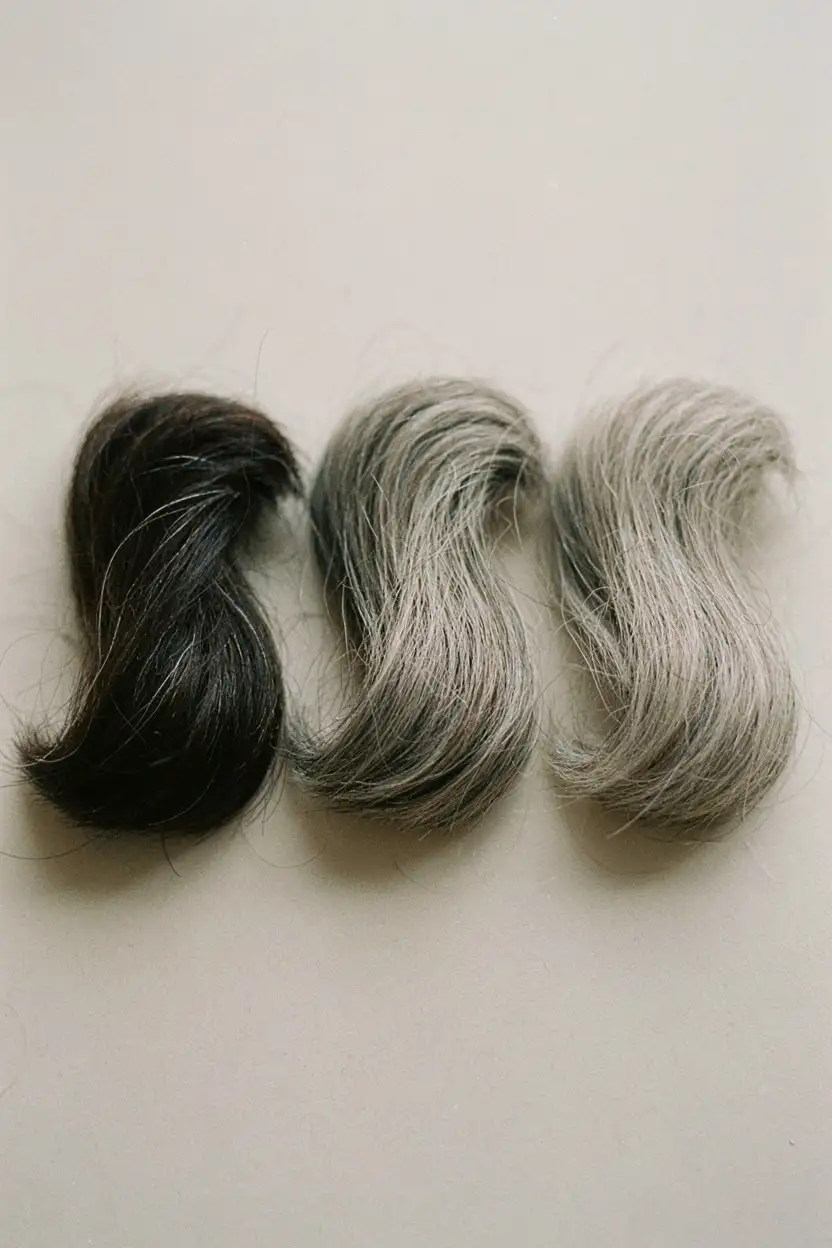
Scattered Depth at 40 to 50 Percent
At this percentage there is still plenty of natural pigment, so only a few pieces are needed and they should sit close to your own base level. Expect $120 to $180 on an 8 to 10 week cycle. Anything heavier reads as coverage rather than dimension.
Half-Head Depth at 60 Percent
Around 60 percent the balance tips and lowlights start doing real work, placed through the top and mid-lengths where light hits hardest. Cost moves to $150 to $220 at the same interval. This is the percentage where most people first notice the flatness they are trying to fix.
Deliberate Contrast at 80 Percent
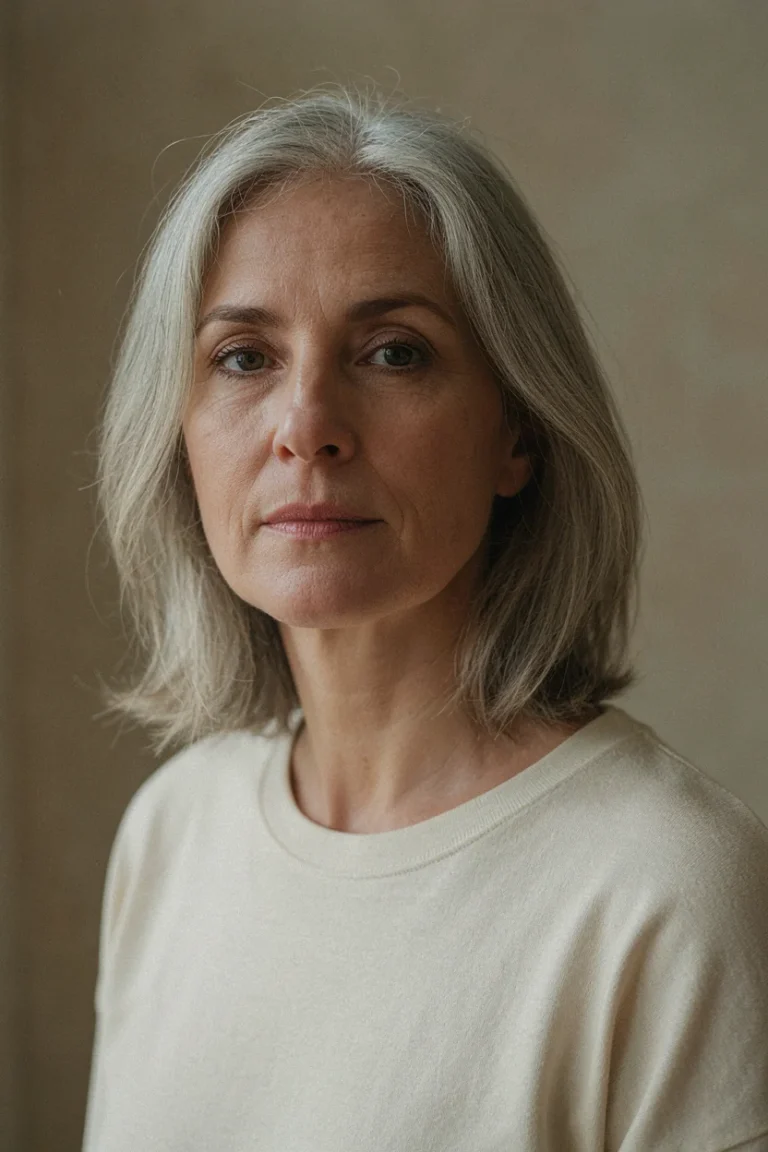
With very little natural pigment left, a lowlight is the only source of depth available, and it can be placed boldly without looking heavy. Two levels below your silver is usually the limit before it reads as a stripe. Budget $150 to $220 every 8 to 10 weeks.
Doing Nothing at Any Percentage
Plenty of silver looks better untouched, particularly where it has come in unevenly and already carries its own variation. Starting with nothing costs nothing and tells you whether the flatness is real or a lighting problem. This is the only entry here with no interval attached.
Where the Depth Sits
Placement changes the result more than the shade does, and these four differ only in where the darker pieces land.
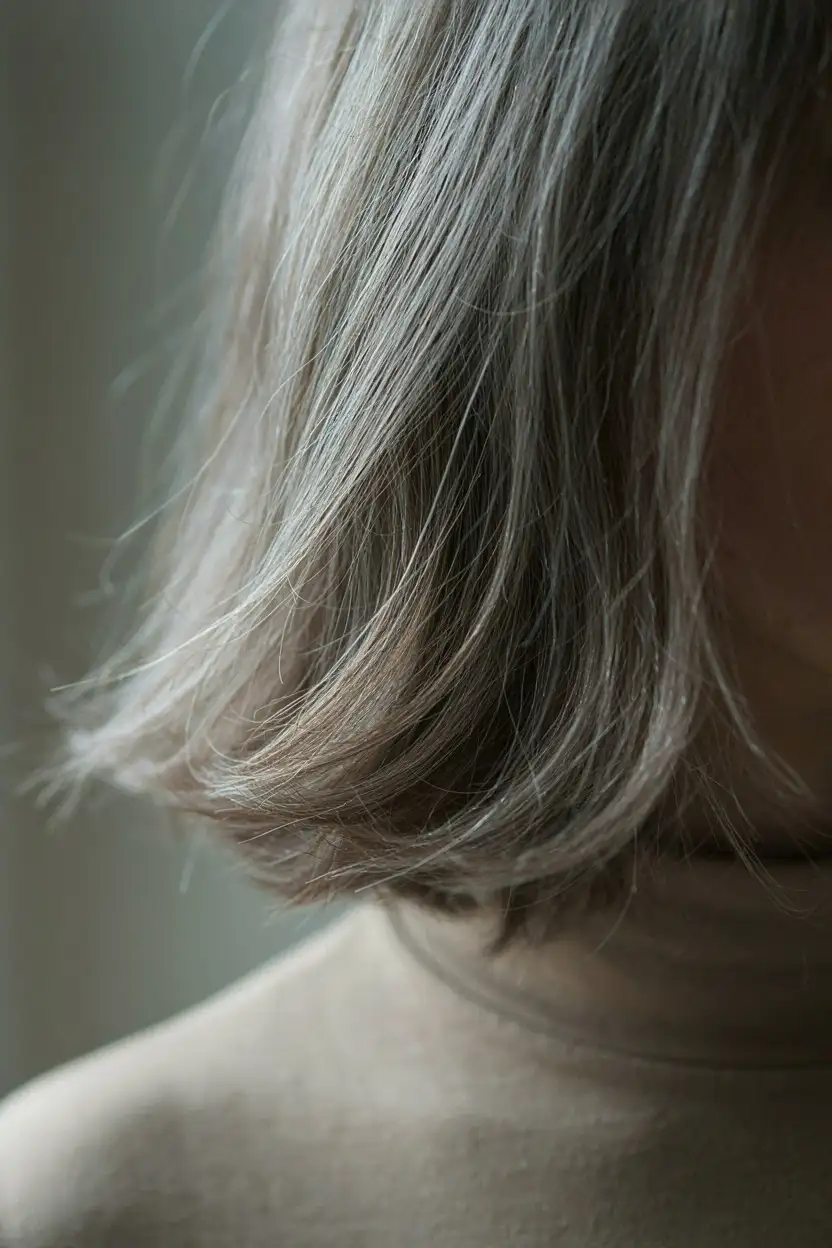
Depth Through the Under-Layer
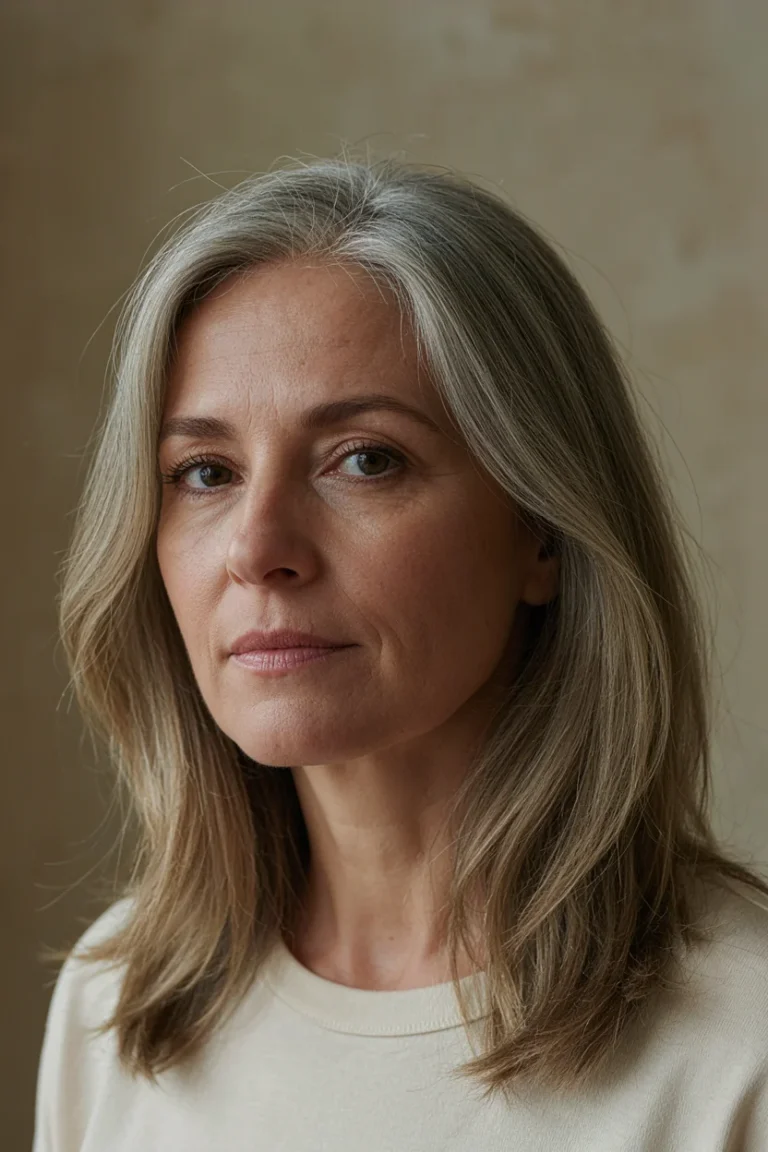
Keeping lowlights below the top section leaves your silver as the visible surface while creating shadow underneath. Nothing shows at the root, so regrowth is invisible and the interval stretches to 10 to 12 weeks. It is the subtlest option available.
A Shadowed Root
Deepening only the root zone gives the shape a base and stops fine silver looking see-through at the part. It is a small service at $60 to $110. Patch test any formula you have not had before.
Pieces Framing the Face
Placing depth at the temples and around the hairline pushes brightness away from the face rather than onto it. This is the placement most likely to be noticed, so it wants a lighter hand. Refresh every 8 weeks.
Depth Through the Ends Only
Concentrating darker pigment through the last few inches weights the perimeter, which suits shapes that have started to look thin at the bottom. Because the root is untouched there is no line to manage. Expect 10 to 12 weeks of wear.
Above 60 percent gray, more brightness is the wrong tool. What flat silver needs is somewhere for the eye to rest, and that means going down rather than up.
Choosing the Shade
Tone matters more on silver than on any other base, because silver is cool and a warm deposit will fight it.
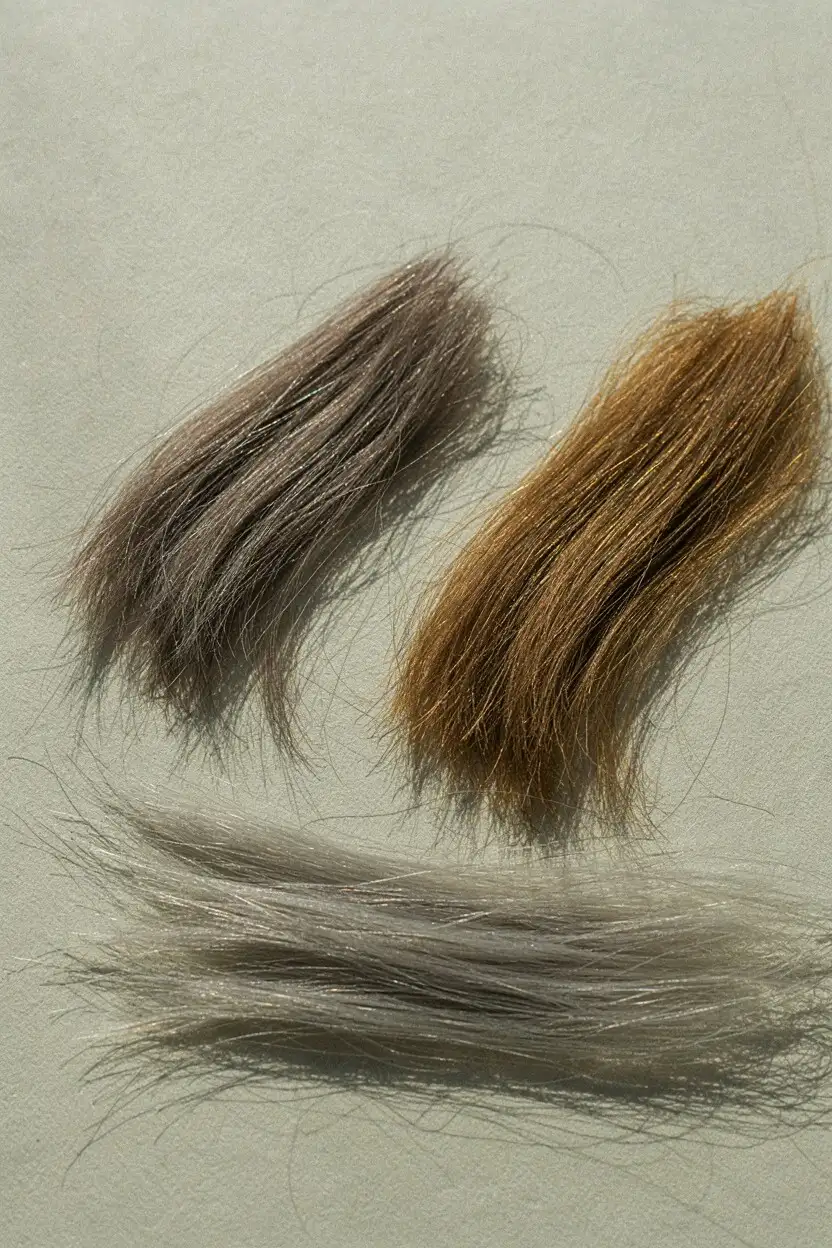
Soft Charcoal
A cool near-black one to two levels below your silver gives the strongest contrast without reading as dyed. It suits hair that was originally dark. Hold it with a gloss every 8 weeks.
Cool Ash Brown
Ash brown is the safest choice on most silver, because it shares the cool temperature and blends at the edges instead of forming a hard boundary. Cost sits at $120 to $200. It also grows out more forgivingly than a darker shade.
Mushroom and Greige
A muted greige sits between your silver and a true brown, which gives depth without much contrast at all. It is the option for anyone worried the result will look obviously colored. Refresh every 8 to 10 weeks.
Avoiding Warm Browns
A golden or reddish brown beside silver reads as two separate decisions, because the temperatures pull against each other. If warmth is what you want, a gloss over the whole head is a better route than warm lowlights. That costs $40 to $90 and changes no levels.
On Shorter Cuts
Short shapes show placement more plainly, because there is less length for a piece to travel through.
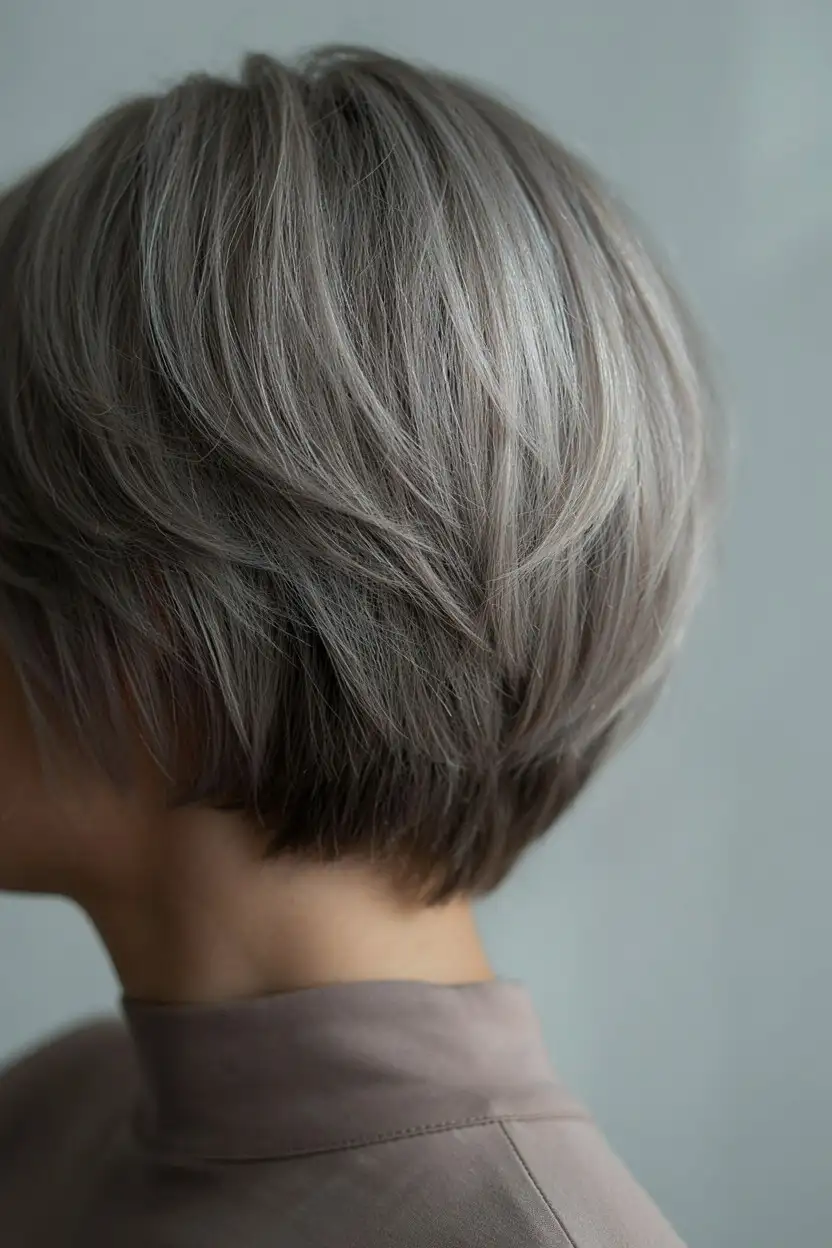
Depth Under a Crop
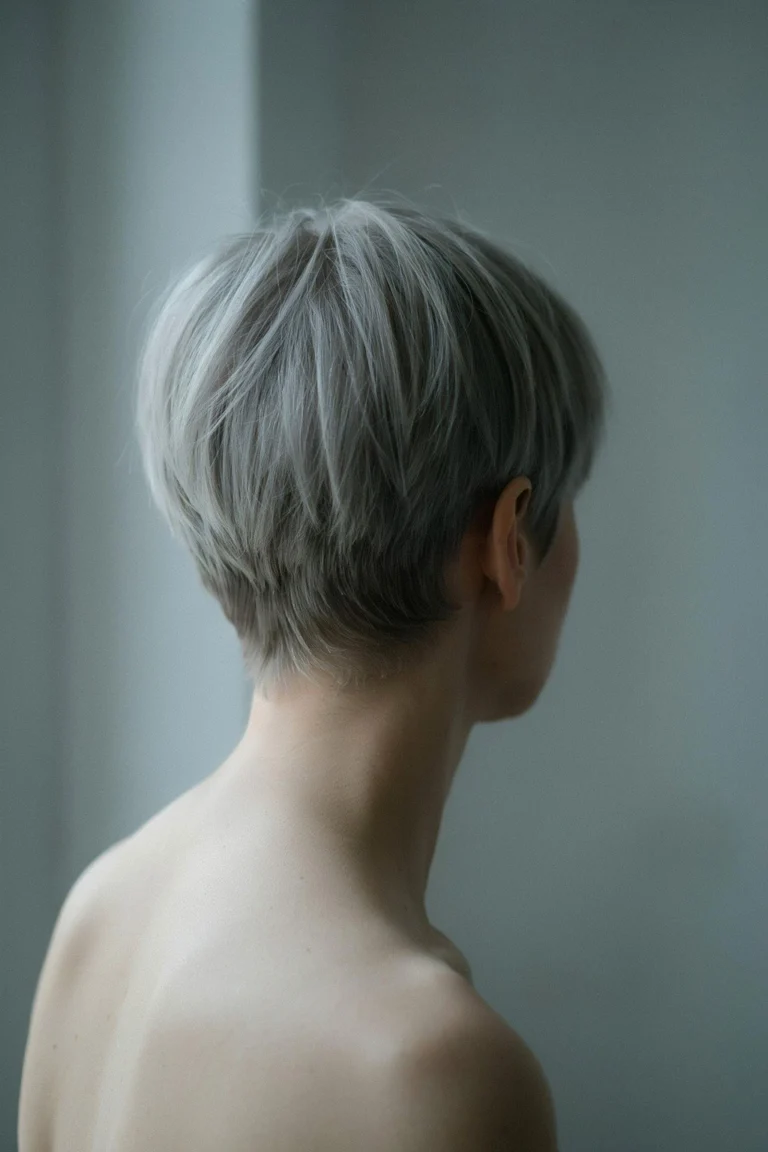
Darkening the section beneath a short top creates shadow that appears only when the hair moves. It is one small area, at $60 to $110. On a crop this is usually all the depth needed.
Weighting a Bob at the Perimeter
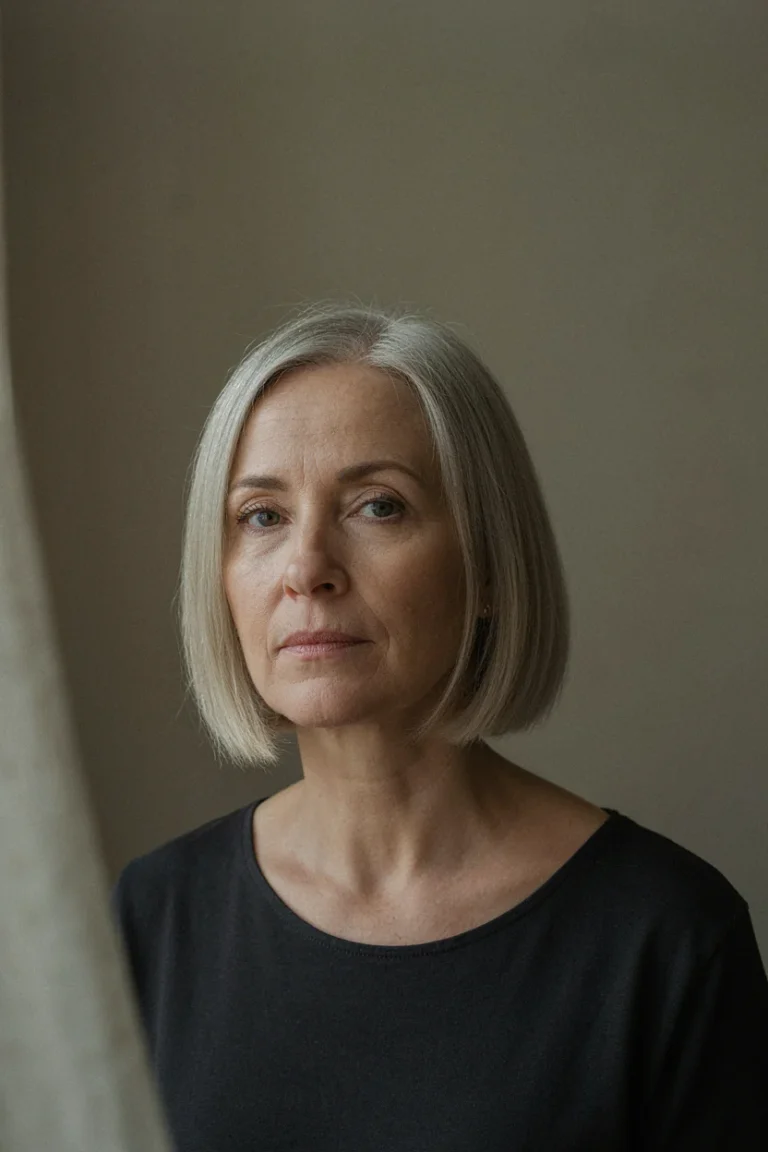
Deeper pigment through the bottom inch of a bob makes the line read as heavier and more deliberate. It needs redoing every 10 weeks as the ends grow. The effect is strongest on a blunt cut.
Skipping Lowlights on a Pixie
At pixie length there is often not enough hair for depth to register, and the cut is already providing contrast through its own shape. Saving the money here is usually the right call. The exception is a longer top, which can take a shadowed under-section.
Keeping Lowlights From Going Flat
Deposit fades, and on porous silver it fades unevenly. These three are the maintenance.
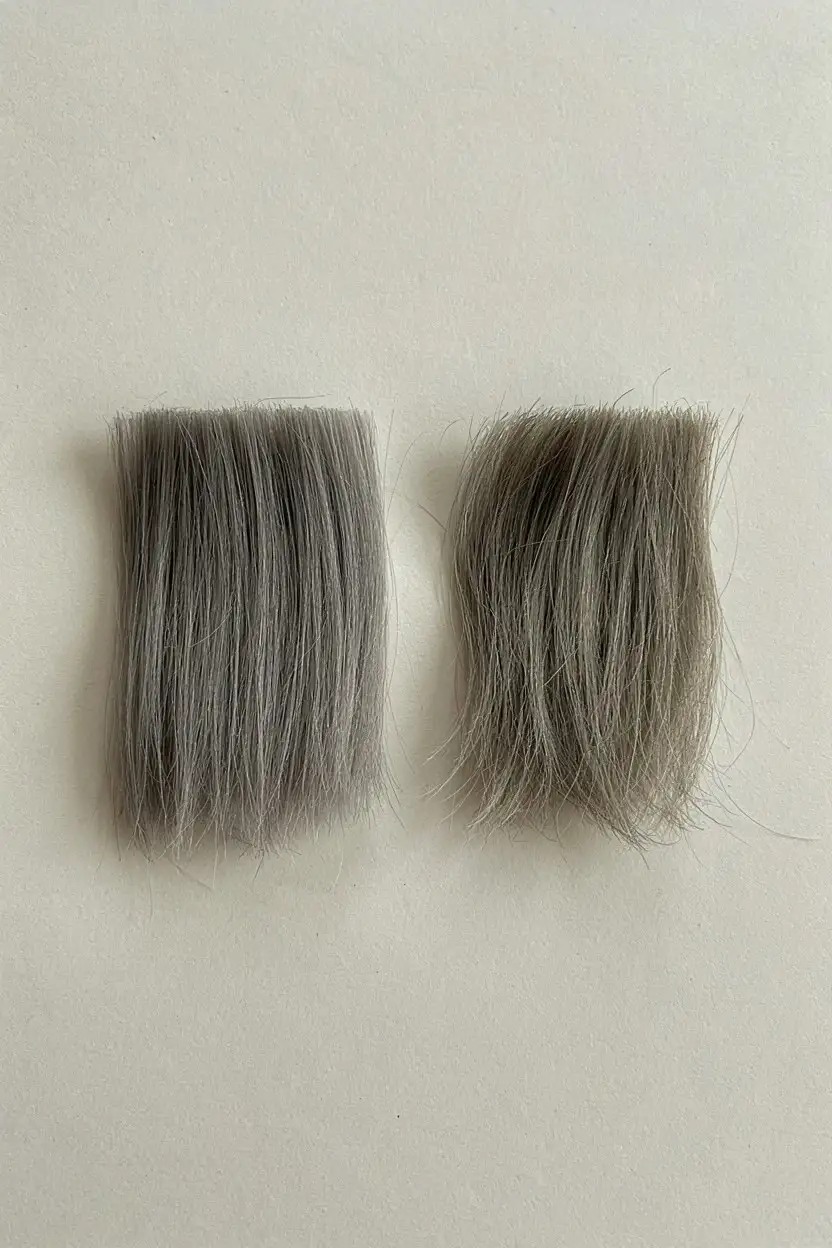
A Gloss Between Appointments
A clear or tinted gloss every 6 to 8 weeks refreshes both the silver and the deposit at once, for $40 to $90. It is the cheapest way to stretch the interval on the lowlights themselves.
Purple Toning, Used Sparingly
Purple shampoo keeps the silver clean between services, at every 2 to 3 washes. Every wash turns silver dull and faintly lilac and can also dull the lowlights, which is the most common self-inflicted problem in this category. Over-toning is far easier to do than to undo.
Chelating Monthly in Hard Water
Above roughly 120 ppm, mineral settles into porous silver and reads as a yellow cast that flattens the contrast you paid for. A chelating shampoo removes it, once a month for most water. More frequent use strips the deposit along with the mineral.
What Lowlights Cost to Keep
| Placement | Interval | Cost band | Regrowth line | Integrity cost |
|---|---|---|---|---|
| Under-layer only | 10 to 12 weeks | $120 to $180 | None visible | None, deposit only |
| Shadowed root | 8 to 9 weeks | $60 to $110 | Soft | None |
| Face-framing pieces | 8 weeks | $120 to $180 | Visible at the temples | None |
| Ends only | 10 to 12 weeks | $120 to $200 | None | None |
| Half-head at 60%+ | 8 to 10 weeks | $150 to $220 | Soft | None |
| Gloss between services | 6 to 8 weeks | $40 to $90 | None | None |
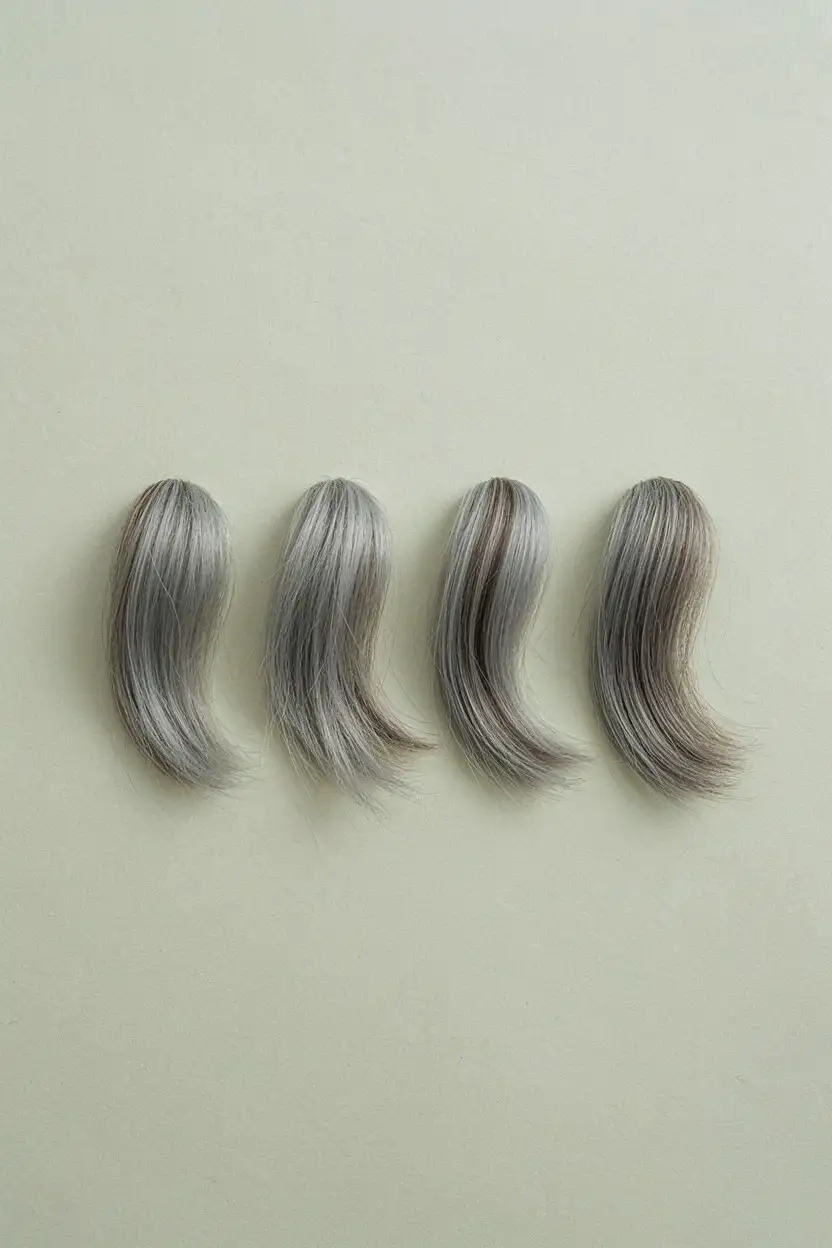
Cost bands vary by region, salon tier, and length. Every figure here sits below what a comparable lightening service costs, because nothing is being lifted.
What to Ask at the Consultation
- What percentage of your hair is actually gray, measured rather than guessed, since almost everyone guesses high.
- How many levels below your silver the deposit will sit, because two is usually the limit before it reads as a stripe.
- Whether the shade is cool or warm, since warm browns fight silver rather than blending into it.
- Everything that has been on your hair in the last 3 years, including box color, because build-up affects how evenly deposit takes.
- How this fades rather than how it looks on the day, since deposit leaves porous hair unevenly.
- Whether a gloss between appointments would stretch the interval, and what that costs.
If the reason your hair looks flat is that there is less of it than there was, that is a different question and belongs with a doctor. Shedding above roughly 100 hairs a day for more than 6 weeks, or a part line that has visibly widened, is worth a dermatologist appointment rather than a color one.
If you are still growing out and not yet fully silver, the transition guide covers the month-by-month at roughly half an inch a month. If you want brightness rather than depth, the highlights guide covers placement from the other direction.
Frequently Asked Questions
Are lowlights better than highlights on gray hair over 50?
Above roughly 60 percent gray, usually yes, because the head is already full of light and adding more produces a flat field rather than contrast. Below 40 percent the reverse tends to hold, since there is still enough natural pigment for brightness to register as dimension. The switch point is about percentage rather than age, and most people cross it without noticing. Lowlights also deposit rather than lift, so they cost less and take nothing out of the hair.
How long do lowlights last on gray hair?
Between 8 and 10 weeks for most placements, which is shorter than the same service on pigmented hair. Gray hair is more porous, so it takes deposit quickly and releases it quickly, and the fade is often uneven rather than uniform. A gloss every 6 to 8 weeks at $40 to $90 is the cheapest way to stretch that. Placement matters too, since anything kept off the root has no regrowth line to force the appointment.
Will lowlights damage silver hair?
A true lowlight deposits pigment without lifting, so there is no structural cost in the way there is with highlighting. What it can do is build up over repeated applications, particularly on porous hair that grabs deposit readily, which eventually reads as heavier and darker than intended. Asking your colorist to refresh only the regrowth rather than pulling through the length each time avoids that. Patch test any new formula before a full application.
Can you add depth while you are still transitioning?
Yes, and mid-transition is one of the better times for them, because darker pieces placed into the grown-out silver break the demarcation line from the opposite direction to highlights. It costs $120 to $200 against $180 to $320 a session for lightening, and adds nothing to the damage already in your colored length. It works best from around 6 months of grow-out, when there is enough silver for the contrast to land somewhere. Below that there is little for the depth to sit against.
Where I Would Start
Ask for a shadowed root or an under-layer before anything visible, because both cost under $110, carry no regrowth line, and tell you whether depth is what your hair was missing. Live with it for one full interval before booking a half-head.
If you are not sure whether your percentage calls for depth or brightness, tell me roughly how gray you are in the comments and I will tell you which direction is worth your money.
— Nora