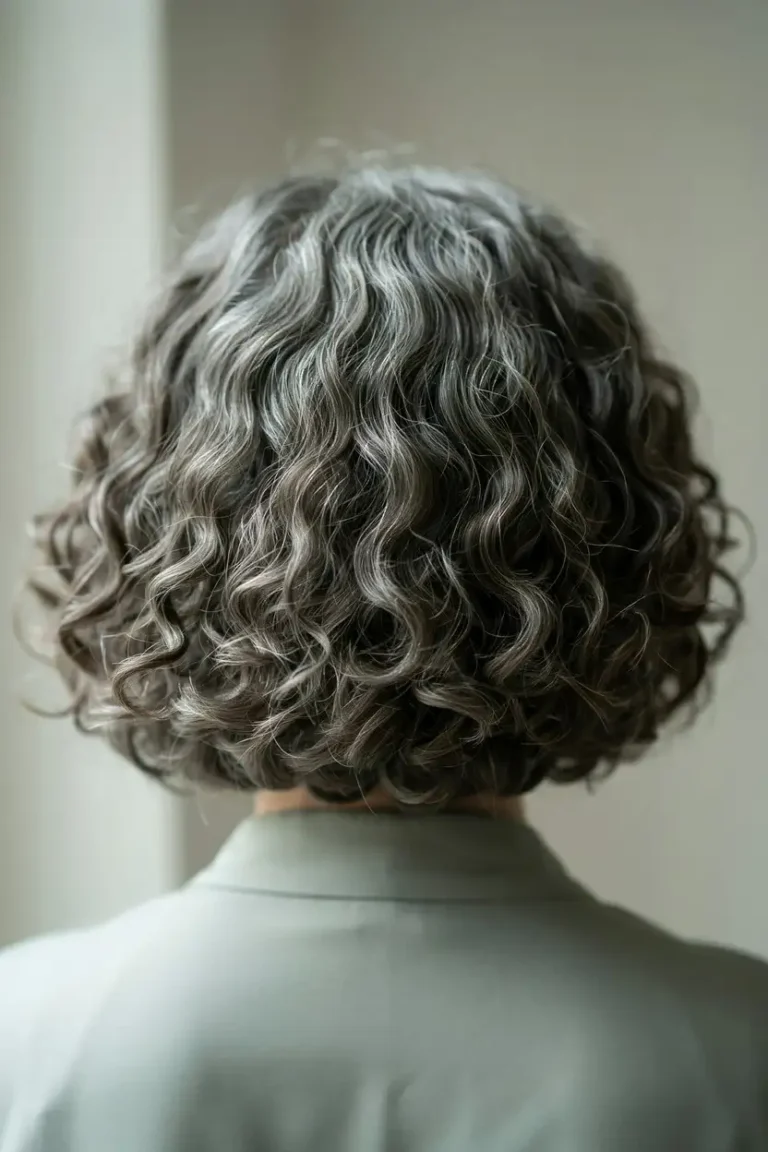
25 Short Hairstyles for Women Over 50 That Feel Like New Again
The short hairstyles for women over 50 that actually hold up are chosen for what they do to texture and proportion, not for what they are imagined to subtract, and that distinction is the whole of getting this right. Hair changes with the years, tending to grow finer in density and sometimes coarser in each strand, and a cut that worked at thirty can start working against you for reasons that have nothing to do with style and everything to do with physics. I cut my own hair short twice during my transition, once because it helped and once out of panic, and the difference between those two experiences is the difference between a cut chosen for your hair and one chosen for a feeling. Every cut below is described by what it does, what it asks in upkeep, and what texture it suits, because that is the information that lets you choose well.
Choosing Short Hairstyles: How to Read This List
Five families do most of the work in short hair, and they differ mainly in what they ask of your texture and your time each morning. The table places them side by side so you can see the trade before you commit, and the trim cadence column is the one to read twice, because the shape lives only as long as the trims do.
| Family | Trim cadence | Daily styling | Suited to |
|---|---|---|---|
| Pixies | Every 4 to 5 weeks | 5 to 10 minutes | Fine to medium texture |
| Bobs | Every 6 to 8 weeks | 5 to 15 minutes | Most textures |
| Crops | Every 3 to 5 weeks | Under 5 minutes | Wiry or coarse grey |
| Layered shags | Every 6 to 8 weeks | 5 to 10 minutes | Thick or wavy hair |
| Soft textured | Every 6 to 8 weeks | Wash and go | Low-maintenance preference |
The Pixies

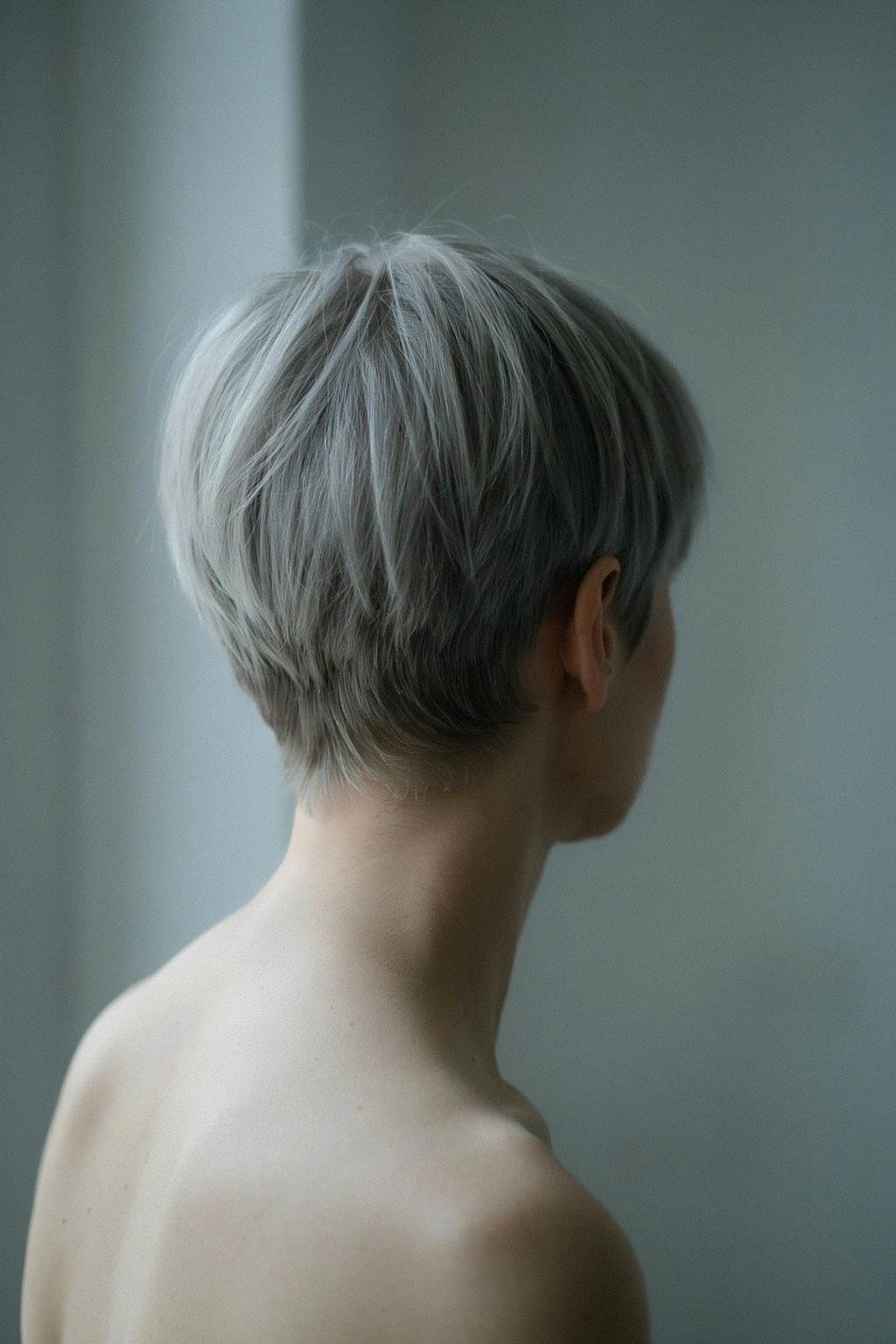
Pixies are the shortest family here and the most dependent on the trim schedule, because the shape is the whole point and it blurs fastest. They suit fine to medium textures best, and the differences between them are mostly about where the length is left. These five cover the range from soft to cropped.
The Soft Pixie
Left longer on top and tapered close at the sides, this is the pixie that reads as a haircut rather than a crop, and it suits fine to medium texture with some movement. It needs a trim every 4 to 5 weeks to keep the sides clean, and about five minutes in the morning with a small amount of paste to direct the top.
The Fringed Pixie
A fuller fringe falling across the forehead softens the face and gives the cut a place to live, and it works especially well for hair that grows forward at the front. The fringe needs attention every 4 weeks or it loses its line, though the rest of the cut can stretch a little longer between visits.
The Textured Pixie for Wiry Grey
Grey hair tends to grow wirier, and this cut is built to use that instead of fight it, with point-cut ends that let the coarser strands sit as texture rather than stick out. It asks for a trim every 4 to 5 weeks and almost no product, because the texture is the point. Where many cuts try to flatten wiry hair, this one is cut to the grain of it.
The Side-Swept Pixie
Volume is built up at the crown and swept across, which adds height where it flatters and keeps the sides close, and the asymmetry gives a round face more to look at. It needs the crown re-cut every 4 to 5 weeks to hold the lift, and a few minutes with a round brush to set the direction. On finer hair that lies flat, this is the pixie that creates the body the texture will not supply on its own.
The Longer-Nape Pixie
Leaving a little length at the nape makes this pixie grow out more politely than most, which matters if you are unsure how short you want to go. The top is kept cropped and the back is left soft, so the shape stays intentional even as it lengthens between trims every 5 to 6 weeks.
The Bobs
Bobs sit at the jaw and read as deliberate, which is why they survive trends so well. They suit more textures than any other short family, because the length can be blunt, layered, or angled to the hair. These five cover the versions that come up most often.
The French Bob
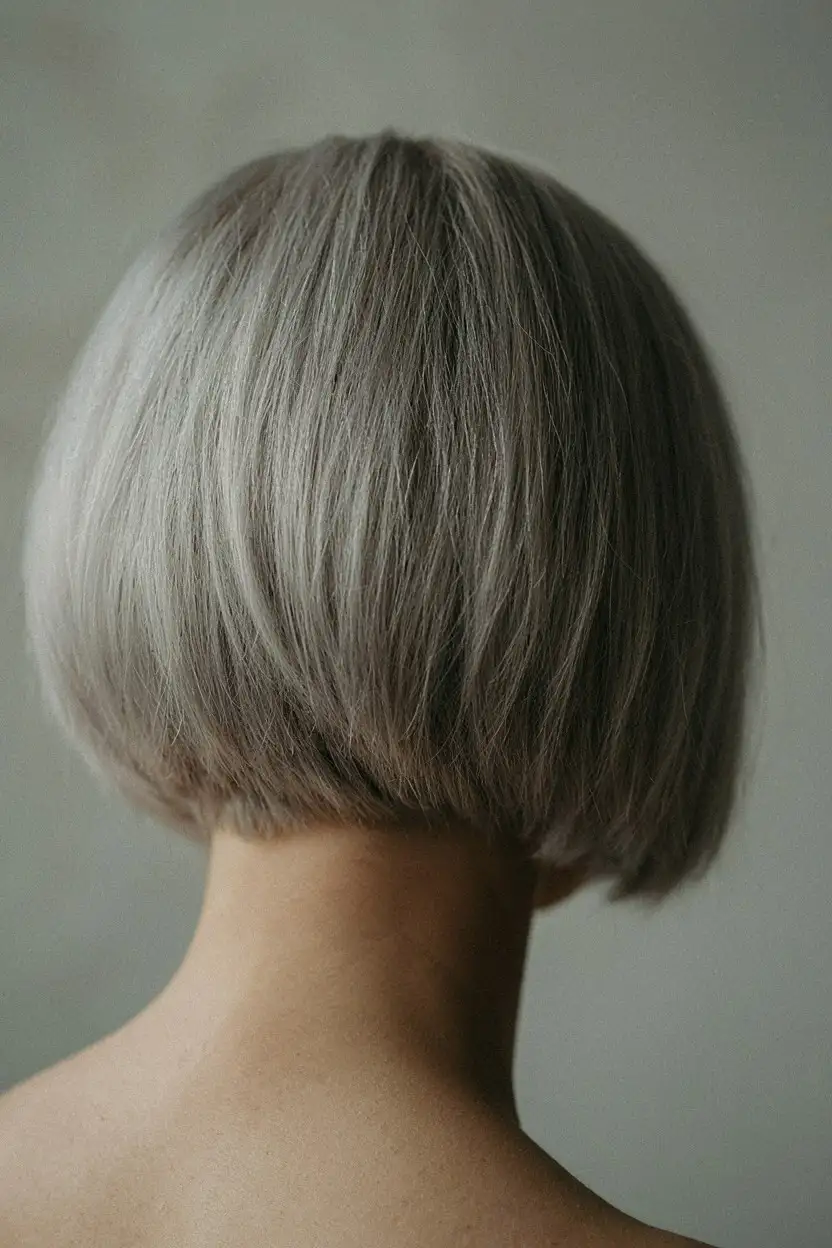
Cut at the jaw with a slight inward curve and worn with or without a fringe, this is the bob that reads as decided, and it suits straight to slightly wavy hair that can hold a line. It needs a trim every 6 to 8 weeks to keep the edge sharp, and it styles in a few minutes with a brush or a flat iron on the ends.
The Blunt Bob for Fine Hair
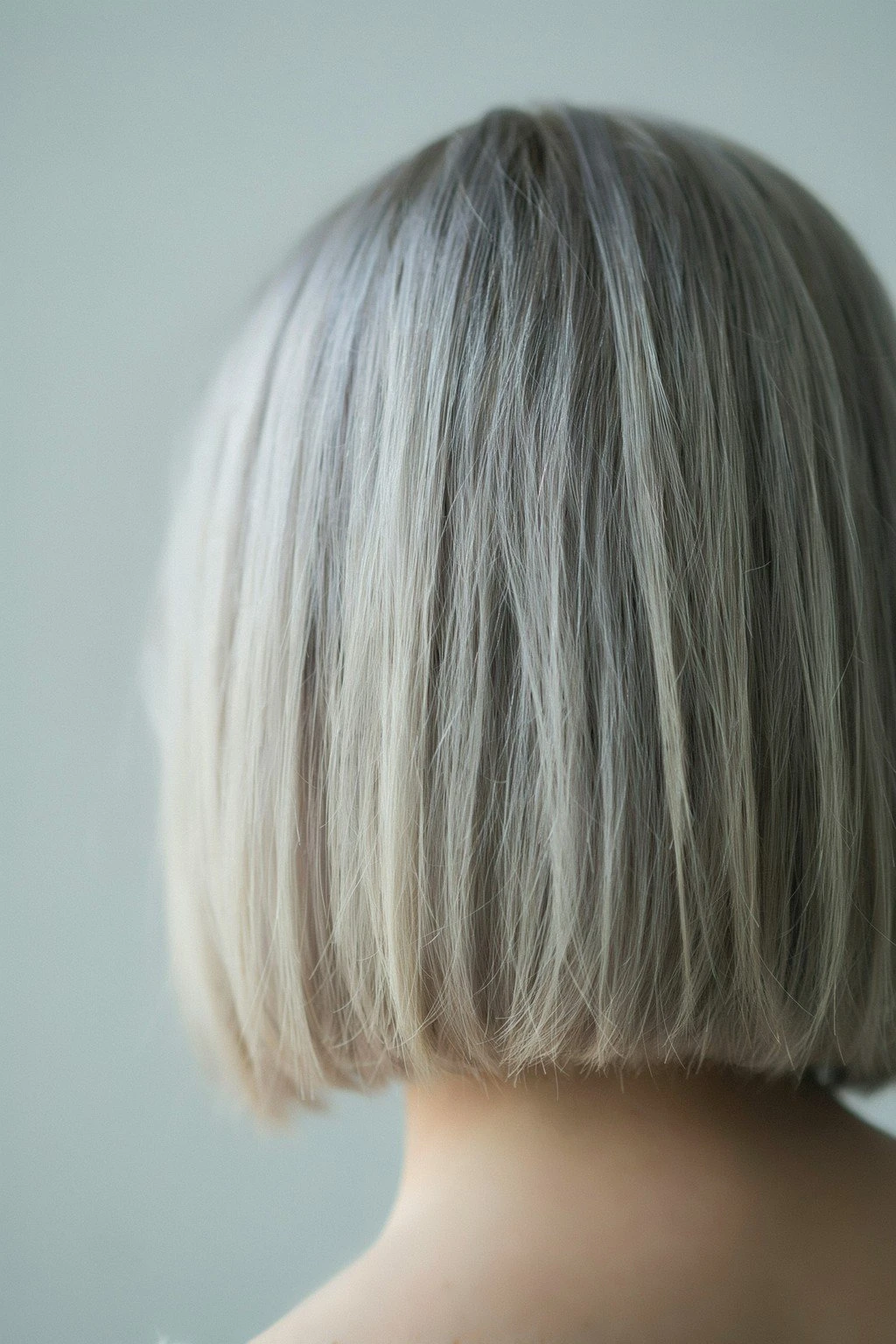
A single clean edge with no layers is what makes fine hair read as thicker, because every strand ends in the same place and the perimeter looks dense. It is cut at the chin or just below, trims every 6 to 8 weeks, and styles quickly since there is no layering to arrange. For hair that has thinned with the years, this is the cut that gives back the most visible fullness.
The Layered Bob
Layers through the interior take the weight out of thick or coarse hair without losing the bob shape, which is the problem most thick-haired people hit when they go short. The outline stays at the jaw while the inside moves, and it trims every 6 to 8 weeks.
The Angled Bob
Shorter in the back and longer toward the face, the angled line moves the eye forward, and it suits most textures because the length at the front stays workable. It needs the back re-cut every 6 weeks to hold the angle, and the front can go a little longer.
The Bob With Curtain Bangs
Adding a soft, parted fringe to a chin-length bob frames the face without committing to a full fringe, and the two pieces can be tucked away on the days you want them gone. The bob trims every 6 to 8 weeks and the curtain pieces grow out without a hard stage.
The Crops
Crops are the practical family, close to the head and built for mornings with no time in them. They suit wiry and coarse grey especially well, because there is very little length to misbehave. These five run the range from buzzed to set.
The Buzz Crop
Taken close all over, this is the shortest option on the list and the one with the least to manage, and it suits wiry or coarse grey hair that would otherwise need constant direction. It needs a tidy-up every 3 to 4 weeks at the nape and around the ears, and it styles in no time at all.
The Tapered Crop
A step up from the buzz, this leaves enough length on top to show texture while the sides and nape are tapered clean, and it reads as groomed rather than severe. Trims every 3 to 5 weeks keep the taper sharp, and a little paste in the morning is the whole routine.
The Crop With Volume at the Crown
Kept close at the sides and built up at the crown, this crop adds height where it is most useful and keeps the silhouette narrow, which suits a round face. It needs the crown re-cut every 4 weeks to hold the lift, and it styles with a small amount of product worked into the roots. The height at the crown is what makes the whole cut, so that is the part worth maintaining.
The Salt-and-Pepper Crop
Cut to show the mix of grey and remaining color rather than hide it, this crop treats the two tones as the point, and it reads especially well when the grey is past roughly half. It trims every 4 to 5 weeks and needs nothing but a clean line. For anyone in a transition who wants to stop coloring without growing out, this is the cut that lets the mixture be the style.
The Finger-Wave Crop
Set into soft waves close to the head, this crop has the polish of a set style with the practicality of short hair, and it suits hair with some natural wave or body. The cut itself trims every 4 to 5 weeks, and the wave pattern takes a few minutes with a light gel to reset after washing. It is the dressed-up option of the family.
Layered and Shag

Layers are how short hair keeps movement, and they are the answer for anyone whose hair has weight or wave. The family suits thick textures best, where removing bulk is half the job. These five cover the layered range from shag to feathered.
The Soft Shag
Layers of different lengths stacked to create movement make the soft shag the cut for hair that has body and wants to use it, and it suits wavy or thick textures that read flat in one-length cuts. It trims every 6 to 8 weeks and styles with a scrunch of product rather than a brush.
The Layered Cut for Thick Hair
Strategic layers remove the bulk that makes thick hair feel like too much hair, without taking the length that gives it shape, and this is the cut that makes going short possible for people with density. It trims every 6 to 8 weeks, and the layering means it dries into a shape rather than a mass. It is the version built for hair that has always been a lot.
The Face-Framing Layers
Shorter layers cut around the cheekbones and jaw draw the eye to the center of the face, and the rest of the hair can stay simple, which makes this a focused way to add interest. The framing pieces need a trim every 6 weeks to keep their line, and they style in a couple of minutes with a brush. The work happens at the front and asks very little everywhere else.
The Feathered Layers
Layers cut to feather outward rather than sit flat give fine or medium hair a softness and lift that one-length cuts cannot supply, and the effect is gentle rather than dramatic. It trims every 6 to 8 weeks and styles with a light touch and a little air at the roots.
The Long-Layered Short Cut
Shorter at the back and through the sides but left longer on top, this cut grows out cleanly because there is no hard line to outgrow, and it suits anyone who wants short without the full commitment of a pixie. It trims every 6 weeks and can be restyled several ways as it lengthens. It is the transitional cut, and it earns its place for exactly that.
Soft and Textured Short Hairstyles

This group is built around one promise, which is that the cut does the work. Each of these is shaped so the hair can air-dry into its own pattern and still read as a style. They are the family to choose when the morning minutes are the constraint.
The Wash-and-Go Crop
Cut to the natural fall of the hair and left to air-dry into its own pattern, this is the cut for the person who wants to spend no time at all, and it suits hair with some natural wave or texture. It trims every 6 weeks to keep the outline, and it styles in the time it takes to towel-dry.
The Textured Bob for Coarse Hair
A bob cut with texture rather than a hard edge suits coarse or wiry hair that would fight a blunt line, and the softness of the finish works with the grain of the strand. It trims every 6 to 8 weeks and styles with a little product to define the texture rather than smooth it. Where a blunt bob would stand away from coarse hair, this one sits with it.
The Soft Rounded Cut
Shaped into a gentle curve around the head with no hard angles, this is the classic short cut that reads as neat and calm, and it suits straight to slightly wavy hair that can hold a rounded line. It trims every 6 weeks to keep the curve, and it styles simply because there is nothing sharp to place. It is the quiet option, and it carries more presence than it sounds.
The Piecey Crop
Cut in separate, defined pieces rather than as one mass, this crop is styled with a little paste worked through the ends to separate them, and it suits hair with some thickness to hold the pieces. It trims every 4 to 5 weeks, and the styling is about five minutes of pinching the pieces into place.
The Grown-Out Hybrid
Partway between a pixie and a bob, this is the shape your hair passes through as one becomes the other, and cutting it intentionally turns an awkward phase into a style. It trims every 6 weeks to keep the proportions right while it lengthens, and it can be pushed behind the ears or textured depending on the day.
Nine years of watching this particular decision has settled one belief for me past any doubt. A short haircut is never flattering or unflattering because of the age of the person wearing it, because age is not a shape. The only things a cut answers to are texture, density, and proportion, and the women who love their short hair are the ones who chose it for those three things instead of against a number.
Age is not a shape. Texture is a shape, and it is the one a cut answers to.
Choosing a Short Hairstyle Well
The cut that works matches three things you can name honestly: the texture your hair actually is right now, the amount of time you will genuinely give it each morning, and the trim cadence you will keep. Bring a photograph if it helps, but bring your real texture and your real week with it, because those are what the cut has to live inside.
- Name your actual texture, not the one you used to have
- Say how many minutes you will spend on it, honestly
- Ask what the trim cadence is and whether you will keep it
- Ask how the cut grows out, not just how it looks fresh
- Tell the cutter whether your hair is colored or grey
That last one matters more than it sounds. Grey hair and colored hair behave differently under a scissor, because grey tends to be wirier and more porous, and a cutter who knows what they are working with will cut to it. The right short cut is not the one that is easiest to describe; it is the one your hair can hold without a fight.
Frequently Asked Questions
How short should I go first?
Shorter than you think you want but longer than you fear, which usually means a bob or a longer-nape pixie rather than a crop, because both leave enough length that the change feels chosen instead of abrupt. You can always go shorter at the next appointment, and you cannot uncut it, so the direction of travel matters. Starting moderate keeps every option open.
Do short hairstyles make fine hair look fuller?
They usually do, because shorter lengths carry less weight and a blunt edge reads as denser than feathered ends, which is why blunt bobs and soft pixies are the go-to cuts for hair that has thinned. Layers can help too, but only the right kind, because over-layering fine hair removes the very density you are trying to keep. Conserving fullness is a specific thing to ask for.
How often do short hairstyles need trimming?
Every 3 to 5 weeks for crops, which hold their shape only while the lines are clean, and every 4 to 8 weeks for pixies and bobs depending on how precise the shape is. The cadence is part of the cost of a short cut and worth pricing in before you choose, because a shape you do not maintain reads worse than a simpler shape you do. If the schedule is more than you will keep, choose a family with a longer one.
Does short hair work with grey or silver hair?
It works especially well, because short cuts show the color cleanly and the two tend to suit each other, which is why so many transitions end in a short cut. Wiry grey in particular often behaves better short, where its texture reads as intention rather than frizz. Planning the cut and the color in the same conversation usually produces the better result.
What if my hair is wavy or curly?
Then the cut should be made for the wave rather than against it, which means layers that let the pattern move and a length that does not pull it flat, and the curly shag and textured bob above are the places to start. Cutting wavy hair as though it were straight is the most common way to end up fighting it every morning. Ask for the cut to be made to your pattern, because that single instruction changes the outcome.
The Cut Is a Decision About Weight
Whatever you choose from these, choose it for the hair you actually have and the week you actually live, because that is where the cut has to work. The shape that matches your texture and your time is the one that will still look right in six months, and that is the only test worth applying. When the cut is settled, the small routine that keeps short hair and its color in good shape is the natural next step.
If you are deciding between two of these cuts and want a second opinion, ask in the comments below with your texture and how much time you will give it. — Nora