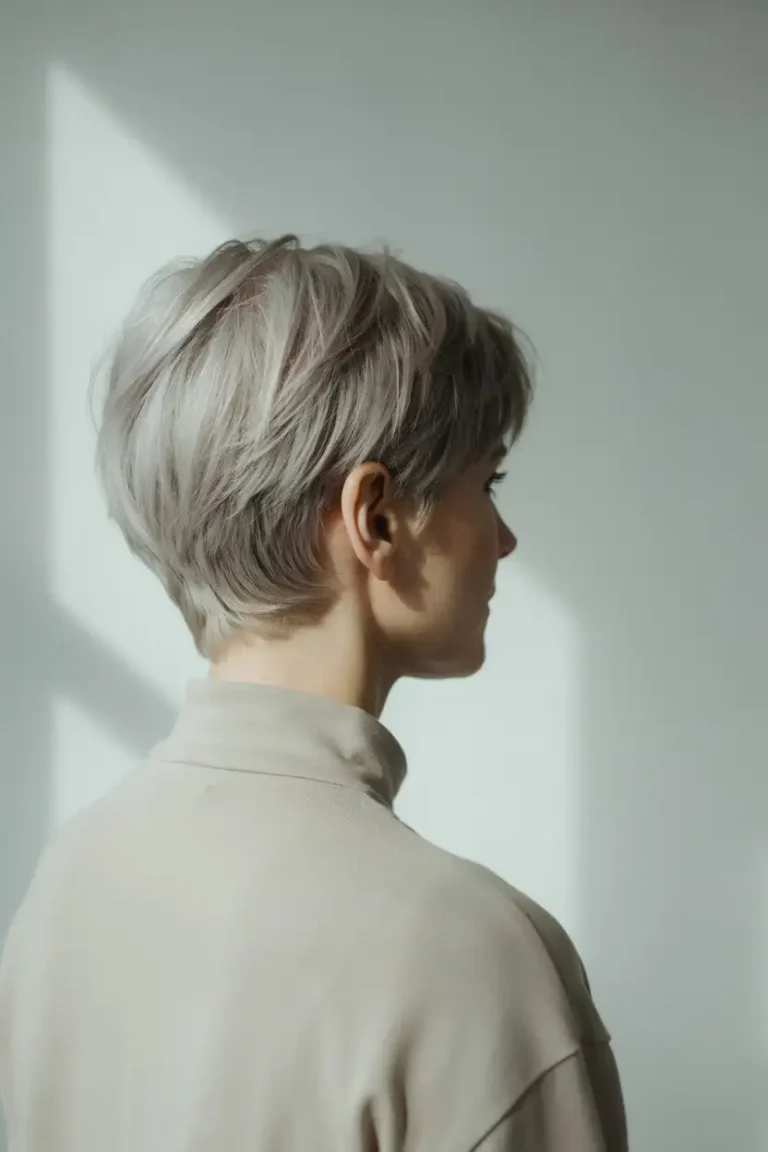
Silver Hair Maintenance: What It Actually Takes
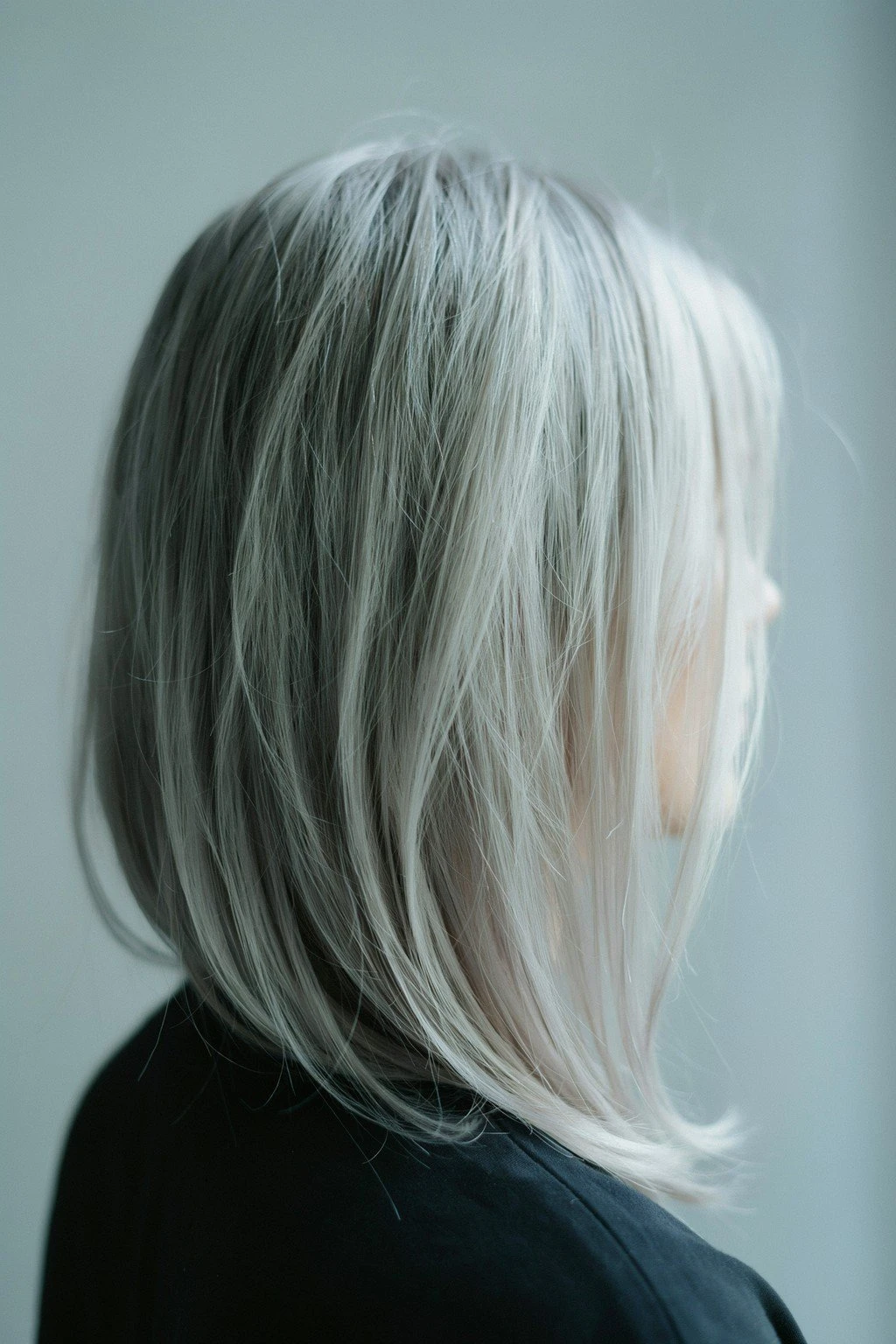
Silver hair maintenance is the part of the journey people budget least for, which is strange, because it is the part that lasts the longest. The transition ends and the silver stays, and what keeps it looking like silver rather than faded yellow is a routine measured in weeks, not appointments: a toning wash used sparingly, a gloss visit every 8 to 12 weeks at $50 to $90, and care built for hair whose texture changed when the pigment left it. I have worn mine for about seven years now, and the honest summary is that maintenance is real but small, and the damage done to silver is almost always done at home by people trying too hard. This is the cadence, the yellowing, and the trap to avoid.
Why Silver Hair Behaves Differently
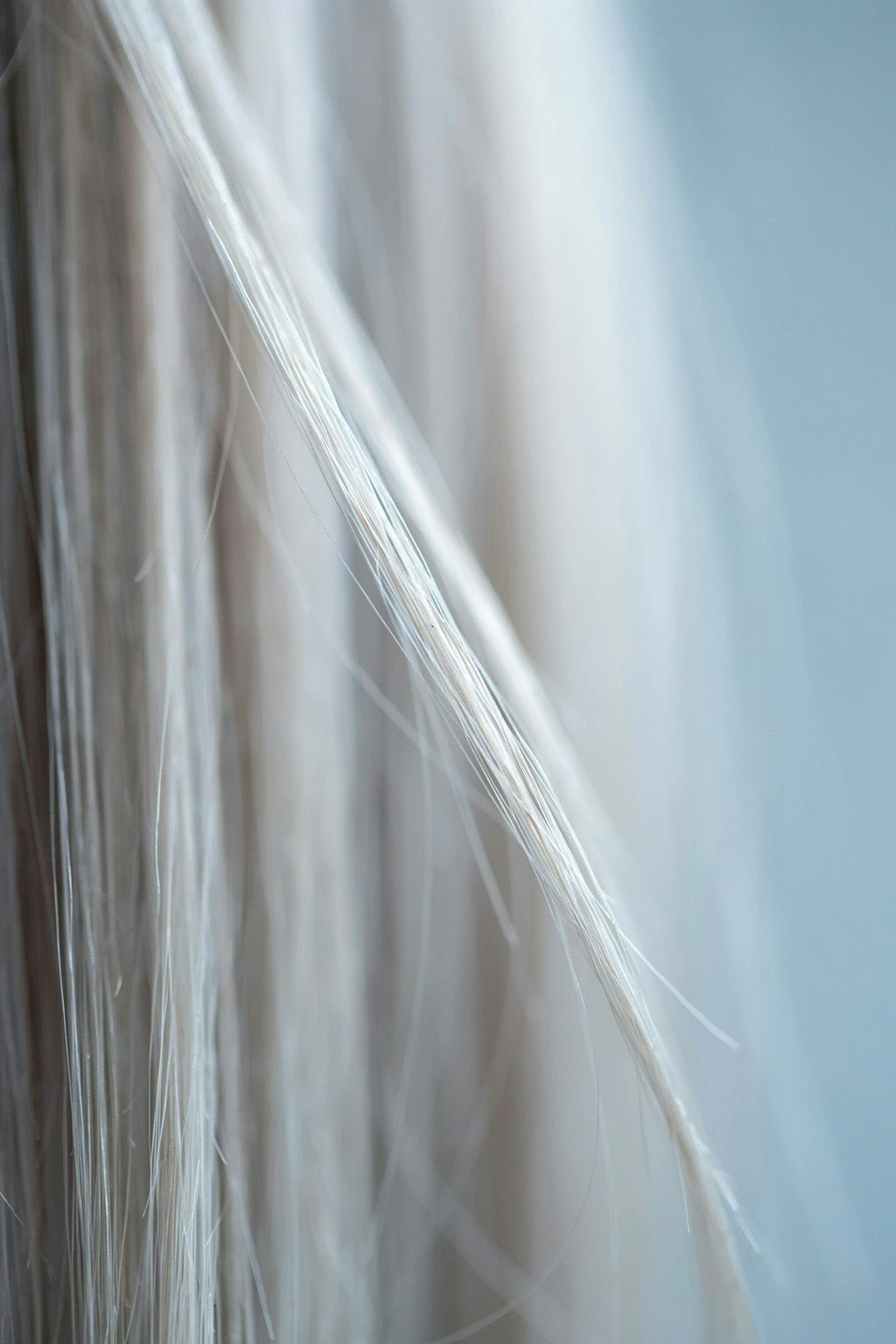
The first thing to understand is that silver is not your old hair minus the color. Hair that has stopped producing pigment changes structurally: it tends to grow in coarser and wirier, it is more porous, and its relationship to shine and to tone is different from pigmented hair. That is why a routine that worked for thirty years can start failing without anything in it changing, and why generic advice written for colored hair so often disappoints this reader. The texture is not damage and does not need fixing. It needs different handling.
The practical consequences are three. Coarser hair reflects light differently, which is why silver can read dull when it is actually healthy. Porous hair takes tone quickly and loses it quickly, which is why toning works fast and fades fast on silver. Finally, wiry hair resists the weight of heavy products, which is why the rich mask that once made your hair soft can now make it look flat. Each of those has a simple adjustment behind it, and together they are most of what maintenance actually is.
The Toning Cadence
Silver is a tone, and like every tone it drifts, which is the whole reason a cadence exists. The goal is not to strip color but to keep the drift from reading as yellow, and the tools are a toning wash and an occasional gloss, used at a rhythm rather than on impulse. The rhythm that holds for most silver is a toning wash no more than once a week, and a gloss or toning visit every 8 to 12 weeks at $50 to $90 depending on region and salon tier.
| What yellows silver | What it does | The fix |
|---|---|---|
| Minerals in hard water | Buildup that reads warm and dull | A clarifying wash monthly, then re-tone |
| Sun and heat styling | Oxidizes the tone toward yellow | Less heat, and a gloss when it shows |
| Products with warm oils or residue | Coat the strand in a warm film | Lighter products, cleaner rinses |
| Time between toning visits | Natural drift as the tone fades | The 8-to-12-week gloss cadence |
Where a toner or gloss is new to your skin, a patch test comes first, the same as anywhere else color is applied. The cadence above is for maintaining silver that is already there. It is not a path to silver for hair that still has its pigment, which is a lift and belongs to the transition conversation instead.
One distinction inside the cadence is worth knowing, because the washes are not interchangeable. Purple cancels yellow, which is what bright and pale silvers drift toward, and it is the wash most people mean when they say toning shampoo. Blue cancels orange, and it earns its place on deeper silvers that still carry some warmth, where purple would do very little. Using the wrong one is harmless but pointless, and using the right one too often is how the over-toning arc begins. If you are not sure which drift your silver has, a single gloss visit answers the question and sets the rhythm for the months after it.
Over-Toning Is the Most Common Self-Inflicted Problem
The failure mode in this category is not neglect, which surprises people. It is over-toning, and it is almost always done at home with a purple or blue wash used more often than the hair needs. These washes deposit pigment to cancel yellow, and used once a week they do exactly that. Used two or three times a week, or left on too long, they keep depositing, and silver moves from bright to lilac to a flat blue-grey that photographs as dull rather than clean. I have watched that arc happen to heads I was maintaining, and the fix is always the same: stop the toning wash, let it fade, and start again at a rhythm instead of a reaction.
Nine years of silver maintenance has settled one belief for me past any doubt. The heads that look worst in this category are almost never the ones doing too little. They are the ones doing too much, usually with the same purple bottle, usually out of the fear that any warmth at all means failure. Silver does not have to be drained of every warm note to read as intentional. It has to be clean.
The most common silver mistake is not neglect. It is the purple bottle used twice too often.
Texture, Shine, and the Daily Routine
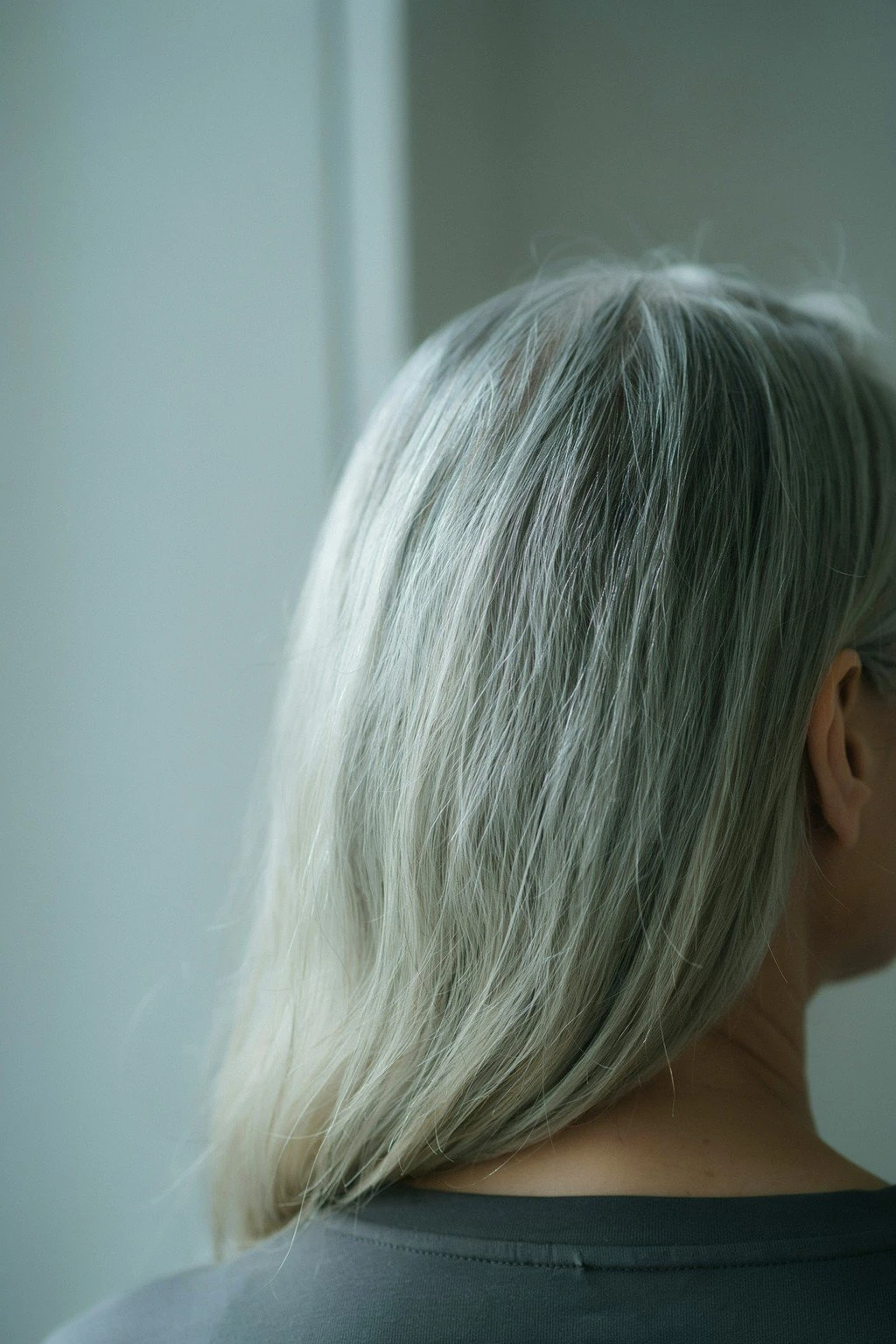
The daily side of maintenance is smaller than the toning side and matters just as much, because silver shows condition the way a light fabric shows a stain. The adjustments that do the most are these. Wash less rather than more, because porous silver dries out fast and every wash takes a little of the tone with it. Use lighter products than the ones that worked before, because heavy oils and masks sit on wiry hair instead of sinking in, and flat silver reads as dull silver. Keep moisture where it belongs, in a light leave-in through the mid-lengths rather than a mask at the root. Hold heat styling to the lower settings when you use it at all, because silver shows heat damage as dryness faster than pigmented hair does.
When my own hair went wiry a couple of years into wearing it silver, I assumed something was wrong and spent a season adding products until a simpler routine, with less in it, made the texture look deliberate instead of distressed. That is the pattern. Silver usually wants subtraction before it wants anything else.
When Silver Needs a Colorist
Most maintenance lives at home, but three situations belong in a chair. The first is yellowing that the toning wash no longer touches, which usually means buildup or a tone that has drifted past what a wash can correct, and a professional gloss resets it in one visit. The second is a change in the silver itself, uneven tone or patches that were not there before, which is worth a look because the causes range from mineral buildup to medication to health. The third is any new direction, taking the silver warmer, cooler, or shorter in a way that changes how it needs to be kept.
One routing note belongs here as well. If thinning or shedding arrives alongside the maintenance questions, that is not a silver problem and no toning routine addresses it. That conversation belongs with a dermatologist, and the sooner it happens the better the answers tend to be. Silver and thinning coincide often enough that people assume one causes the other, and neither does.
Frequently Asked Questions
How often should silver hair be toned?
For most silver, a toning wash no more than once a week at home and a gloss or toning visit every 8 to 12 weeks at $50 to $90. The exact rhythm depends on how fast your tone drifts and how much yellow you are willing to see before correcting it, and both are preferences rather than rules. What matters more than the interval is not exceeding it in the other direction, because over-toning damages the look faster than under-toning does. Start at once a week and adjust slowly.
Why does silver hair turn yellow?
Silver has no pigment of its own, so what you are seeing is the tone on top of it, and that tone drifts toward yellow as it fades and as the environment works on it. Minerals in hard water, sun, heat styling, and residue from warm or heavy products all push it the same direction. None of it is permanent, and all of it is what the toning cadence is for. Yellowing is not a sign the silver has failed; it is the reason the cadence exists.
Can I use purple shampoo every time I wash?
You should not, and this is the most common mistake in the whole category. Purple and blue washes deposit pigment, and used every wash they keep depositing until the silver reads lilac or flat blue-grey instead of clean. Once a week is the ceiling for most silver, less if your tone holds well. If your hair has already gone cool and dull from overuse, the fix is to stop the wash and let it fade, then resume at a rhythm rather than a reaction.
Does silver hair need different products?
Different weights rather than different categories, because silver tends to be coarser, wirier, and more porous than pigmented hair. It wants lighter products that sink in rather than sit on it, more attention to moisture in the mid-lengths, and less heat. The mask that once made your hair soft may now make it flat, and the rich oil that once added shine may now read as residue. The adjustment is usually subtraction, and it costs nothing.
Why does my silver look dull when it is clean?
Usually because something is sitting on it rather than in it, and the two common causes are mineral buildup from hard water and residue from products too heavy for the hair. Silver shows both as dullness rather than discoloration, which is why it reads as the hair being tired when it is only coated. A clarifying wash once a month removes the minerals, lighter products stop the residue, and the tone underneath usually comes back without any toning at all. If dullness survives both fixes, that is the moment for the gloss, because the tone itself has faded.
The Cadence Is the Reward
The transition took months and real money, and the maintenance that follows it is the smaller, quieter half of the bargain: a wash used sparingly, a gloss every few months, and products matched to the hair you actually have now. Keep that cadence and the silver keeps looking deliberate, which was the point of all of it. When the tone is holding and the texture is handled, the next conversation is usually the cut, because short is where most silver ends up looking its best.
If your silver is doing something this guide did not cover, ask in the comments below with what it looks like and what you have already tried. — Nora