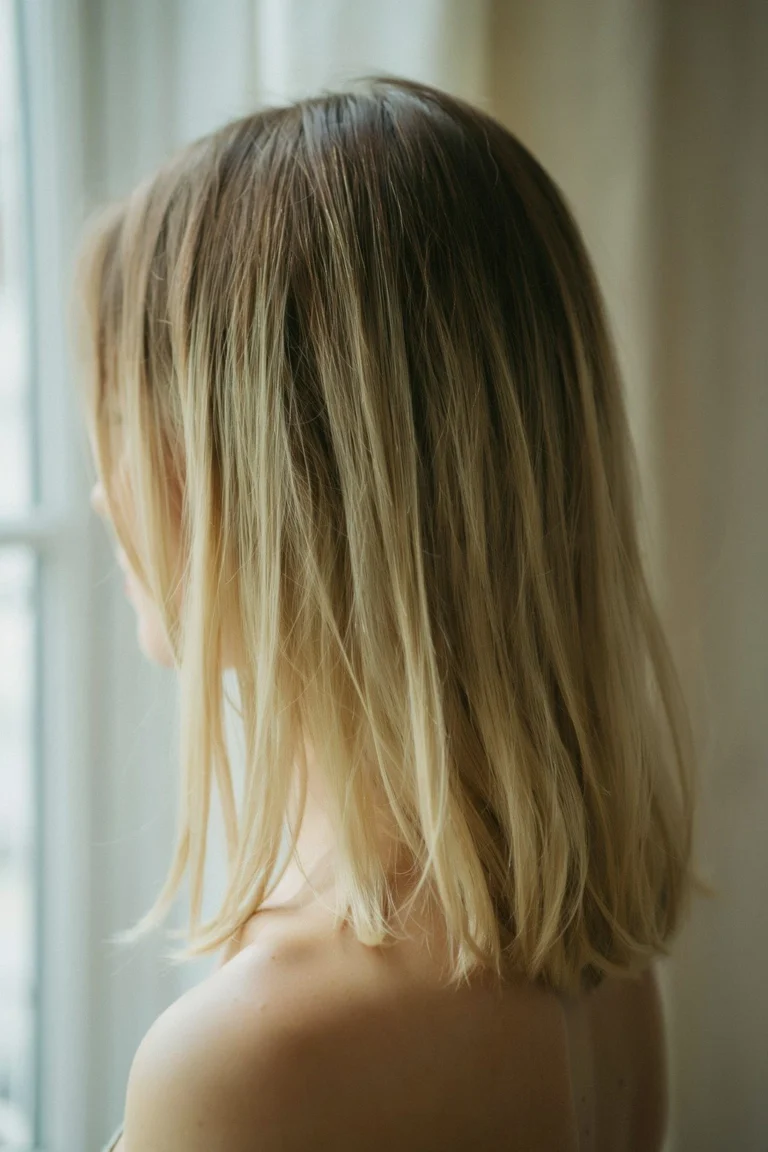
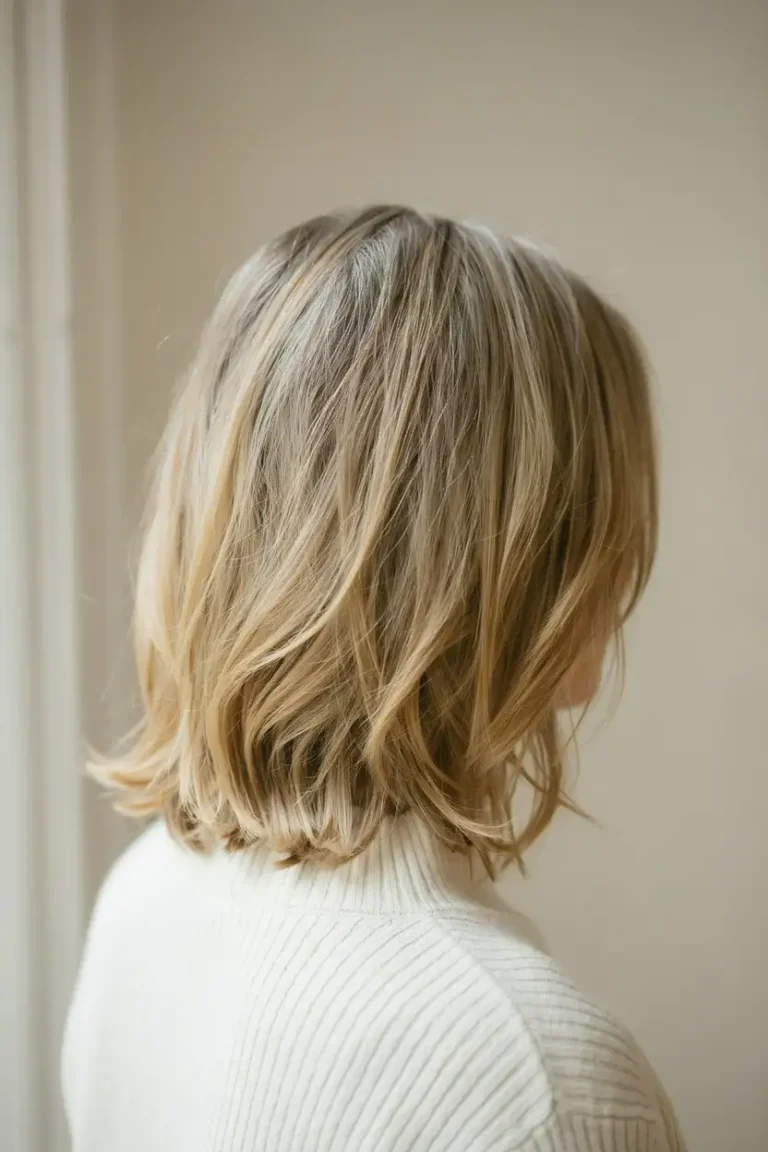
Brown Hair With Blonde Highlights: 30 Blended Looks
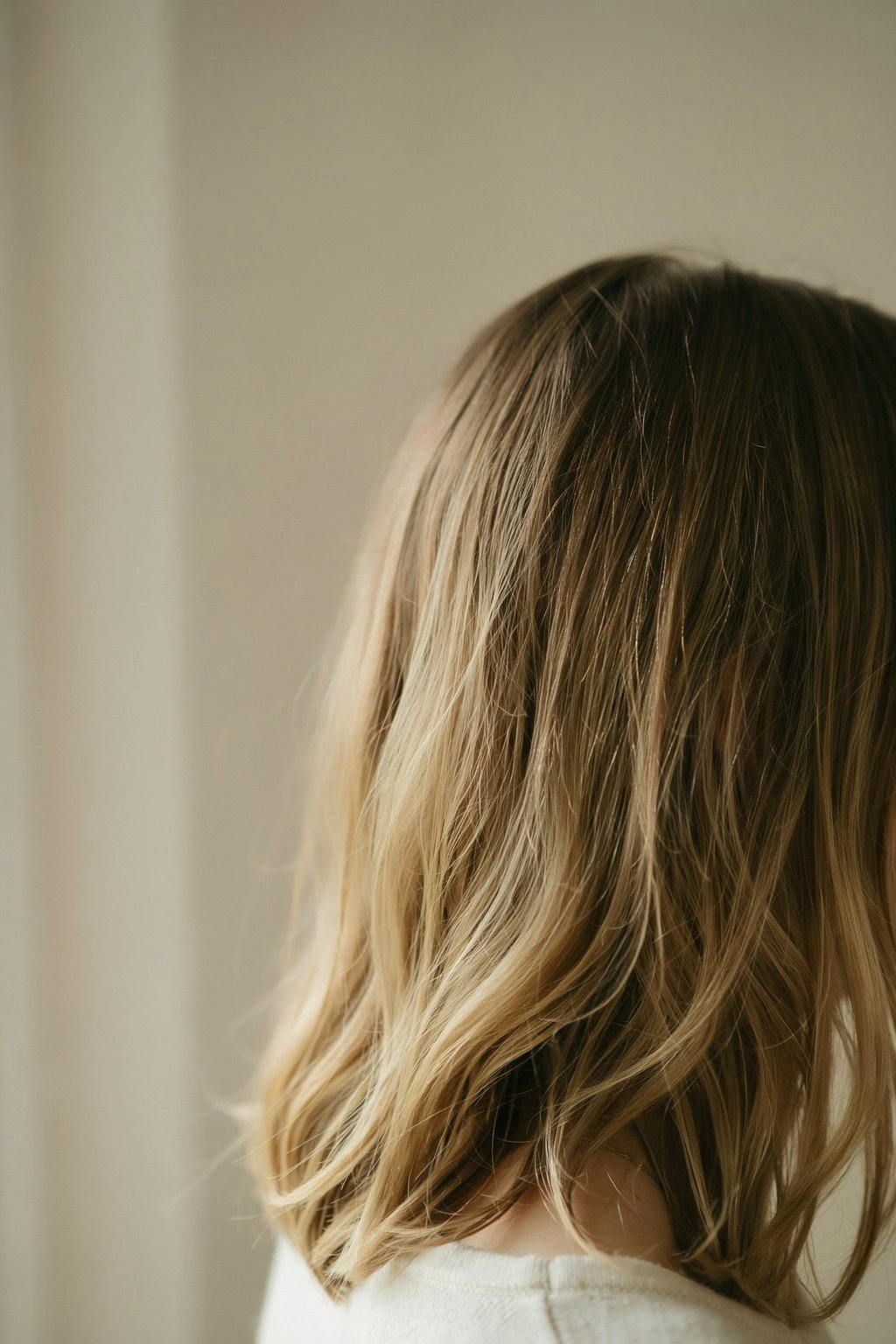
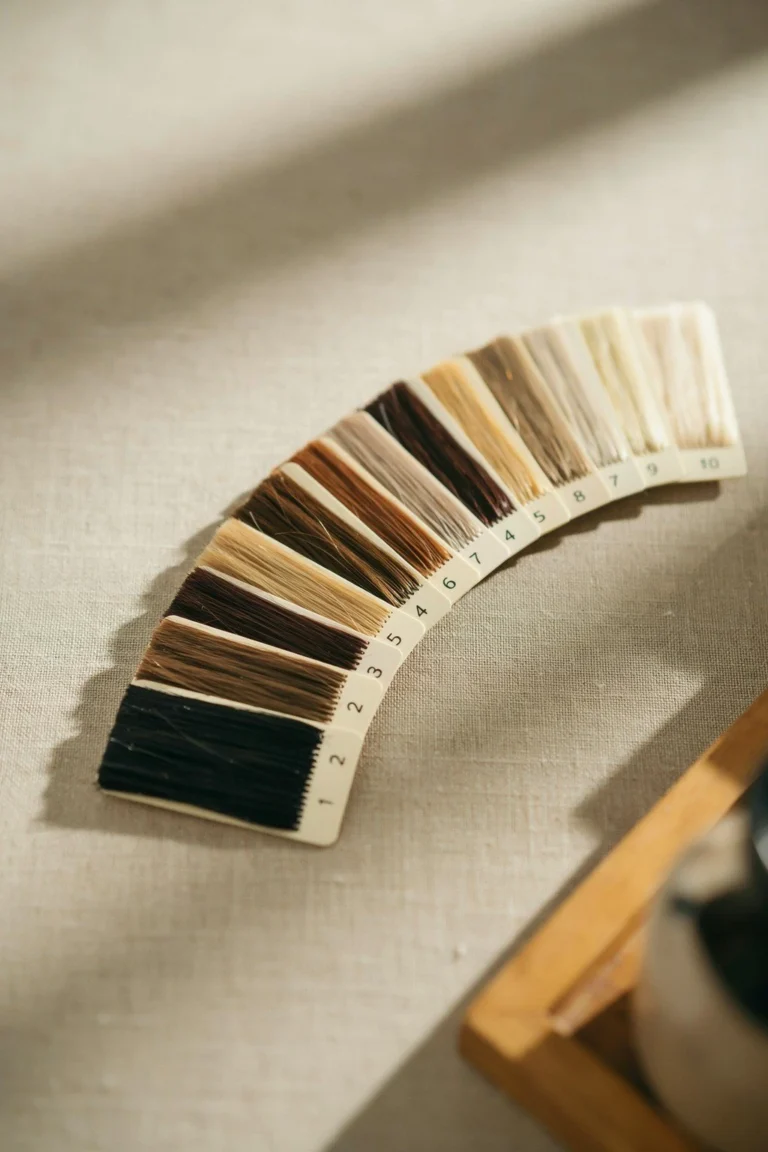
The most common sentence I hear over a swatch book is some version of “I want blonde, but not blonde-blonde,” and what it actually describes is brown hair with blonde highlights — dimension, not a conversion. The whole truth on one line: this look succeeds or fails on contrast, and your starting level decides how much of it you can get. Levels 3 and 4 need real lift and real patience, level 5 is the easiest canvas on the board, and level 6 needs restraint more than lightener. Every entry below names its lift, its tone, and its grow-out clock, because those are the three things a saved photo can never show you.
How Blonde Highlights Read by Base Level
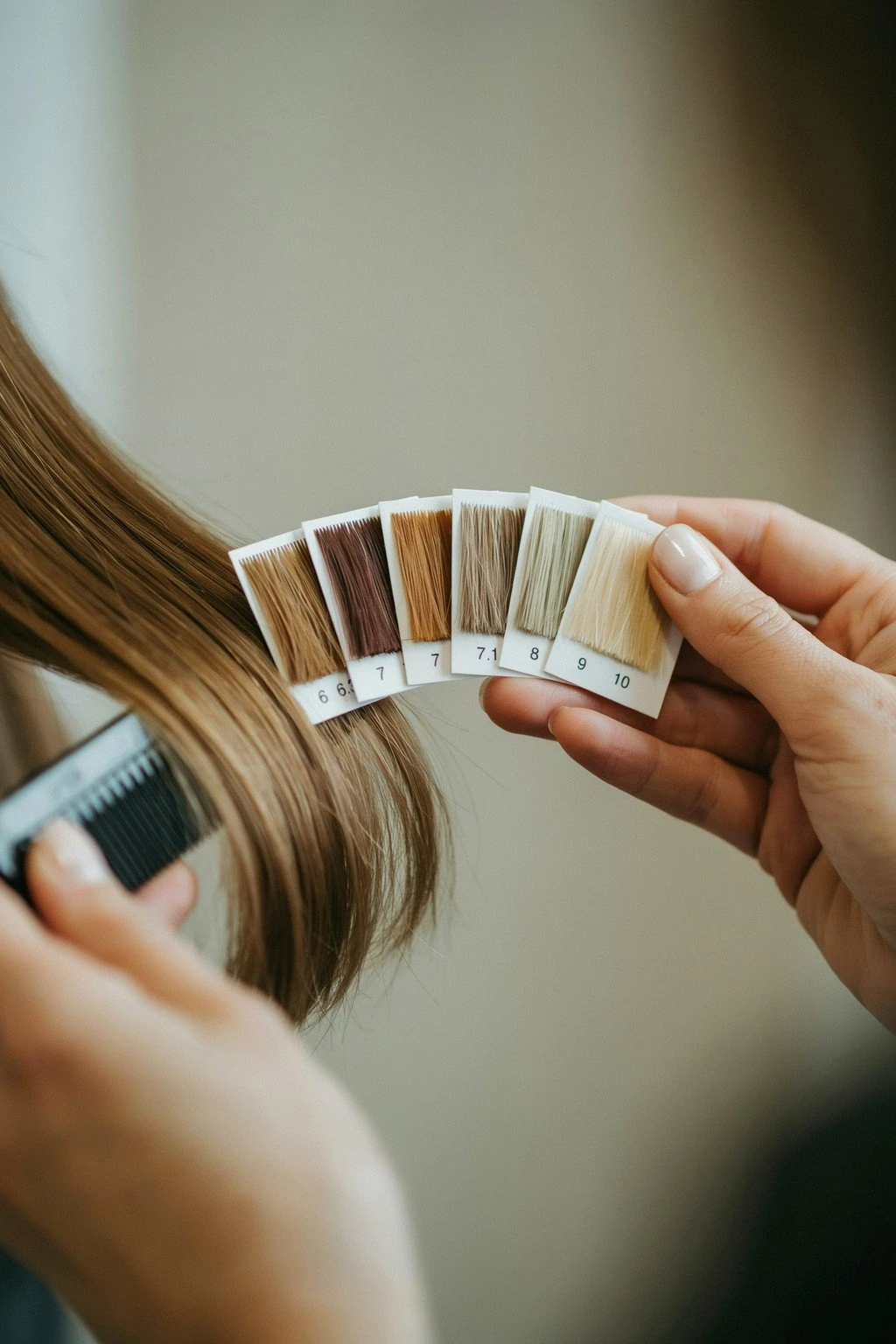
The table below is the whole article on one card. Bands vary by region, salon tier, and hair length, the way they always do.
| Starting level | Realistic blonde | Sessions | Cost band |
|---|---|---|---|
| Level 3 to 4, dark brown | Golden to beige, level 7 to 8 | One to two sessions | $150 to $350, or $300 to $700 across two |
| Level 5, medium brown | Butter to champagne, level 8 to 9 | One session | $150 to $350 |
| Level 6, light brown to dirty blonde | Pale blonde, level 9 to 10 | One session | $150 to $350 |
If you don’t know your starting level yet, find that number before anything else, because it’s the difference between a one-session result and a two-session project.
Two honesty notes before the list:
- If your brown hair is box-dyed or carrying color you can’t fully account for, nothing here gets scheduled before a strand test, because lightener over previously colored hair lifts differently than over virgin hair, sometimes grabbing fast and sometimes refusing to move at all
- If color has never touched your skin before, any new toner or gloss earns a patch test first
Dark Brown Bases: Levels 3 and 4
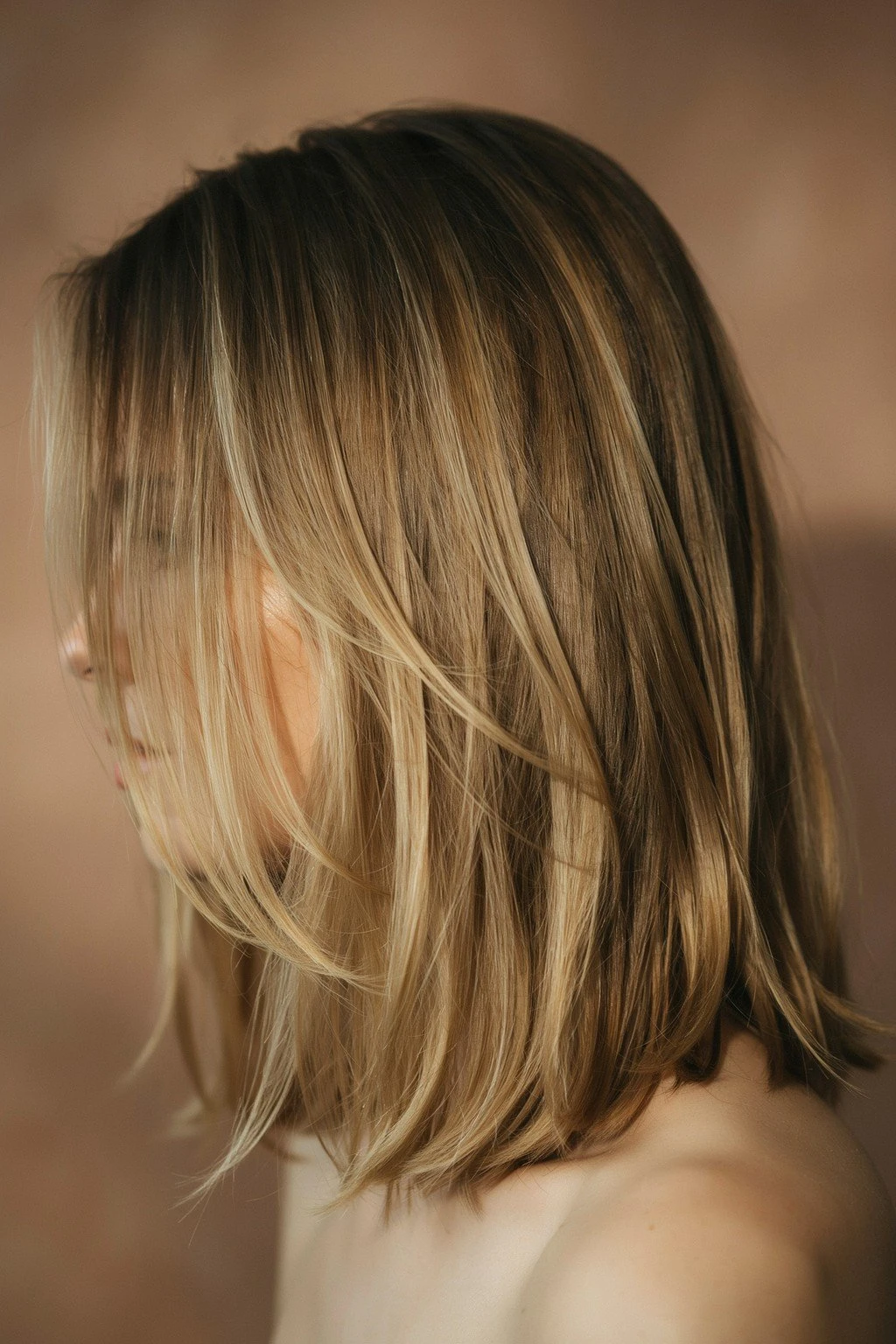
Levels 3 and 4 are where blonde takes the most work and rewards it the most, because the contrast is what makes the look. Expect the orange stage on the way up, and two sessions for anything beyond a face frame, $300 to $700 across the pair, varying by region, salon tier, and length.
Soft Golden Weave on Deep Brown
Pieces woven throughout and lifted to a warm level 7, glossed golden rather than pale, which keeps the result dimensional instead of stark. One session covers a level 4; a level 3 splits it across two appointments four to six weeks apart. The tone refreshes around six to eight weeks, and the full redo lands at three to four months.
Babylights for the Stripe-Wary
Baby-fine sections woven densely, lifted two to three levels, read as natural lightening rather than placed color. Say the word babylights out loud at the consultation, because the section size is the entire difference between this and a stripe. Grow-out stays discreet past five months precisely because there’s no repeating pattern to notice.
Honey-Blonde Face Frame on Level 3
Only the pieces around the face get lifted, to a warm level 7 or 8, glossed honey, which holds its tone through washing better than straight gold. Two sessions at partial pricing, usually $100 to $200 each, and the grow-out shows around the ten-week mark because the contrast sits right beside your skin. The rest of your head stays untouched, which is most of the appeal.
Beige Ribbons on Dark Brunette
Wider ribbons lifted to a level 7 or 8 and toned beige give a cooler, more editorial result on dark brown than golden tones do. Ask for a violet-based gloss if you want the beige to stay beige, since straight gold glosses warm up within weeks at this depth. Two sessions on a level 3 base, with a toner refresh at five to six weeks.
Half-and-Half Bronde Blend
Roughly half the sections get woven and lifted to level 7 while the rest stay your natural brown, which lands the result halfway between brunette and blonde on purpose. The untouched half makes the grow-out the most forgiving in this group, close to five months before the pattern reads as dated. One session on level 4, occasionally two on level 3.
Blonde Ends on Dark Brown
The last several inches lifted to a level 7 read as bold without ever creating a root line, because nothing above the ears is touched. The maintenance plan has a loophole — ends don’t grow out, they get cut, so the exit strategy is a haircut rather than an appointment. One session, and five-plus months before the color needs anything.
Medium Brown: Level 5, the Easy Canvas
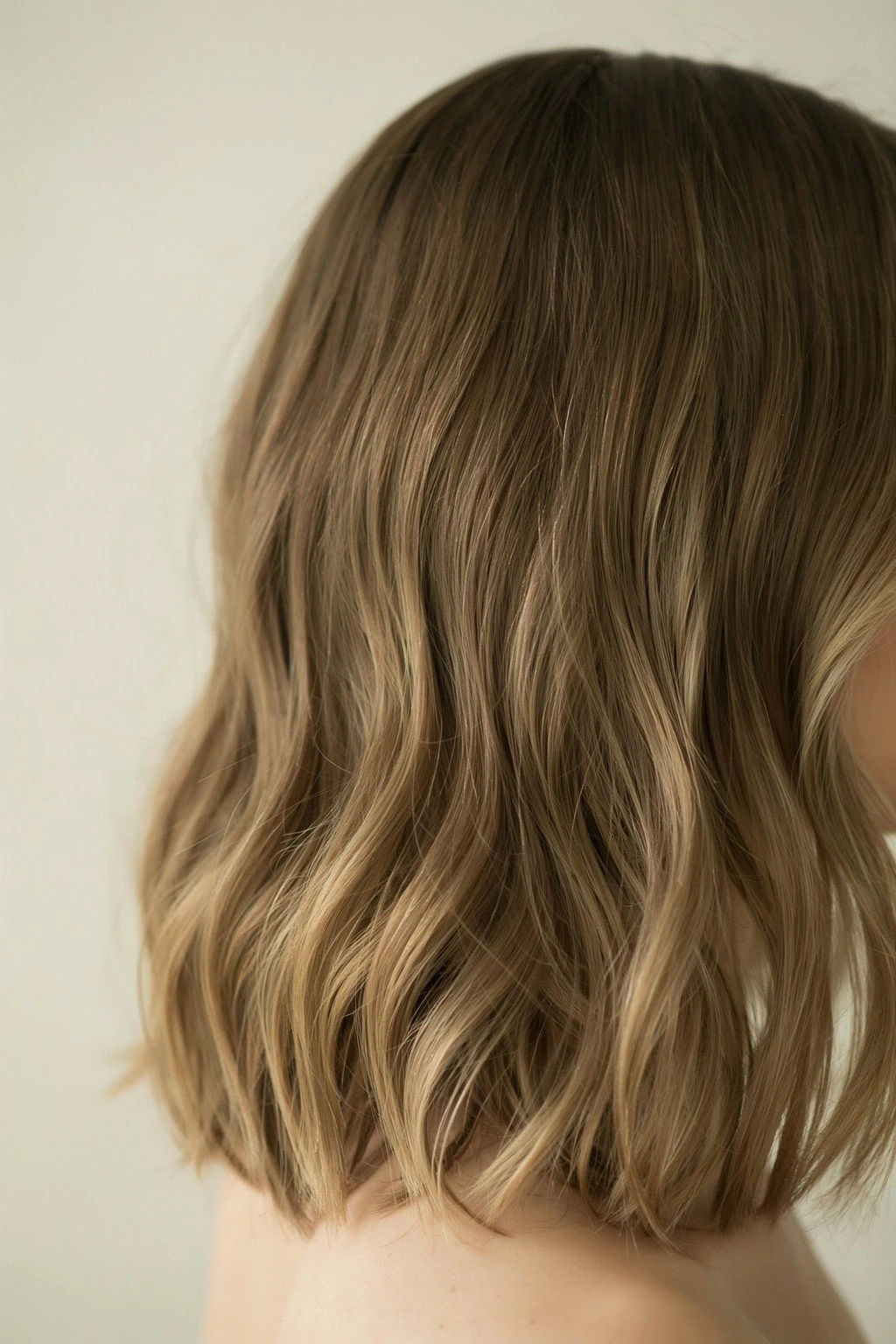
Level 5 is the canvas every colorist hopes for, because it lifts cleanly and takes tone predictably. Nearly everything below is one session, and the main risk at this depth is asking for so little that the result disappears.
Classic Blonde Weave at Level 8
The benchmark version: sections woven from the root, lifted three levels, glossed warm blonde. One session covers it, with a tone refresh around six to eight weeks and the full redo at three to four months. If this is your first highlight appointment, this is the look every other option on the list gets measured against.
Buttery Blonde, Fine and Dense
Fine sections woven densely and toned buttery warm give an all-over glow with no visible weave pattern. The lift is three levels, one session, and the grow-out stays soft because nothing reads as a stripe. Warm tones like this drift slowest of any blonde family, holding six to eight weeks before the gloss wants a refresh.
Champagne Money Piece
Two wider face-framing sections lifted to a level 8 and toned champagne, a shade that sits exactly between warm and cool. One session at partial pricing, $100 to $200, with a toner refresh around week six to keep the champagne from sliding gold. It’s the face-lift of the list. The change everyone notices and nobody can name.
Surface Babylights, Sun Logic
Placed only across the top layer where the sun would actually hit, fine babylights lifted two levels read as a season outdoors rather than an appointment. The underside stays untouched, which keeps both the cost and the grow-out gentle, and five months is a comfortable stretch. One session, and a gloss whenever the shine fades.
Golden Bronde, Sections Left Out
Three out of every five sections woven and glossed golden, with the rest left your natural level 5, lands the result firmly in bronde territory. The blend survives grow-out longer than a full weave would because half the pattern was never there. One session, four-plus months before anyone asks if it’s time.
Neutral Blonde for Flat Bases
If your level 5 reads flat and one-note, a neutral-toned weave to level 8 puts the missing movement back without swinging warm or cool. The trade is the clock: neutral tones have the least pigment to lose and show their drift first, so plan a toner refresh every four to six weeks. Dimension is the product here; the schedule is the price.
I’ve stopped believing in bad blonde after nine years of fixing it. What I’ve seen instead, every single time, is contrast set to the wrong number — too little and the weave vanishes into the base, too much and it reads as stripe before it ever grows out. The color was never the problem. The ratio was.
There’s no such thing as bad blonde. Only contrast set to the wrong number.
Light Brown and Dirty Blonde: Level 6
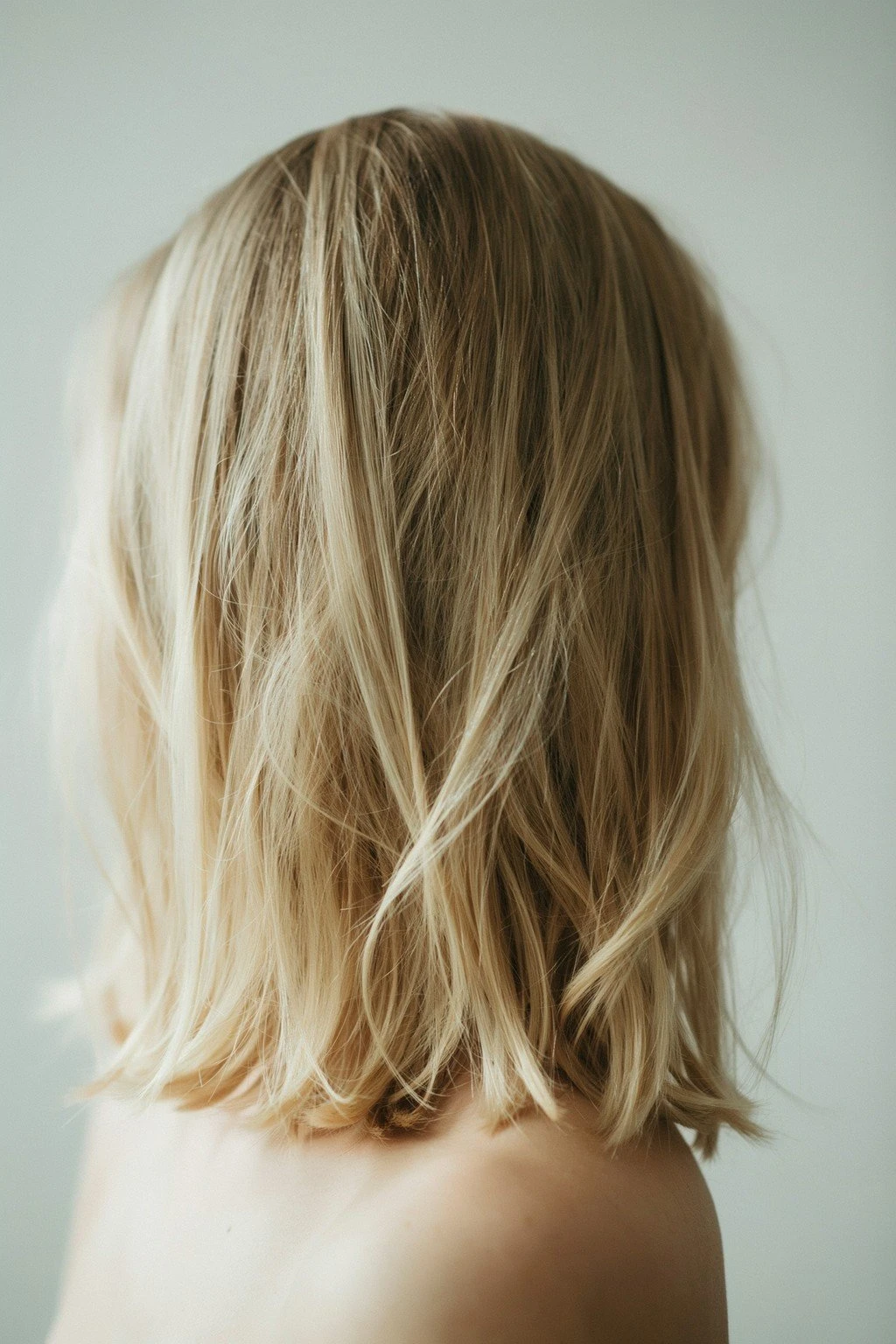
By level 6 you’re close enough to blonde that restraint matters more than lift. The risk at this depth isn’t damage or orange. It’s spending a full session and walking out with a change only your colorist can see.
Bright Blonde Over Dirty Blonde
A full weave lifted two levels to a clean 9, glossed bright neutral, turns dirty blonde into deliberate blonde in one session. The grow-out line shows earlier than on darker bases, around six weeks, because there’s less distance to hide it. Budget the toner refresh on that clock and the look stays crisp.
Blonde Plus Lowlights, the Reverse Blend
For level 6 hair that’s been colored flat, weaving blonde in and darker pieces back out rebuilds the depth a single shade erased. The lowlights are deposit-only, so they add zero damage and fade back gently over five to six months. One session, and the result reads as natural hair with good lighting.
Golden Pieces on Dark Blonde
Wide pieces lifted just two levels and glossed warm golden give the sunniest version of this base, one session, no toner drama. Warm tones hold their own at this depth for six to eight weeks before a gloss wants to refresh them. It’s the look to bring a photo of if “brighter but still me” is the brief.
Beige-Blonde All-Over Weave
Uniform, clearly placed sections lifted to a level 9 and toned beige give the cleanest, most finished result in this group. Uniformity is also what makes the grow-out the most visible here, so plan the redo inside four months and the toner at six weeks. High polish has a calendar attached.
Babylights for Dimension Only
Lift measured in half-levels, woven so fine it reads as texture rather than color, is the quietest entry on the entire list. One session, almost nothing to maintain, and five to six months before the change asks for anything. The right pick for someone who wants her hair looked at, not noticed.
Warm Honey Glaze Over a Fine Weave
A honey gloss over the whole head with a few fine woven pieces underneath gives glow now and dimension after the gloss fades back over six to eight weeks. The weave keeps working long past the glaze, which is what makes this good value at $150 to $350 all-in. It’s the starter look I suggest to anyone nervous about being seen with highlights.
Cool Blonde Highlights on a Brown Base
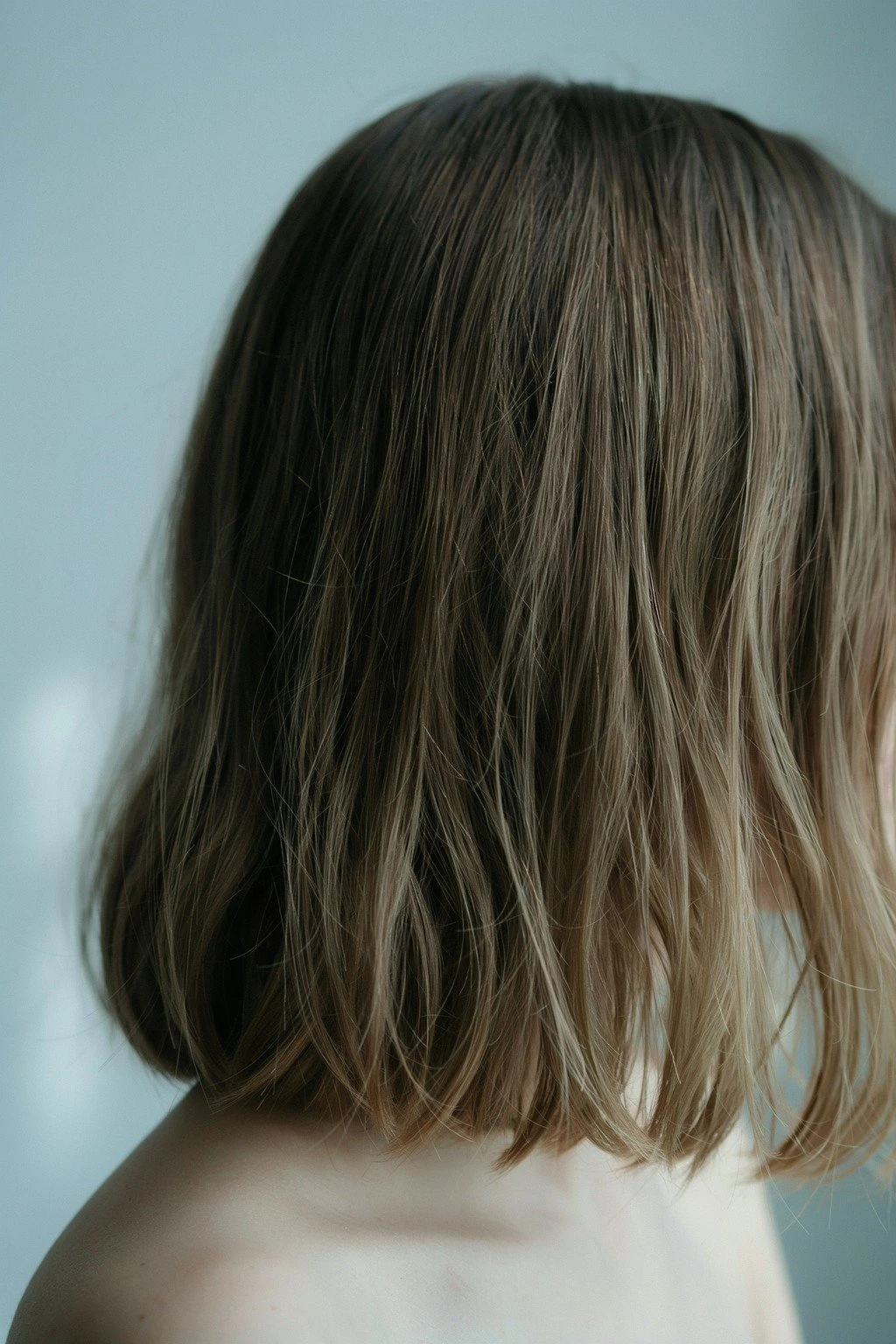
Cool pigment oxidizes out first, which is chemistry rather than bad luck, so every shade in this group looks its best on the day it’s toned and asks for a calendar entry after it. Most of the ash corrections I do started as a photo of someone else’s starting level. None of that is a reason to skip these — it’s a reason to budget the toner visits below.
Ash Blonde Weave on Level 5
Lifted to an 8 and toned ash immediately, this catches the warmth before it can settle, which is the whole technique. The refresh is non-negotiable at four to six weeks, because as the cool pigment oxidizes out, the warm base underneath gets uncovered. If your hair has gone brassy before, name that at the consultation.
Icy Money Piece on Dark Brown
The brightest two pieces on this list go from a level 3 or 4 base to a pale 9, which is two sessions spaced four to six weeks apart, because no single appointment keeps that much lift intact on dark hair. Toner follows every five to six weeks, and the full journey lands between $300 and $700. Anyone quoting one visit for this result on hair this dark is selling speed, not color.
Mushroom-Blonde Ribbons
Ribbons lifted to an 8 and toned mushroom sit exactly between cool and neutral, which makes them the most wearable shade in this group. The tone still drifts on the four-to-six-week clock; neutral simply buys you the top of that range instead of the bottom. One session on a level 5 base, two on anything darker.
Pearl-Blonde Fine Weave
On a level 6 base, fine weave lifted to a 9 and glossed pearl gives a cool shimmer rather than a stark pale, which is the difference between this and platinum. The pearl tone wants refreshing every four to six weeks, because cool shimmer is the fastest thing to lose on this list. One session, and a gloss budget you should decide on before booking.
Cool Champagne on Medium Brown
Champagne gone deliberately cool: lifted to an 8 or 9 and toned with a violet base so it reads crisp instead of golden. The refresh lands at five to six weeks, and the look pairs especially well with warm skin tones, which is the counterintuitive part. Say cool champagne specifically, because the warm version is a different color with the same name.
Smoky Blonde Melt
Painted rather than woven, a smoky-blonde melt transitions from your brown base into a cool 8 through the last several inches with no line anywhere in the shift. One session on level 5 and 6 bases, with the cool tone refreshed at six weeks. It’s the entry point for anyone who wants cool without committing to a full weave.
Blended Placement, Lower Commitment
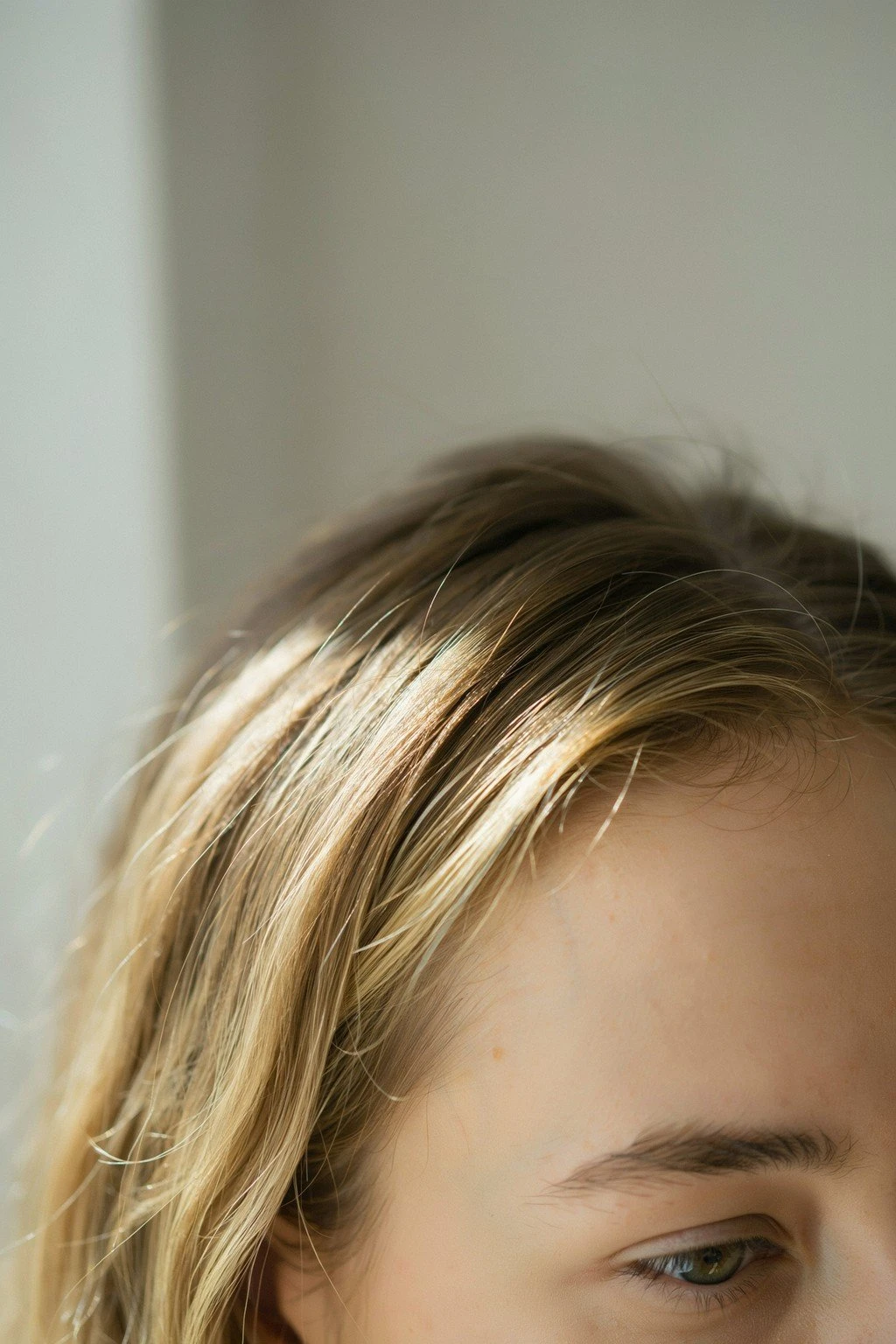
Full-head weaves aren’t the only door into blonde. These six touch a smaller, deliberate section instead, which keeps the cost, the damage budget, and the commitment where you can walk away from all three.
Two-Piece Blonde Test
Two sections at the hairline, lifted two to three levels and glossed, answer the question every first-timer actually has: does blonde suit me? Partial pricing, under an hour, no schedule attached. A yes means the rest of this list is waiting; a no costs $100 to $200 and grows out invisibly.
The Single Money Piece
One statement piece beside the part, lifted three levels and toned to stand out rather than blend, is for people who want the change seen. The contrast announces its grow-out around ten weeks, sooner than blended looks would. Budget the toner check the same way you’d budget the cut.
Underlayer, Blonde Edition
Placed underneath the top section so it appears when hair is tied back and disappears when it’s down, an underlayer can go three to four levels lighter than you’d dare elsewhere because it never sits beside your natural color in photos. Grow-out is close to invisible for five to six months.
Part-Line Brightening
Fine pieces woven along the part only, lifted two levels, brighten the exact zone every photo captures and nothing else. One short session at partial pricing, and the grow-out is a non-event for close to five months. It’s the smallest real change blonde can make.
Ends-Only Bright Dip
The last several inches lifted to a level 8 or 9 read as deliberate rather than grown-out, and the way out is a haircut, not an appointment. No root, no line, no toner clock. One session and five-plus months of doing nothing.
Gloss-and-Weave Starter
A blonde-toned gloss over the whole head with a minimal weave underneath gives glow today and dimension after the gloss fades back over six to eight weeks, at a total that rarely passes $250. The weave keeps working long after the glaze is gone. It’s the lowest-stakes way to find out what blonde does for your face.
Frequently Asked Questions
How much contrast do blonde highlights need to look natural?
Within two to three levels of your base reads as natural lightening; four or more reads as a deliberate color choice, which is fine but is a different look. The other half of the equation is section size — fine sections blend at higher contrast where wide pieces would stripe. This is why two people with the same base and the same blonde can walk out looking completely different. Contrast is a ratio, not a shade.
Why do blonde highlights turn yellow?
The blonde isn’t turning yellow so much as getting uncovered: cool and neutral toner pigment oxidizes out first, and the warm underlying pigment that was always in the lift shows through. That reveal shows around six to eight weeks for warm tones and four to six for cool ones, which is when a $50 to $90 gloss resets the clock. A purple-depositing shampoo once a week buys time between glosses, but it’s maintenance, not a replacement.
Can this be done over box-dyed brown hair?
Not on the word of anyone who hasn’t run a strand test first, because lightener over box dye behaves unpredictably — sometimes lifting fast and hot, sometimes refusing to move at all. The deposit-only entries, like the lowlight blend and the gloss-and-weave starter, are the safer half of the list over unknown history. Everything involving real lift waits on what the test strand says. Bring your box history honestly, because it changes the plan.
Is there a way to go blonde without lightener?
No honest one — real lift past your natural level is a chemical change, and no gloss, shampoo, or gradual product moves a level. What those things can do is shift tone on hair that’s already been lifted, which is why glosses matter so much in this article. If lightener is a hard no for you, the one-level options at level 5 and 6 are the gentlest real changes available. Anything claiming more than that in a bottle is marketing.
What’s the most subtle way to start?
Babylights, at two to three levels of lift in sections fine enough to read as texture, are the quietest full-head start on the list. The two-piece test is the quietest overall, since it touches almost nothing and costs $100 to $200 at partial pricing. Both grow out without a visible line, which is the real definition of subtle. Start with whichever matches your budget for being wrong.
Contrast Is the Whole Game
Every look on this list is achievable on brown hair; what differs is the session count, the grow-out clock, and the yearly cost, so pick by those instead of by the photo. Find your level in good daylight, choose the entry whose rhythm matches your actual calendar, and bring both to the chair. When you’re ready to decide between woven placement and painted, that comparison has its own conversation.
Not sure which level your hair actually is? Ask in the comments below and I’ll help you find your starting number. — Margot