Hair Color Levels Explained
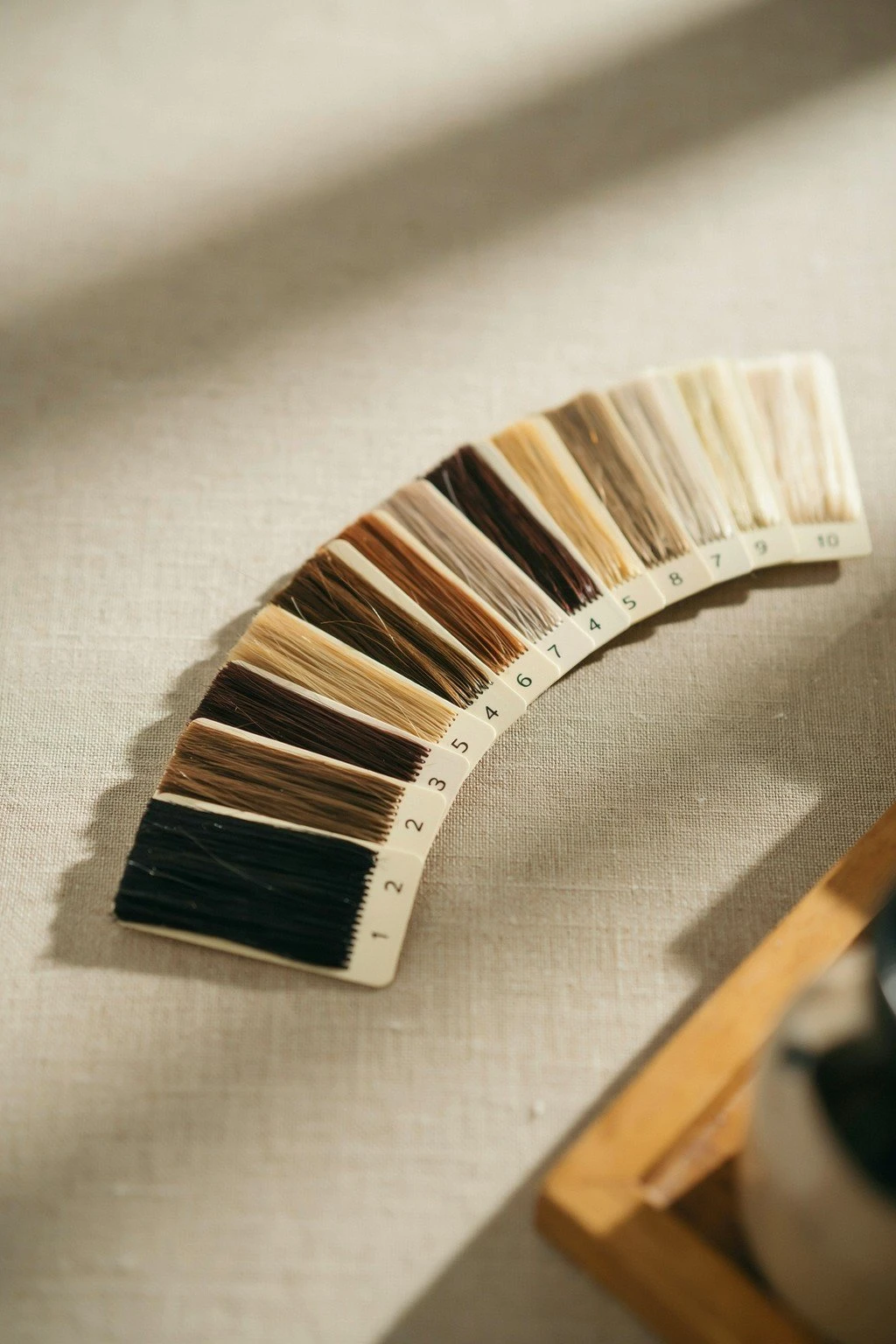
The first thing I do when someone sits in my chair is look at their roots in good light and quietly place them on a scale they’ve usually already guessed wrong about, because hair color levels are the number behind every color decision and most people arrive off by two. Here is the whole system in one line: levels are a ten-step scale of depth, 1 for true black through 10 for lightest blonde, and your number decides which shades you can reach, in how many sessions, at what cost. It isn’t jargon, and it isn’t a gatekeeping trick. It’s the only language color speaks precisely, and once you know your number, most of what confuses people about their options stops being confusing.
What Hair Color Levels Actually Measure
A level measures one thing only: how dark or light the hair is. Nothing about warmth, nothing about shine, nothing about whether a shade flatters you. Ten steps cover the entire human range, and every professional color conversation starts from that scale whether you hear it or not.
Each step is one level of depth. When a colorist says a look needs three levels of lift, that means moving from where you are to a shade three steps lighter, and that distance is what sets the session count, the chemistry, and the price. A level 4 going to a level 6 is a modest trip. A level 1 going to a level 7 is a journey with stops, and no honest colorist will describe it as anything else.
The scale also runs in halves, because real hair rarely sits dead-center on a step. A colorist will call someone a level 4.5 when the truth is between steps, and round toward the darker number when planning, because underestimating depth is how appointments run long and lift runs hot. If your honest guess is between two rows, plan from the darker one.
| Level | Depth | Warmth that surfaces when it lifts |
|---|---|---|
| 1 | True black | Deep red-orange |
| 2 | Deepest brown | Red-orange |
| 3 | Dark brown | Red |
| 4 | Medium brown | Red-orange |
| 5 | Light brown | Orange |
| 6 | Dark blonde | Orange-gold |
| 7 | Medium blonde | Gold |
| 8 | Light blonde | Yellow-gold |
| 9 | Very light blonde | Pale yellow |
| 10 | Lightest blonde | Barely yellow |
Two notes on that table. First, most of the readers here sit between a 2 and a 6, which is why so much of what gets written for this audience is about lift and its consequences. Second, the right-hand column is not a flaw in the system. It’s the part everyone forgets until their hair turns the color of a penny halfway through an appointment, and it deserves its own section below.
The Two Dials: Depth and Tone
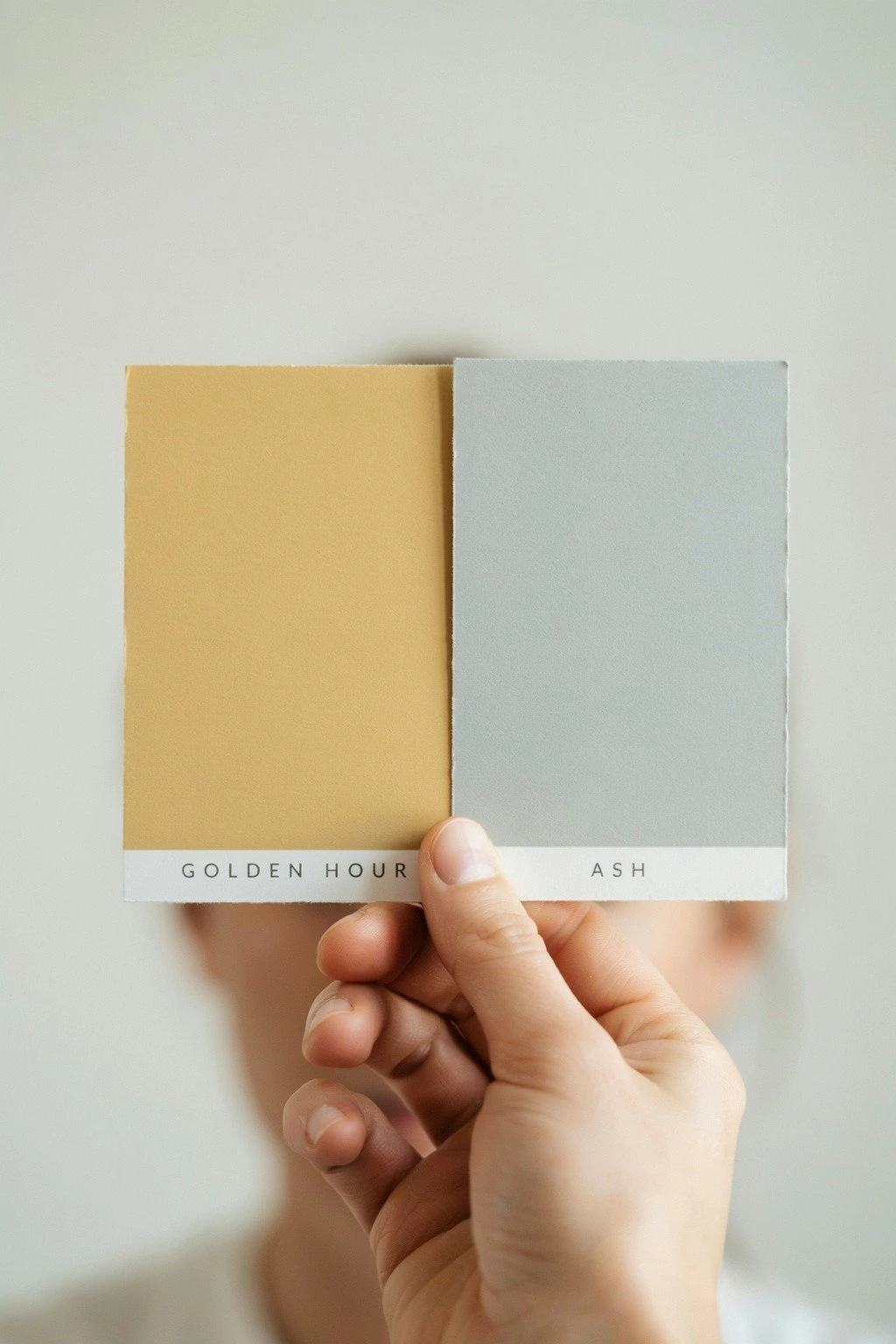
Level is one dial. Tone is the other, and it swings warm, cool, or neutral at any given depth. A level 7 golden and a level 7 ash are the same level with opposite personalities, and they grow out, fade, and photograph like completely different colors. This is the split that confuses everyone, because the photo you saved shows tone while your base controls level.
Here’s where that lands in real life. Someone brings in a picture of a cool, silvery bronde taken on a level 6 base and asks for it from a level 3, and what they’re actually asking for is three levels of lift plus a tone that only behaves at the top of that range. The level gap is the appointment. The tone is the gloss that keeps it honest afterward, refreshed on its own clock. Separating those two dials is most of what a good consultation does.
It’s also why the same shade photograph looks different on everyone who tries it. A tone that reads soft on the level it was photographed on can read muddy three levels darker and stark three levels lighter, with nobody changing the formula. The photo has a level too, and the gap between its number and yours is the conversation most people skip. Naming the gap early, before the foil goes in, is the service — because almost nobody told the person holding the photo that it was taken somewhere else on this scale.
Nine years of fixing results has left me with one fixed belief about this part. Almost every color decision that ends in regret started as a wrong guess about a single number, because the plan was built for a base the person didn’t have.
Every bad color decision starts the same way. A wrong guess about one number.
Finding Your Level Without a Swatch Book

You don’t need a swatch ring to find your level. You need a window, because bathroom lighting lies about depth the way a fun-house mirror lies about shape. Stand near daylight, lift a section from the crown where hair is least sun-touched, and compare what you see against the scale above rather than against a photograph.
Then check the part that actually counts. Your roots are the truth and your ends are a biography — they carry the sun, the old gloss, the box experiment from two years ago, and none of it is your level. If you’ve colored your hair, only the regrowth tells you where you really sit.
A few things reliably push people’s self-reading off:
- Wet hair, which reads one to two levels darker than it is
- Yellow-toned indoor bulbs, which flatten the difference between a 4 and a 5
- Sun-faded ends, which read lighter than the base they grew from
- Fading box color, which sits somewhere between the dye and the truth
I do the window check with people before we discuss anything else, and the room usually gets quiet when the real number lands. That silence isn’t bad news. It’s the plan finally standing on solid ground.
If you land between two levels, don’t split the difference in your head and call it done. Round toward the darker step for planning purposes, because every estimate downstream, from session count to cost band, gets safer when it’s built on the conservative number. A colorist can refine a half-level in thirty seconds under good light. A plan built on the lighter guess takes an appointment to find out it was wrong.
Why Dark Hair Lifts Through Orange
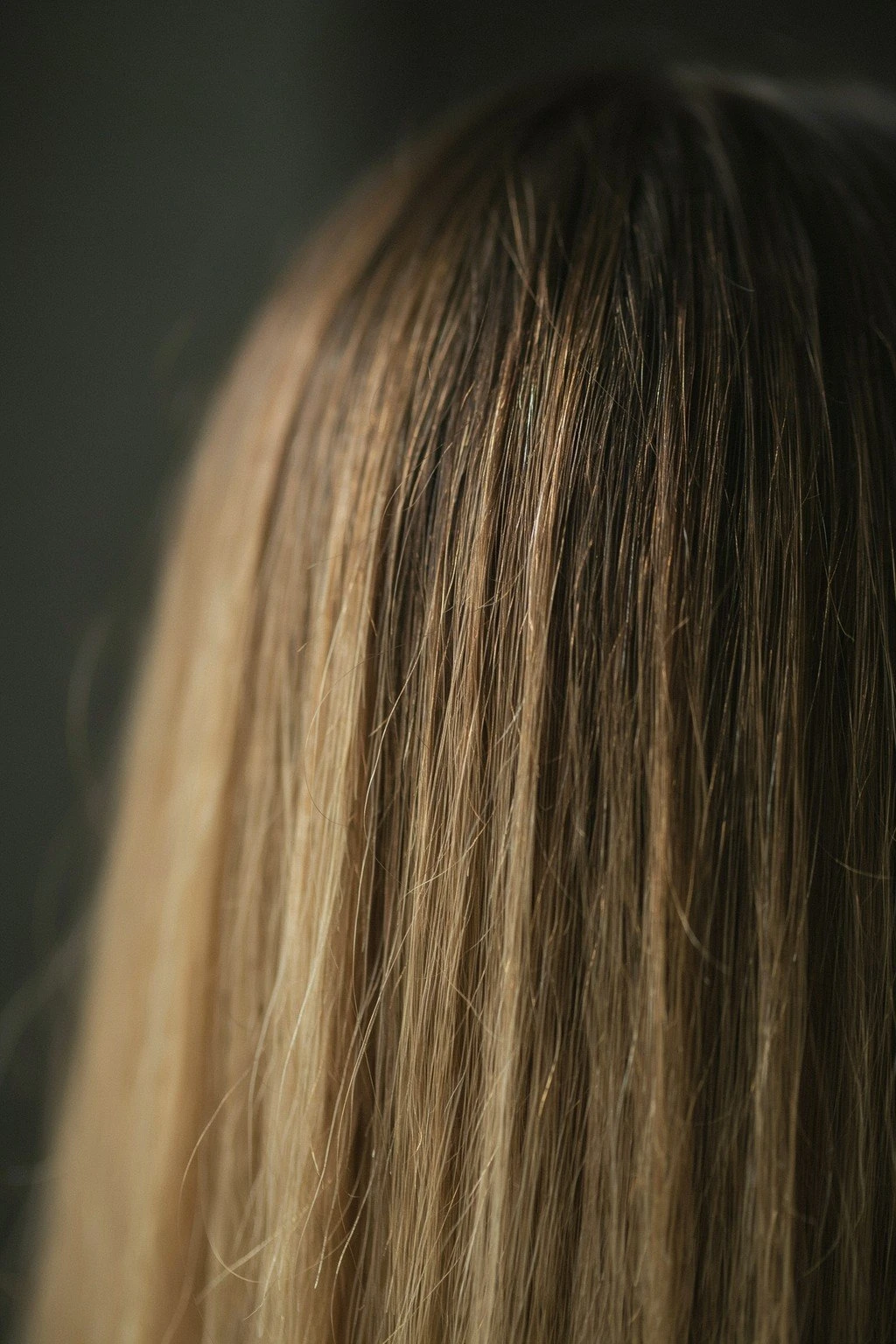
Hair holds two kinds of pigment, and they don’t leave quietly or together. The dark pigment breaks down first under lightener, and the smaller, warmer pigment is tougher, so it’s still standing when the dark is gone. That residue is the orange stage, and it isn’t a mistake in the formula. It’s geography — where your color has to pass through to get where it’s going.
The lighter you start, the less of the journey is visible. A level 2 base passes through red-orange before it ever approaches gold, which is why dramatic lift on dark hair is multi-session work spaced weeks apart, with the tone placed only once the lift clears. A level 6 barely shows the trip.
The moment that still holds my attention after nine years is mid-appointment, when a lift finally clears the last of the brass and the true canvas shows. Everything before that is chemistry. Everything after is design. Toner exists for that second half: it decides the tone sitting on top of the lift, and it’s the part that fades on its own clock, warm shades drifting around 6 to 8 weeks and cool ones faster. If your color has ever gone the color of a penny, you didn’t do anything wrong. You met the stage everyone meets, without a gloss on the calendar for it.
There’s a second half to this stage that matters just as much. Sometimes a lift doesn’t clear cleanly in the time the hair can safely give, and the right move is to stop, tone where the lift landed, and book the next session rather than push through. I have stopped appointments halfway and watched someone leave frustrated, then thank me months later when the second session held. Pushing a lift past what the hair can take in one sitting is how the scale gets blamed for what impatience did.
Why Hair Color Levels Decide Everything After
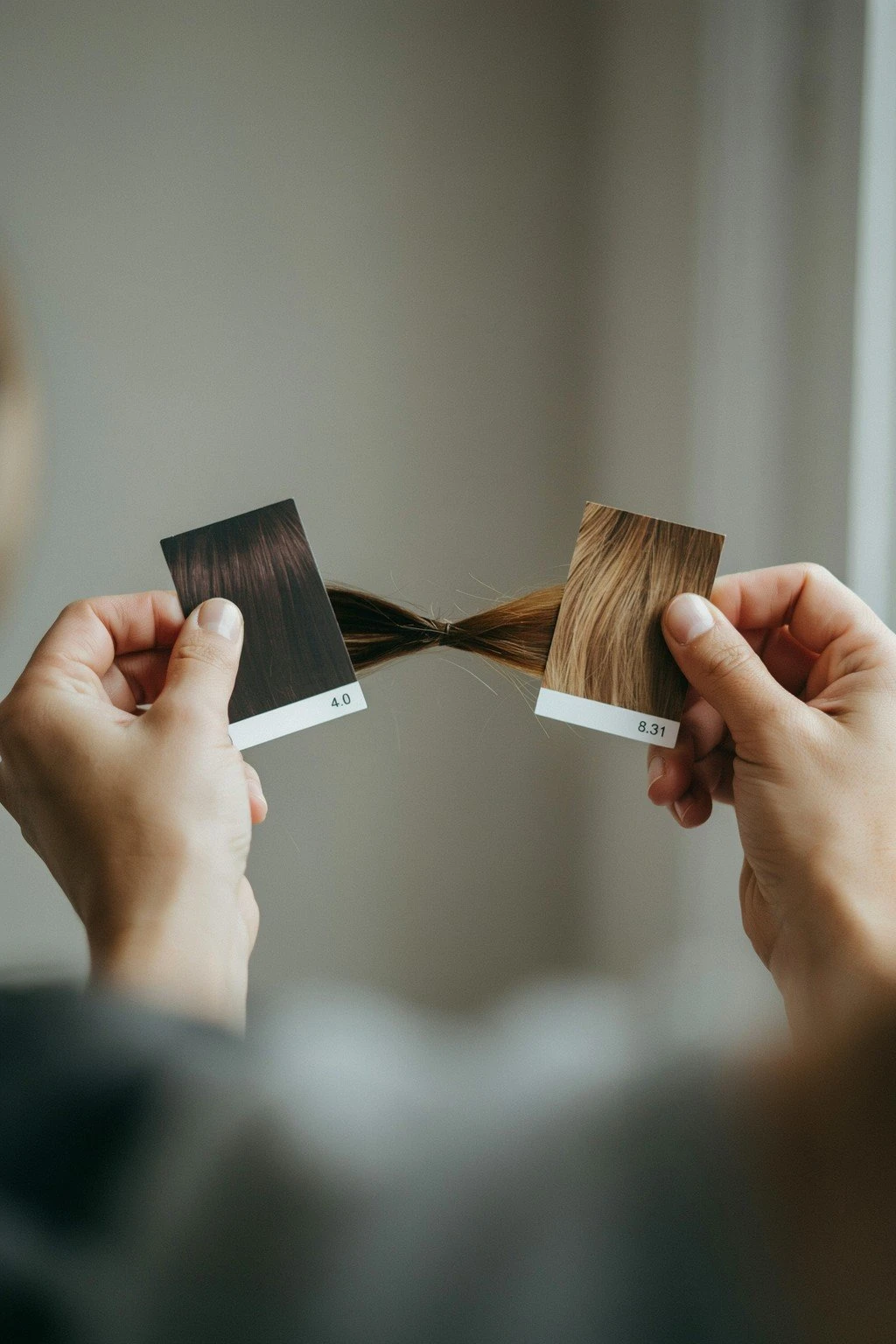
Once the number is real, the rest of the plan writes itself. Session count follows distance: one to two levels of change is usually a single visit, while a five-level jump on a dark base is multiple appointments spaced 4 to 6 weeks apart, because the hair’s integrity outranks the photo, the budget, and the timeline. Cost follows distance the same way, which is why two people can ask for the same shade and hear prices $200 apart. A four-level jump on a dark base, for instance, is realistically two sessions landing between $300 and $700 in total, varying by region, salon tier, and length, while the same target shade on a level 5 base is one standard visit.
Technique follows the number too. Some looks only behave within a certain range of contrast, and a colorist who knows your level can tell you in one sentence whether a saved photo is a one-session result, a two-session project, or a different photo. That’s the service a consultation actually provides.
One honest caveat for anyone reading this with box-dyed or unknown color underneath: your level reading is the place to start, not the promise of how the lift will behave. Lightener over previously colored hair moves differently than over virgin hair, so nothing gets scheduled before a strand test says what’s under there, and any new pigment earns a patch test first. Bring your color history honestly. It changes the plan.
Frequently Asked Questions
What are the 10 hair color levels?
They’re a depth scale running from 1, true black, to 10, lightest blonde, with each step one level lighter than the last. Levels 2 to 4 cover most brunette hair, 5 to 6 the brown-to-blonde border, and 7 and up the blonde range. The scale measures darkness only, which means a warm level 6 and a cool level 6 share a number and nothing else.
Which of the hair color levels am I if I’ve box-dyed it?
Your roots tell you, because the regrowth is the only virgin hair left to read. Check it in daylight near a window, not under bathroom bulbs, and match it to the scale rather than to a photo. For anything involving lift, a strand test is still the real answer, because lightener behaves differently over box dye than the level number alone would predict.
What level is dark brown hair?
Dark brown sits at level 3, with level 4 reading as medium brown and levels 1 to 2 covering black and off-black. That matters because a level 3 base lifting toward blonde passes through red and orange on the way, which is what makes the session count and the toner plan what they are. If someone calls your hair a level 5 in dim lighting, ask them to check again near a window.
Why does my hair pull orange when it lightens?
Because dark pigment breaks down first under lightener and the warmer, tougher pigment is still standing when it’s gone. That underlying warmth surfaces in a fixed order by level, red at the darkest bases through gold at the lighter ones, so orange isn’t a product failing. It’s a stage, and a gloss placed at the right moment is how colorists finish past it.
Can my level change without any dye at all?
Slightly, and only in the parts the sun touches. Summer lightening shifts ends half a level or so, while new growth always comes in at your true number, which is why roots and ends can disagree by season. Nothing changes the level your hair grows from, though, so the window check at the crown is still the honest reading year-round.
Your Roots Already Know the Answer
The whole system takes one trip to a window: find the number at your roots in daylight, write it down, and let every decision after it stand on something real. Once you have it, the next thing worth knowing is what the distance from that number costs.
Not sure what your roots are telling you? Ask in the comments below and I’ll help you read the number. — Margot