Hair Color Levels Explained Through Realistic Gray Coverage
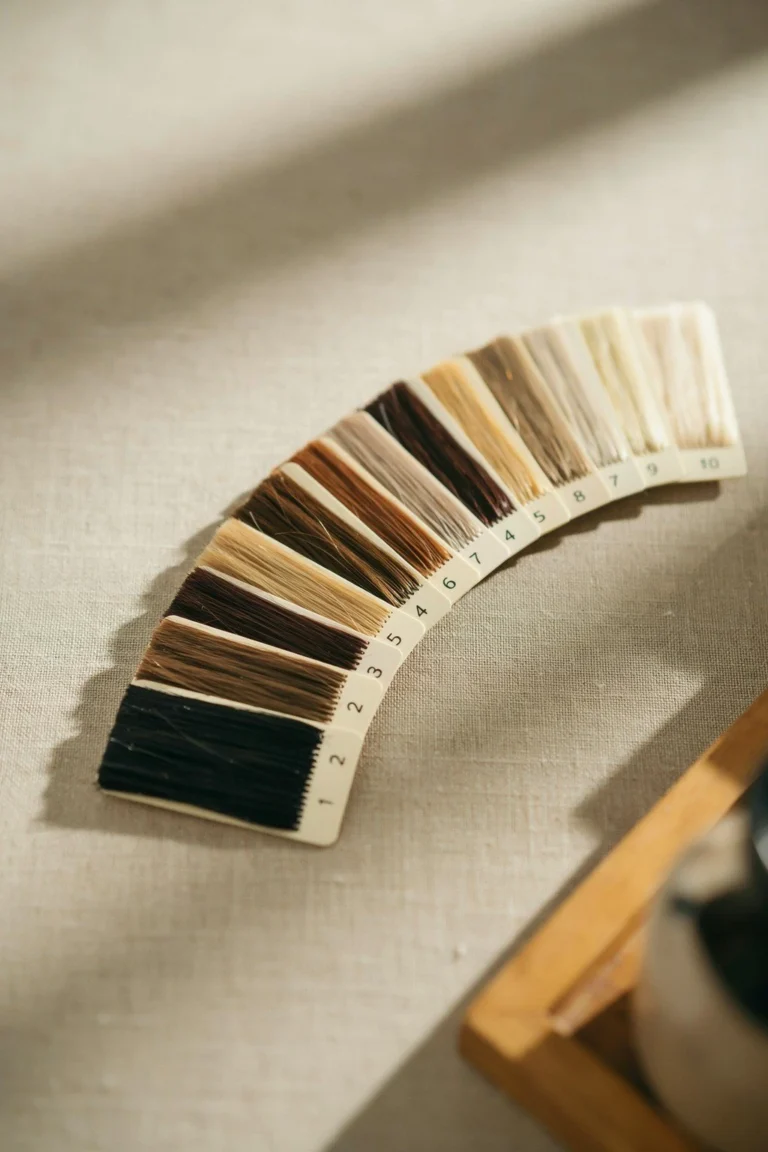
Hair color levels determine whether your gray coverage holds for five weeks or five days. The system runs from 1 (black) to 10 (lightest blonde), and every number between changes how much pigment lands on white hair. A level 4 covers gray reliably. A level 7 will not. Most box dyes sit at level 6 or 7, which is exactly why so many people think gray coverage never works for them.
I had a client last Tuesday. She sat down, pointed at her roots, and said she wanted her gray gone by lunch. Her natural level was around 5. Her existing box dye was a level 3. She had about 70 percent gray at the temples and part line. I told her we would need two sessions to get where she wanted. She stared at me. The level gap between her current color and her goal was too wide for one pass, and I was not going to pretend otherwise.
That conversation happens in my chair every week. People confuse level with tone, with brand, with the name printed on the box. None of those things are the same. The level number is what controls depth, pigment load, and whether your gray actually gets covered or just tinted.
What Hair Color Levels Actually Measure
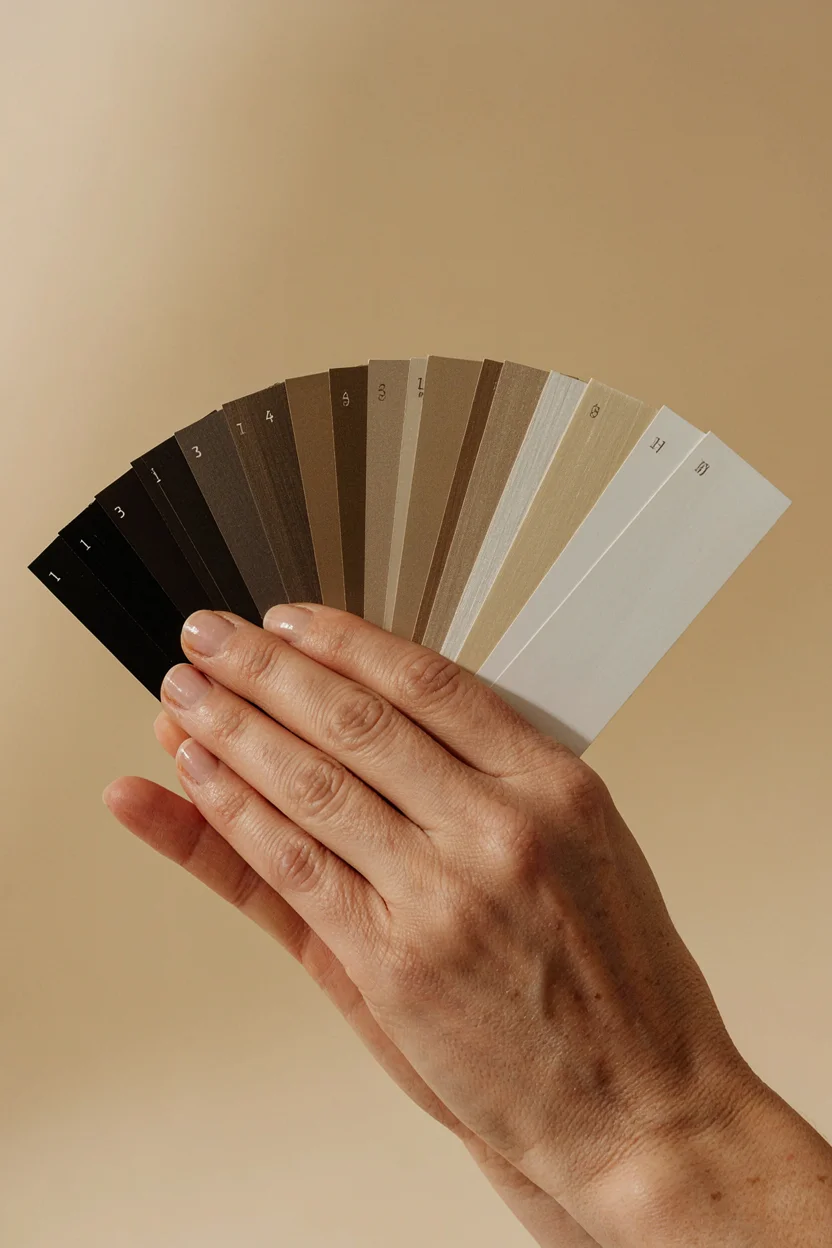
The level system measures depth. Not warmth. Not tone. Depth. Level 1 is the darkest possible color. Level 10 is the lightest. Everything in between is a graduated step.
Tone is separate. Tone tells you whether a color reads warm, cool, or neutral. A level 6 can be warm golden brown or cool ash brown. Same level. Same depth. Different temperature.
Every tube of permanent color has a level number. It appears as the first digit, usually before a dot or a slash. The tone comes after. Most people buy color based on the name on the box. The number tells you what is actually in the tube.
When a colorist says your hair is a level 5, she means the depth reads as medium brown on the standard scale. When she says your target is a level 7, she means you need to go two levels lighter. That gap determines processing approach, session count, and whether the result holds on gray hair.
The Level Scale From 1 to 10 and What Gray Does at Each One
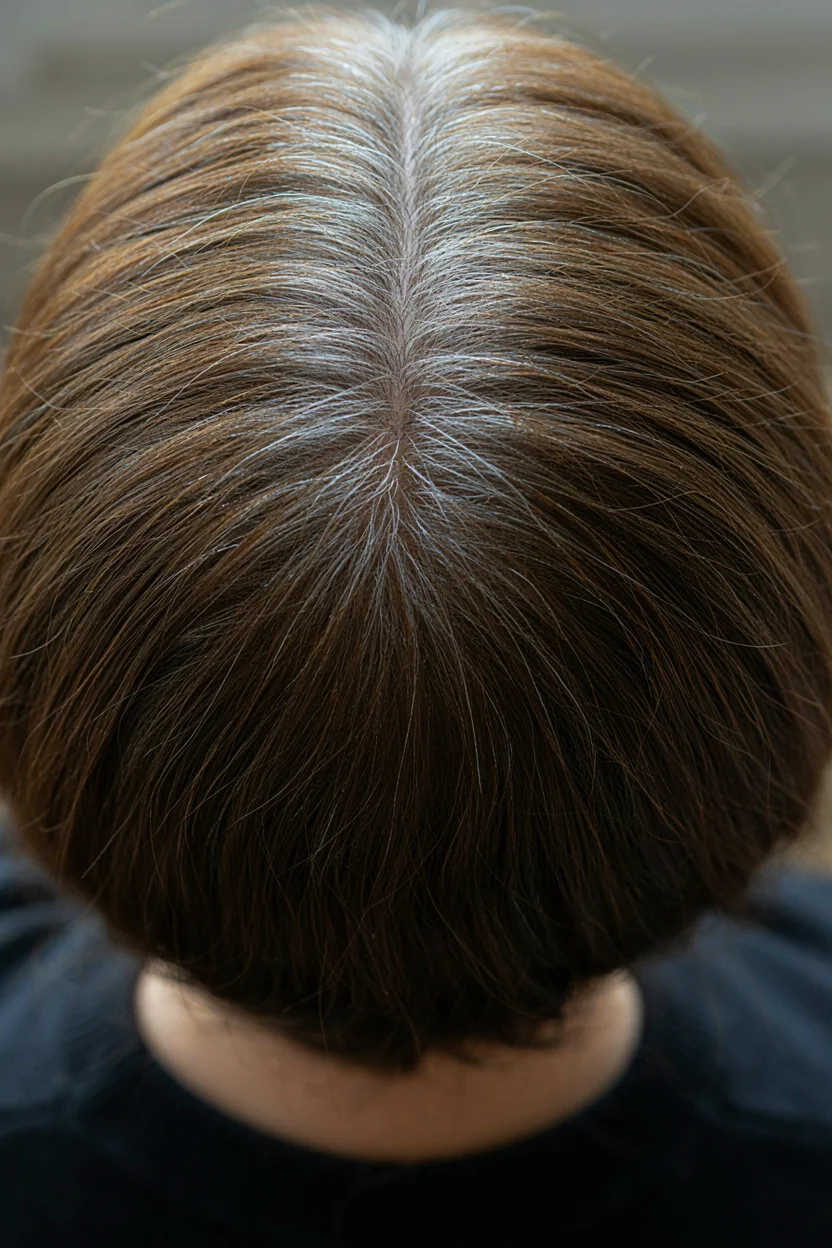
Level 1 is black. Gray coverage at this level is straightforward. The pigment load is dense, and most resistant gray hairs accept it fully. The grow-out line is sharp. White roots against black color are visible within three weeks. Maintenance interval: 3 to 4 weeks. Single-process application. Typical salon range: $60 to $80 per session.
Level 2 is darkest brown. Coverage is nearly identical to level 1 but with slightly more dimension. The grow-out contrast is marginally softer. Maintenance interval: 3 to 4 weeks.
Level 3 is dark brown. Gray coverage stays strong here. Some coarse gray hairs at the hairline may resist slightly. If your texture is wiry, a level 3 might not cover every strand completely. On most hair types, coverage is solid. Maintenance interval: 4 to 5 weeks. Typical range: $65 to $85.
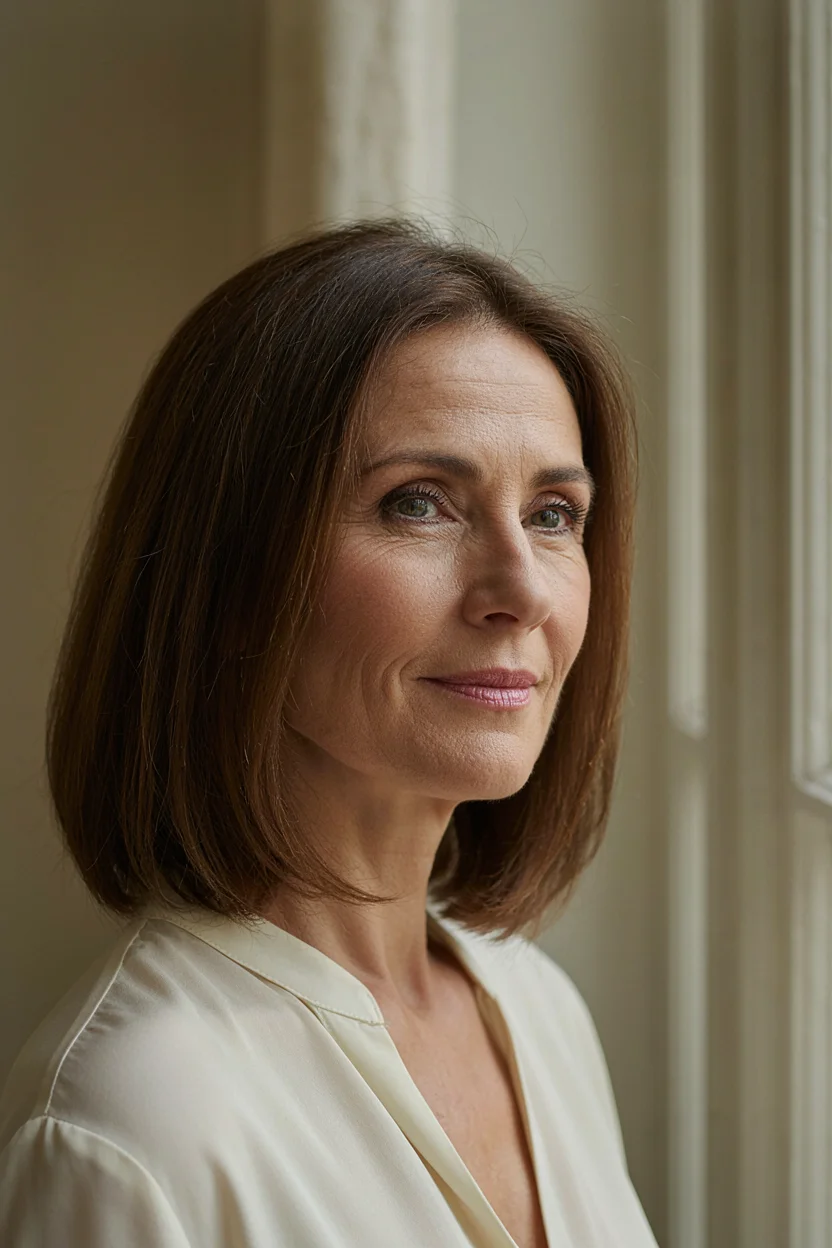
Level 4 is medium brown. This is where most people land when they ask for brown without specifying further. Gray coverage at level 4 is reliable on most textures. Maintenance interval: 4 to 5 weeks. Typical range: $65 to $90.
Level 5 is light brown. Coverage starts to get unpredictable. At level 5, the pigment concentration drops enough that some resistant grays show through. If your gray is concentrated at the temples and hairline, those areas may look patchy. Expect 85 to 90 percent coverage on resistant grays at this level. That might be fine if you accept some visibility. Maintenance interval: 4 to 5 weeks.
Level 6 is dark blonde. Gray coverage becomes genuinely unreliable here. Many colorists consider level 6 the cutoff for predictable gray coverage. Above this, the pigment is too light to deposit enough color on white hairs. Some grays will take the color. Others will look slightly translucent. Maintenance interval: 5 to 6 weeks. Typical range: $75 to $100.
Level 7 is medium blonde. If you are aiming for gray coverage, this level will not give it to you. The pigment is too sparse. Gray hairs will take on a faint version of the tone but will remain visibly lighter than the surrounding colored hair.
Level 8 is light blonde. Minimal gray coverage. This level is for blending and toning, not hiding.
Level 9 is very light blonde. Almost no gray coverage at all. This level requires pre-lightened hair in most cases.
Level 10 is palest blonde. Zero gray coverage. This level is pure lift territory.
The pattern is clear. The higher the level, the less pigment is available to deposit on white hair. Below level 6, coverage is generally reliable. Above level 6, you are choosing softness over opacity.
The Warmth Underneath Every Level

Every level has an underlying pigment. When you lift natural color, that underlying warmth is what shows through. Level 3 has red underneath. Level 4 has red-orange. Level 5 has orange. Level 6 has orange-yellow. Level 7 has yellow. Level 8 has pale yellow. Level 9 and 10 have pale yellow to nearly white.
This matters for gray coverage because gray hair has no natural pigment of its own. Whatever tone you apply sits directly on a white strand. There is no underlying warmth to modify the result.
If you put a level 6 ash color on gray roots, the result can shift slightly green. Ash tones contain blue or green pigment. On white hair, without warmth underneath to balance them, that cool pigment reads differently than it would on pigmented hair. Warm and neutral tones tend to perform better on gray hair for this reason. They work with what is there instead of fighting it.
I learned this the hard way. Years ago, before I had a proper chair, I colored my mother’s hair in our kitchen sink. She was about 60 percent gray. I picked a level 5 ash brown because the box looked sophisticated. Her roots turned out slightly green at the hairline. The ash tone had nothing to neutralize against. I had to go back in with a warm level 5 to correct it. That kitchen sink is where I started paying attention to underlying pigment.
What Determines Whether Gray Gets Covered
Level is the biggest variable. It is not the only one.
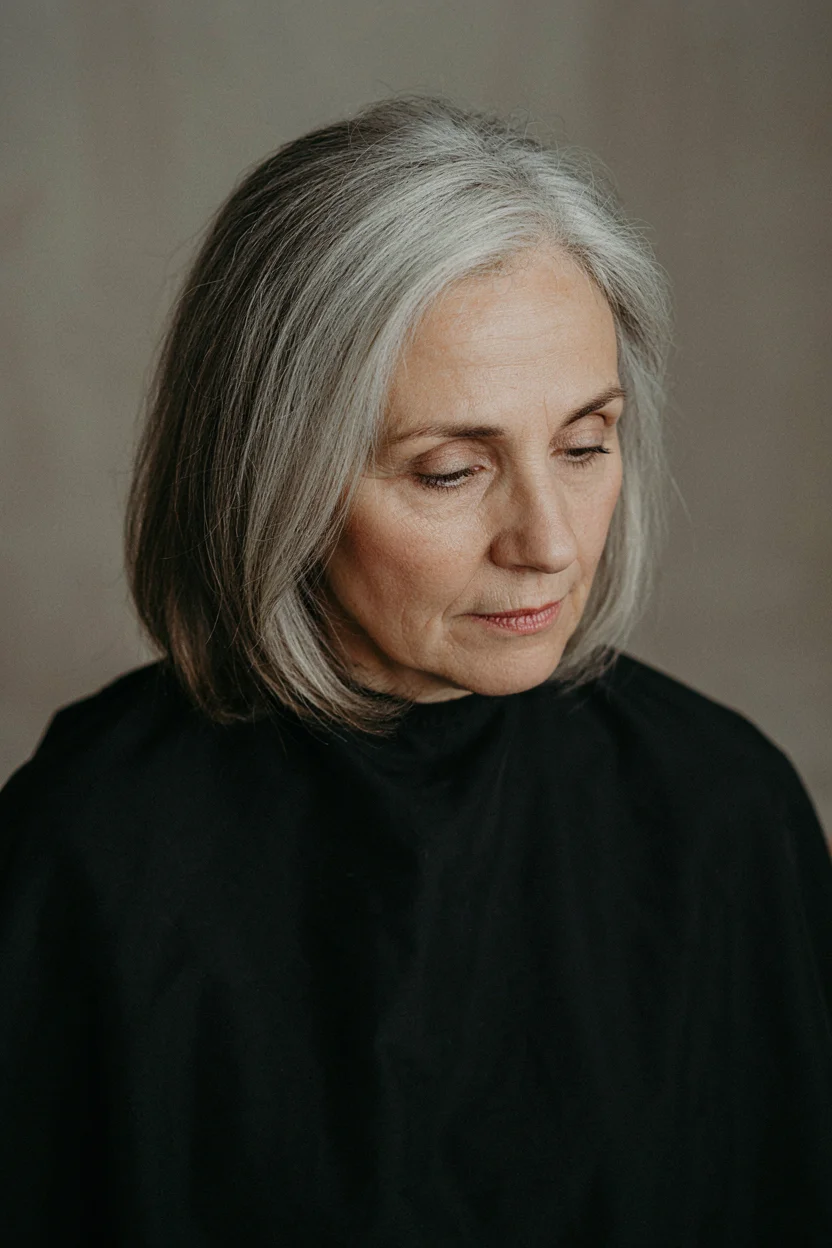
Gray percentage changes the math. If you are 30 percent gray with scattered white hairs, a level 6 might blend them acceptably. If you are 80 percent gray with a solid white band at the crown, that same level 6 will look washed out. The more gray present, the more important it is to choose a level with enough pigment to actually deposit.
Texture plays a role. Coarse, wiry gray hair resists color more than fine gray hair. The cuticle on coarse hair is tighter. Pigment has a harder time penetrating. Two people can use the same level and get different coverage results based on texture alone.
Previous color affects the outcome. If you have been coloring at level 3 for years and want to move to level 5, the old color does not just disappear. It sits under the new application. Your regrowth gets the level 5 formula. Your midshaft and ends still carry the level 3 buildup. The result is uneven unless the colorist addresses the existing color first.
- Level: lower numbers deposit more pigment and cover gray more reliably
- Gray percentage: higher percentages need lower levels for full coverage
- Hair texture: coarse gray resists color more than fine gray
- Previous color: buildup from old applications interferes with new deposits
- Application technique: root-only application avoids over-depositing on lengths
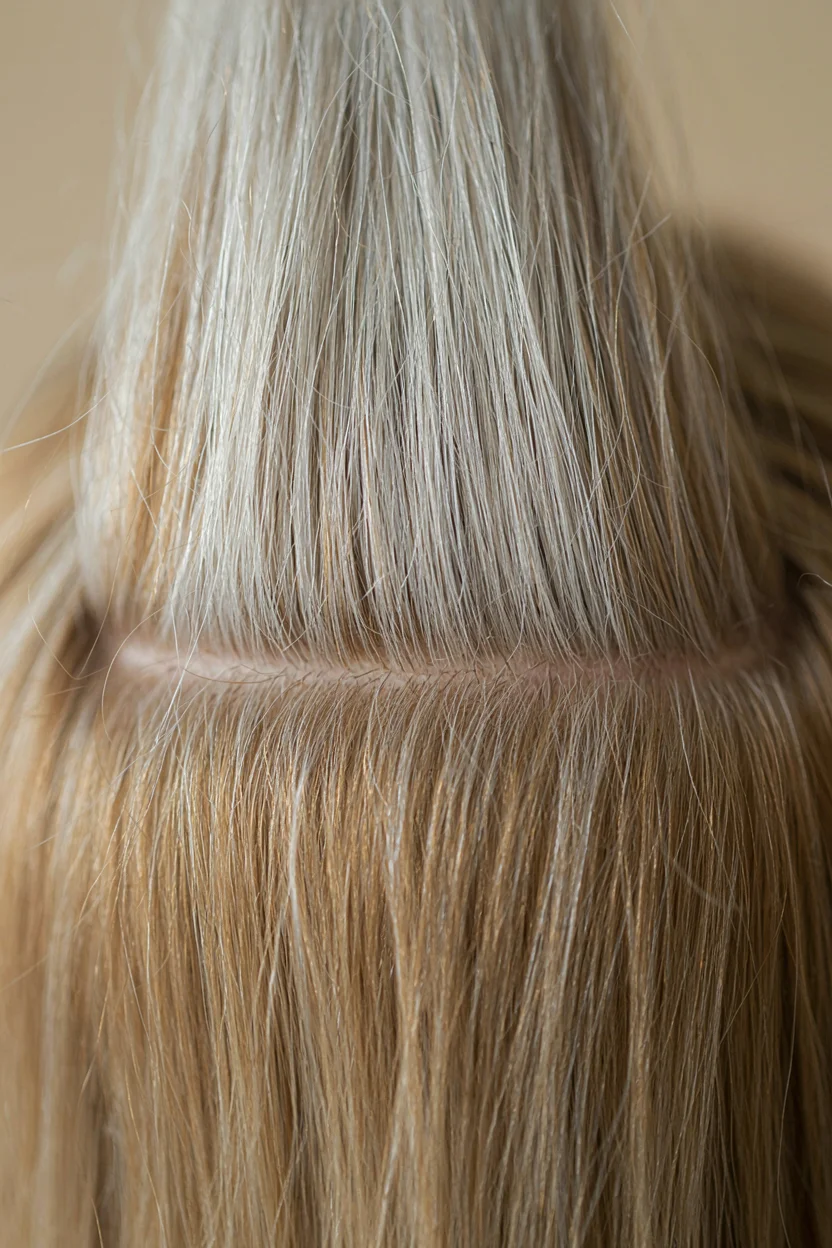
If you are covering gray at home, strand test first. Every time. Pull a section from the most visible gray area, usually the part line or temple. Apply the formula. Process. Rinse. Look at what happened before you commit to the full head.
The level system is not a suggestion. It is the reason your gray either gets covered or gets tinted.
Gray Coverage by Level at a Glance
| Starting Level | Gray Coverage | Grow-Out Visibility | Maintenance Interval | Sessions to Target | Typical Range |
|---|---|---|---|---|---|
| 1 (Black) | Full | High contrast, 2 to 3 weeks | 3 to 4 weeks | 1 | $60 to $80 |
| 2 (Darkest Brown) | Full | High contrast, 3 weeks | 3 to 4 weeks | 1 | $60 to $80 |
| 3 (Dark Brown) | Strong, some resistance on coarse gray | Moderate, 3 to 4 weeks | 4 to 5 weeks | 1 | $65 to $85 |
| 4 (Medium Brown) | Reliable on most textures | Moderate, 4 weeks | 4 to 5 weeks | 1 | $65 to $90 |
| 5 (Light Brown) | Variable, 85 to 90 percent on resistant gray | Softer, 4 to 5 weeks | 4 to 5 weeks | 1 | $70 to $95 |
| 6 (Dark Blonde) | Unreliable, roughly 60 to 75 percent | Soft, 5 to 6 weeks | 5 to 6 weeks | 1 to 2 | $75 to $100 |
| 7 (Medium Blonde) | Poor, tinting only | Minimal contrast | 6 to 8 weeks | 2 or more | $85 to $120 |
| 8 (Light Blonde) | Minimal | Nearly invisible | 6 to 8 weeks | 2 or more | $95 to $140 |
| 9 (Very Light Blonde) | None | Nearly invisible | 8 to 10 weeks | Multiple | $120 to $180 |
| 10 (Lightest Blonde) | None | Nearly invisible | 8 to 12 weeks | Multiple | $140 to $200+ |
How This Applies If You Color at Home
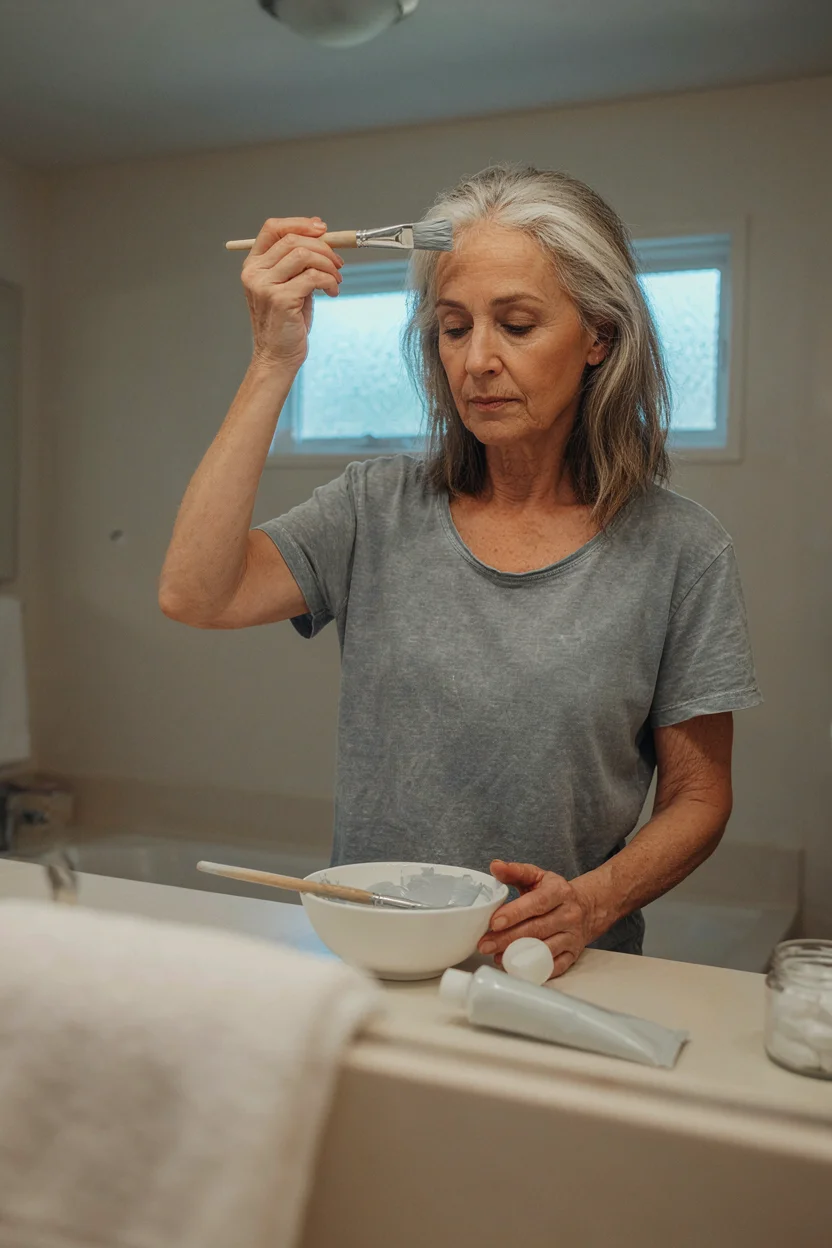
Box dyes rarely print the level number clearly. The name on the front is marketing. The number, when it appears, is usually on the side or back panel. Look for it. A box labeled medium ash brown is typically a level 5 or 6. A box labeled dark blonde is usually a level 7.
If you are covering gray and choosing between two shades, go with the lower number. A level 5 will cover more reliably than a level 6. The difference in depth is small. The difference in coverage is not.
Permanent color lasts 4 to 6 weeks on the hair. The visible grow-out depends on your level contrast. If your natural gray is white and your color is level 3, the regrowth line appears within 2 to 3 weeks. If your color is level 5, the regrowth is softer and you can stretch to 5 weeks.
Root touch-ups at home should address new growth only. Applying color through previously colored lengths causes buildup. That buildup darkens the midshaft and ends over time and creates the exact banding problem I wrote about in my color banding guide. Apply to the regrowth, which is usually about half an inch from the scalp, and leave the rest alone.
Check out how professional colorists assess level and gray percentage during a consultation.
What to Ask If You Are Going Lighter Over Gray
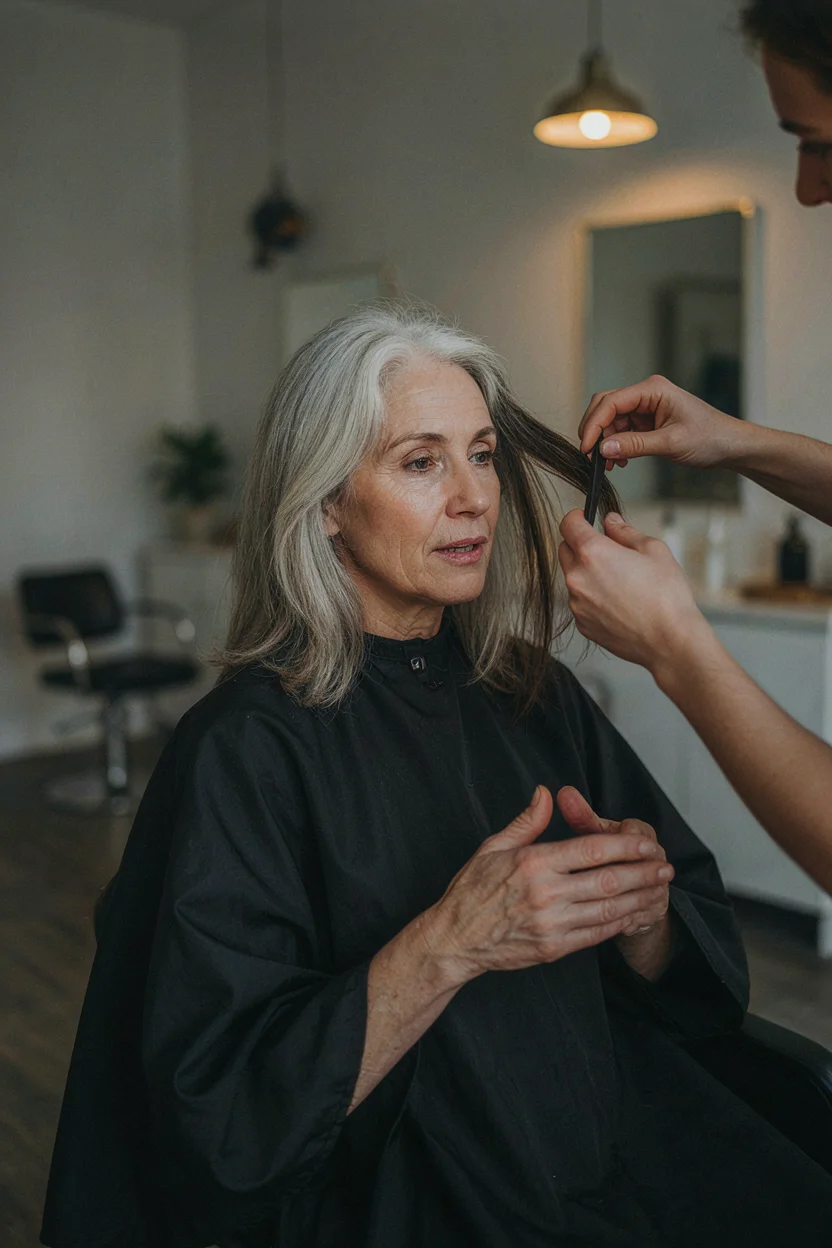
If your goal is a lighter shade than your current color and you have significant gray, understand that this takes multiple sessions. Going from a level 3 to a level 7 over gray hair is not a one-visit job. The existing color must be addressed first. The gray needs to be lifted. Then the target tone gets applied.
Each session typically runs $120 to $200 for color correction work. The total depends on how many levels you need to move and how much previous color is on the hair. Three sessions is common for a significant level change over gray.
Between sessions, the hair needs time to recover. I schedule follow-ups 4 to 6 weeks apart. Rushing the process damages the cuticle and makes the final result less predictable.
If your colorist suggests gray blending instead of full coverage, that is a different approach entirely. Blending uses highlights and lowlights to integrate the gray into the overall color rather than covering it completely. The maintenance interval stretches to 8 to 12 weeks. The cost per session is typically $150 to $250. The result is softer grow-out with less commitment. See the gray coverage at home guide for what to expect when you transition between approaches.
The Level You Choose Is the Result You Get
Hair color levels are not complicated. They are a 1-to-10 scale that tells you exactly how much pigment your color will deposit. Lower numbers cover gray. Higher numbers do not. That single fact, understood before you pick up a box or sit in a chair, saves you from weeks of watching your roots show through.
Every permanent color has a level number. Find it. Read it. If you are covering gray at home, stay at level 6 or below. Above that, you are choosing to blend, not cover. If you want full coverage, you need the pigment that comes with a lower level. That is not an opinion. That is how the chemistry works.
Frequently Asked Questions
Is hair color level the same as tone?
No. Level measures depth on a 1-to-10 scale, from black to lightest blonde. Tone measures warmth, measured separately as warm, cool, or neutral. A level 5 can be warm or cool. The level tells you how dark or light the color will appear. The tone tells you what temperature it reads as.
Does all gray hair start at level 10?
Gray hair is not automatically level 10. White hair has no pigment, which makes it appear very light, but its level depends on the surrounding context. Against a level 3 base, gray reads as white. Against a level 8 base, gray blends in. The level system describes your colored result, not the raw gray itself.
Can I cover gray at level 7 or higher?
You can attempt it, but the coverage will be poor. At level 7, gray hairs take on a faint tint rather than full color. At levels 8 through 10, there is not enough pigment to deposit anything meaningful on white strands. For reliable coverage, stay at level 6 or below.
Why does my gray coverage look different from my friend’s when we use the same level?
Texture and gray percentage change the outcome. Coarse, wiry gray hair resists color deposition more than fine gray hair. Someone with 30 percent gray and fine texture will get better coverage at level 5 than someone with 80 percent gray and coarse texture using the same formula. The level is the same. The hair receiving it is not.
How often do I need to color to maintain gray coverage?
Most permanent color applications need a root touch-up every 4 to 6 weeks. The exact interval depends on your level contrast. Darker levels, like 1 through 4, show regrowth sooner because the contrast between the color and white roots is sharper. Lighter levels, like 5 and 6, allow a longer stretch between appointments.
Will going darker give me better gray coverage?
Yes. A lower level deposits more pigment, and more pigment means better coverage on white hair. Going from a level 6 to a level 4 will noticeably improve gray coverage. The trade-off is darker overall color and more visible grow-out. If full coverage is the priority, the darker level delivers it.
Level Is the Foundation
Every color decision starts here. The level you choose determines coverage, maintenance, and how often you sit in a chair or stand at your bathroom mirror with a bottle and a brush. Get the level right and the rest follows. Get it wrong and you spend the next six weeks wondering why your roots look the way they do. The scale is simple. The results are not subtle.
— Margot