Balayage Aftercare: How to Keep It Fresh Between Appointments
I give the balayage aftercare talk at the end of every appointment and watch eyes glaze over, which is backwards, because the part people tune out is the part that decides what the color looks like for the next two months. Here’s the whole thing in one line: wash less and cooler, protect the hair from heat and sun, and put the gloss visit on the calendar at 6 to 8 weeks, because the tone is the part that fades and the gloss is what resets it. The lift underneath is permanent and will still be there in a year. Everything in this guide is about the half that isn’t.
The Balayage Aftercare Calendar at a Glance

The table below is the whole article on one card. The rhythm bends a little with your tone — cool shades drift on the shorter end of every window — but the shape holds for everyone.
| Window | What’s happening | What to do | Cost |
|---|---|---|---|
| First 48 hours | The tone is settling | Skip washing, keep water cool | $0 |
| Weeks 1 to 6 | The tone is at its peak | The short routine below, heat protected | Routine only |
| Weeks 6 to 8 | The tone starts to drift | The gloss visit | $50 to $90 |
| Months 4 to 6 | The root has grown, the lift is intact | The repaint decision | $150 to $350, or less |
That’s it. Four windows, two of them free. The rest of this guide is each one in detail, in the order you’ll meet them.
The First Two Weeks at Home
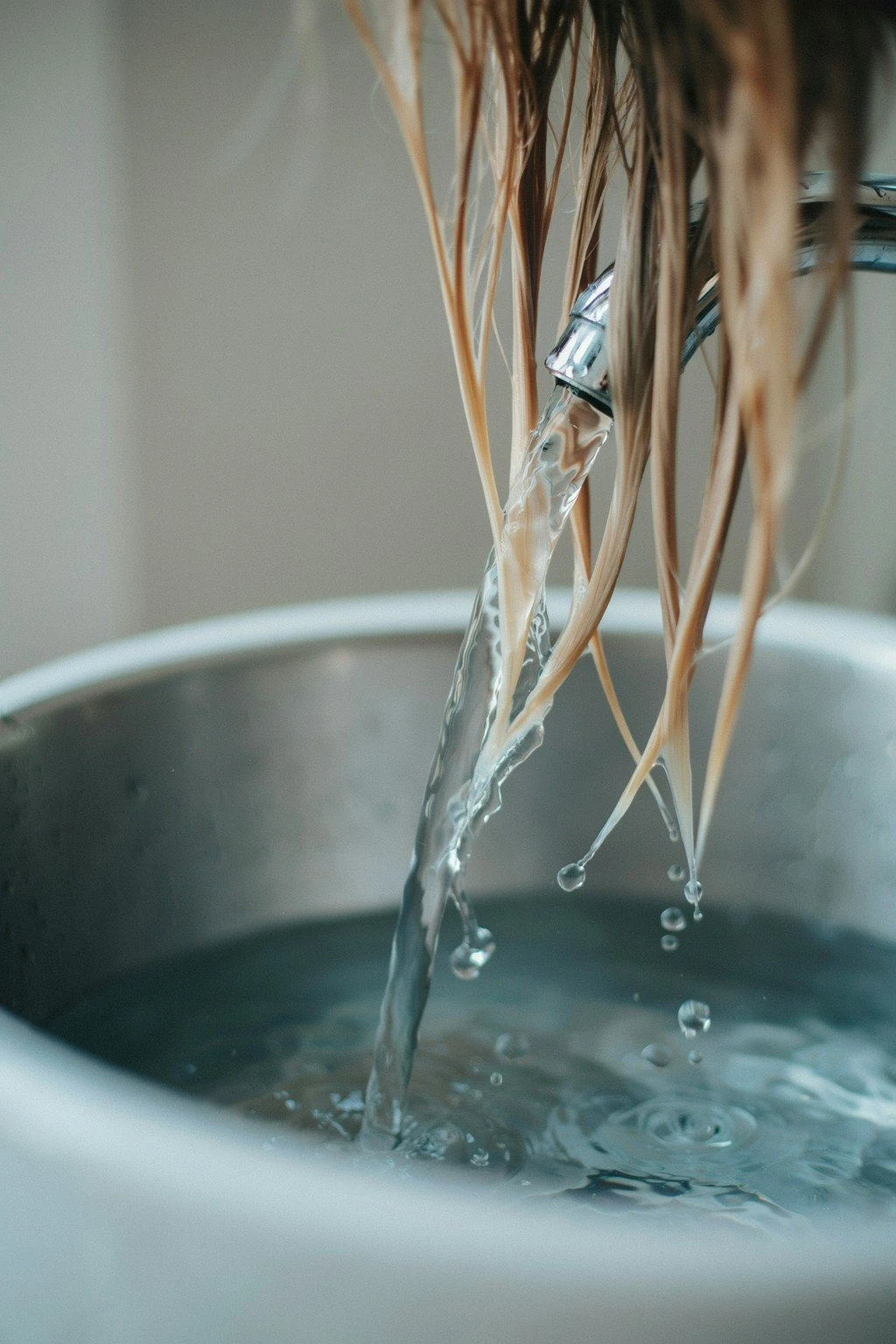
The first 48 hours are the easiest and the most ignored. The tone is still settling into the lift, so skip washing for two days, keep any water that does touch it cool rather than hot, and stay out of pools and heavy heat for the same stretch. None of this is ritual. It’s giving the gloss you paid for the two days it needs to set.
After that, the routine is smaller than people expect. The full version, for the days you have the time:
- A color-safe wash, two to three times a week at most, in cool or lukewarm water
- A light mask or deep conditioner once a week, mid-lengths down
- A heat protectant before any hot tool, every time, no exceptions
- A wide-tooth comb on wet hair rather than a brush, because lifted hair is weakest wet
The two villains in that list deserve their mechanism. Hot water opens the cuticle and lets the tone rinse out with the suds, which is why temperature is a color decision and not a comfort one. Chlorine is worse, stripping tone and leaving a dull film on lifted hair, so wet the hair with clean water and leave a little conditioner in before a swim, and wash it out the same day. Both problems are cheaper to prevent than to gloss back.
And the 5-minute version, because real weeks have real mornings in them: color-safe wash, a leave-in conditioner through the ends, air-dry or rough-dry without a brush. That’s it, and on most days it’s enough. The routine that keeps color isn’t the elaborate one. It’s the one you’ll actually do.
The Gloss Window
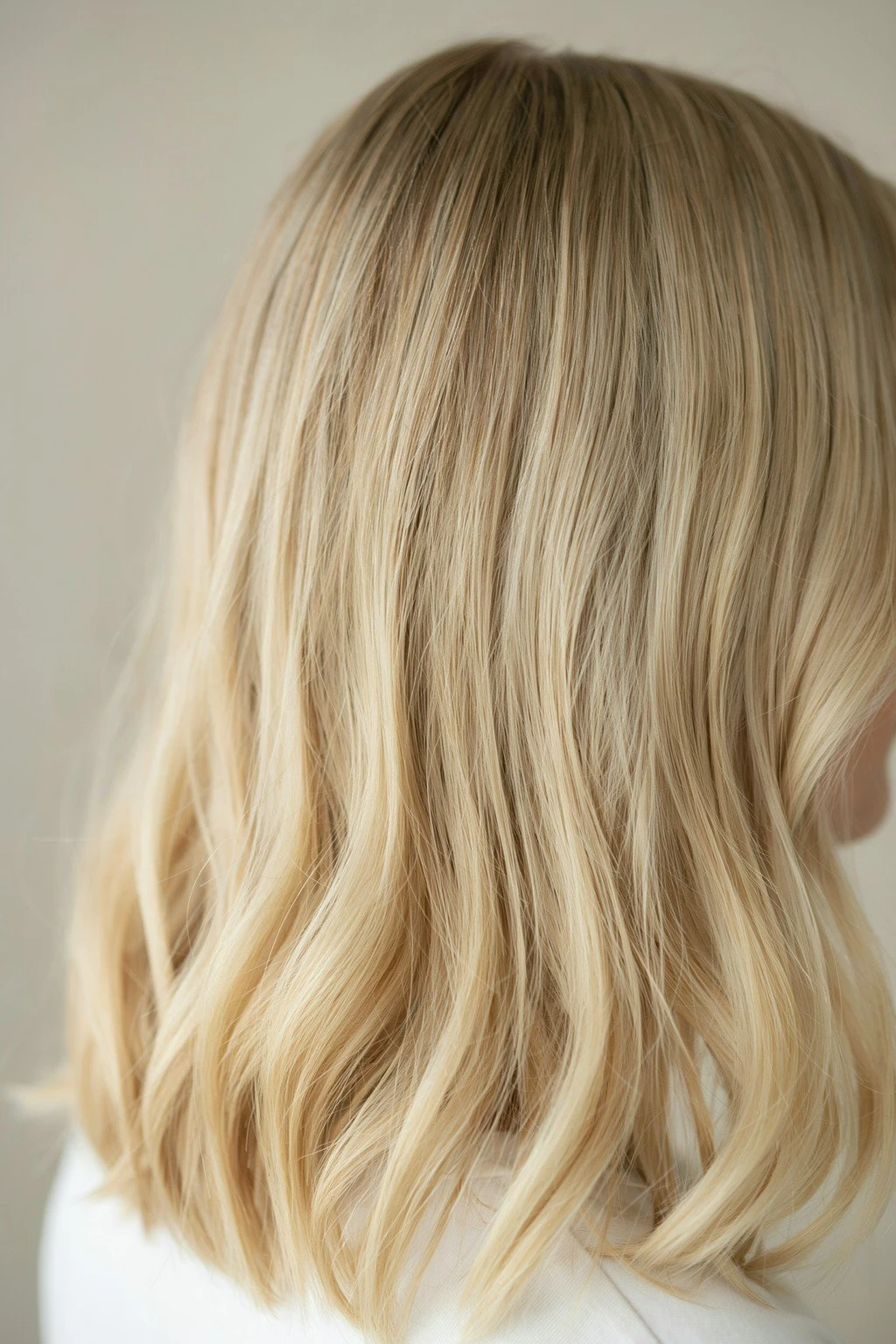
Around 6 to 8 weeks, the tone begins to move. Warm shades drift brassier, cool shades flatten and lose their edge, and the change is gradual enough that you notice it in a photo before you notice it in the mirror. This is the gloss window, and it’s the single most important date on the calendar: a $50 to $90 visit that replaces the tone without touching the lift, under an hour, and the cheapest appointment in the whole year. Cool tones run on the shorter end of that window, so ash and beige results book at four to six weeks instead.
The move that saves the most money is the smallest: book the gloss before you leave the chair at your last appointment, while the schedule is still in front of you. If the drift has already gone further than you’d like, the fix and the reason are both covered in the correction guide.
The visit itself is the gentlest one on the calendar, worth saying because people brace anyway. It happens mostly at the bowl: the tone goes on, sits, rinses, and the hair comes out looking like the day it was painted, with no new lift and nothing new to grow out. Under an hour start to finish. Clients who dread upkeep almost always mean the big appointments, and this isn’t one of those.
Nine years of watching color leave the salon and go home with someone has settled one belief for me past any doubt. The appointment paints half the color, and the next eight weeks at home paint the other half, and almost nobody schedules that second half.
The appointment paints half your color. Your bathroom paints the rest.
The Repaint Decision
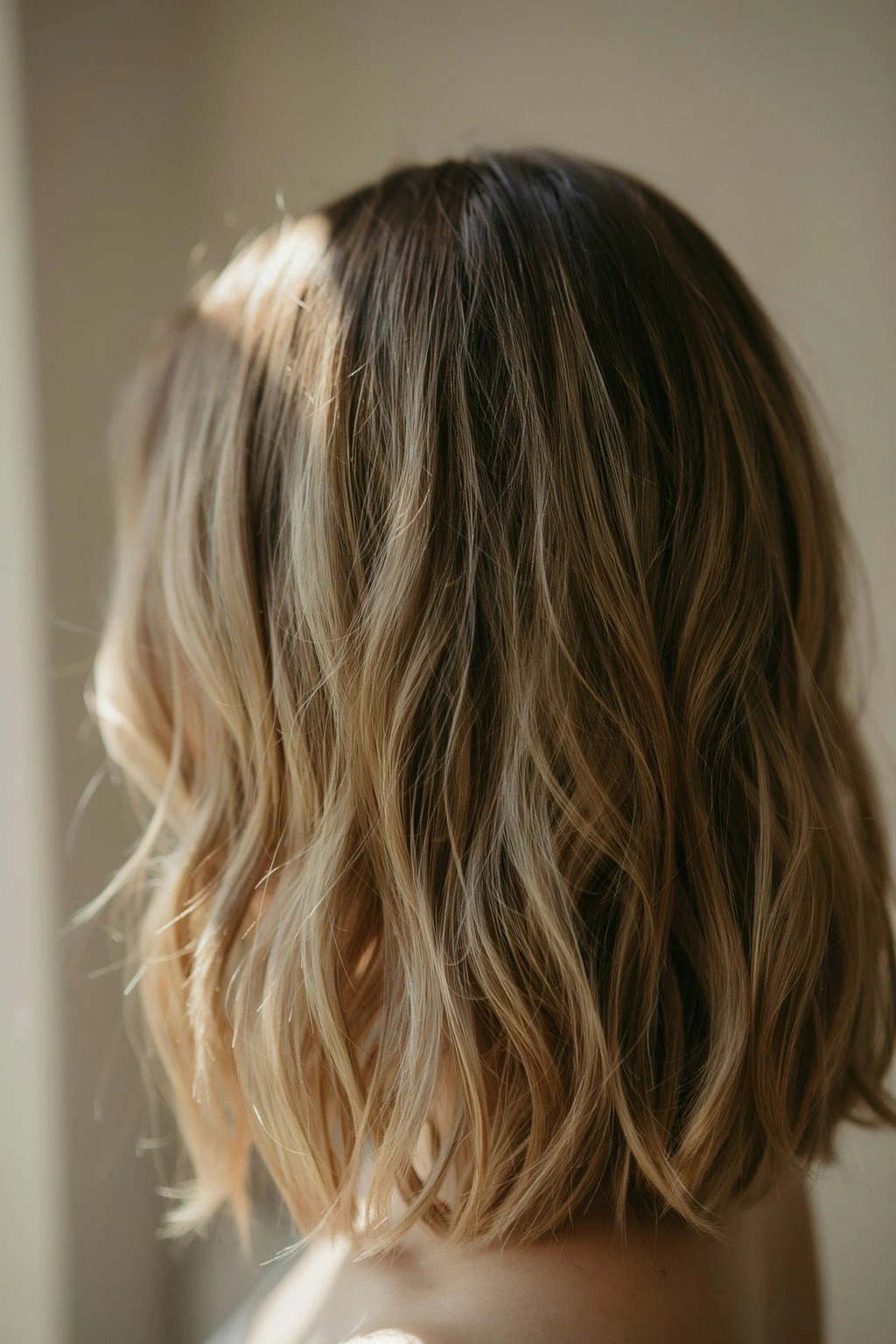
Between months four and six, the fork arrives, and painted placement makes it a gentler fork than any root color gets. Because there’s no hard line, three paths are all honest: a full repaint at the usual $150 to $350 band for people who want the result renewed, a root shadow or blend at gloss pricing for people who want three or four more months out of what’s there, and simply letting it grow, which costs nothing because the gradient fades into the background rather than growing out as an edge.
The decision belongs to your calendar and your budget, not to any rule, and the upkeep math behind all three lives in the cost guide if you want the yearly numbers side by side. The honest way to choose is three questions: do you still love the shade, does the rhythm fit the season ahead, and which option keeps the hair in the best condition? Two yeses and a condition win usually point to the shadow. What I’ll say is that the shadow route is the most underrated move in balayage upkeep: it buys a season at gloss pricing, and plenty of people discover they liked the grown-out version better.
The Three Mistakes That Age Balayage Fast
Three habits do most of the damage that people blame on the color. The first is depositing more color at home over the top, because fresh box dye over lifted hair lands darker and muddier than the box shows and puts an unknown layer over everything the next appointment has to work through, and deposit can’t lift what’s already there anyway. The second is toning washes used daily instead of weekly, which over-cools the hair toward grey and dries it out at the same time. The third is heat without protection, which strips tone and shine together and makes a six-week gloss look six weeks old by week three. All three share the same fix, which is doing less rather than buying more.
One threshold deserves its own sentence. If your scalp itches, flakes, or turns sore after any product or appointment, that’s a dermatologist conversation before it’s a colorist one, and no gloss should touch skin that isn’t calm.
Frequently Asked Questions
How often should balayage be washed?
Two to three times a week at most, in cool or lukewarm water, because every wash takes a little of the tone with it and hot water takes more. The lift underneath doesn’t wash out; the gloss on top does, which is why wash frequency is really a tone-preservation decision. On non-wash days, a rinse with cool water alone resets the style without spending anything. Less washing is the single free upgrade in aftercare.
What products keep balayage fresh?
Four types do the whole job: a color-safe wash, a weekly mask or leave-in conditioner for the lifted sections, a heat protectant used every time heat appears, and a toning wash once a week at most if your shade is cool. Buy them by type rather than by brand, because the category is what works, not the label. The order matters less than the consistency. A modest routine done every week beats an expensive one done sporadically.
Can I use purple shampoo on balayage?
Once a week at most, and only on the parts that need it, which is the lifted hair rather than the base. Violet deposit slows yellow on warm blonde sections and blue does the same for orange, but it’s a thin coat rather than a correction, and used daily it dries the hair and pushes the tone toward grey. When the drift is obvious, the answer is a gloss, not more shampoo. Think of the wash as holding the line between glosses.
Do I need special care after a gloss visit?
The same first-48-hours rules as the big appointment: skip washing for two days, keep the water cool, and stay out of pools. A gloss is deposit work, so there’s no new damage to baby, but the fresh tone sets the same way and rewards the same patience. After those two days, the routine picks back up exactly where it left off. The gloss resets the clock, and the care is what the clock runs on.
What happens if I skip the gloss?
Nothing dramatic, and that’s the honest answer: the lift stays, the tone keeps drifting, and the result slowly turns warmer or flatter than the one you chose. Warm shades drift brassier at around 6 to 8 weeks, cool ones sooner, and the gap between the photo and the mirror widens by the month. Skipping once is a choice; skipping every time is how people decide they don’t like balayage, when what they disliked was the drift. The gloss is the difference between those two stories.
Keep the Half You Control
The routine is small on purpose: cool water, fewer washes, heat protected, and two dates on the calendar, one at 6 to 8 weeks and one at the four-to-six-month mark. Do those and the color you walked out with is the color you keep, which was the point of all of it. When the repaint fork finally arrives, there’s a whole guide to growing out on purpose rather than by accident.
Not sure where you are in the calendar? Ask in the comments below with how many weeks it’s been since your appointment and I’ll tell you which window you’re in. — Margot