18 Natural Gray Hair Ideas for Black Women Over 50
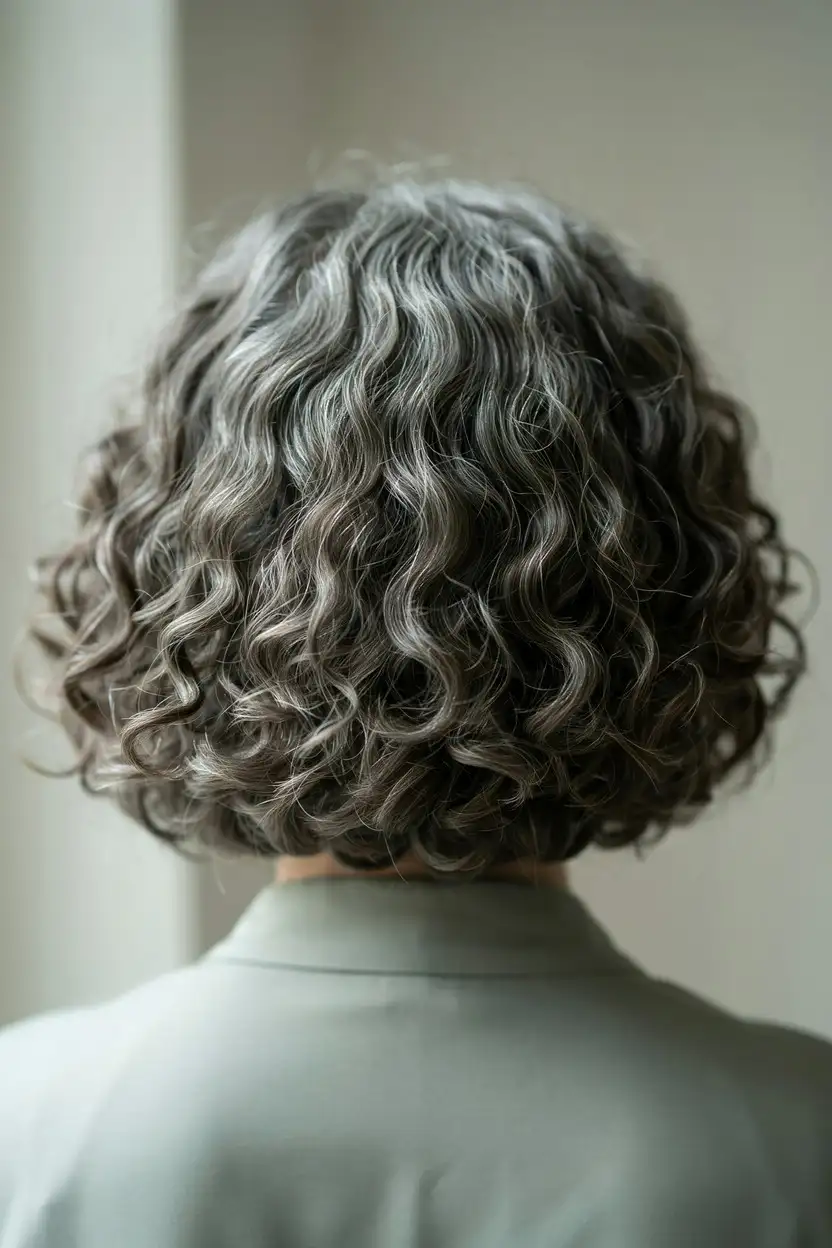
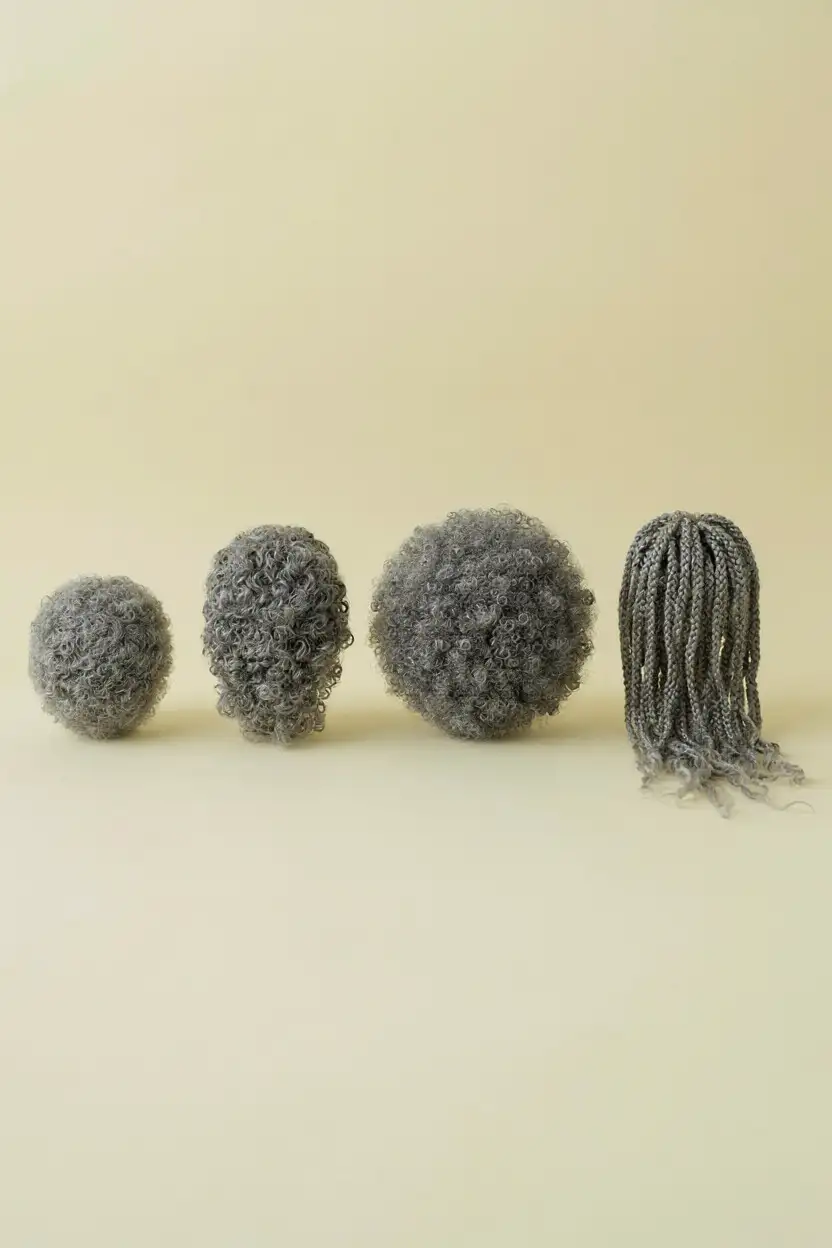
Natural gray hair over 50 asks different things of coily and curly texture than it does of straight hair, and almost none of the standard silver advice accounts for that. Coily hair is already more fragile at every bend in the strand, gray hair is already more porous, and the two together change what a cut holds and how often moisture has to be replaced. These are sorted by length and by how much handling each one asks for. I have written a great deal about silver on straight hair and far less about this, which is the wrong way round given how much of the demand sits here.
What Coily and Curly Gray Hair Actually Needs
Gray hair is frequently coarser, wirier, and more porous than the pigmented hair it replaced. On coily texture that porosity compounds, because each bend in the strand is a point where the cuticle is already under strain and moisture leaves faster than it does from a straight shaft.
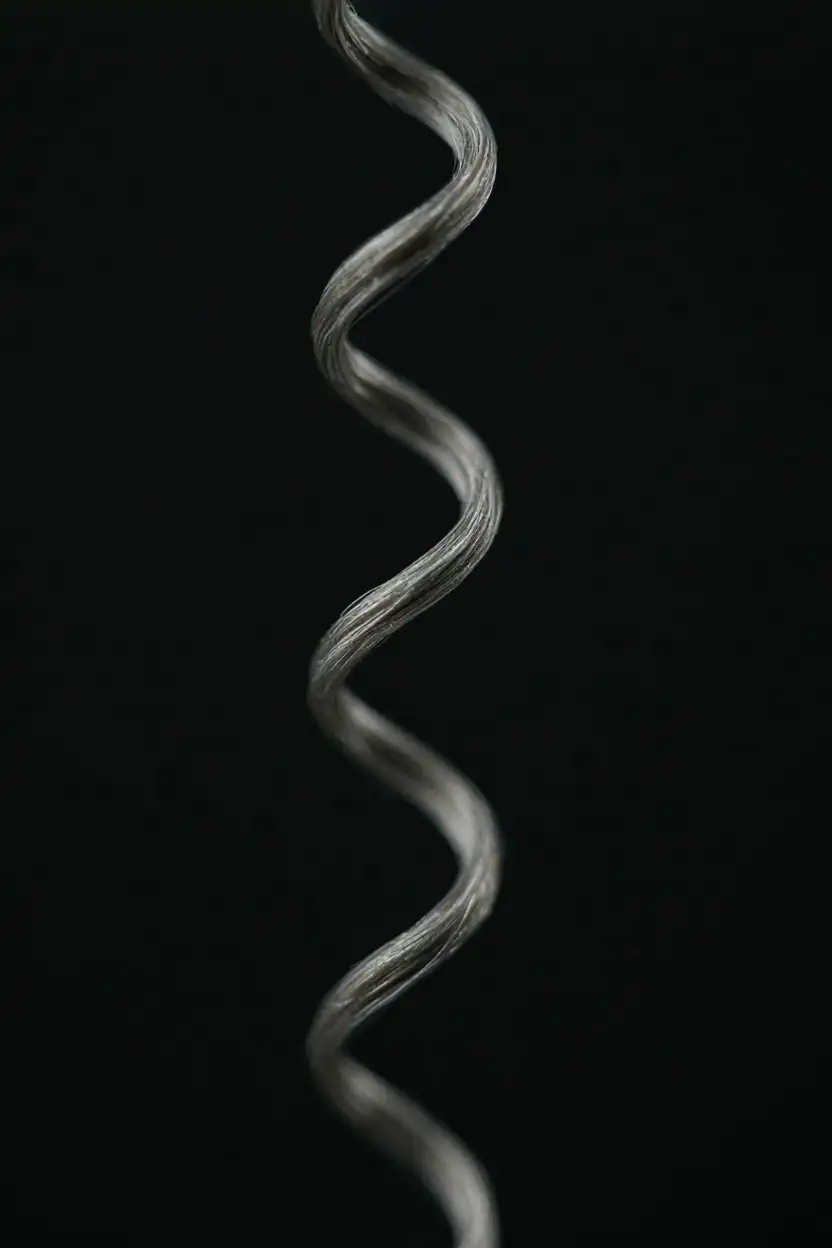
The practical result is that silver coils need moisture replaced more often and handled less often. Most people do well with a shaping every 8 to 12 weeks and a deep conditioning treatment weekly rather than monthly. Coarseness works in your favor on shape retention, which is why cut intervals frequently lengthen after a transition rather than shortening.
Short and Tapered
Short shapes put the brightest, coarsest hair where light reaches it, and they remove the length where moisture loss does the most visible damage.
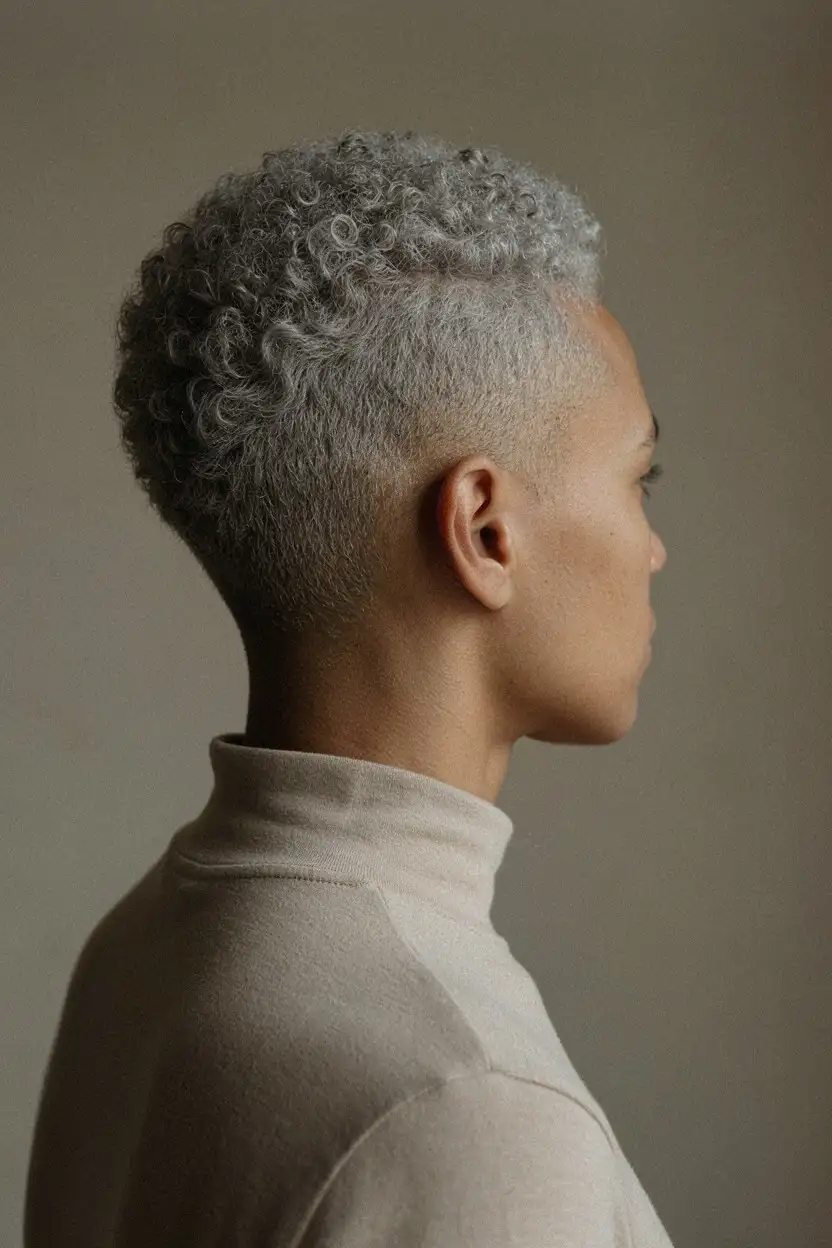
The Rounded Silver Cut
A rounded shape works with coily silver rather than against it, and coarse gray holds that roundness noticeably longer than finer hair. Shaping every 8 to 10 weeks keeps it even. Moisture matters more here than cut frequency does.
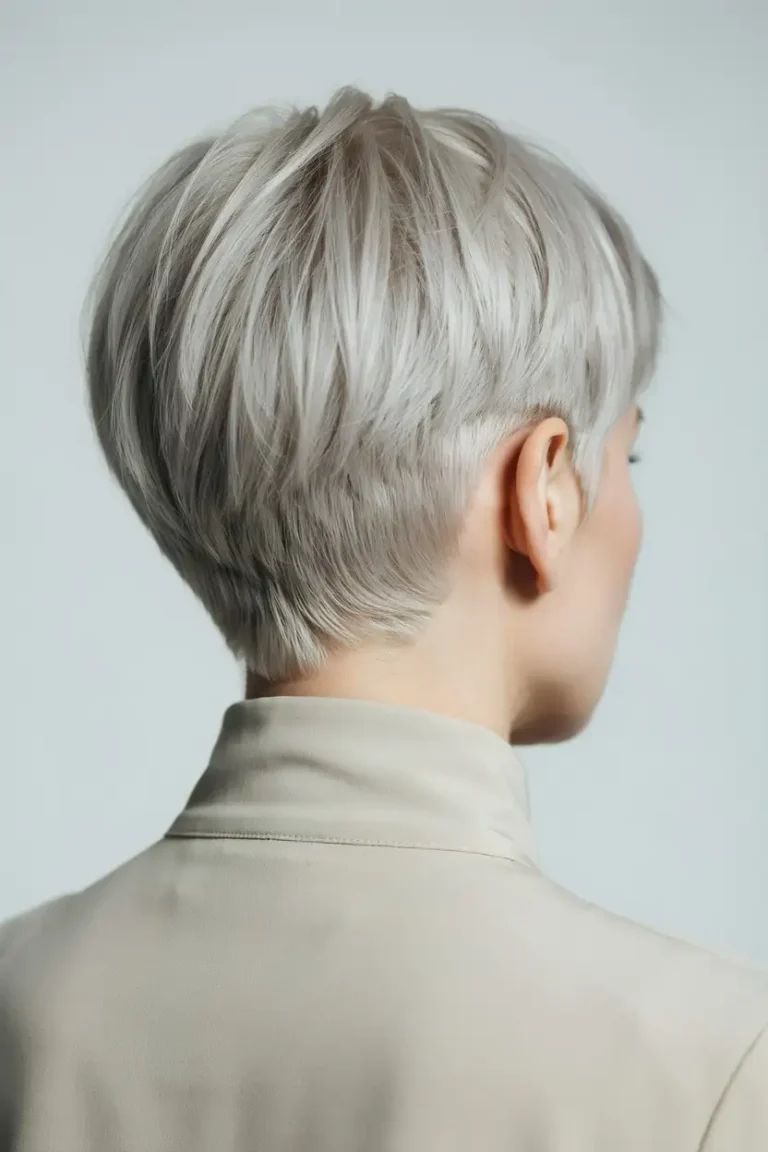
Tapered Sides With Height on Top
Taking the sides down while keeping length on top gives height without width, which is the usual complaint at short lengths. The sides need attention every 4 to 6 weeks while the top can wait for 10. It is two intervals living inside one shape.
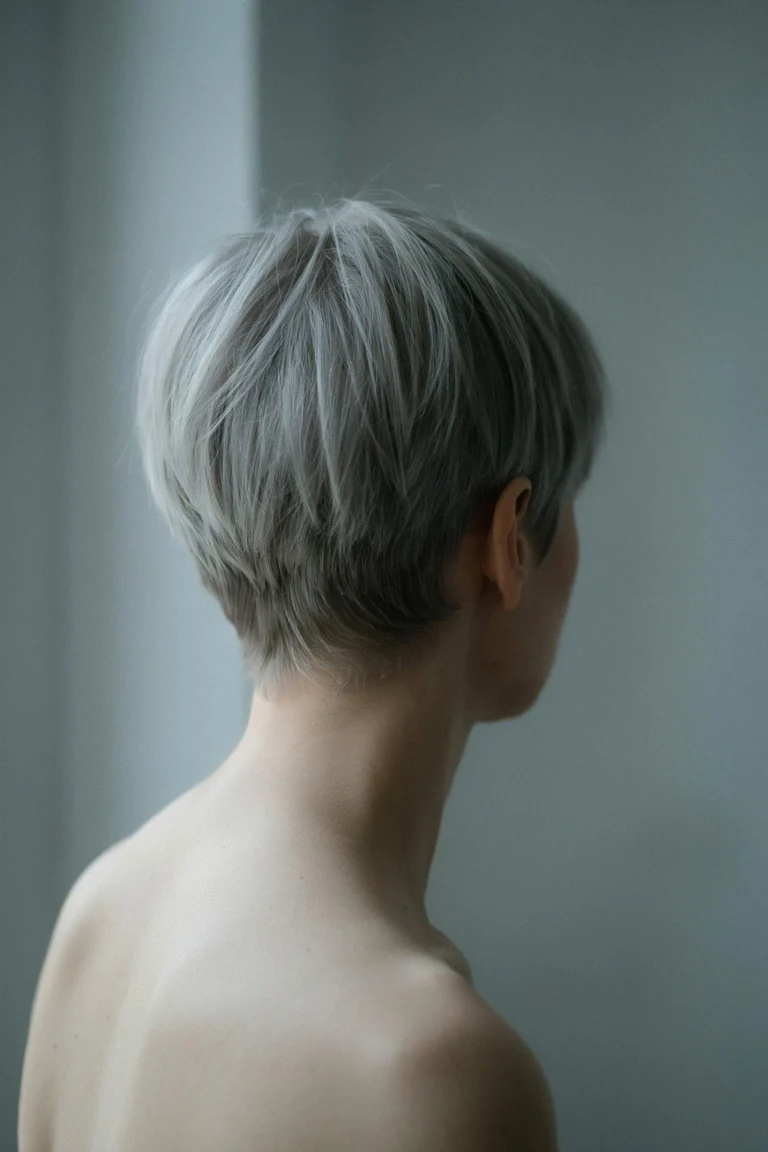
A Close Silver Crop
Cutting close all over is the lowest-handling option on this page and the one that shows silver most plainly. Reshaping every 4 to 6 weeks keeps the line clean. It also ends any remaining transition immediately, since there is no colored length left to grow out.
An Asymmetric Taper
Leaving one side longer gives a short shape somewhere to move and reads as deliberate rather than uniform. It needs the same 6 week interval as any taper. The asymmetry survives growing out better than a symmetrical crop does.
Coils and Curls Worn Out
Worn out is where definition matters most, and where product weight decides more than technique does.
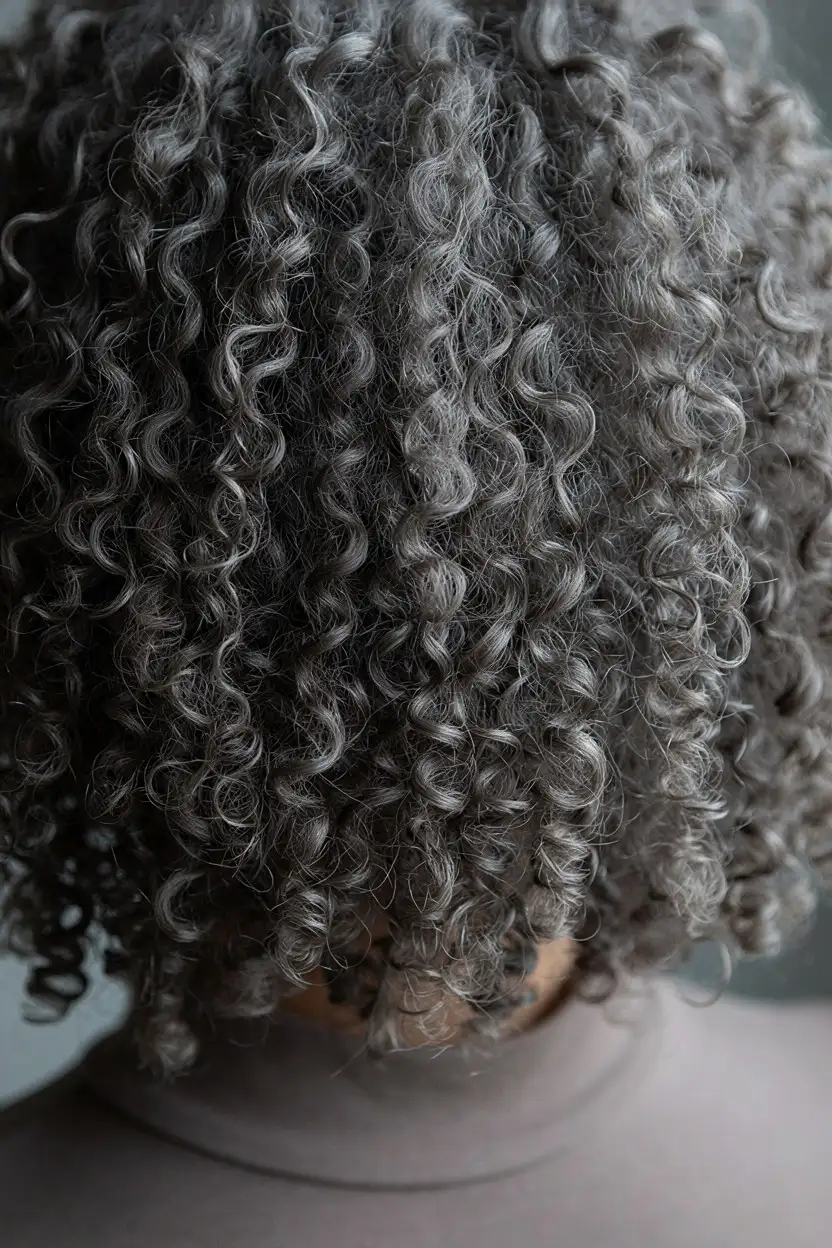
Definition With a Lighter Gel
Heavier creams flatten coarse gray coils rather than defining them, so a lighter gel over damp hair generally gives more shape at the same length. This is a routine change rather than a service, so the cost is whatever the product costs. Finding the right weight usually takes a few wash days.
A Wash-and-Go on Silver
Silver coils scatter light differently from dark ones, so a wash-and-go reads with more visible separation and less apparent volume. Adding a leave-in under the gel restores the moisture the porosity keeps taking. Expect the style to hold 3 to 5 days before a refresh.
Twist-Outs for Stretched Definition
Twisting damp hair and releasing it once dry stretches the coil without heat, which matters more on porous silver than on pigmented hair. I moved to twist-outs entirely once my own silver came in, having spent years reaching for a flat iron instead. Each set takes an evening and holds 4 to 6 days. Heat damage is not recoverable, so a heat-free stretch is worth the time it costs.
Layered Shaping Through Worn-Out Coils
Cutting layers into a worn-out shape lets the coarser silver move rather than sitting in a solid block. The shape needs revisiting every 10 to 12 weeks. Cut it dry and in its natural pattern, since shrinkage between wet and dry regularly produces a length nobody predicted.
Coarse silver coils hold a shape better than the hair you had before. The texture people complain about is doing half the work of the cut.
Length, Kept and Protected
Length on porous silver is a maintenance decision rather than a styling one, because the ends are the oldest and driest part of the strand.

Long Silver Worn Loose
Keeping real length means accepting a trim every 10 to 12 weeks, which removes roughly the half inch a month you have grown without shortening the overall shape. Loose wear costs nothing beyond that. It also exposes the ends to more mechanical wear than any protective option does.
Low-Tension Protective Styling
Keeping length tucked away reduces daily handling on the most fragile part of the strand. Tension is the thing to watch rather than the style itself, since sustained pull affects the follicle and not only the hair. Varying the style rather than repeating the same one is what protects the hairline.
Stretched Sets to Reduce Tangling
Banding or braiding damp hair before it dries reduces shrinkage and the tangling that follows it, which is where a lot of length loss actually happens. Each set holds 5 to 7 days. It costs nothing beyond the time.
Cutting to the Silver Line
If colored length still sits below your natural silver, cutting straight to where it starts finishes the transition in one appointment. On 8 months of grow-out that means removing about 4 inches at roughly half an inch a month. It is the only route that ends immediately, and the length loss is real.
Locs and Twists
Locked and twisted styles suit silver for a structural reason: the twist itself shields a more porous strand from daily handling.
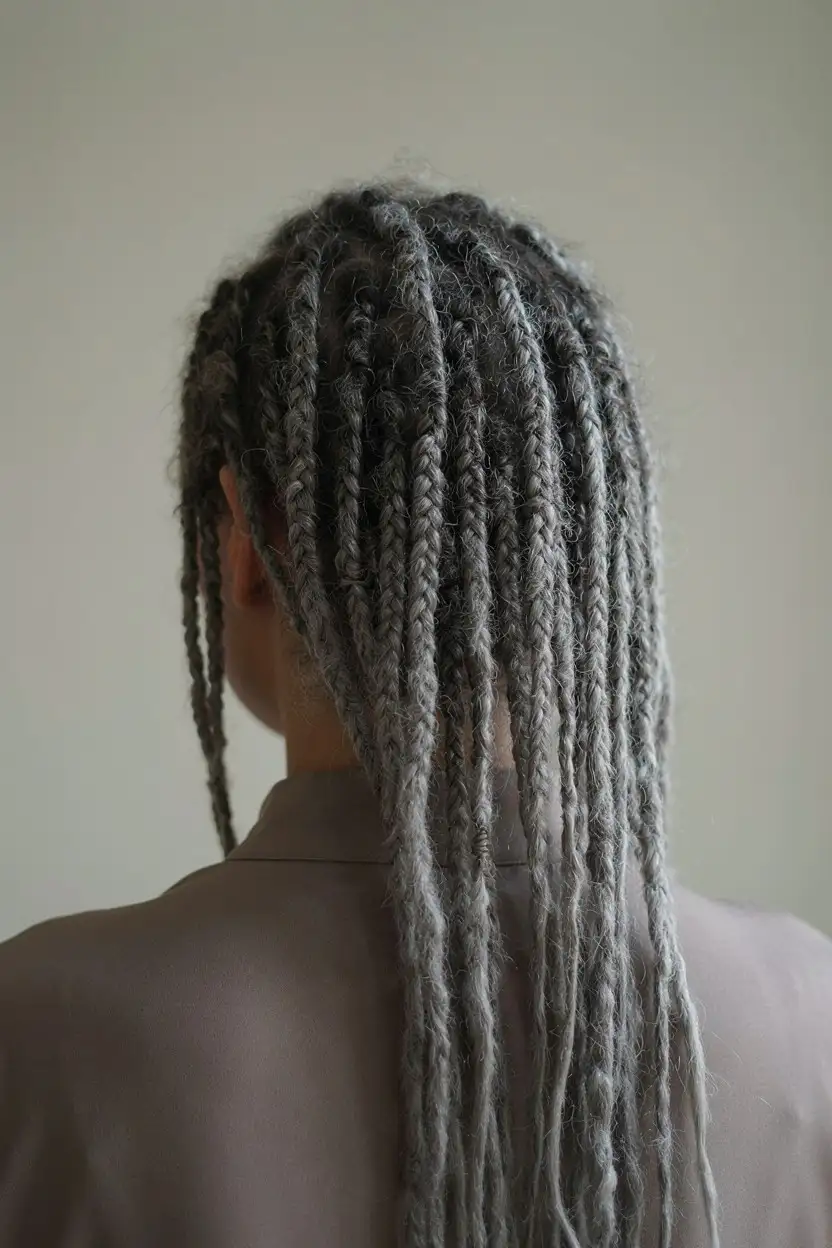
Silver Locs Worn Long
Gray locs need retwisting every 4 to 8 weeks depending on how fast your roots loosen, and silver shows product buildup faster than dark hair because it is lighter. A clarifying wash monthly keeps them from dulling. Length is largely a question of patience at half an inch a month.
Two-Strand Twists Through Gray
Twists give definition and protection at once and hold 1 to 2 weeks before they need redoing. On coarse silver they hold at the longer end of that range. The setting time is the cost rather than money.
A Shorter Loc Shape
Cutting locs into a defined shape rather than wearing them all one length gives silver somewhere to catch light. Reshaping every 3 to 4 months is enough. It also removes the oldest, most weathered ends.
Keeping Natural Gray Hair Bright
Silver picks up more than dark hair does, and on porous coily texture it picks up faster.
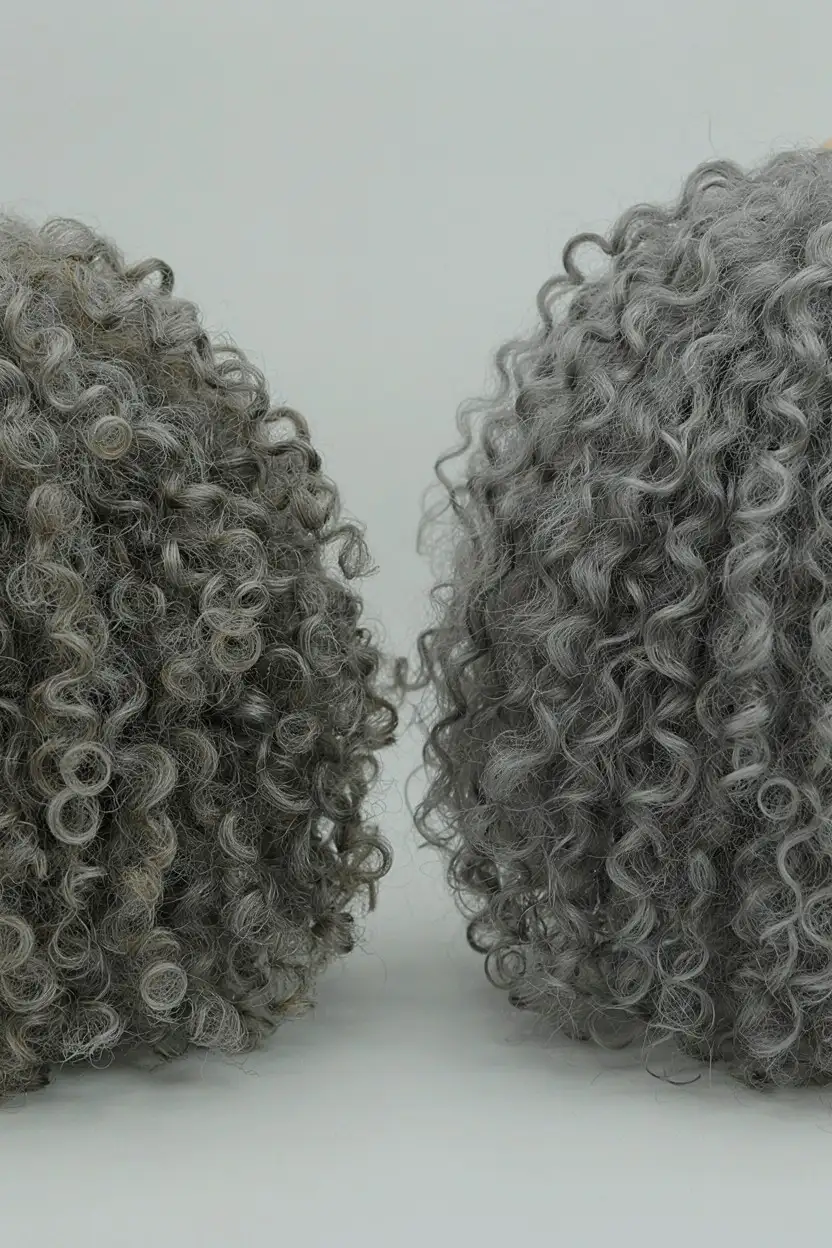
Purple Toning, Used Carefully
Purple shampoo deposits violet pigment to counter yellowing from product, sun, and minerals. On porous silver every 3 washes is usually enough, and every wash turns it dull and faintly lilac. Over-toning is far easier to do than to undo, and porous hair over-tones fastest of all.
Chelating Monthly for Hard Water
Above roughly 120 ppm, mineral deposit shows on silver as a yellow cast within weeks. A chelating shampoo removes it, and once a month suits most water. More frequent use strips more than the mineral.
Deep Conditioning on a Schedule
Porous gray coils lose moisture faster than they lose tone, so conditioning is the more frequent job. Weekly is the interval most people settle on. This does more for how silver looks than any toner does.
What Each Shape Costs to Keep
| Shape | Cut or set interval | Handling | Cost band per visit | Transition status |
|---|---|---|---|---|
| Close crop | 4 to 6 weeks | Lowest | $35 to $70 | Ends it immediately |
| Rounded shape | 8 to 10 weeks | Low | $50 to $100 | Ends it immediately |
| Tapered with height | Sides 4 to 6 weeks, top 10 | Low | $50 to $100 | Ends it immediately |
| Worn-out coils, layered | 10 to 12 weeks | Wash-day routine | $60 to $130 | Depends on length kept |
| Long and loose | 10 to 12 weeks | Highest | $60 to $130 | 20 to 24 months to grow out |
| Locs | Retwist every 4 to 8 weeks | Low between retwists | $80 to $200 | Grows out with the loc |
Cost bands vary by region, salon tier, and length. Dry cutting and loc maintenance usually sit at the top of whichever band applies.
What to Ask Before the Cut
- Whether your stylist cuts coily hair dry and in its natural pattern, since shrinkage makes a wet cut unpredictable.
- How the shape looks at week six rather than on the day, because that is where most of your time is spent.
- What the plan is for growing this out, since every short shape has one.
- Everything that has been on your hair in the last 3 years, including box color and any relaxer, because both change what any future lightening can do.
- Whether a strand test is needed, if lightening has been discussed at all.
- How much length you are willing to lose, if you are cutting to end a transition.
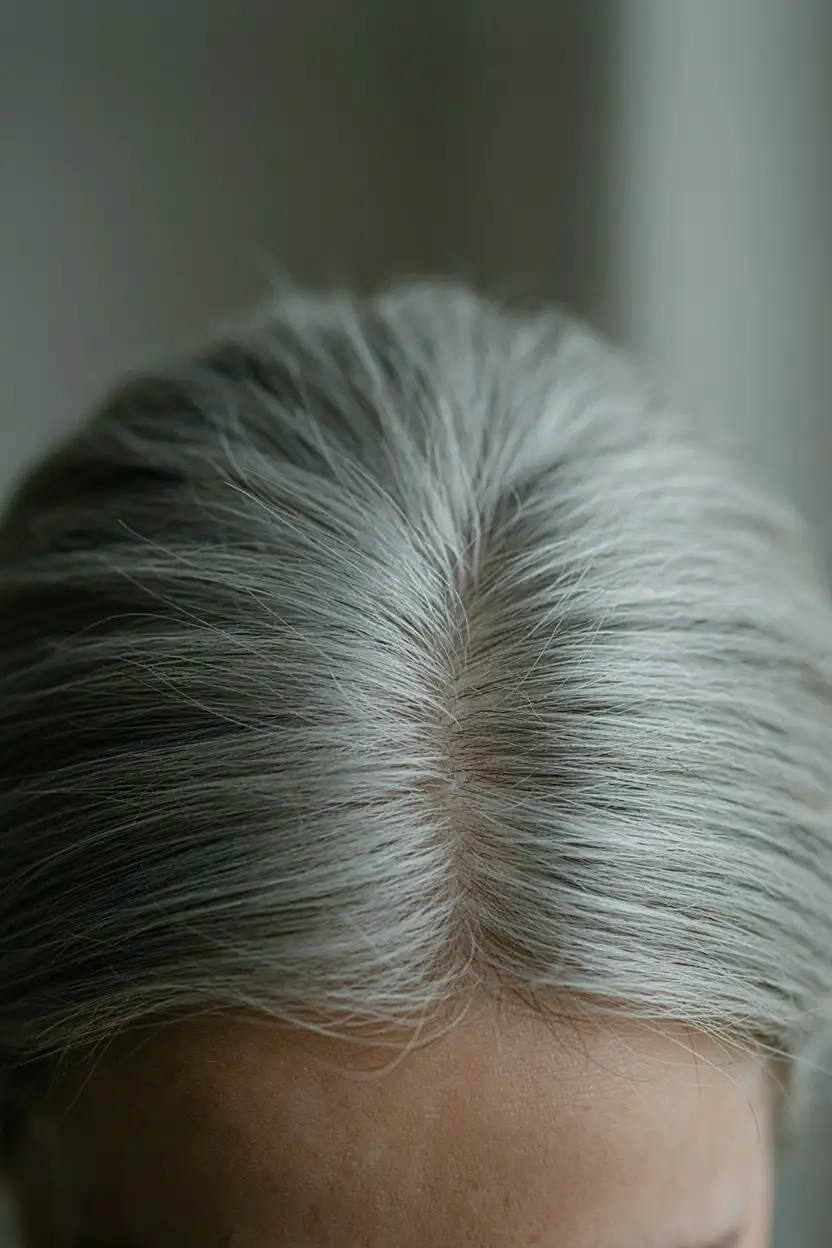
Tension deserves its own line here. Styles worn tightly and repeatedly in the same position pull on the follicle rather than only on the strand, and that is a different problem from breakage. See a dermatologist if the hairline is receding, if a part line has visibly widened, or if shedding stays above roughly 100 hairs a day for more than 6 weeks. That is a medical question rather than a styling one, and it does not belong with a stylist.
If you are still deciding whether to grow out or cut to the line, the transition guide covers what each month looks like, and the maintenance guide covers what silver costs once you are through it.
Frequently Asked Questions
Does natural gray hair need a different routine on coily texture?
It needs the same routine more often rather than a different one. Gray hair is more porous than pigmented hair and coily hair loses moisture faster than straight hair, so the two together mean moisture leaves at roughly double the rate you were used to. Most people move deep conditioning from monthly to weekly and see more change from that than from any product swap. The cut interval usually goes the other way and lengthens, because coarse silver holds a shape well.
Why does gray hair feel coarser after 50?
The follicle changes what it produces as pigment production winds down, and the strand that emerges is frequently thicker, wirier, and less uniform than the one it replaced. That is a change in the hair itself rather than in how you are caring for it. Coarseness is genuinely useful for holding a cut shape and genuinely inconvenient for definition, which is why product weight matters more than it used to. Nothing reverses it, and softening it is a moisture question rather than a protein one.
Can you have highlights on natural gray coily hair?
You can, and the integrity cost is higher here than on straight hair because lift is never damage-free and coily strands are already under strain at every bend. Lowlights are usually the better direction above 60 percent gray, since they deposit rather than lift and give the eye somewhere to rest against all that brightness. If lightening is going ahead, a strand test matters more than usual, particularly on hair with any relaxer or box color in its history. Patch test any new pigment before it goes on a full head, since porous silver takes color faster than the hair it replaced. Fewer levels of lift is the most effective protection available.
How long does it take to grow out gray hair at this texture?
The growth rate is the same as everyone else’s at roughly half an inch a month, so shoulder-length hair takes 20 to 24 months and a short shape takes 12 to 14. Shrinkage makes the grown-out portion look shorter than it is, which is worth knowing before you measure your progress in a mirror. Cutting shorter is the only thing that genuinely shortens the timeline. Coily texture also hides a demarcation line better than straight hair does, which makes the middle stage easier to live with.
Where I Would Start
Move deep conditioning to weekly for a month before changing anything about the cut or the color, because porosity is doing more to how your silver looks than tone is. That one change costs nothing and takes four wash days to show.
If you are choosing between keeping length and cutting to the line, tell me how many months you are into the grow-out in the comments and I will tell you roughly how much length that means losing.
— Nora