Long Layers on Fine Hair: Where Movement Starts Costing Density
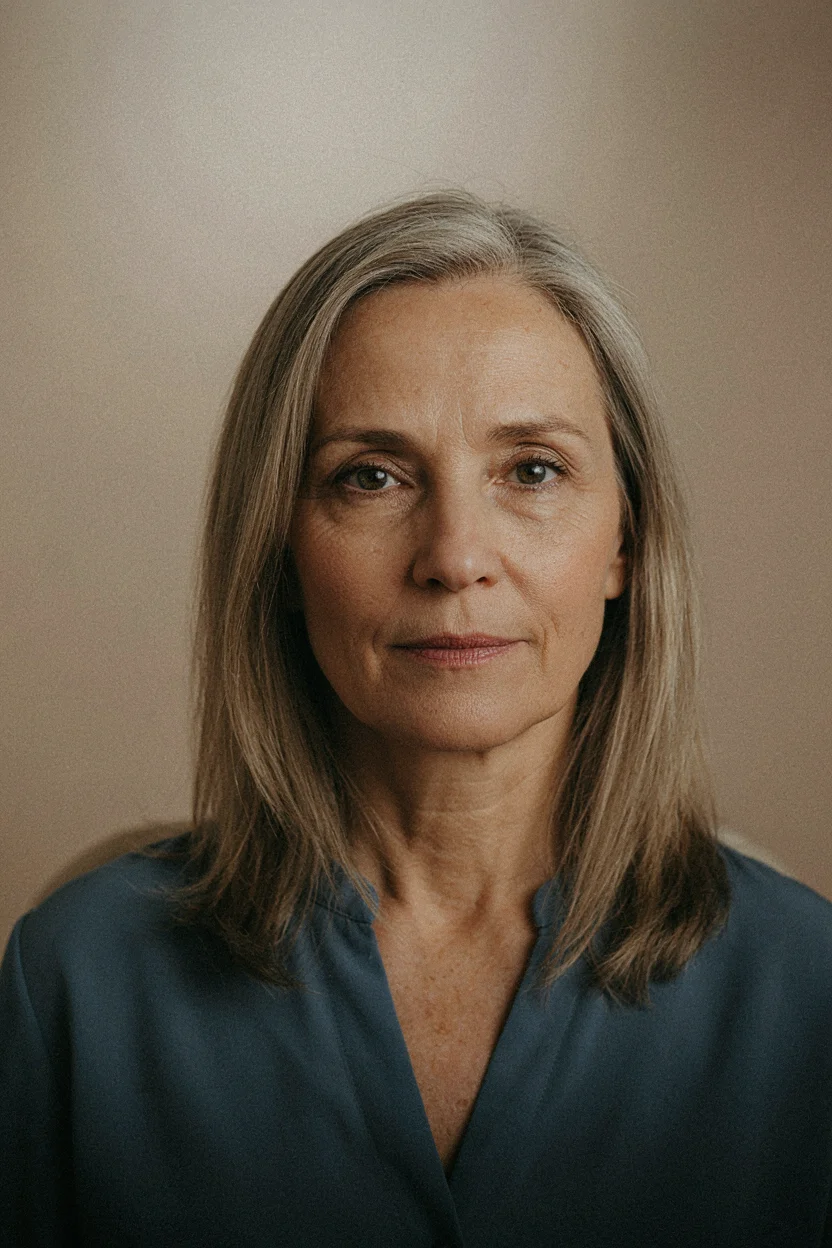
Long layers on fine hair create movement at a specific cost. Every layer removes weight from the interior of the cut. On thick hair, that weight loss is invisible. On fine hair, it shows up as thinner ends and visible scalp through the mid-lengths. The line between useful movement and visible thinning is narrower than most people think.
A client came in last spring with fine, shoulder-length hair. She had asked her previous stylist for long layers to add movement. The layers started at the collarbone. They removed enough weight that her ends went from a solid line to a wispy, separated finish. She said her hair looked thinner after the cut. It did. The layers took density from the only place fine hair can hold it: the bottom edge.
That trade-off is the entire conversation around long layers and fine hair. Movement costs density. The question is how much you are willing to spend.
What Long Layers Do to Fine Hair
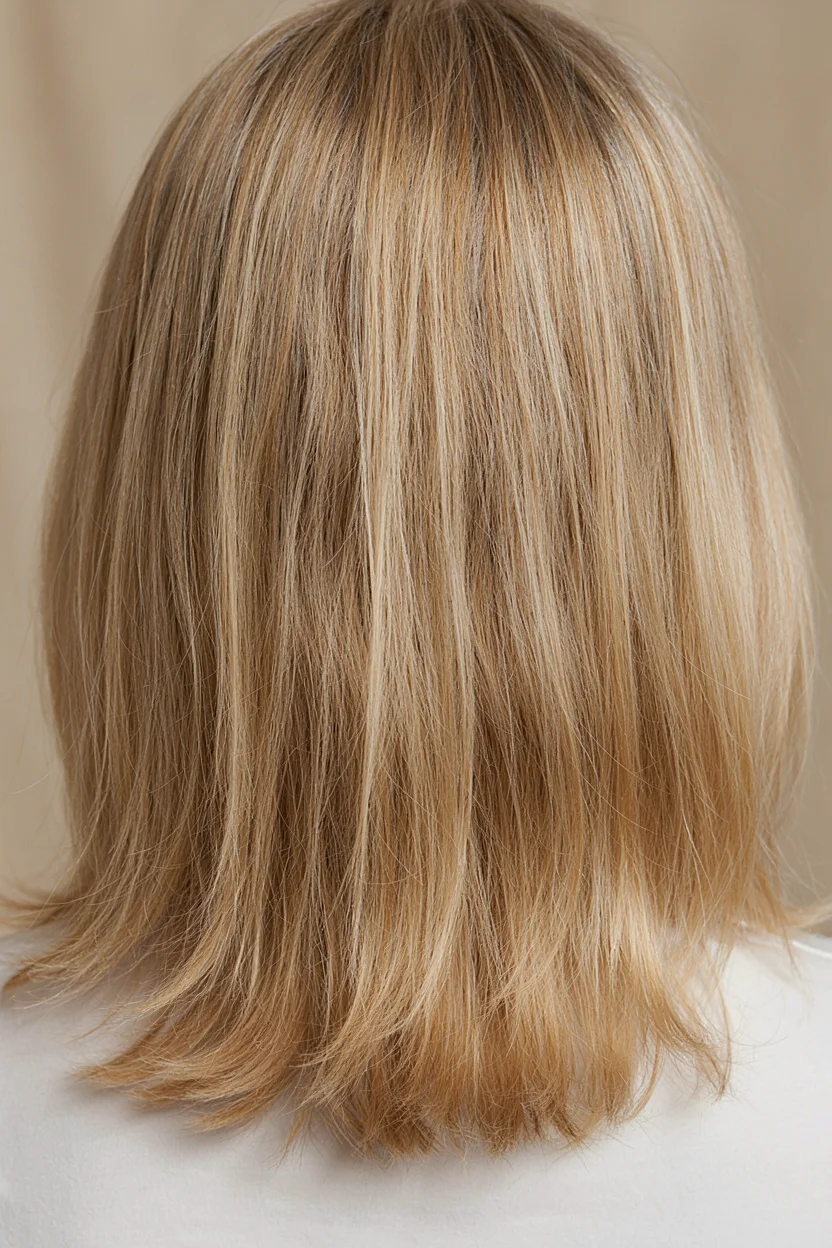
A long layer is a section of hair cut shorter than the overall length. On a shoulder-length cut, a long layer might start at the collarbone and angle up two to four inches. That angled section falls inside the perimeter line and creates separation and motion when the hair moves.
On thick hair, that separation reads as texture. The hair has enough strands to fill the space between layers. The eye sees movement without seeing through the hair to the scalp.
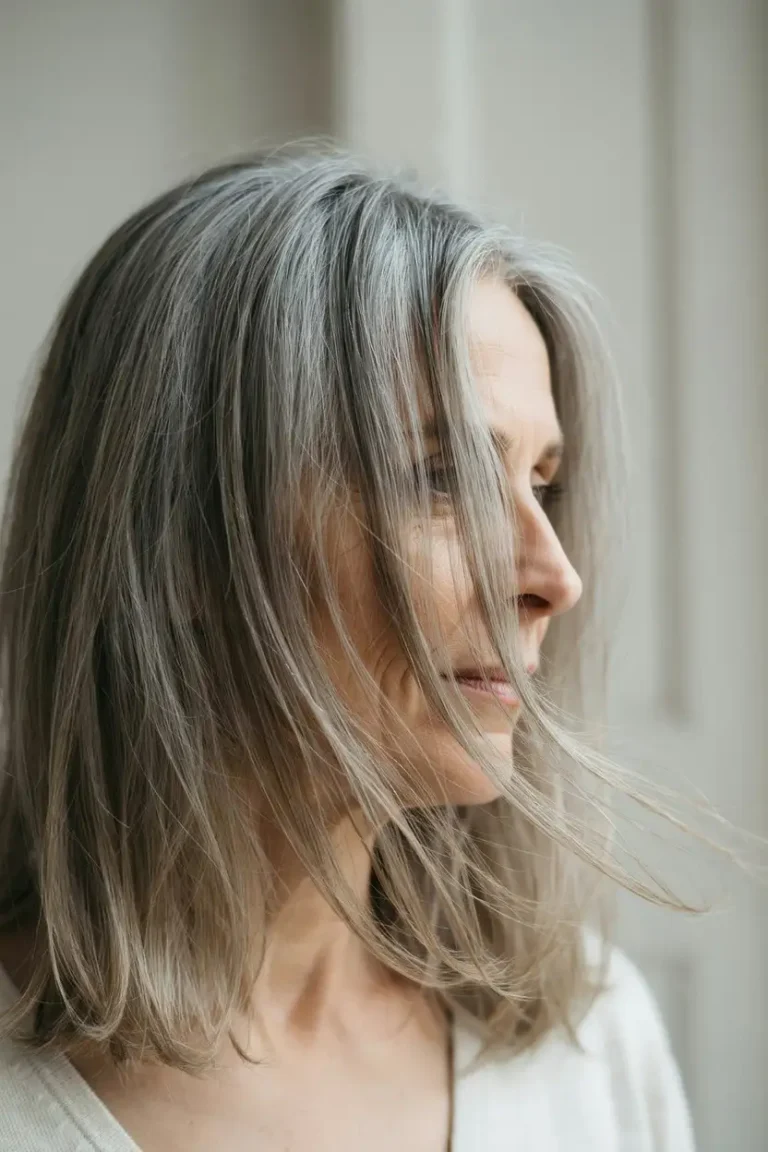
On fine hair, the same layer creates visible gaps. Fine hair has fewer strands per square inch. When you cut some of those strands shorter, the remaining strands at the perimeter have to cover more space with less material. The result is ends that look sparse and a mid-length area where the scalp is partially visible.
The longer the hair, the more this matters. Fine hair at shoulder length has some weight to hold it together. Fine hair at mid-back length with layers has almost no density at the bottom. The layers have distributed the weight so evenly that nothing sits together anymore.
Light Layers: The Ones That Preserve Density
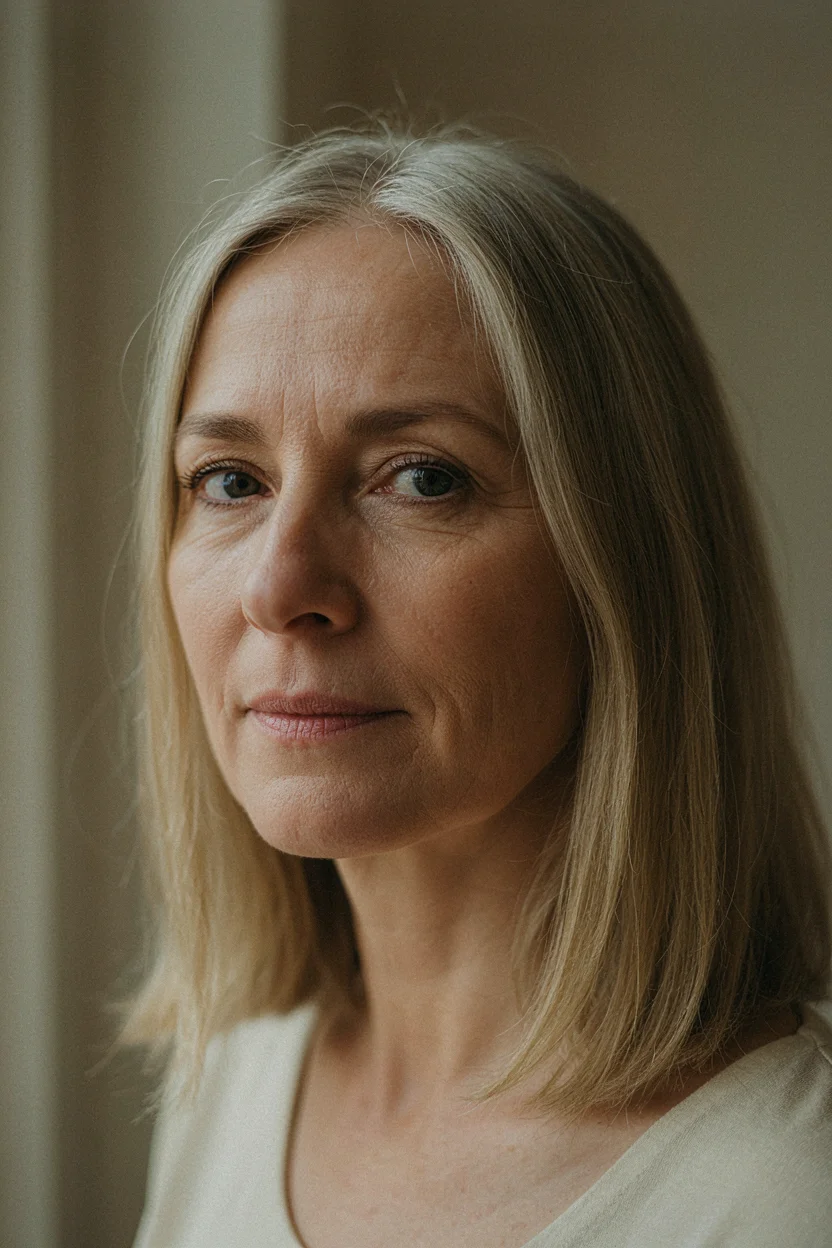
Light layers remove minimal weight. On a shoulder-length cut, they start no higher than two inches above the bottom edge. The layer angle is shallow. Only a small percentage of the total strands are cut shorter.
This approach gives you a slight lift at the crown and some movement through the midshaft without thinning the ends. The perimeter line stays mostly intact. The density holds.
I recommend light layers for fine hair that is straight to wavy and at or above shoulder length. The styling benefit is real: a round brush blow-dry picks up the layers and creates a soft bend through the body of the hair. The density cost is minimal because the layers are shallow and few.
Styling takes five to seven minutes. Blow-dry with a round brush, lifting at the roots and turning the ends under. The layers give the brush something to catch. Without layers, fine straight hair can fall flat and resist a bend.
Trim cadence is eight weeks. The layers grow out at half an inch per month. At eight weeks, the shortest layer has grown one inch deeper into the cut. The shape holds because the layer placement was conservative to begin with. At ten weeks, the layers are starting to disappear into the overall length and the cut loses its movement benefit.
Heavy Layers: Where the Cost Shows Up
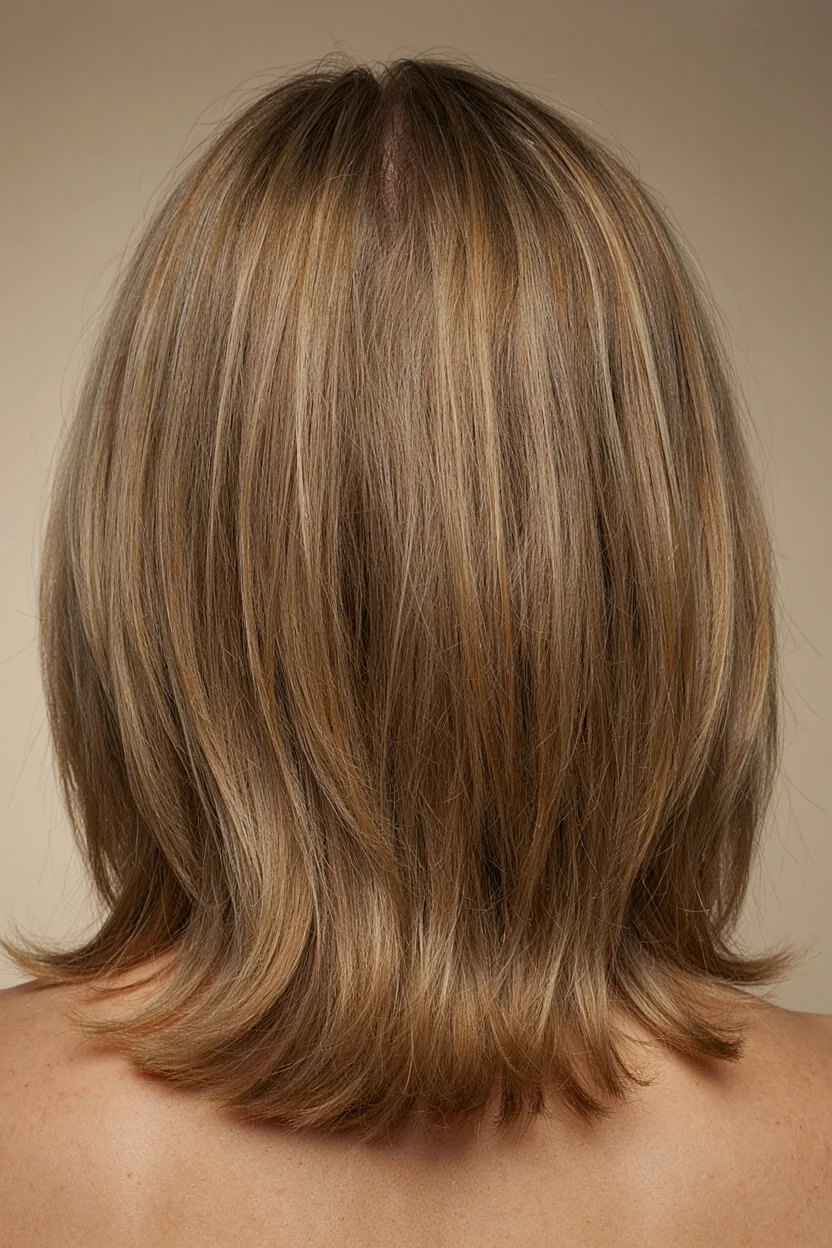
Heavy layers start higher on the head and remove more weight. On a shoulder-length cut, a heavy layer might start four to six inches above the bottom edge. That is a significant amount of hair cut shorter. On fine hair, it creates visible separation from the midshaft down.
The movement is dramatic. The hair swings and separates with every head turn. It looks good for the first two weeks. By week four, the layers have grown enough that the separation starts to look uneven rather than intentional. By week six, the ends are wispy and the midshaft shows scalp through the gaps between layers.
I do not recommend heavy layers on fine hair at any length. The density cost is too high and the grow-out is unflattering. If you want movement on fine hair, light layers give you a controlled version of the same effect. Heavy layers give you movement for two weeks and thinness for the remaining six weeks until your next trim.
If your hair is already layered heavily and you want to grow it out to a solid line, expect four to six months of awkward grow-out. Hair grows half an inch per month. The shortest heavy layer needs to reach the perimeter length before the cut reads as a single line again. On a shoulder-length cut with layers starting four inches up, that shortest layer needs to grow four inches. At half an inch per month, that is eight months.
Face Framing as a Middle Ground
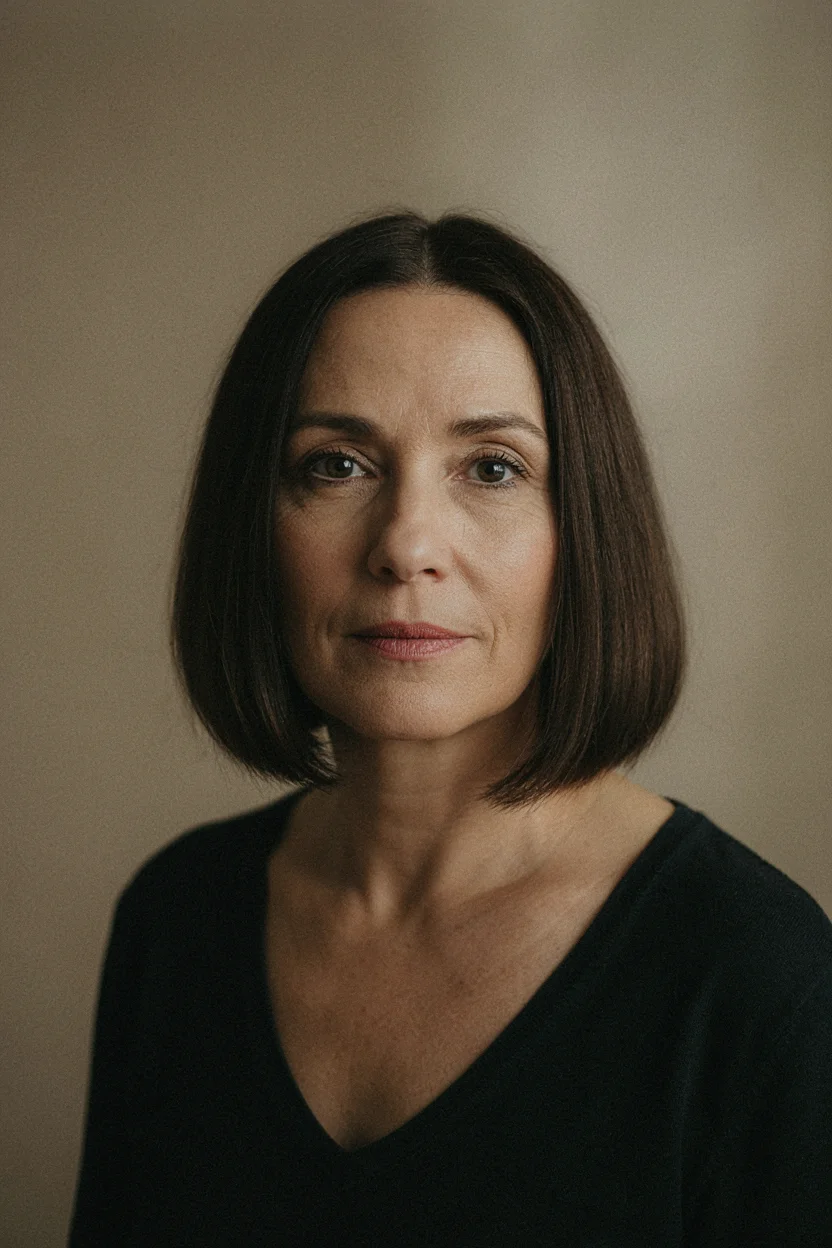
Face framing removes length from two sections only: the pieces that fall on either side of the face. The rest of the cut stays at one length. This gives you movement and softness near the face without removing density from the back and sides.
On fine hair, face framing is a smart compromise. The framing pieces can start at the cheekbone or chin. They angle back into the overall length over the first two to three inches. The perimeter behind the ear stays blunt and solid.
A client asked me for layers last winter. She had fine, straight hair at collarbone length. I talked her into face framing instead. Two pieces, starting at the chin, angling back into the length. The rest of the cut stayed blunt. She came back eight weeks later and said it was the first cut that gave her movement without making her hair look thin. The framing did the work that full layers would have done at twice the density cost.
Styling adds two minutes. The framing pieces need a slight bend from a round brush, turned away from the face. The rest of the hair styles as usual. Total daily time with framing: seven to nine minutes on shoulder-length fine hair.
Trim cadence is eight weeks, same as the rest of the cut. The framing pieces grow at the same rate. At eight weeks, the shortest point of the frame has dropped half an inch below the cheekbone. It still frames. It just sits lower. At twelve weeks, the framing has grown into the overall length and the effect is gone.
- Light layers: start 2 inches above bottom edge, 8-week trim, 5 to 7 minutes styling, straight to wavy fine hair
- Heavy layers: start 4 to 6 inches above bottom edge, visible thinning by week 4, not recommended on fine hair
- Face framing only: two pieces at cheekbone or chin, 8-week trim, 7 to 9 minutes styling, all fine hair types
- No layers, blunt perimeter: maximum density, 8-week trim, 5 minutes styling, straight fine hair
On fine hair, movement and density come from the same source. You spend one to get the other.
Decision Table: Layer Approaches on Fine Hair
| Approach | Week-Six Behavior | Trim Cadence | Daily Styling | Best Suited For |
|---|---|---|---|---|
| Light layers, shoulder length | Layers grow one inch deeper, movement holds | Every 8 weeks | 5 to 7 minutes, round brush blow-dry | Straight to wavy fine hair wanting subtle movement |
| Heavy layers, shoulder length | Ends wispy, gaps visible at midshaft, shape breaks down | Every 6 weeks to maintain | 7 to 10 minutes, round brush and product | Not recommended on fine hair |
| Face framing only, collarbone length | Frame drops half an inch, still functional | Every 8 weeks | 7 to 9 minutes, round brush on frame | Any fine hair wanting softness near the face |
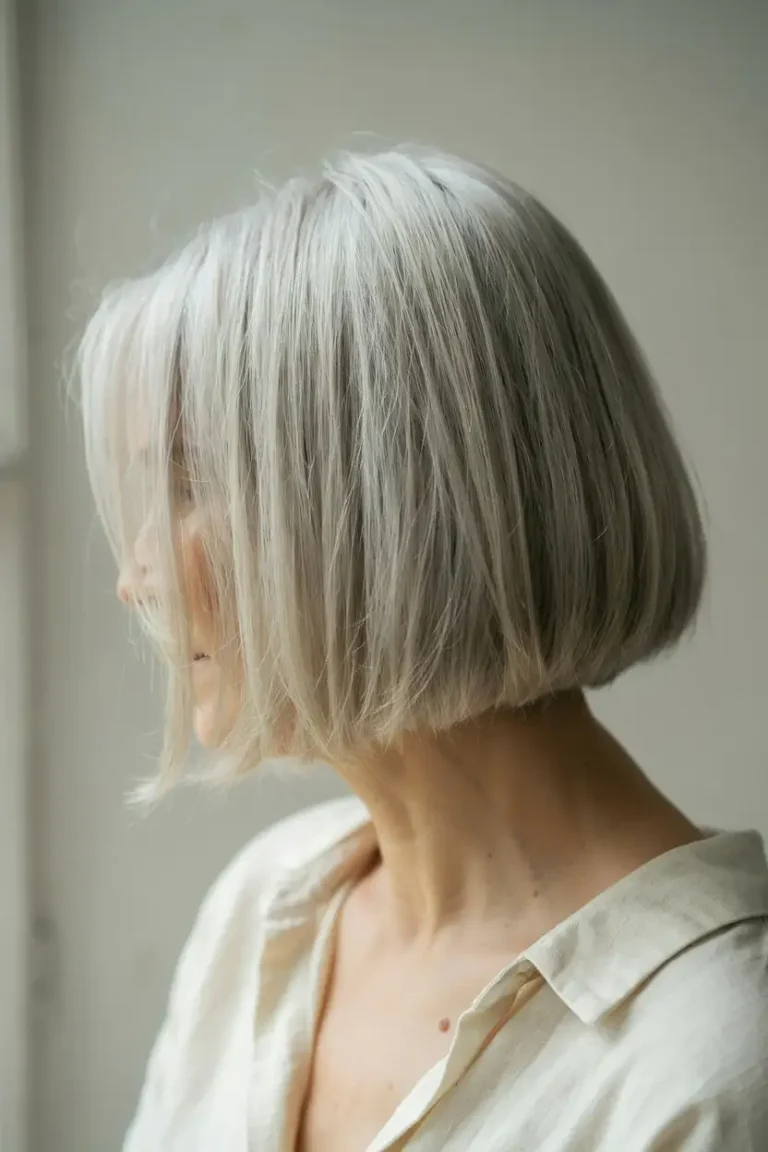
| No layers, blunt shoulder length | Line grows one inch past collarbone, density holds | Every 8 weeks | 5 minutes, paddle brush blow-dry | Straight fine hair prioritizing density over movement |
| Light layers with face framing | Both elements grow one inch, shape holds through week 8 | Every 8 weeks | 7 to 9 minutes, round brush full head | Straight to wavy fine hair wanting movement plus face softness |
The Grow-Out Problem With Layers on Fine Hair
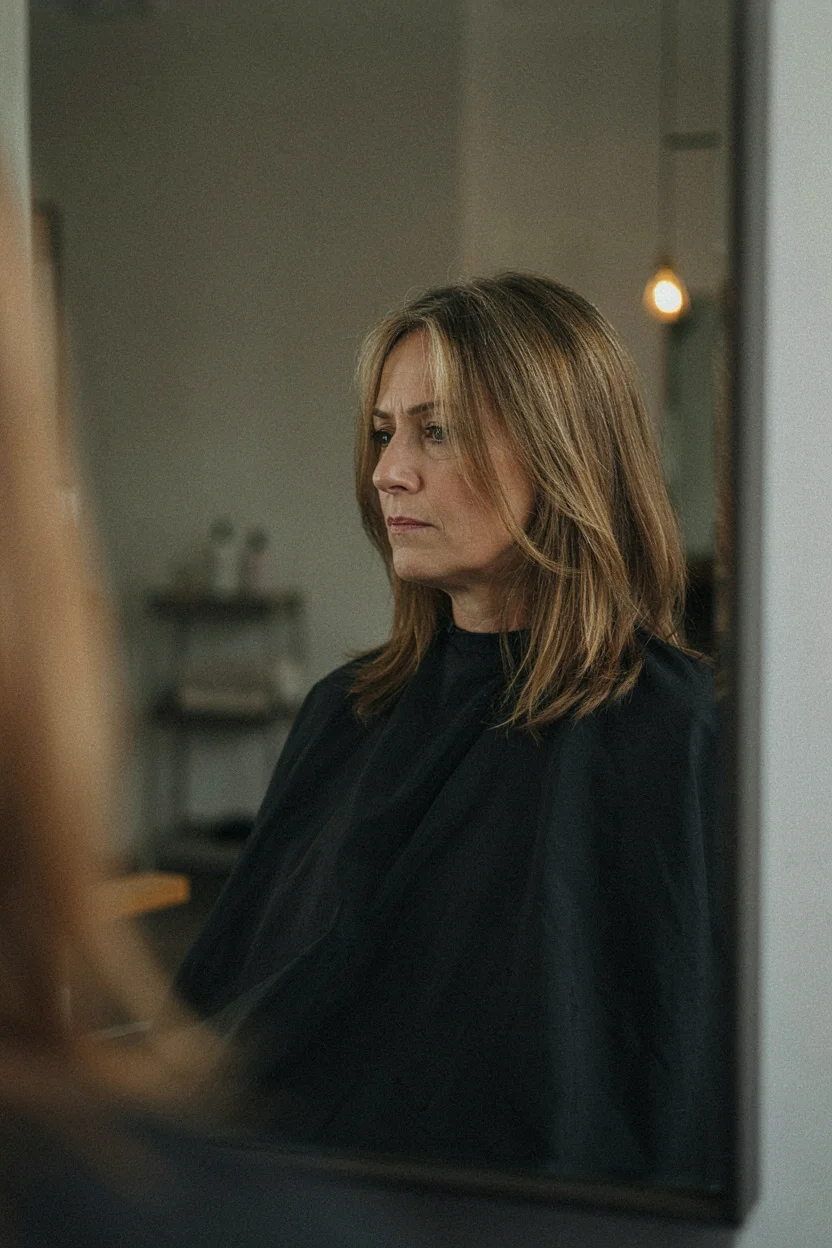
Layers grow out at the same rate as the rest of your hair: half an inch per month. The problem is not the rate. The problem is what the cut looks like while the layers are growing.
On thick hair, growing layers look textured. The density fills in the gaps between the shorter and longer sections. On fine hair, growing layers look uneven. The shorter sections separate from the longer ones, and the space between them shows scalp.
The awkward phase on fine hair lasts from week four to week ten. Before week four, the layers still look intentional. After week ten, they have grown enough to blend back into the overall length. Those six weeks in between are where most people decide to get another cut.
If you cut light layers and maintain them on an eight-week cycle, the awkward phase is short. The layers never get far enough out of place to look uneven. If you cut heavy layers and try to grow them out to a blunt line, the awkward phase lasts months. The shortest heavy layer has to grow all the way to the perimeter length before the cut reads as solid again.
When to Skip Layers Entirely
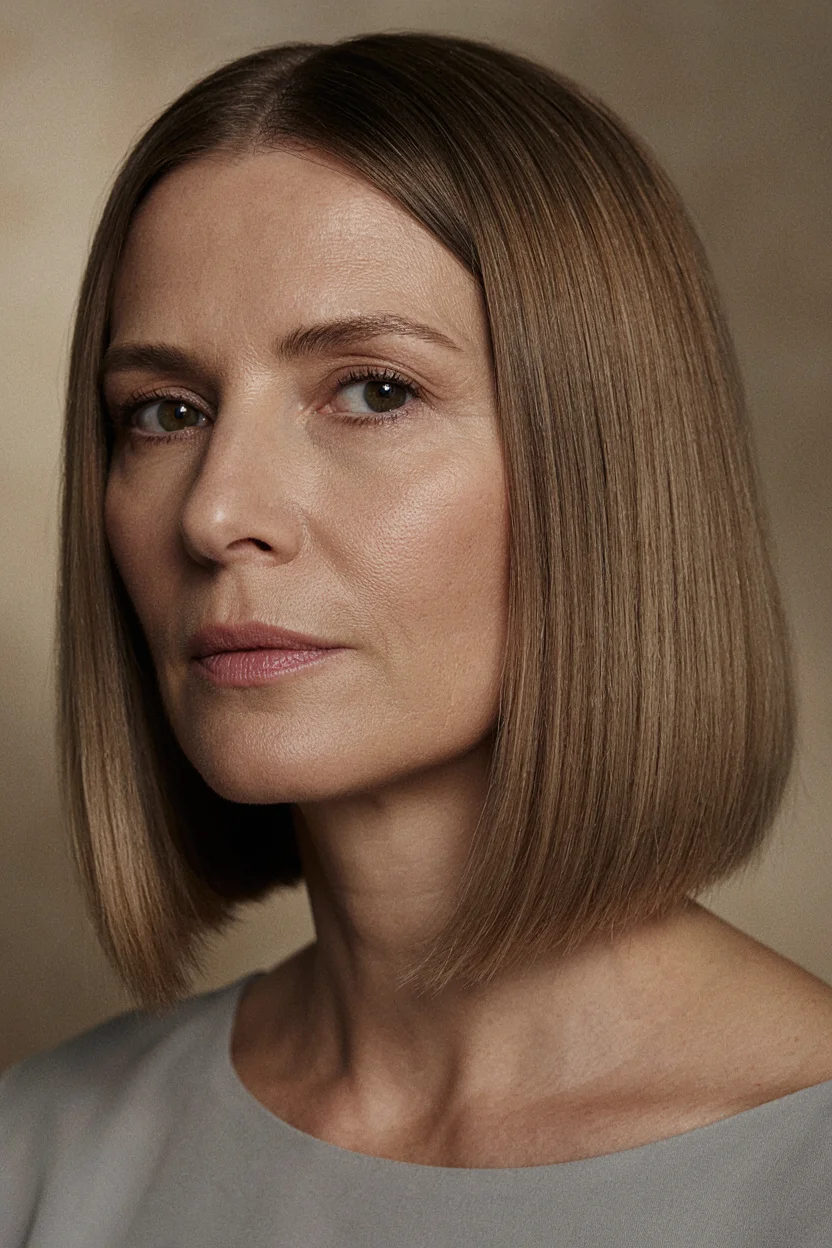
Some fine hair does better without any layers at all. If your hair is very fine, straight, and at or below the collarbone, a blunt cut gives you maximum density and the simplest styling routine. No layers means no movement from the cut itself. It also means no density loss and no awkward grow-out phase.
A blunt shoulder-length cut on straight fine hair takes five minutes to style. Blow-dry with a paddle brush, straight down. The weight line holds the shape. There is nothing to catch, curl, or separate. The result is clean and polished.
If you want some visual interest without layers, a deep side part creates asymmetry and lift at the crown. It costs nothing in density and takes ten seconds to style. Switch the part back to center whenever you want. No commitment. No trim required.
Face shape is a guideline, not a rule. A blunt shoulder-length cut works on most face shapes because the horizontal line is neutral and balanced. If you want the line higher or lower, that is a conversation about where the weight sits relative to your jaw and collarbone, not about whether the cut suits your face.
For more on how cut structure affects fine hair behavior, the shape mechanics guide covers the weight distribution principles behind every recommendation here. If you are considering a shorter cut after growing out layers, the short hair makeover guide walks through what that transition looks like at each stage.
Read how stylists assess fine hair density and layer suitability during a consultation.
Frequently Asked Questions
Do long layers make fine hair look thinner?
They can. Layers remove weight from the interior of the cut. On fine hair, that weight loss shows up as visible gaps between strands, especially at the midshaft and ends. Light layers that start close to the bottom edge cause minimal thinning. Heavy layers that start high on the head remove enough weight that the hair looks noticeably thinner within two to four weeks.
What is the longest I can wear my fine hair with layers?
Shoulder length is the practical maximum for layered fine hair. Beyond the shoulder, the weight of the hair pulls it flat and the layers create visible separation that reads as thinness. If you want fine hair longer than the shoulder, a blunt cut with no layers preserves the most density. The trade-off is less movement from the cut.
Can I have layers and still blow-dry for volume?
Yes. Light layers give a round brush something to catch and lift. The styling benefit is real. The key is keeping the layers shallow, starting no more than two inches above the bottom edge. That depth gives you lift without removing so much weight that the ends look sparse after styling.
How do I grow out heavy layers on fine hair?
Expect four to eight months of grow-out depending on how short the layers were. During the awkward phase, from week four to week ten, the layers look uneven on fine hair because the density is not there to fill the gaps. Regular trims on the perimeter, every eight weeks, keep the bottom edge solid while the layers catch up. Do not trim the layers themselves. That resets the grow-out clock.
Is fine hair the same as thinning hair?
No. Fine hair refers to the diameter of each individual strand. Thinning hair refers to the number of strands on the head. You can have fine hair with full density, meaning lots of thin strands. You can have thick hair with thinning, meaning fewer but wider strands. Layers affect both types differently. On fine hair, layers remove weight and create visible separation. On thinning hair, layers remove perimeter density that is already scarce. A stylist can tell you which category your hair falls into.
Every Layer Is a Trade
Movement and density come from the same source on fine hair. You cannot add one without reducing the other. Light layers take a small amount of density and give a controlled amount of movement. Heavy layers take a large amount and give movement that lasts two weeks before the grow-out starts showing. A blunt cut takes nothing and gives you the full density your hair already has. The right choice depends on what you are willing to spend and what you are not.
— Viv