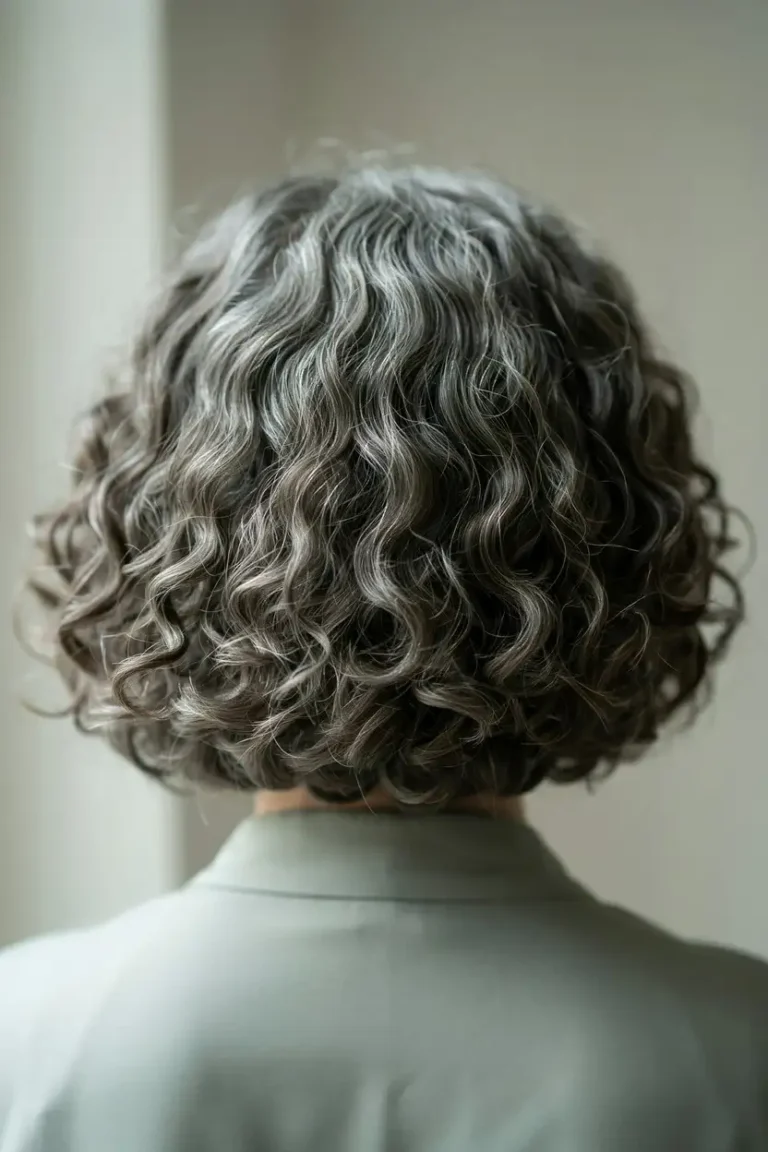
18 Edgy Short Gray Hair Ideas, With the Upkeep Attached
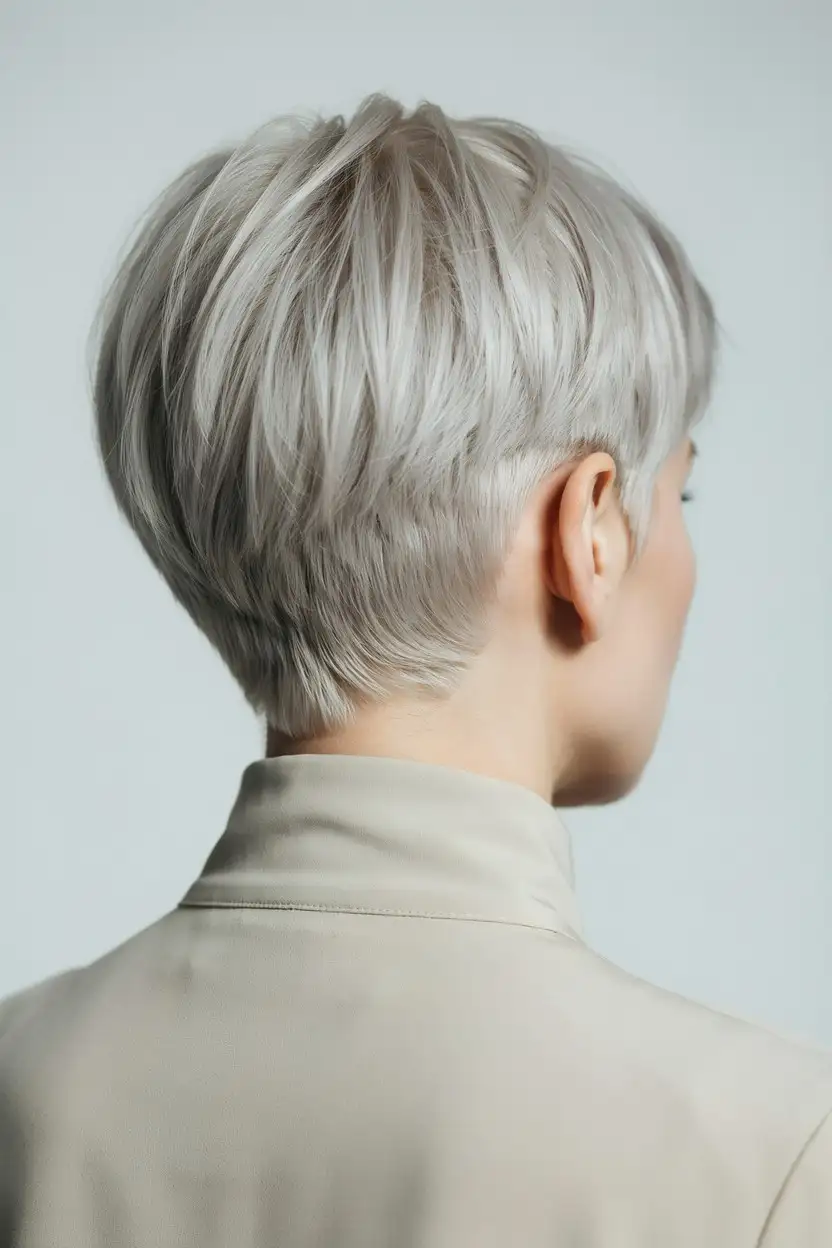
Short gray hair reads as sharper than the same cut in a dark shade, because silver carries more contrast against skin and shows every line the scissors made. That works entirely in your favor once you know it, since a shape that would look soft in brown looks deliberate in silver without any extra work. What nobody attaches to these photographs is the interval, so every idea below carries one. I cut mine into an undercut about a year after my transition finished and was surprised how much less often it needed attention than my colored bob had.
What Makes Short Gray Hair Read as Edgy
Three things do the work, and none of them are the color itself. Contrast between two lengths, visible texture at the ends, and asymmetry all read more strongly on silver because there is more light bouncing off the hair and less absorbed into it.
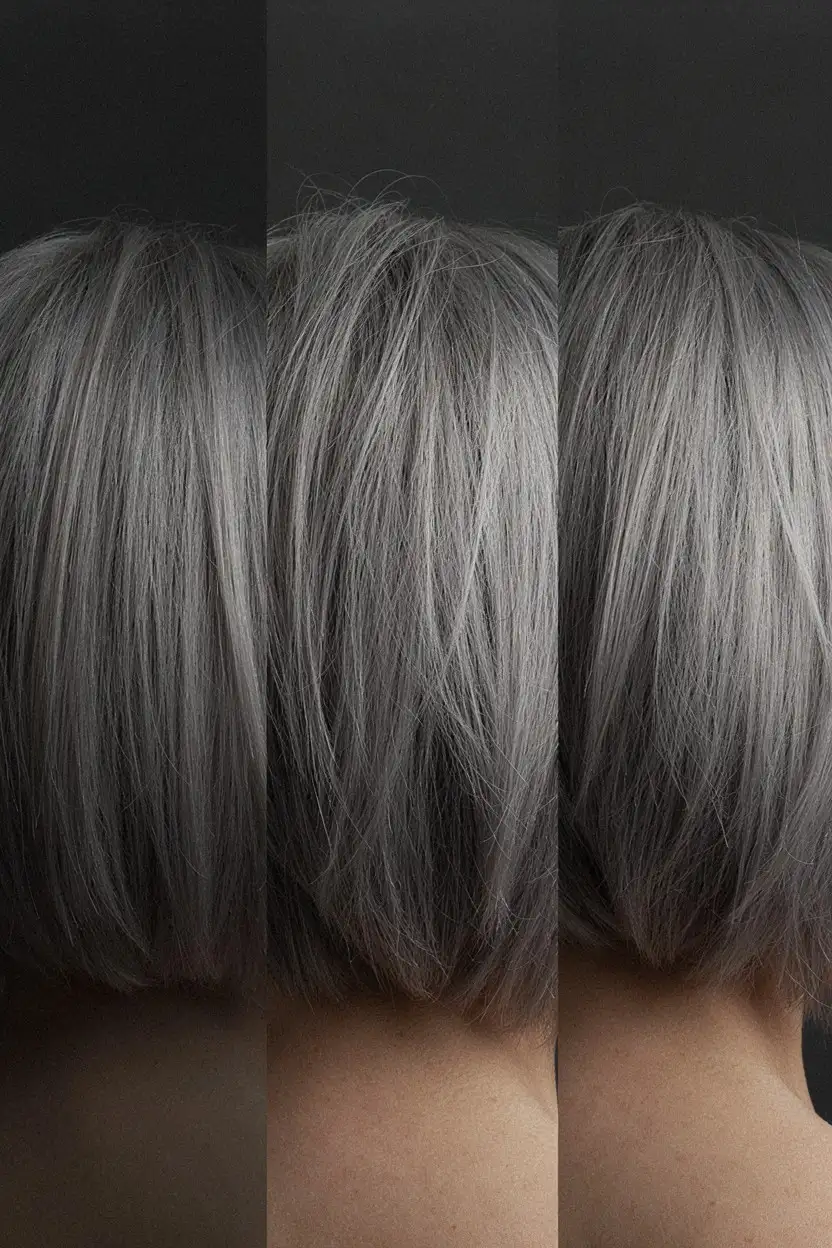
Coarseness helps here too. Gray hair is frequently wirier than the pigmented hair it replaced, which means it stands where softer hair falls, and standing is exactly what a disconnected or textured shape needs. Most of these hold their line for 6 to 8 weeks, which is longer than the same cut on fine pigmented hair.
Undercuts and Shaved Detail
Removing hair entirely in one zone creates the hardest contrast available, and on silver that edge is visible from across a room.

A Shaved Side Under Longer Length
Taking one side to a short guard under length left on top gives maximum contrast with minimum styling. The shaved section needs redoing every 3 to 4 weeks while the top waits for 8. Two intervals, and only one of them is expensive.
The Undercut Nape
Shaving the nape under a longer top removes bulk from the coarsest part of most heads and hides completely when the hair is down. It grows out invisibly, so the interval stretches to 8 to 10 weeks. This is the least committal thing in this group.
A Full Disconnected Crop
Taking both sides short with no graduation into the top creates a hard step rather than a blend. The line is the entire point, so it needs cleaning every 4 weeks to stay sharp. Silver makes that step more visible than any dark shade does.
Shaved Detail at the Temple
A small shaved section at one temple is the smallest version of this idea and the easiest to grow out if you dislike it. Reshaping every 3 to 4 weeks keeps the edge crisp. Cost is usually a fringe-trim price rather than a full cut.
Texture and Disconnection
Where undercuts work by removing hair, these work by breaking up what is left so light catches at different depths.
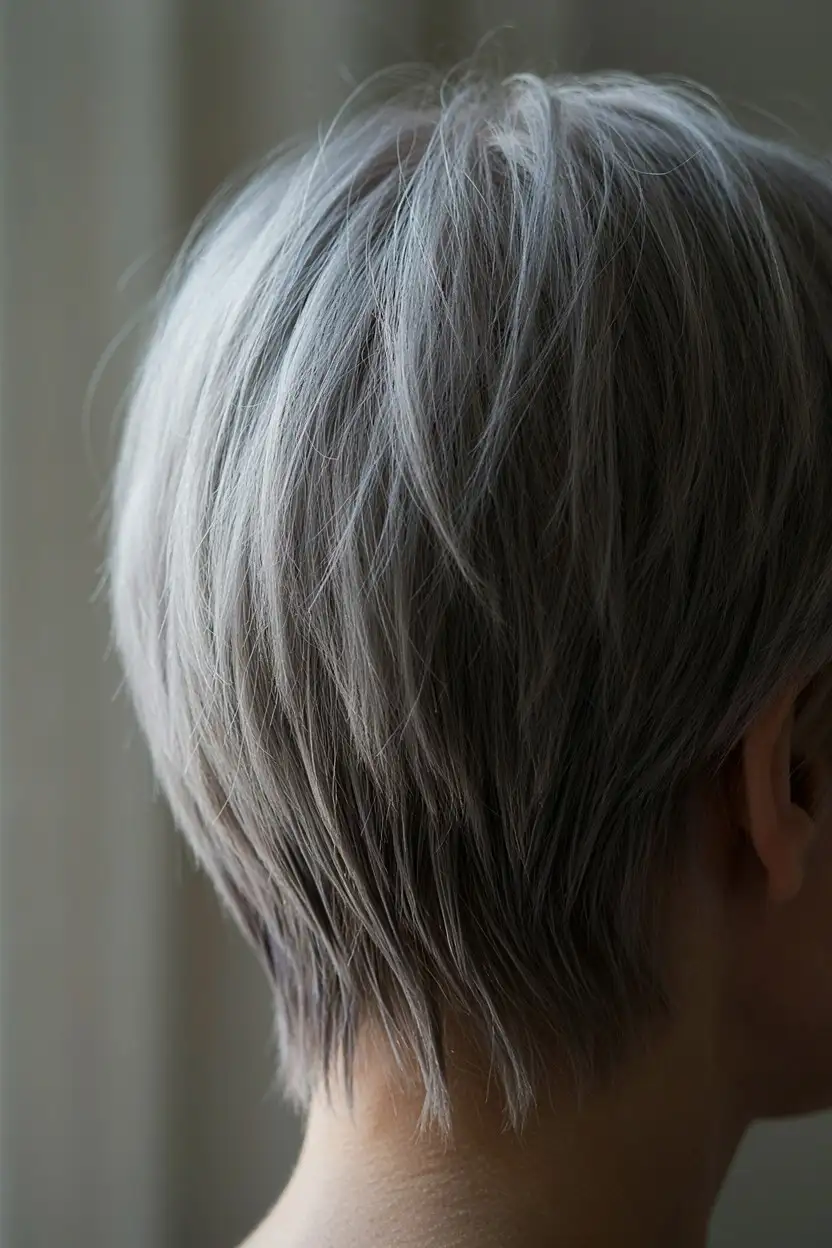
Point-Cut Ends Through the Top
Cutting into the ends rather than straight across stops the top reading as a solid block. On silver that produces visible separation without any product. The effect softens after about 8 weeks as the ends grow blunt again.
A Choppy Crop With Deliberate Separation
Wide separation between pieces suits wiry silver because it works with the way the hair already wants to stand. This one needs product most days and a reshape every 7 to 8 weeks. It photographs with the most contrast of anything here.
Razored Rather Than Scissor-Cut
A razor removes weight without leaving the blunt ends that make coarse silver splay. Not every stylist works this way, so it is worth asking before booking. Razored shapes soften faster and need revisiting every 6 weeks.
A Spiky Silver Pixie
Short layers cut to stand rather than lie give height across the crown, which is where coarse gray naturally wants to go anyway. Styling takes under 5 minutes with a small amount of paste. The interval is 6 to 8 weeks.
Silver does not need a louder cut to look deliberate. It shows every line you put in it, so the same shape reads sharper than it did in brown.
Asymmetry and Angles
Uneven shapes read as decisions rather than as accidents, and silver removes any ambiguity about which one it is.

A Long-Side Asymmetric Bob
Leaving one side noticeably longer than the other gives movement to a short shape without adding length overall. It holds its angle for 6 to 8 weeks before the difference softens. This survives growing out better than most cuts here.
An Angled Fringe Across the Forehead
Cutting a fringe on a diagonal rather than straight across breaks the horizontal line that short cuts default to. Fringes on coarse hair need trimming every 3 to 4 weeks regardless of when the cut is due. It is the cheapest way to change a shape you are bored of.
A Graduated Back With a Longer Front
Stacking the back short while keeping length at the jaw pushes the shape forward, which stops coarse silver collapsing at the crown. Cutting every 6 to 8 weeks holds the graduation. The shape does most of the styling for you.
An Off-Center Hard Part
A defined part set well away from center creates asymmetry with no cutting at all. It costs nothing and can be undone the next wash day. On silver it shows more clearly than on dark hair because the scalp contrast is lower.
Color Detail That Keeps the Silver
Adding color to a short silver cut is easy to overdo. These three add contrast without burying what you spent months growing out.
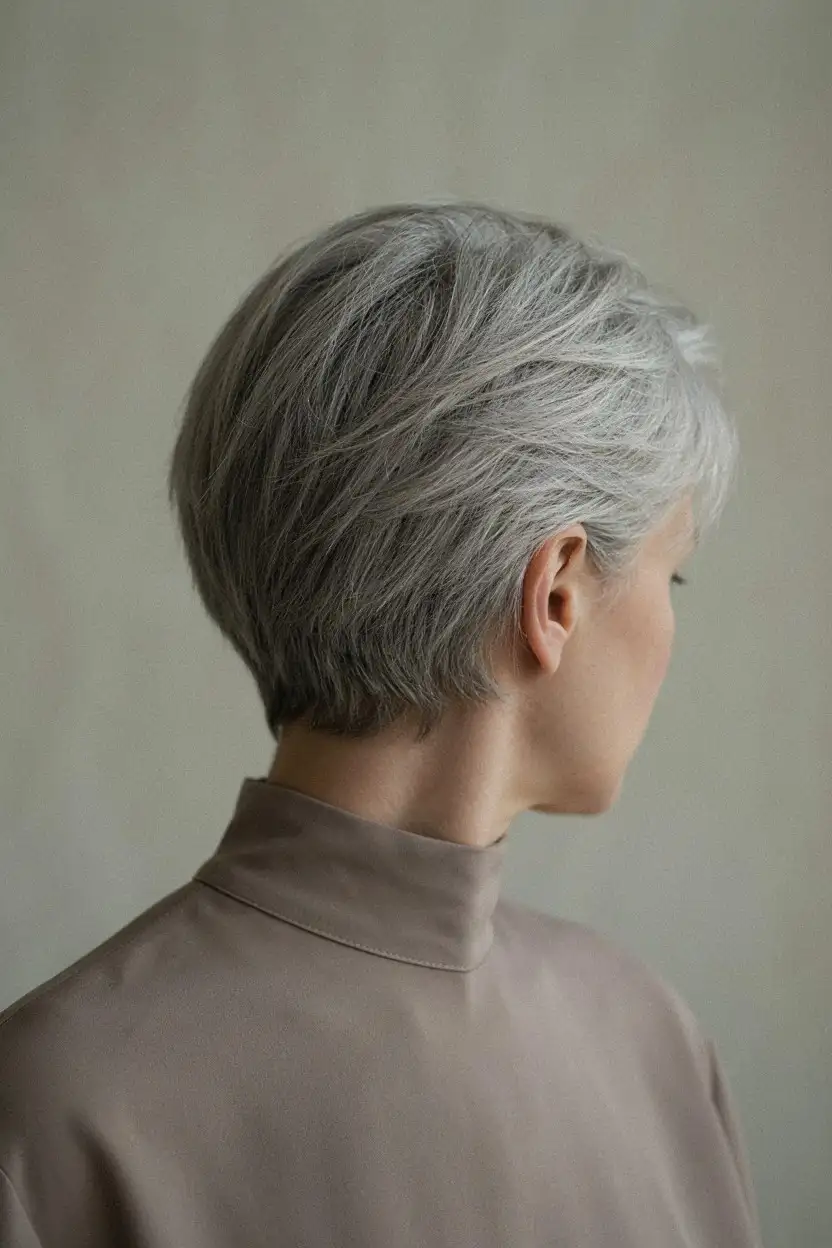
Charcoal Lowlights Through the Top
A few darker pieces give the eye somewhere to rest against a full head of light. Because lowlights deposit rather than lift, integrity cost is low and the interval runs 8 to 10 weeks at $120 to $200. Patch test any formula you have not had before.
A Darker Shadow at the Nape
Deepening only the nape under a bright top creates contrast that disappears when the hair is up. It is one small section, so cost sits at $60 to $110. This is the lowest-risk way to test whether you want darker pieces at all.
Leaving It Entirely Alone
Plenty of short silver needs no color at all, and the cut is already doing the work. Starting with nothing costs nothing and avoids the over-toning trap completely. This is the only entry in this group with no salon interval attached.
Keeping Short Gray Hair Sharp
At short lengths the whole head refreshes relatively quickly, so tone is easier here than at length. The problems that remain are mineral and over-toning.
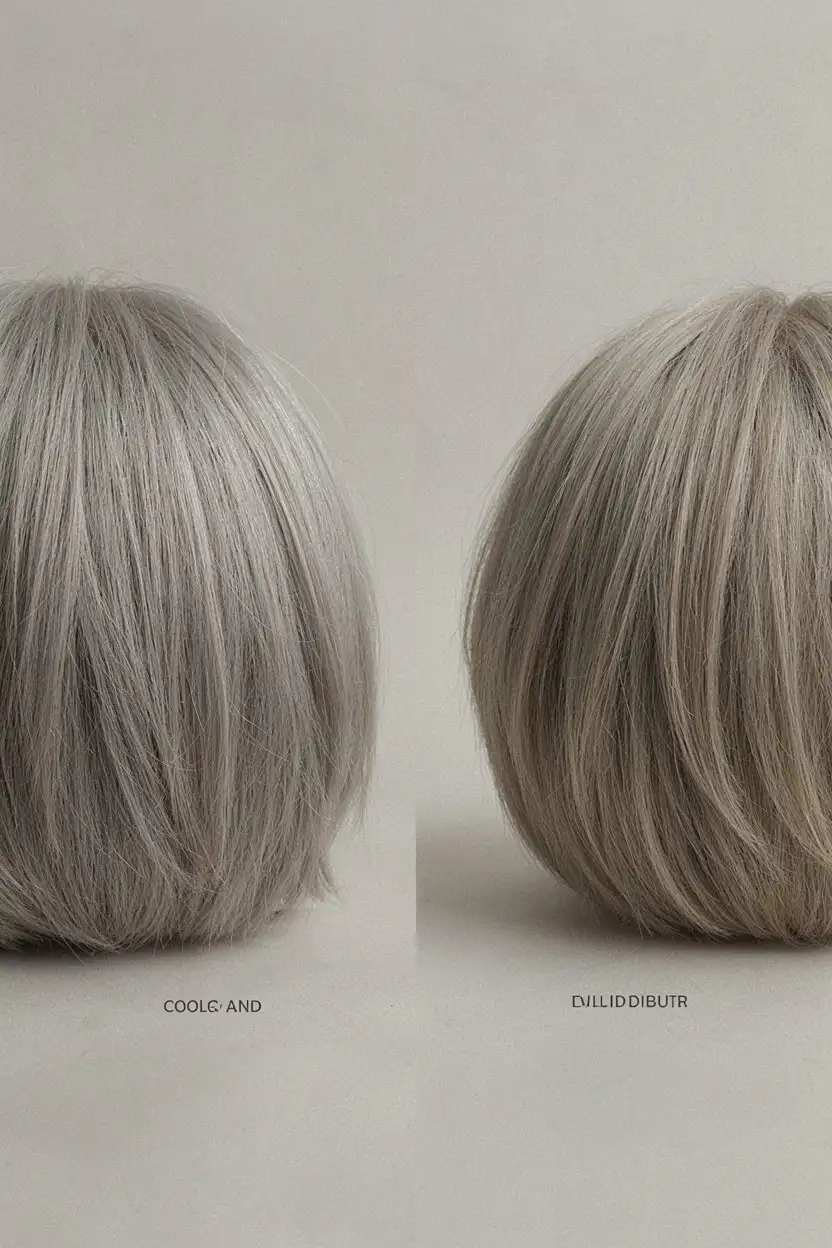
Purple Toning Every Two or Three Washes
Purple shampoo deposits violet pigment to counter yellowing. Every 2 to 3 washes keeps silver clean; every wash turns it dull and faintly lilac, which is the most common self-inflicted problem in this category. Over-toning is far easier to do than to undo.
A Clear Gloss for Shine
Porous silver scatters light rather than reflecting it, which reads as dullness even when the tone is right. A clear gloss smooths the cuticle at $40 to $90 every 6 to 8 weeks and deposits no color at all. It sharpens a cut without touching the shape.
Chelating Monthly in Hard Water
Above roughly 120 ppm, mineral shows on silver as a yellow cast within weeks. A chelating shampoo removes the deposit, and once a month suits most water. More frequent use strips more than the mineral.
What Each Shape Costs to Keep
| Shape | Main interval | Edge or fringe upkeep | Styling time | Cost band per visit |
|---|---|---|---|---|
| Shaved side, long top | 8 weeks | Side every 3 to 4 weeks | Under 5 minutes | $45 to $95 |
| Undercut nape | 8 to 10 weeks | None visible | Under 5 minutes | $45 to $95 |
| Full disconnected crop | 4 weeks | The line itself | 5 minutes plus product | $50 to $100 |
| Choppy textured crop | 7 to 8 weeks | None | 5 minutes plus product | $50 to $100 |
| Asymmetric bob | 6 to 8 weeks | None | 10 minutes | $55 to $110 |
| Any of the above with a fringe | As above | Fringe every 3 to 4 weeks | Add 2 minutes | $15 to $30 for a trim |
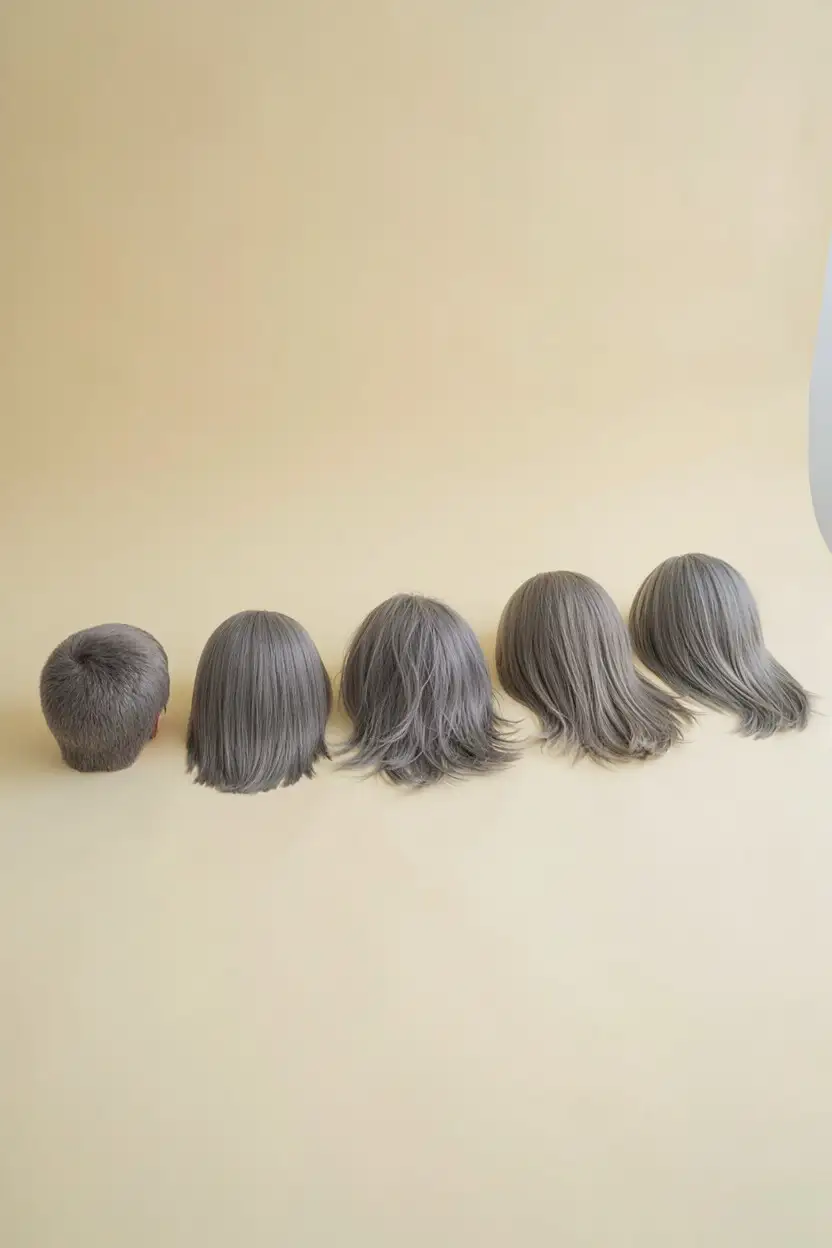
Cost bands vary by region and salon tier. Razor work and hard lines usually sit at the top of whichever band applies, because both take longer in the chair.
What to Ask Before You Commit
- How this shape looks at week six rather than on the day, since that is where most of your time is spent.
- Which parts need a separate, shorter interval, because shaved sections and fringes rarely share the main one.
- What the grow-out looks like if you dislike it, at roughly half an inch a month.
- Whether your stylist works with a razor, if you want texture rather than blunt ends.
- Everything that has been on your hair in the last 3 years, including box color, if any lowlights are being discussed.
- Whether a strand test is needed, if any lightening has come up at all.
If the reason you are going shorter is that there seems to be less hair than there used to be, that is a separate question from the cut. Shedding above roughly 100 hairs a day for more than 6 weeks, or a part line that has visibly widened, is worth a dermatologist appointment rather than a salon one.
If you are still growing out and wondering whether to cut now, the transition guide covers what each month looks like, and the maintenance guide covers what silver costs once you are through.
Frequently Asked Questions
Does short gray hair need cutting more often than a colored crop?
Usually less often for the overall shape and more often for any hard edge. Coarse silver holds a cut line longer than fine pigmented hair does, so a crop that needed reshaping every 4 weeks before a transition often stretches to 6 to 8. Shaved sections and fringes are the exception and still need attention every 3 to 4 weeks, because growth shows regardless of texture. On balance most people find they are booking fewer full appointments than before.
Will an edgy cut make gray hair look thinner?
Density does not change with pigment, though silver shows the scalp more readily than dark hair because there is less contrast between hair and skin. Disconnection and hard lines can emphasize that where a softer, weightier shape would not. If it concerns you, ask for texture rather than disconnection and keep the perimeter blunt. Where the change is in how much hair there is rather than how it reads, that belongs with a dermatologist rather than a stylist.
Can you add color to short gray hair without losing the silver?
Lowlights are the way to do it, because they deposit rather than lift and leave the silver itself untouched. A few charcoal pieces at $120 to $200 every 8 to 10 weeks give contrast without removing anything you grew. Lightening in the other direction is where silver gets lost, since lift on already-light hair has nowhere useful to go. Patch test any new pigment before a full application.
How long does an undercut take to grow out?
At roughly half an inch a month, a shaved side reaches the length of a short crop in about 4 to 6 months and blends into a bob somewhere around 12. The awkward stage is months 2 to 4, when the shaved section is long enough to stand up and too short to lie down. A weekly trim on the surrounding length keeps the proportions sensible through it. Coarse silver stands more than fine hair, which makes that stage more visible.
The Thing to Settle First
Decide how often you are realistically willing to sit in a chair before choosing a shape, because the difference between a disconnected crop and an undercut nape is 4 weeks against 10 and that gap decides more than any photograph will. Pick the interval, then pick the cut that fits it.
If you are torn between two of these, tell me how often you can get to a salon in the comments and I will tell you which one survives that schedule.
— Nora