Ombré Hair Color: 25 Modern Ideas
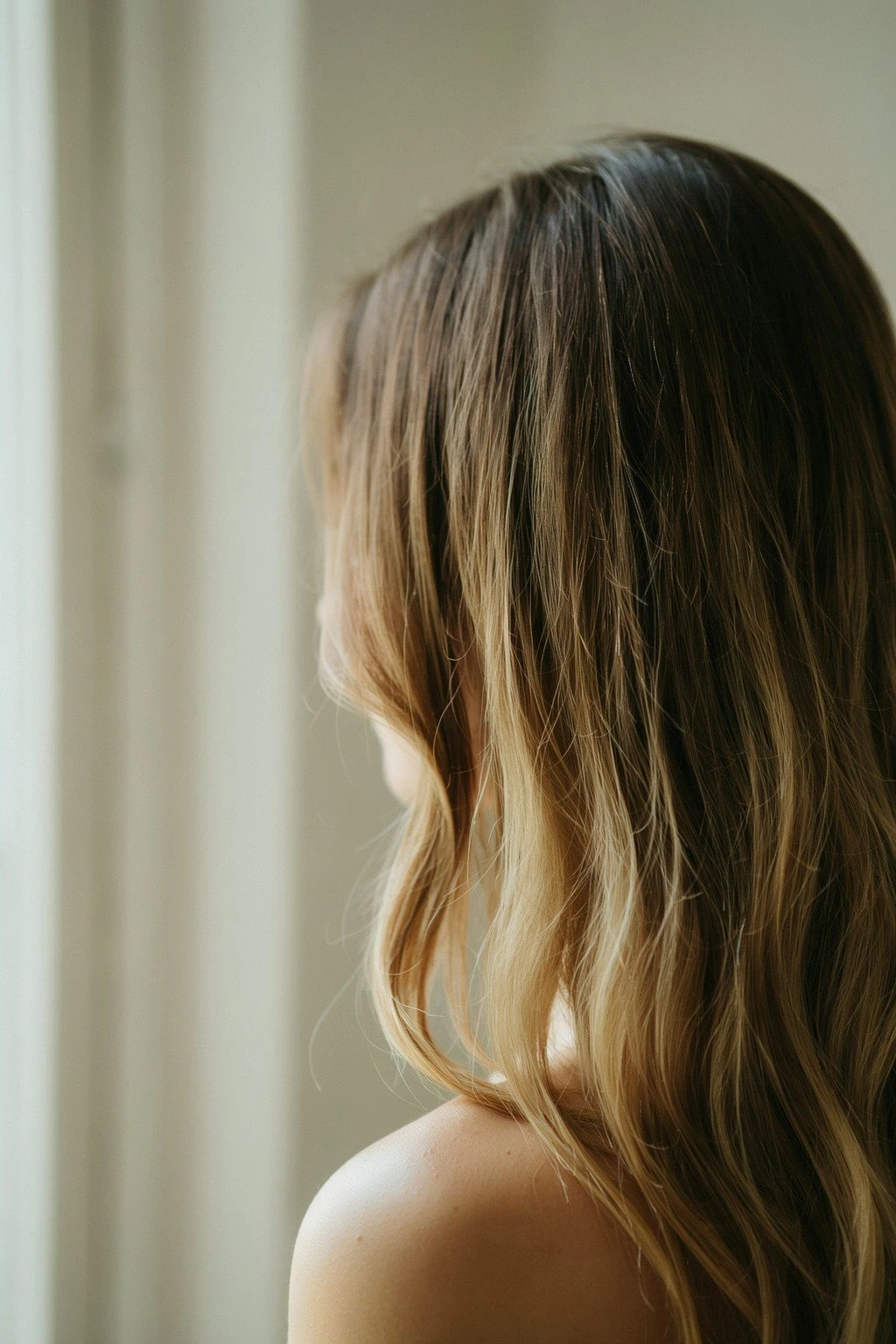
Ombré hair color gets introduced to me at least once a week as something the person thinks they can’t pull off, usually because the version they remember is the harsh two-block stripe from a decade ago. The short version before the list: ombré is a gradient that melts from your base into lighter ends, and because the placement never touches the root, it grows out with no line at all, which makes it the softest exit and the lowest upkeep of anything I book. Most versions are one session from a level 4 up and two sessions from darker bases, and the modern ones are blends you have to look twice to see. Every entry below names its lift, its tone, and its upkeep clock, because the gradient is the easy part and the honesty is what you’re really here for.
Ombré by Starting Level
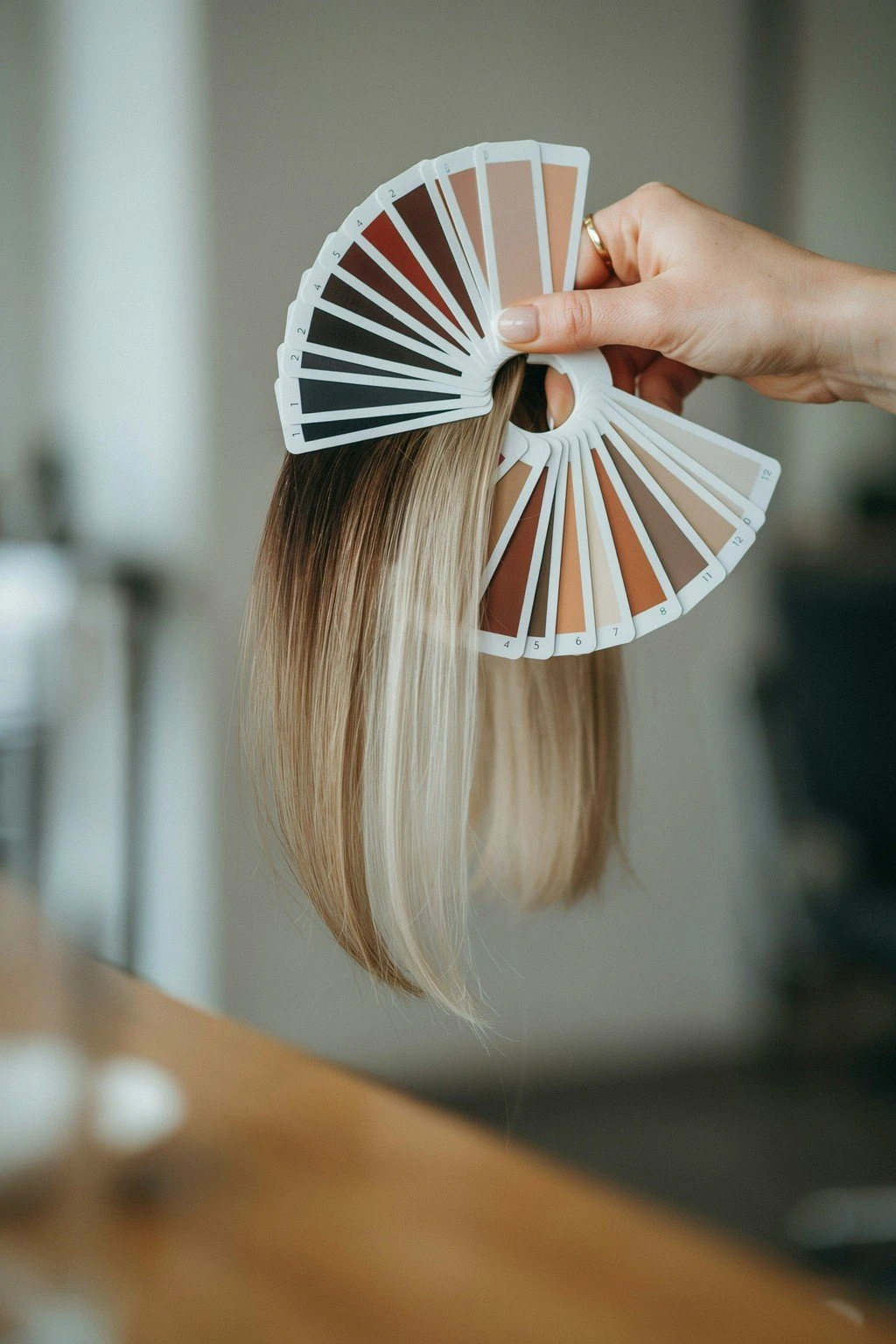
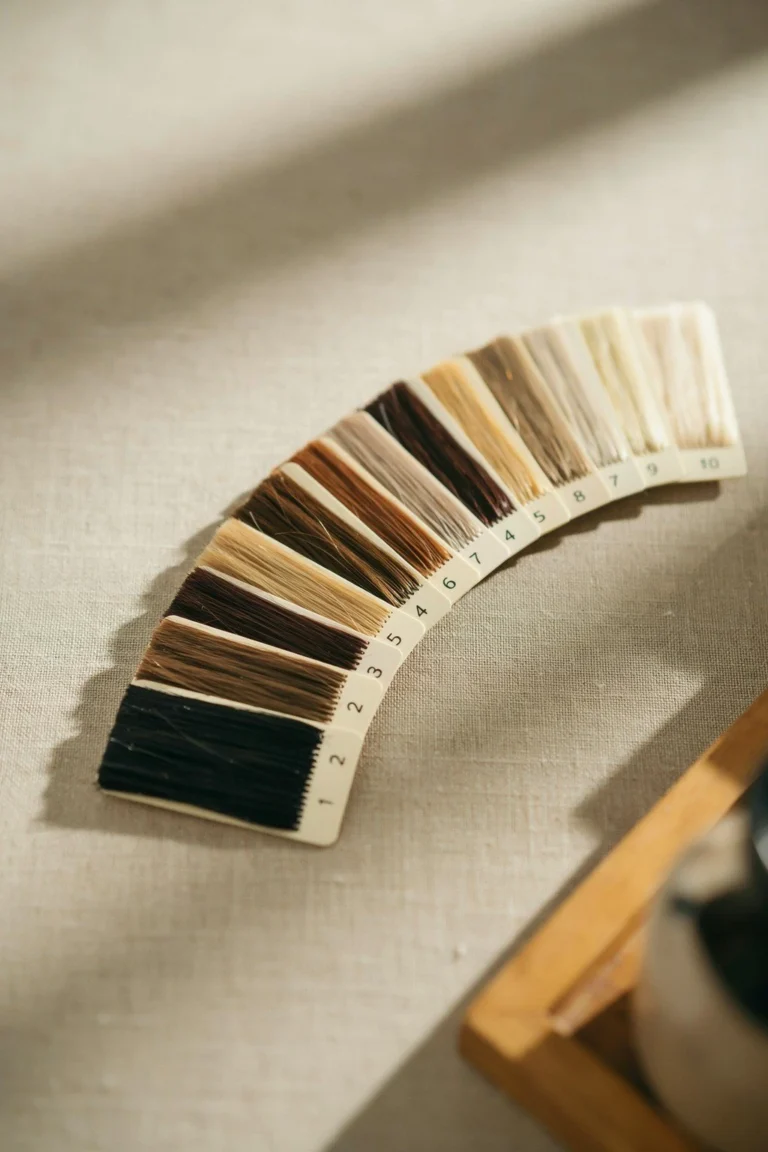
The table below is the whole article on one card. Bands vary by region, salon tier, and hair length, the way they always do.
| Starting level | Realistic ends | Sessions | Cost band |
|---|---|---|---|
| Level 1 to 2, black and off-black | Caramel to bronze, level 5 to 6 | Two, spaced 4 to 6 weeks apart | $300 to $700 in total |
| Level 3 to 4, deep to medium brunette | Toffee to golden, level 6 to 7 | One long session, occasionally two | $150 to $350 |
| Level 5 to 6, light brunette | Butter to pearl, level 7 to 9 | One session | $150 to $350 |
If you don’t know your starting level yet, find that number before anything else, because it decides which group below is yours.
One vocabulary note before the list. Ombré is the result, the gradient itself, while balayage is a way of painting it, and the two get booked together so often that salons mostly use them as one phrase. If you want the technique comparison in full, it has its own article, but for these purposes: you’re shopping for a destination, not a brushstroke.
Two honesty notes as well:
- If your hair is box-dyed or carrying color you can’t fully account for, nothing here gets scheduled before a strand test, because lightener over previously colored hair lifts differently than over virgin hair
- If color has never touched your skin before, any new toner or gloss earns a patch test first
Level 1–2: Ombré on Black and Off-Black Hair
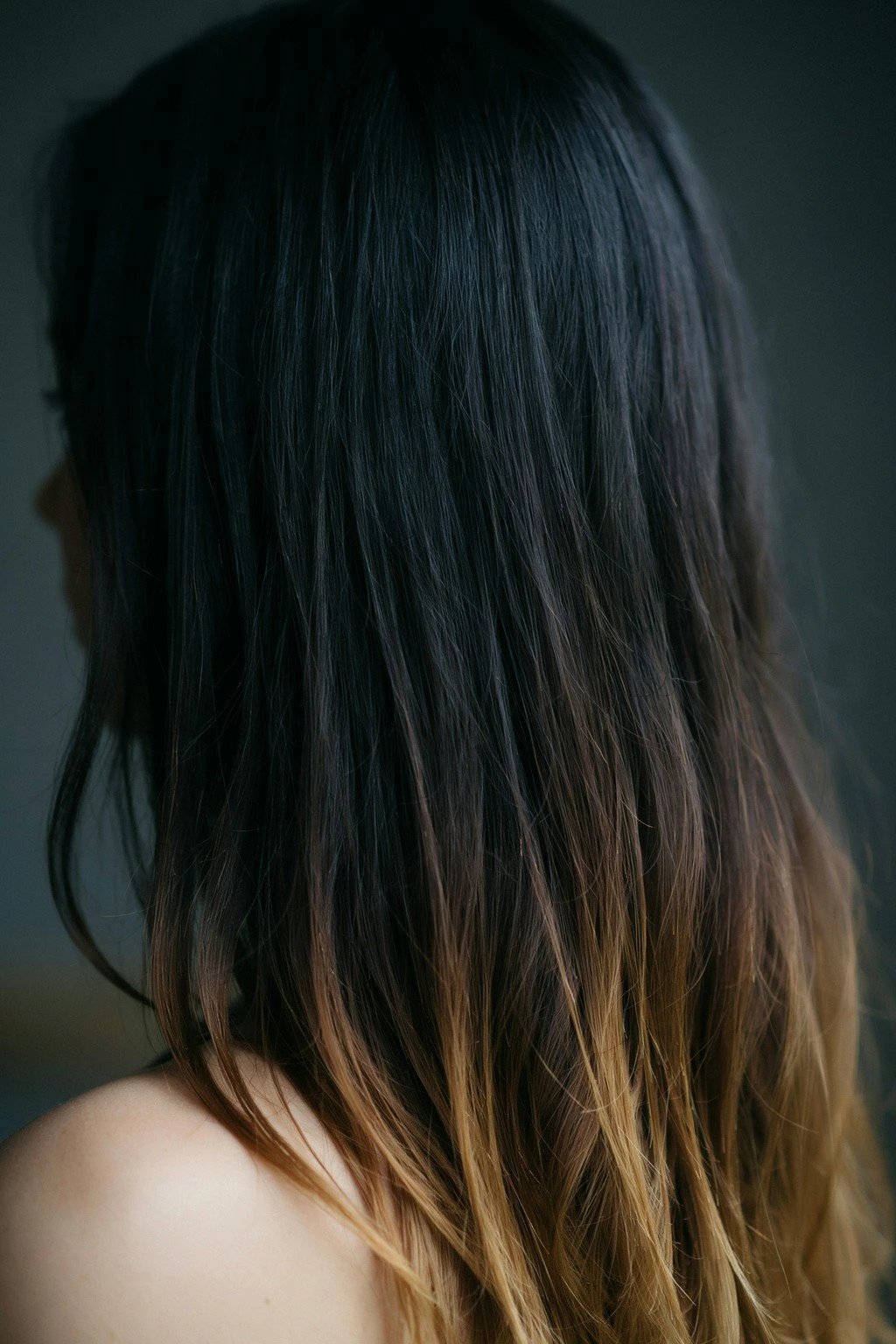
True black is the longest road on this list, because the ends have to clear years of pigment before the tone has anything to sit on. Everything here is realistically two sessions spaced 4 to 6 weeks apart, $300 to $700 in total, and the toner matters more here than anywhere else. The reward is contrast nobody else on this page gets.
Classic Dark-to-Caramel Gradient
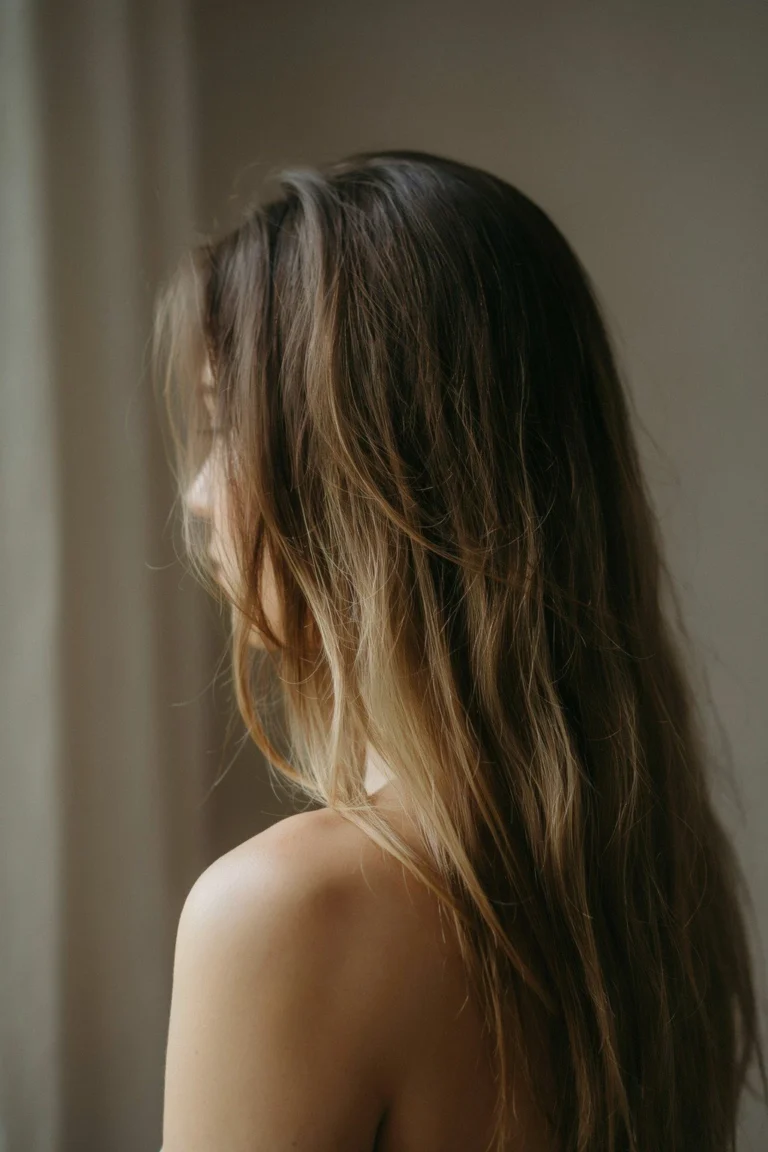
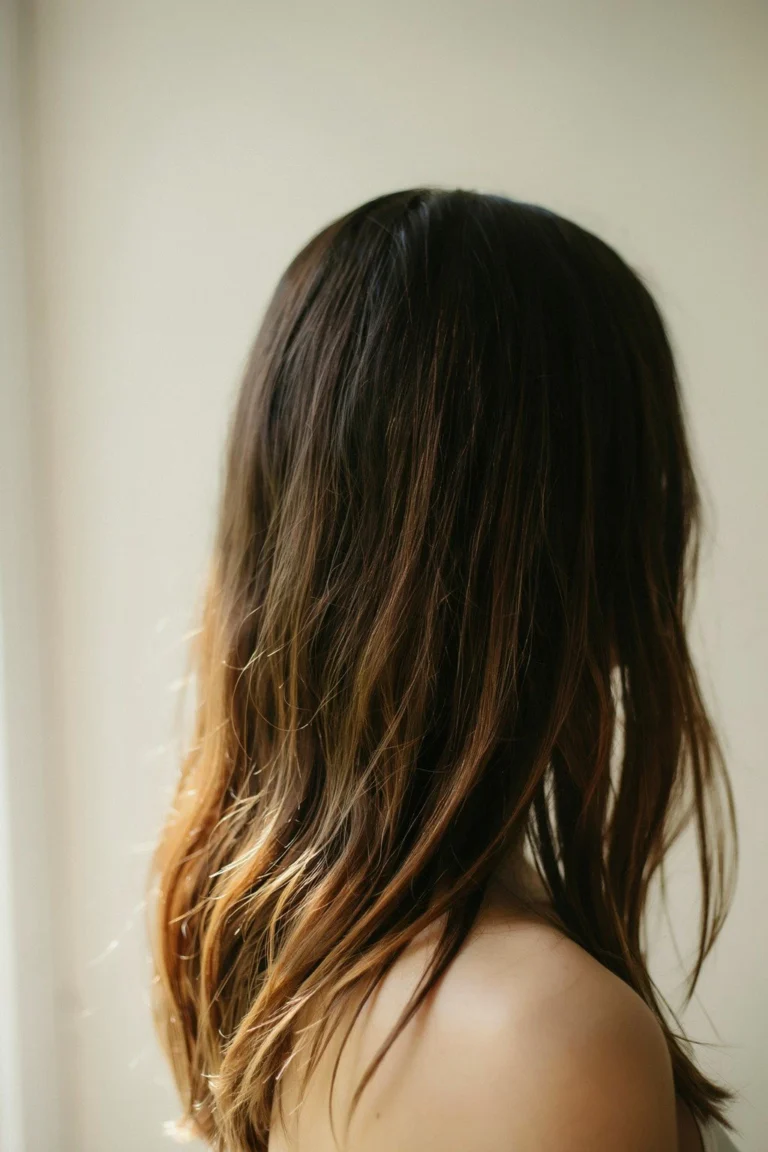
The standard version of this look: your black base melting into a warm level 6 through the last several inches, glossed caramel. Session one clears the lift; session two places the tone. Because the gradient sits low, the grow-out is a non-event for six months or more, and the redo is a trim as much as a color.
Molten Copper Ends on Off-Black
For hair that reads warm off-black rather than blue-black, the ends go to a level 6 and get glossed copper, which sets the darkness on fire in direct sun. Copper is the fastest fader on this list, wanting a refresh around week 5, so budget the gloss the way you’d budget the lift. It’s the loudest entry in this group and the one that gets photographed most.
Espresso-to-Mocha, the Subtle Version
Only two levels of shift, from true black into a soft mocha, which reads as depth and shine rather than a color change at all. Two sessions on a resistant level 1 base, one or two on off-black. The upkeep is close to nothing: five to six months before anyone, including you, asks if it’s time.
Icy Ends on Blue-Black
The maximum-contrast pick on this page: a blue-black base with ends taken to a pale level 8, which needs the lift cleared across two sessions, sometimes three, before the cool tone can sit clean. Toner follows every 5 to 6 weeks after that, and the total lands at the top of the band. If someone promises this in one appointment on hair this dark, that’s the moment to ask better questions.
Bronze Sunlit Tips
Concentrated in the last three inches and toned warm bronze, this is the entry point for black hair that wants the gradient without the project. Two sessions, because the lift still has to clear, but a smaller canvas each time. Ask for the blend to start at the jaw if you want it visible in a ponytail and invisible down.
Level 3–4: Brunette Takes the Gradient Well
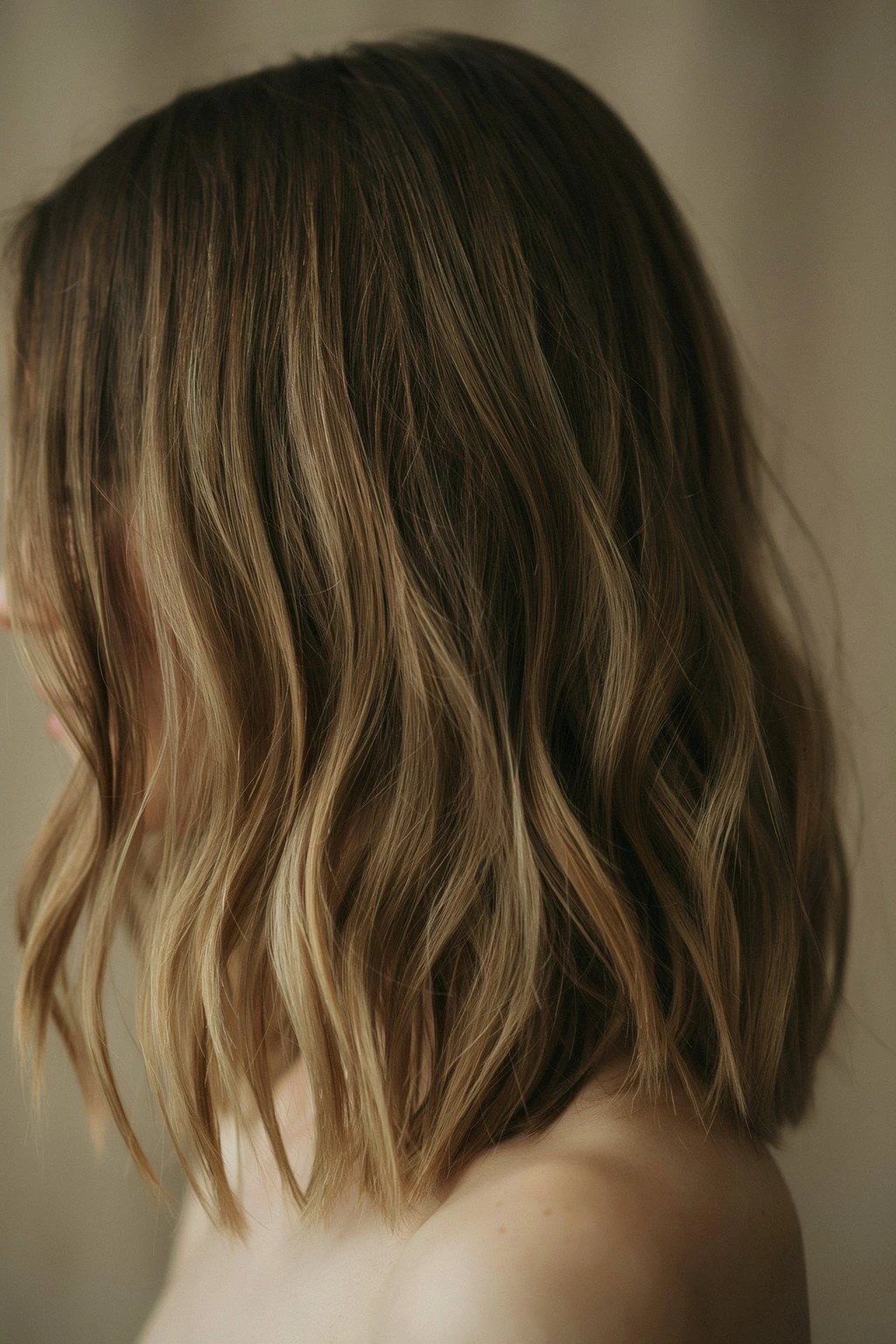
Levels 3 and 4 are the forgiving middle of this entire list. The lift needed is moderate, the orange stage passes on the way to the tone, and most of what’s below is one session at $150 to $350. This is where I point first-timers, because the result is big and the risk is small.
Toffee Gradient on Deep Brunette
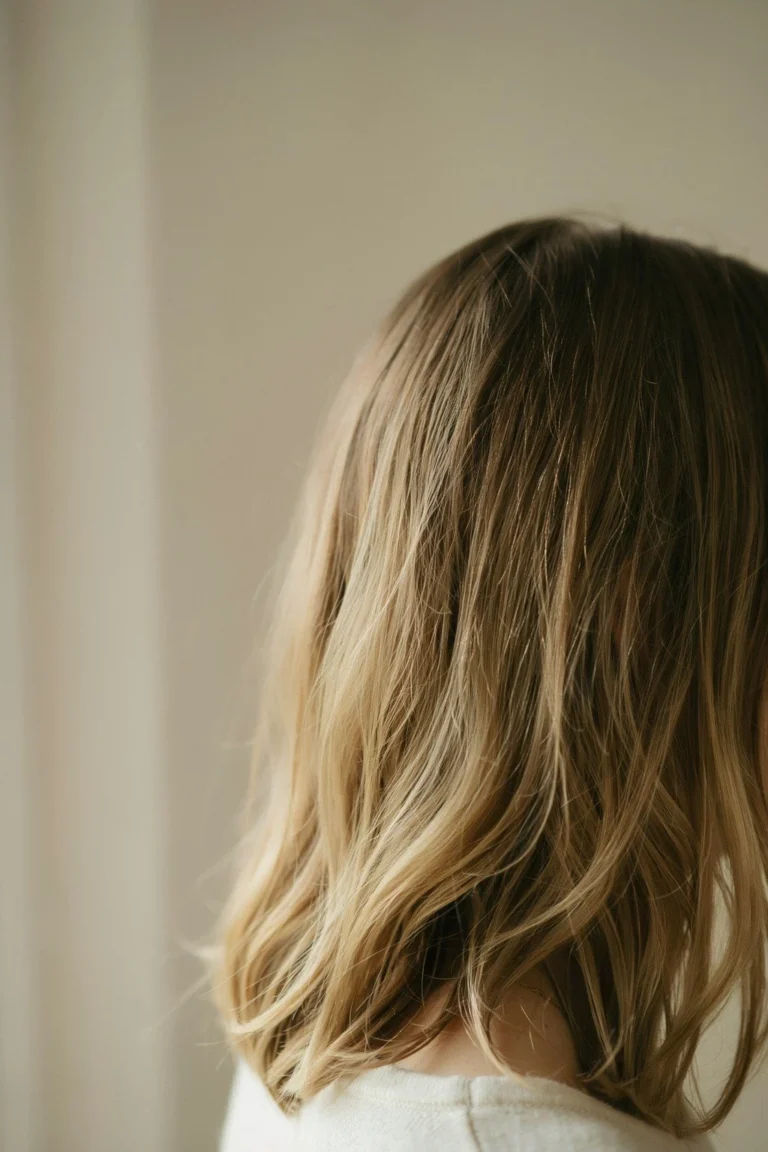
A level 3 base melting into toffee at a level 6, glossed warm, is the brunette classic and the look most saved photos are actually showing. One long session covers it on most heads, with a tone refresh around eight weeks. The grow-out is soft for five months because nothing at the root was ever touched.
Golden Ends on Level 4
Warmer and brighter than toffee, the golden version lifts the ends to a level 7 and glosses them honey-gold rather than pale. One session, and the warmth holds six to eight weeks before a gloss wants to refresh it. It’s the sunniest entry in this group and the one that flatters warm skin the most.
Bronde Gradient, Halfway There
For anyone torn between keeping brunette and going lighter, the gradient stops at a level 7 bronde, which is genuinely halfway and genuinely grows out that way too. One session, four-plus months before the ends ask for anything. It’s also the strategic pick if a future blonde appointment is in the plan, because some of the lift is already done.
Face-Framed Gradient
The melt concentrated around the face rather than the whole head, lifted to a warm level 6 to 7, gives the brightening where cameras look and keeps the rest of the mass your own color. One session at partial pricing, $100 to $200, varying by region and salon tier. The lowest-commitment real change in this group.
Ash-Toned Gradient on Medium Brunette
The cool option: ends lifted to a level 7 and toned ash-beige immediately, catching the warmth before it settles. The tone wants refreshing every four to six weeks, because cool pigment oxidizes out first, and that schedule is the price of the smoke. Say ash out loud at the consultation, because ombré defaults warm.
Level 5–6: The Easy Lift

By level 5 or 6 you’re close enough to the destination that the chemistry is gentle and everything below is one session. The risk at this depth isn’t damage or brass. It’s spending a full appointment and walking out with a change only your colorist can see.
Buttery Melt on Light Brunette
Ends lifted two levels to a warm 8 and glossed buttery, reading as your hair after a very long summer. One session, almost no maintenance schedule, and five to six months before the gradient wants anything. The gentlest full gradient on this list.
Blonde Ends on Level 6
For the person who wants the destination to actually be blonde, the ends go to a clean level 8 or 9 and get toned neutral, one session, with the tone refreshed at six to eight weeks. The contrast against a level 6 base is real without being loud. Bring a photo in daylight, because this is the look filters lie about most.
Honey-Glazed Gradient
A honey gloss over the whole head with the ends lifted one level underneath gives glow now and dimension after the gloss fades back over six to eight weeks. The weave of the two keeps working long past the glaze, which is what makes it good value at $150 to $350 all-in. The starter ombré for anyone nervous about being seen with one.
Pearl-Glossed Ends on Dark Blonde
Ends lifted to a level 9 and glossed pearl read as shimmer rather than stark, which is the difference between this and platinum. Pearl is cool and behaves like it, wanting a toner every four to six weeks, and the gloss budget should be decided before the booking. One session for the lift, then the schedule takes over.
Barely-There Gradient for First-Timers
One to two levels of shift, glossed to sit close to your base, is the smallest real gradient possible and the one I suggest to anyone testing whether they like dimension at all. One short session, no schedule attached, and the grow-out is invisible by definition. If the answer is yes, the rest of this list is waiting.
The Warm Family: Caramel, Honey, and Amber
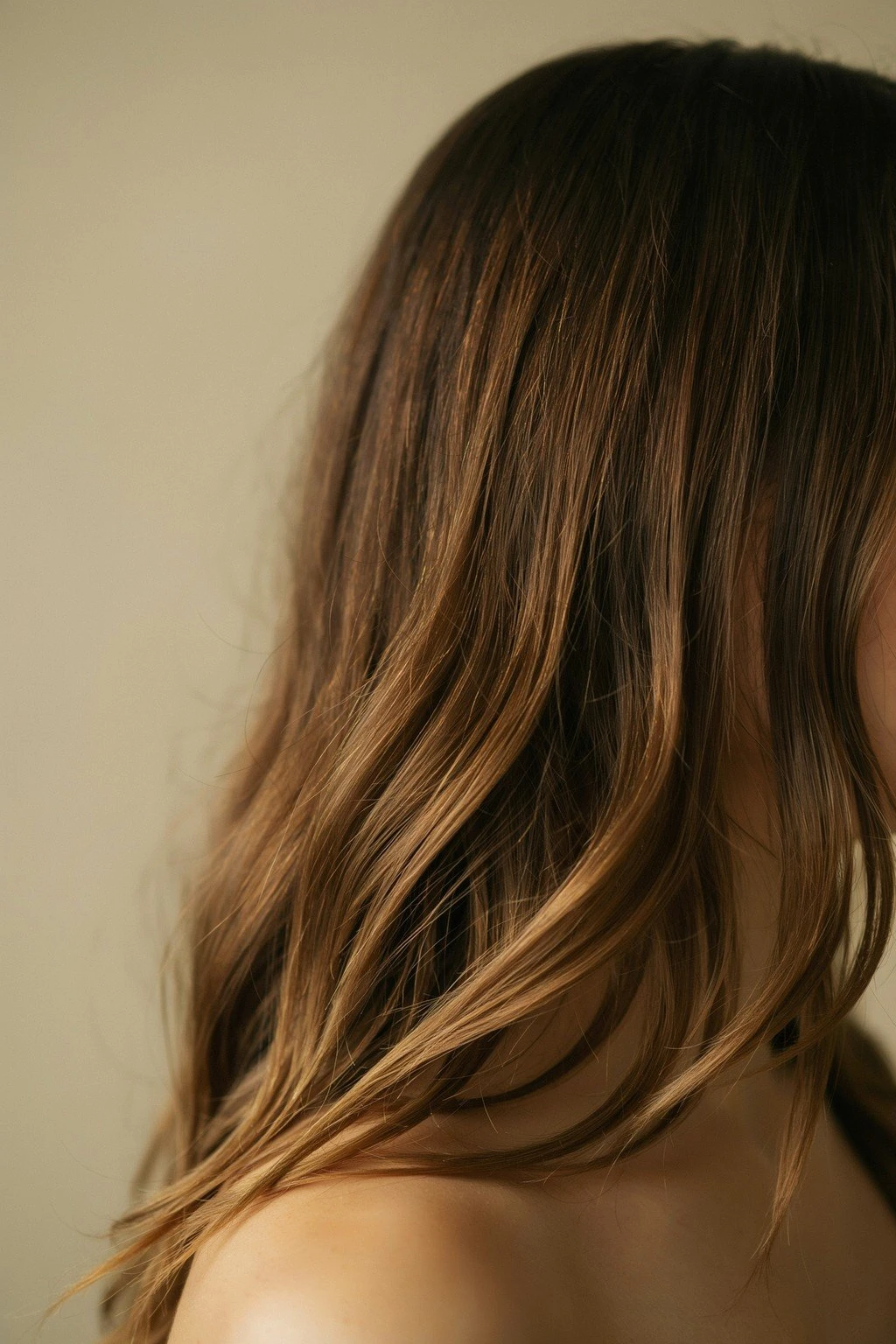
Warm destinations are the slowest-drifting ombrés there are, because they fade toward the warmth the lift already carries, and the change reads as softening rather than failing. If upkeep is your worry, this family is the answer. These five work across the base levels, with the session count set by your starting number the way the table above says.
Caramel Gradient, the Crowd Favorite
The most-requested gradient I get, for a reason: caramel sits at the exact point where brunette ends and blonde begins, so it reads as both at once. Toned warm at a level 6, it holds its own for six to eight weeks before a gloss wants to refresh it. If you only save one photo from this list, the honest money is on this one.
Honey Melt on Any Base
Softer and paler than caramel, honey flatters more skin tones than almost any warm and survives washing better than straight gold. Ask for the tone by name rather than pointing at a blonde photo, because honey sits a shade this side of blonde and the distinction is the whole look. Gloss refresh around eight weeks.
Cinnamon-Toned Ends for Deep Brunette
Warmer and redder than caramel, cinnamon brings a spice note that deep bases wear better than gold, lifted to a level 6 and glossed warm red-brown. Red-lean tones fade fastest of the warm family, inside six weeks, so the gloss rhythm matters more here. It’s the choice for anyone who found caramel too polite.
Amber Gradient on Medium Brown
On a level 4 or 5 base, amber sits between honey and copper and glows like late sun, one session, with the tone holding six to eight weeks. It’s the warm pick for anyone whose skin fights with obvious orange, since amber carries gold without the fire. Photographed indoors it reads rich; outdoors it reads lit.
Golden Hour Gradient
A blend of gold and caramel placed so the two tones alternate through the ends, which gives the gradient movement a single tone can’t. One session from level 4 up, gloss refresh at eight weeks, and the grow-out is the same soft story as every entry on this page. The warm version for people who get bored easily.
The Modern Variations: Softer, Reversed, and Smaller
The gradient has grown versions for every hesitation, and these five are the ones doing the most work in consultations. They trade some of the drama for easier lives, which is a fair trade most days.
Sombr: The Soft Ombré
One to two levels of shift, blended so high up the shaft that the gradient is felt more than seen, which is exactly the point. The word to say out loud is sombr, because a colorist who hears ombré may reach for more contrast than you want. Five to six months between visits, sometimes longer. The quiet one.
Reverse Ombré
Lighter at the root and deepening toward the ends, the reversed version is mostly deposit work on the bottom, which means no lift where most damage lives. It grows out the same soft way as the original, because the placement still skips any hard line. One session, and a genuinely different silhouette for anyone who’s seen their own gradient too many times.
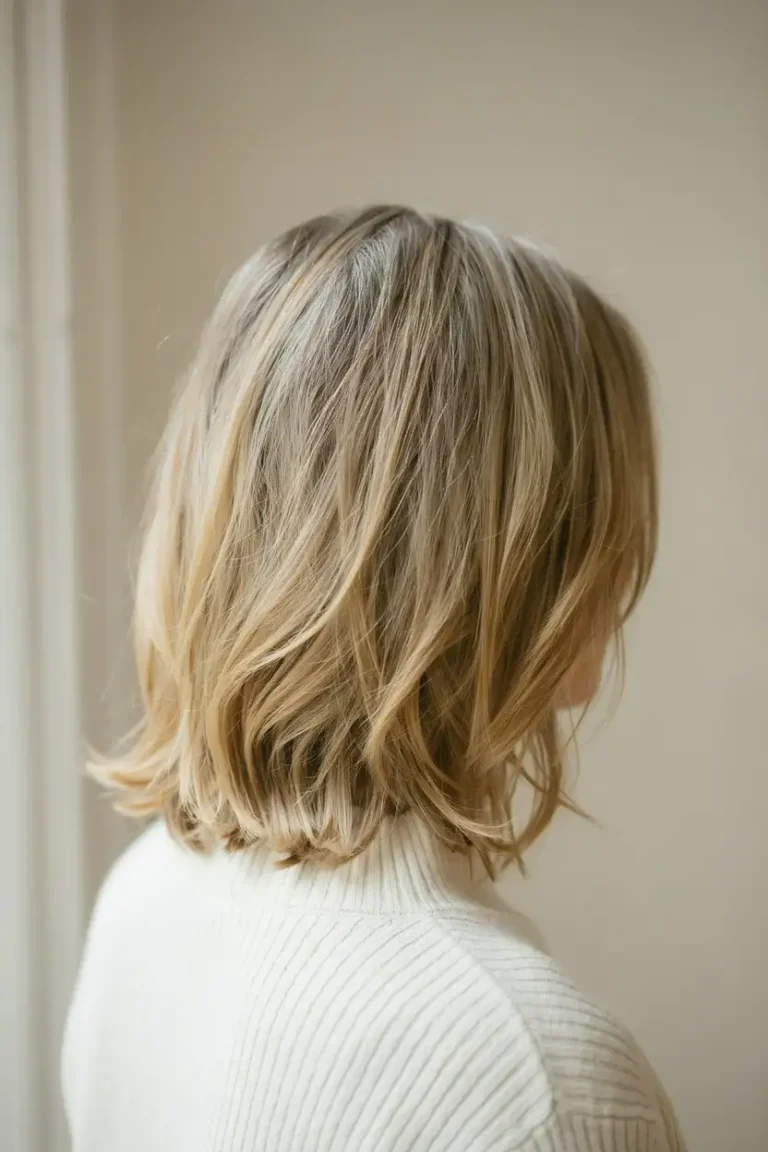
Ombré on a Bob-Length Cut
Shorter hair carries the gradient closer to the face, so the blend needs to start higher and melt faster, which is a placement conversation more than a chemistry one. One session at most bases, and the redo rides along with the haircut schedule you already keep. Ask for the melt to begin at the jaw so the shape keeps its line.
Tips-Only Dip
The last two inches and nothing else, lifted and toned for a gradient in miniature. The maintenance plan has the same loophole as every ends-only look: the exit strategy is a haircut, not an appointment. One short session, five-plus months of doing nothing, and the smallest door into this list.
Ombré Melt, No Pieces
For anyone who hates the idea of visible sections, the full melt blends the gradient with no weave pattern anywhere in it, shade sliding into shade from the ears down. One session from level 4 up, and the grow-out is indistinguishable from your hair simply being its own gradient. The version for people who want the result without the evidence.
The stripe era gave this look a reputation it never deserved, because a stripe was never the gradient’s fault. It was a placement problem, a hard line where a melt should have been, and nine years of blending them has left me certain of one thing: when an ombré looks wrong, the look didn’t fail. The seam did.
Ombré never had a stripe problem. It had a blend problem.
Frequently Asked Questions
What’s the difference between ombré and balayage?
Ombré is the destination, a gradient from darker roots into lighter ends, while balayage is the freehand technique often used to paint it. The two get booked together so often that the names blur, but you can have a gradient painted other ways and painted hair with no gradient at all. When you book, describe the destination and let your colorist choose the brushstroke.
How much does this gradient technique cost?
One-session gradients on level 3 and up run $150 to $350, varying by region, salon tier, and length, while black and off-black bases need two sessions spaced 4 to 6 weeks apart, $300 to $700 in total. Ends-only versions bill as partials at $100 to $200. The starting level sets the number, not the photo.
How long does ombré last?
The lift is permanent and the gradient sits at the ends, so there’s no root line to outgrow and no deadline the way root color has one. Most people go five to six months before the tone wants a gloss or the ends want a refresh, and some simply grow it into a haircut. It’s the lowest-maintenance commitment on the color menu.
Does lifting just the ends damage hair?
The lift is a chemical change, and honesty requires saying so, but the placement limits the exposure: only the ends get lightened, the root never does, and repeat visits can skip the sections already lifted. That makes it gentler in practice than most full-head services. Overlap onto previously lightened ends is the real risk, which is why good colorists paint around them.
Can I get ombré over box-dyed hair?
The plan waits on a strand test, because lightener over previously colored hair behaves differently than over virgin hair, sometimes lifting fast and sometimes refusing at all. If the box dye sits mostly at the roots, an ends-only gradient can sometimes dodge it entirely, which the test will say. Bring the history honestly, because it decides which of these are yours.
Pick Your Gradient by Its Grow-Out
Every look on this list grows out softly, so the real choice is the session count, the tone’s fade clock, and how loud you want the destination to be. Find your level in good daylight, pick the entry whose rhythm matches your calendar, and bring both to the chair. When you’re ready to talk about how the gradient gets painted, the technique conversation is the natural next stop.
Not sure which group your hair belongs in? Ask in the comments below and I’ll place you in the right one. — Margot