Highlights vs. Balayage: Which One Is Right for You?

Highlights vs. balayage is the most common either/or I get at the consultation mirror, and it almost always arrives with the same saved photo held up behind it. The entire decision fits in one sentence: highlights give you uniform brightness from the root on a 6-to-8-week touch-up cycle, and balayage gives you softer, hand-painted contrast that stretches to 4 to 6 months between appointments. Same lightener, same salon, often the same finished shade. What differs is where the color starts, what the grow-out looks like, and what the next year costs. I’ve talked people into both, and out of both, and the deciding question is almost never the one they walk in asking.
What Actually Happens in the Chair
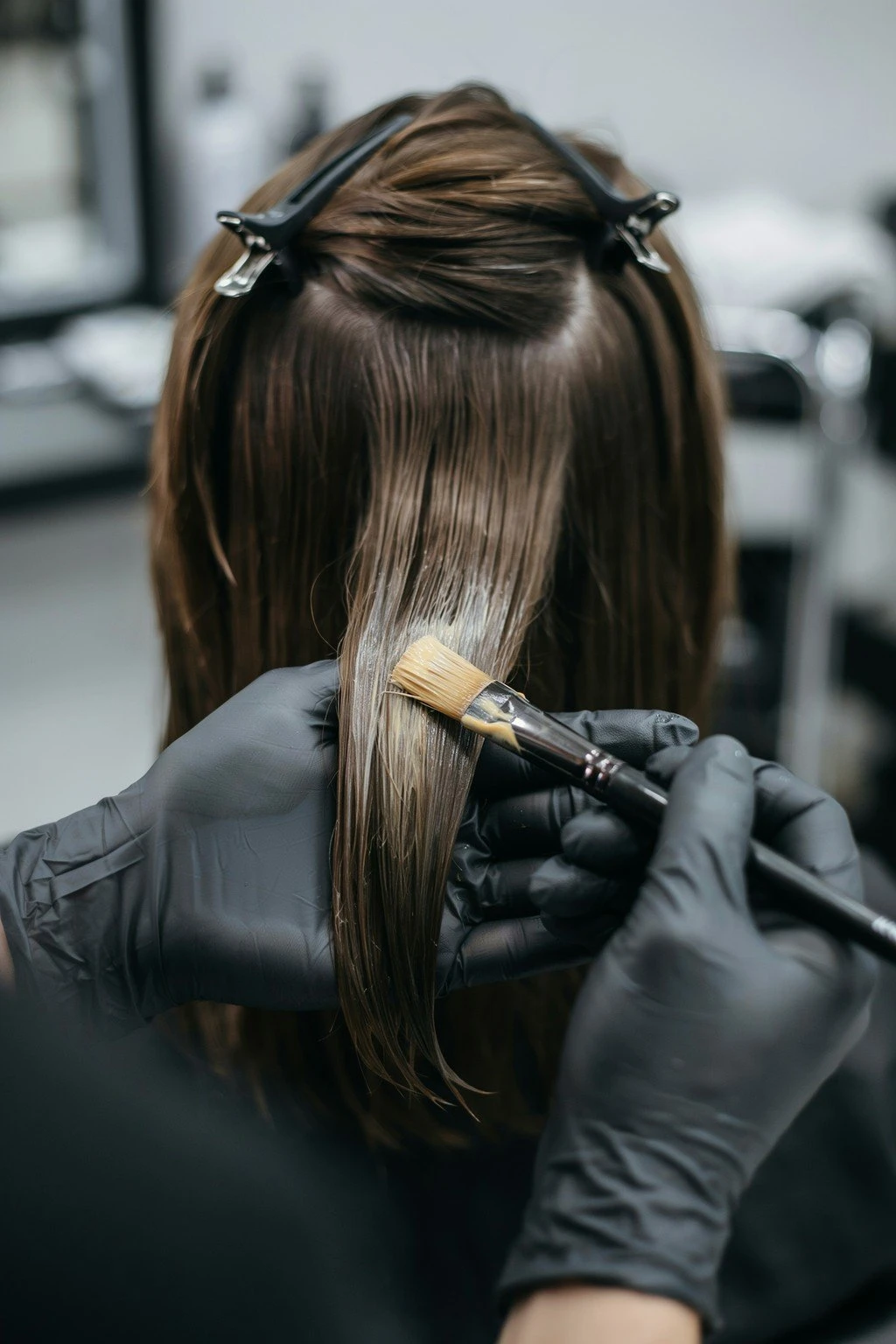
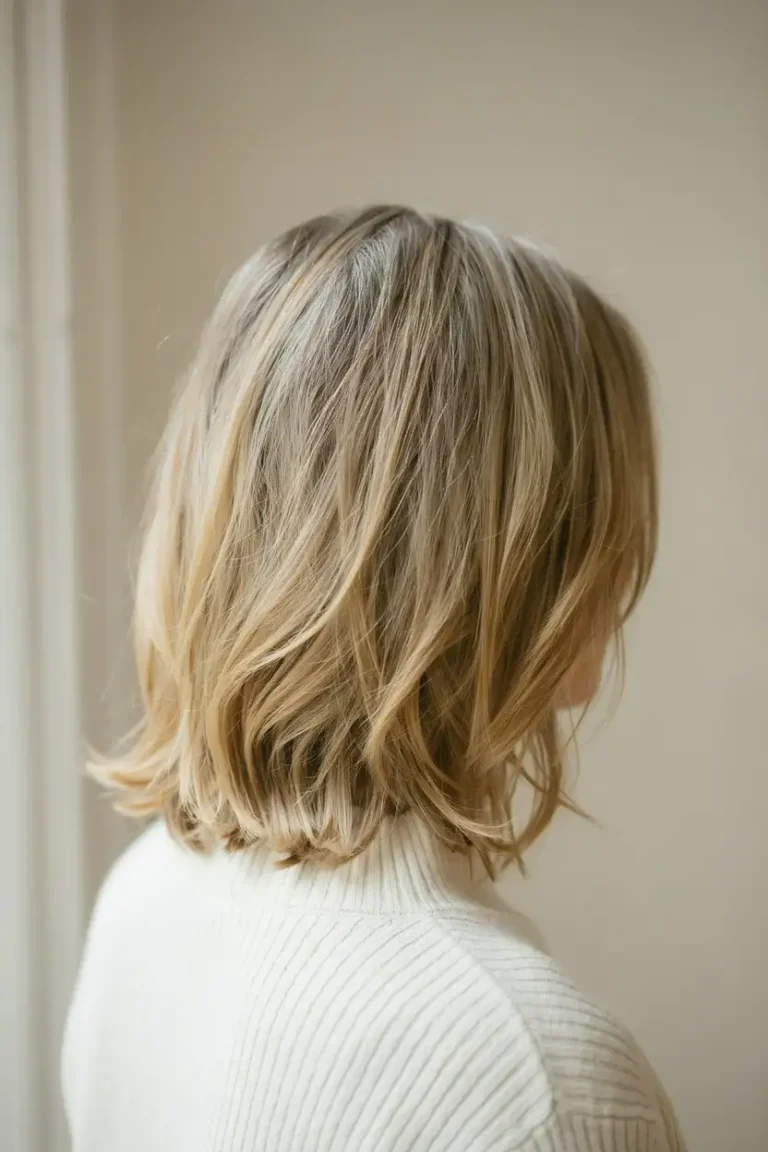
The difference starts with the hands, not the product. Traditional highlights are woven out section by section, wrapped in foil, and placed flush to the root, which is why the result reads so clean and even. Every piece begins at the same point and lifts on the same schedule, and the wrap holds warmth against the section, so foils lift cleaner and paler than open-air painting can. That’s why platinum almost always means foil. Balayage is painted freehand onto the surface of a section, usually starting an inch or two off the scalp and saturating heavier toward the ends, so the placement graduates instead of anchoring.
You can read a head of foils like a ledger afterward. I can point at a finished head and tell you which appointment placed each piece, because the regrowth lines up in rows. Painted hair keeps no records like that. That anonymity is most of what you’re paying for.
Both use the same lightener, and that’s worth saying plainly, because it narrows what “gentler” is allowed to mean. Lift is a chemical change either way; the technique decides where the change lands, not whether it happens. Appointment length is a wash too. A full head of either runs 2 to 4 hours, so book the afternoon regardless.
If color has never been on your skin before, any new pigment earns a patch test before it covers your whole head, and that includes the toner at the end of the visit. It takes a day and it settles the question for good.
The Grow-Out Line: Where Balayage Earns Its Price
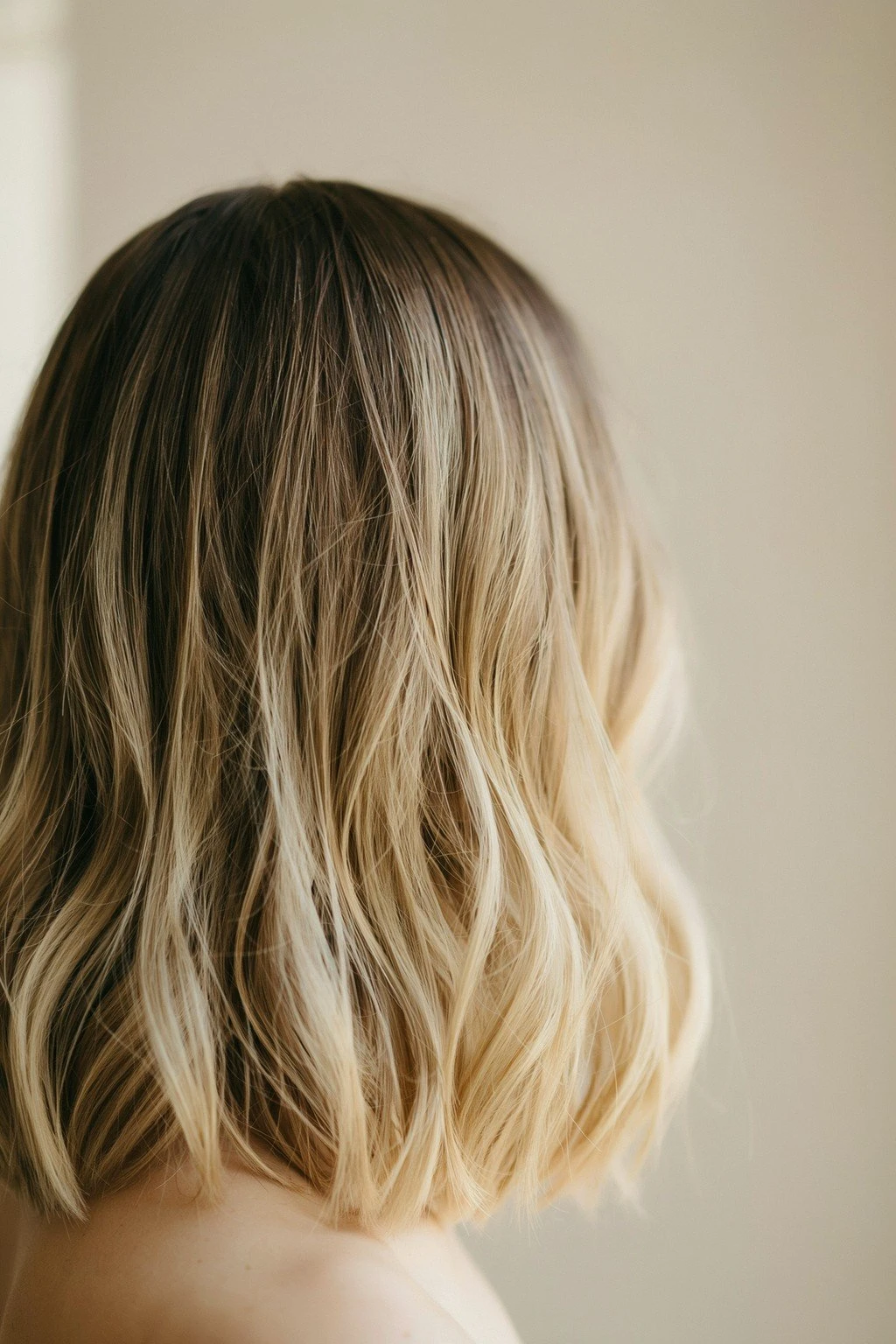
Hair grows about half an inch a month, and that single number runs the whole argument. Foils start at the scalp, so every month of growth stacks another half inch of natural color against a hard, uniform line, and most people see it clearly around week 6 to 8. That’s when the touch-up lands. Painted pieces start below that zone and diffuse as they grow, so there is no edge for the eye to catch. Most of my balayage clients stretch 4 to 6 months between full sessions, with one or two glosses in between. A gloss doesn’t move any of the lifted hair. It refreshes the tone sitting on top of it, which is the part that actually fades.
The appointment that taught me this one was a woman furious at her highlights, and the color wasn’t the problem. It was week seven. Her line had grown in straight across, and every ponytail showed it. I’ve watched dozens of people arrive at the same conclusion from the same chair: it was never about the shade. Nobody is choosing between two colors when they sit down. They’re choosing between two upkeep schedules and two very different yearly budgets.
Nobody chooses between two colors. They choose between two upkeep schedules.
What Each One Costs Over a Year
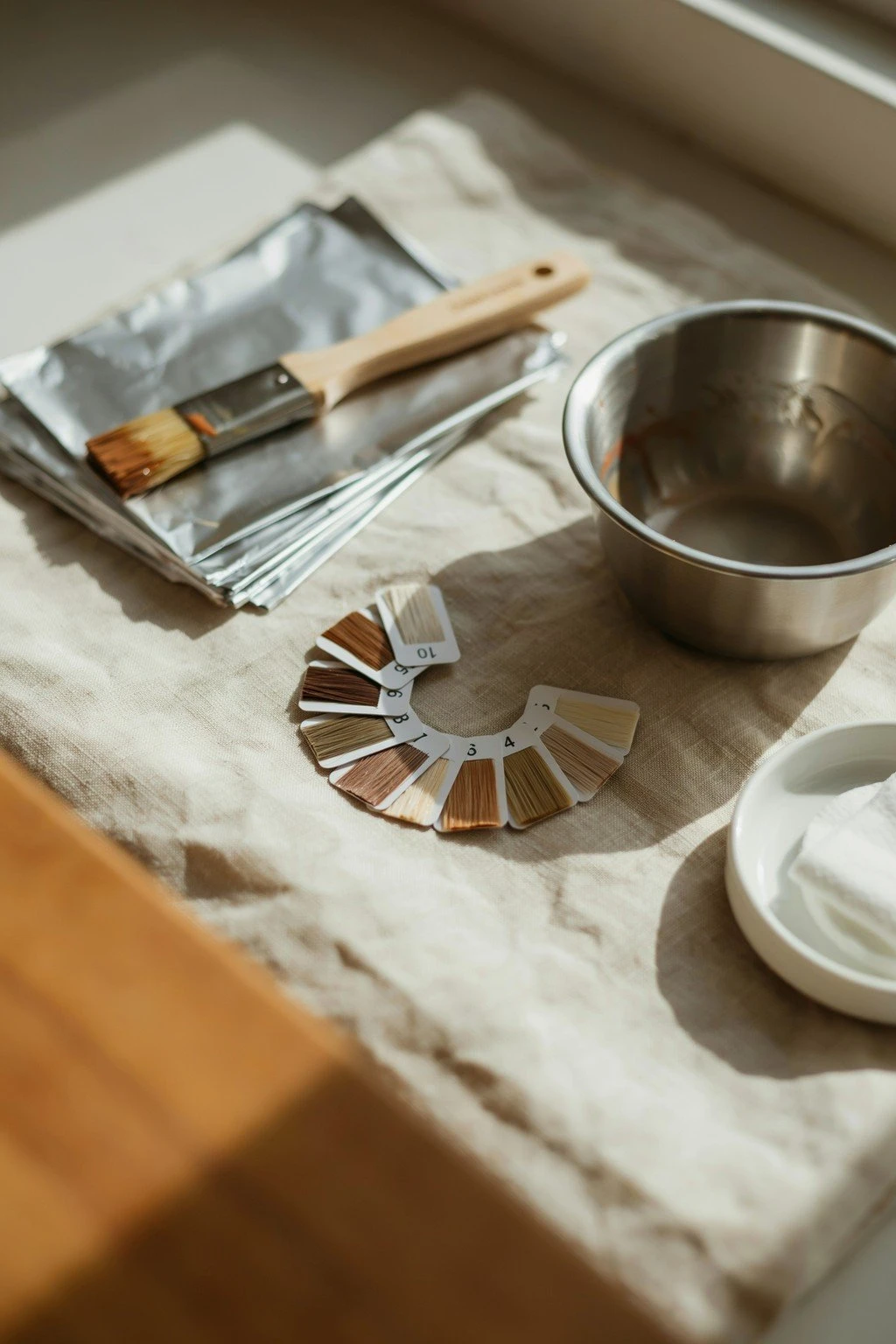
Per visit, paint usually runs about $50 more than a comparable foil service, and that’s the number people fix on at the front desk. The yearly math goes the other direction. Full-head highlights typically run $100 to $250 per session, varying by region, salon tier, and length, and the 6-to-8-week cycle means six to eight of those sessions a year.
Balayage’s first session typically lands between $150 and $350, and then the rhythm slows right down. Two to three full sessions a year covers most people, with one or two glosses at $50 to $90 each keeping the tone fresh. Over twelve months, the technique that costs more per visit usually costs less in total.
That quote, for either technique, is generally paying for the same four things:
- The lightener and its placement, woven and wrapped for foils or painted by hand
- The toner or gloss that decides the final tone, which some salons itemize separately
- The finish, meaning the cut or blow-dry at the end of the visit
- On darker bases, the honest possibility that this quote is session one of two
If a quote doesn’t say whether the gloss is included, ask before you book. That one line item recurs every few months, and it’s worth knowing whose job it is.
How Highlights and Balayage Behave on Your Base Level
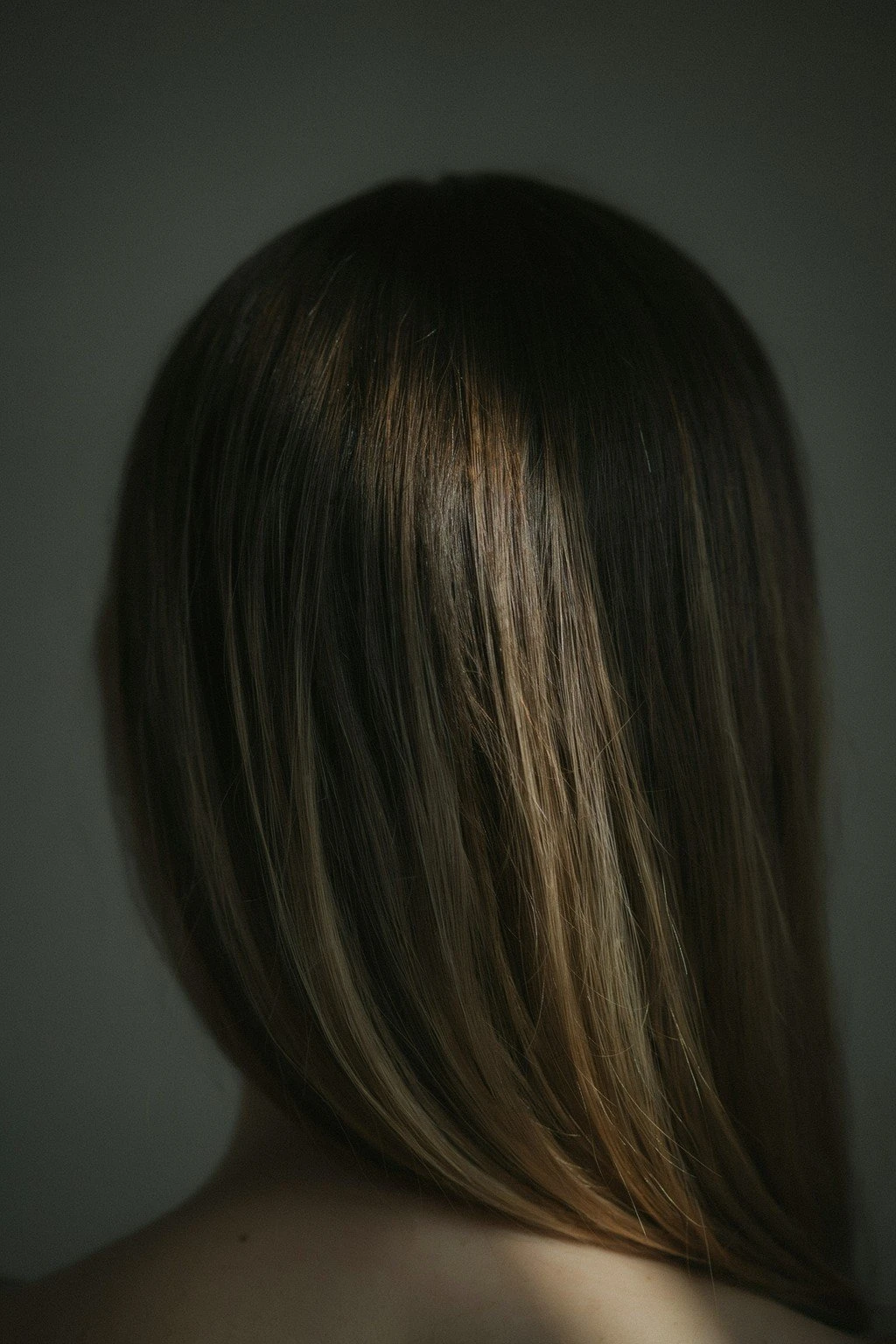
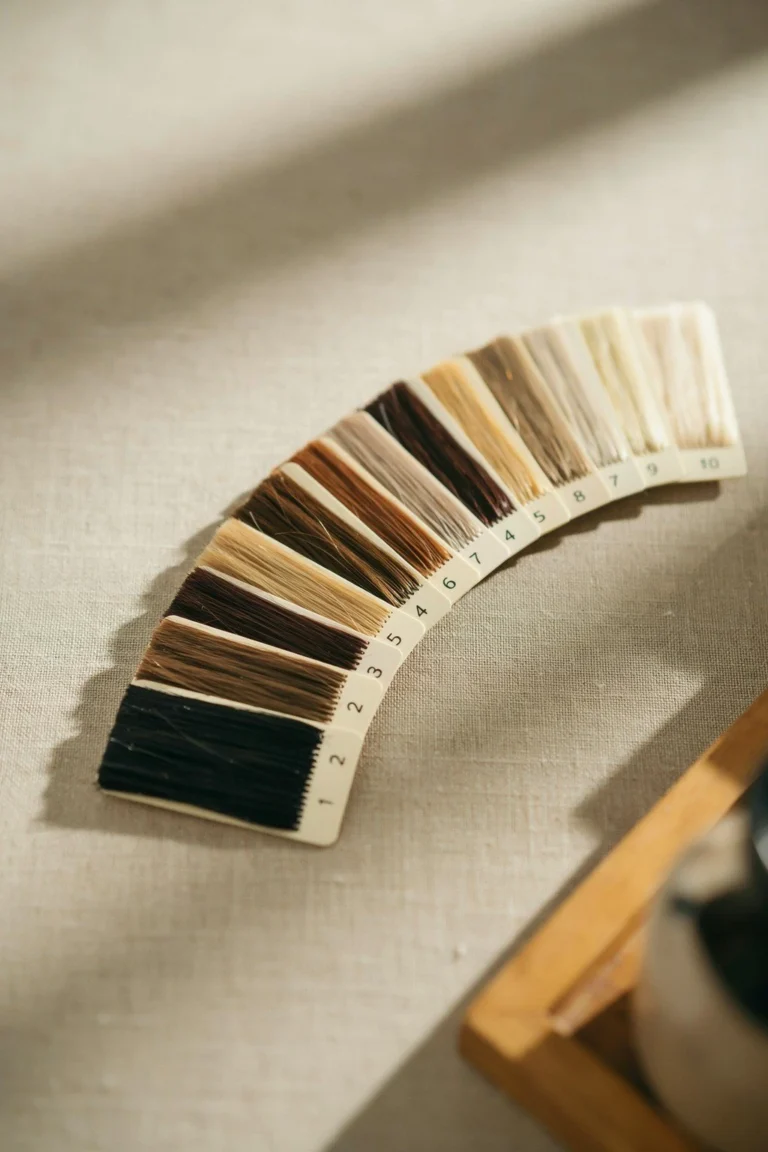
The photo you saved was taken on somebody’s starting level, and yours is what decides how much journey is left between you and it. Levels run from 1, black, to 10, lightest blonde, and every row of that scale changes this comparison a little. If you don’t know yours yet, that’s the number to find first.
On a level 1 to 3 base, both techniques are a bigger project than the photo implies, and real brightness means two sessions spaced four to six weeks apart either way. Foils at that depth show every stage of the lift, including the orange one, because the contrast is anchored right at the root. The orange isn’t a mistake or a product failure. Dark hair’s underlying pigment surfaces in that order on the way up, every single time. Painted placement keeps the warmth lower and softer, which is why it reads intentional mid-journey instead of unfinished.
Level 4 to 6 is the forgiving middle. Most results in both directions happen in one session, the orange stage passes fast, and this is where I point nervous first-timers. The lift needed is modest, the toner does most of the visible work, and first appointments made this way rarely surprise anyone.
Already a level 7 or lighter, and you’re shopping for dimension rather than lift, which makes both techniques cheaper and gentler at once.
One caveat before any of this applies. If your hair is box-dyed or carrying color you can’t fully account for, nothing gets scheduled until a strand test says what’s underneath, because lightener behaves differently over box dye than over virgin hair. Sometimes it lifts faster and hotter than planned. Most of the heads in my chair already have something in them. The strand test is the only honest way to find out what that something will do.
Which One Should You Actually Book?
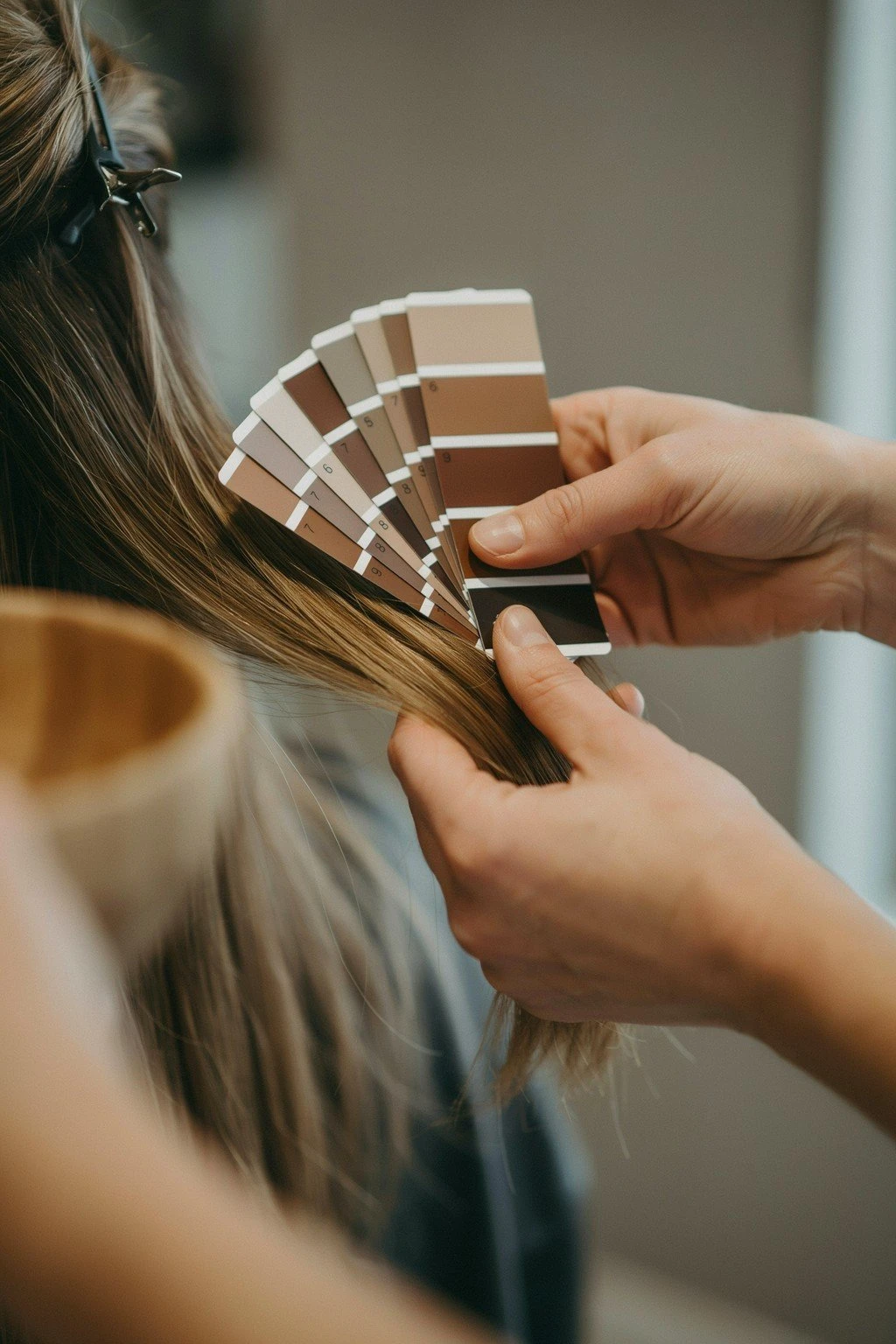
Strip the jargon away and the choice reduces to three questions: how sharp you want the brightness, how often you want to sit in that chair, and what your starting level allows. None of them has a wrong answer, but they need honest ones. The table below is the whole comparison on one card.
| Foil highlights | Balayage | |
|---|---|---|
| Where color starts | At the root, woven and wrapped | An inch or two off the scalp, painted freehand |
| Grow-out line | Shows at 6 to 8 weeks | None. Diffused placement grows out invisibly |
| Full sessions per year | Six to eight | Two to three, plus one or two glosses |
| First-session cost band | $100 to $250 | $150 to $350 |
Choose highlights if you want brightness that reads uniform from the scalp, if you’re heading significantly cooler or paler, or if a steady 6-to-8-week rhythm genuinely fits your calendar. Foils lift cleaner toward platinum, which is a real advantage when pale is the goal.
Choose balayage if you want contrast that stays soft as it grows, if you’d rather budget twice a year than eight times, or if this is your first lightening appointment and you want the version with no line to grow out.
If you’re still sitting on the fence between those two paragraphs, that’s what a consultation is for. Bring the photo, name your budget, and let your colorist look at your actual base before either of you commits.
Frequently Asked Questions
Is balayage less damaging than highlights?
Usually, but not because the product is gentler. It’s the same lightener either way. Painted placement skips the root on repeat visits and rarely overlaps last session’s lift, and overlap is what actually breaks hair, while foils reprocess from the scalp every cycle by design. On a dark base asking for dramatic brightness, though, the difference narrows, because both techniques end up requesting the same amount of lift.
How long does each appointment take?
Plan on 2 to 4 hours for a full-head service either way, depending on density and how far you’re lifting. The painting itself can be quicker than weaving a full head of foils, but the processing clock is the same chemistry either way. Second sessions on dark hair sometimes run longer than the first. The length of the visit isn’t where these two differ. It’s the number of visits.
Can I switch from highlights to balayage without starting over?
Yes, and it’s one of the most common transitions I do. Your colorist paints new pieces around the existing foils and softens the whole thing with a gloss or a root shadow, so the line blurs instead of being stripped out. Most switches take one session, sometimes two if the existing highlights are very uniform. From there, the grow-out follows the softer schedule.
Which one works better over box-dyed hair?
Neither one starts until a strand test says what’s under the box dye, because lift over previously colored hair behaves differently than over virgin hair. Sometimes it grabs faster, sometimes it stalls. Placement matters once you’re cleared: painted pieces can stay below the dyed section entirely, which is a genuine advantage when the dye sits mostly at your roots. Bring your box history honestly, because it changes the plan.
Do highlights always leave a grow-out line?
Root-to-tip foils do, because the lift starts at the scalp and your natural color grows in beside it. Softer versions exist, like thinner weaves, pieces placed slightly off the scalp, or a shadowed root at the same appointment, and any of them buys a few extra weeks. If a line is your main worry, though, that’s the technique telling you something. Painted placement has no line to begin with.
One Number Decides Most of This
Whichever way you lean, the whole plan gets simpler the moment you know your real starting level, so find it in good daylight before you book anything. That one number settles the session count, the cost band, and which of these two techniques your hair will actually cooperate with. The appointment’s price tag is the next question, and it’s the one worth answering before you call.
Not sure which side of this comparison your hair is on? Ask in the comments below and I’ll tell you what your starting level is likely doing to the plan. — Margot