Haircut Styles: How to Actually Choose One
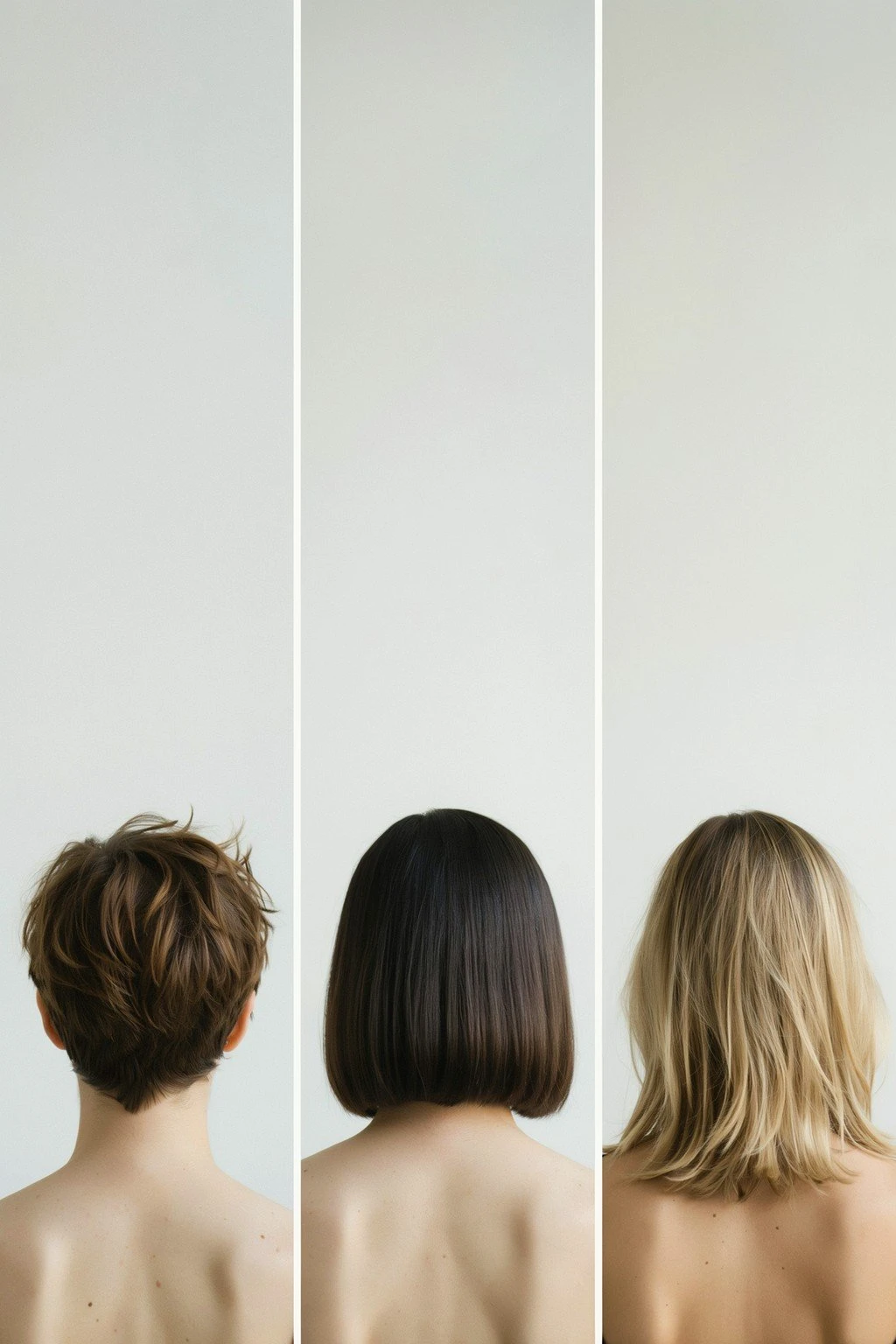
Haircut styles get chosen from a scrolling gallery more often than from an actual conversation about what a person’s hair does, and that’s backward. I’ve sat across from clients with fifty saved photos and no idea which one actually fit their density or their real morning routine, and the fifty photos didn’t help nearly as much as five minutes talking through those two things would have. I still ask every new client the same two questions before I let them show me a single photo: how much time they actually have most mornings, and what their hair has done to them in the past when a cut went wrong. Both answers narrow the field faster than a hundred saved images ever could. This is a framework, not another gallery: the variables that actually decide a haircut style, how short, medium, and long options differ mechanically, and how to match a style to a routine you’ll actually keep.
Choosing among haircut styles comes down to three real variables: your hair’s density, how many minutes you spend styling most mornings, and your face shape as one factor among several rather than the deciding one. Matching those before a photo narrows the field fast.
The Real Variables That Decide a Haircut Style
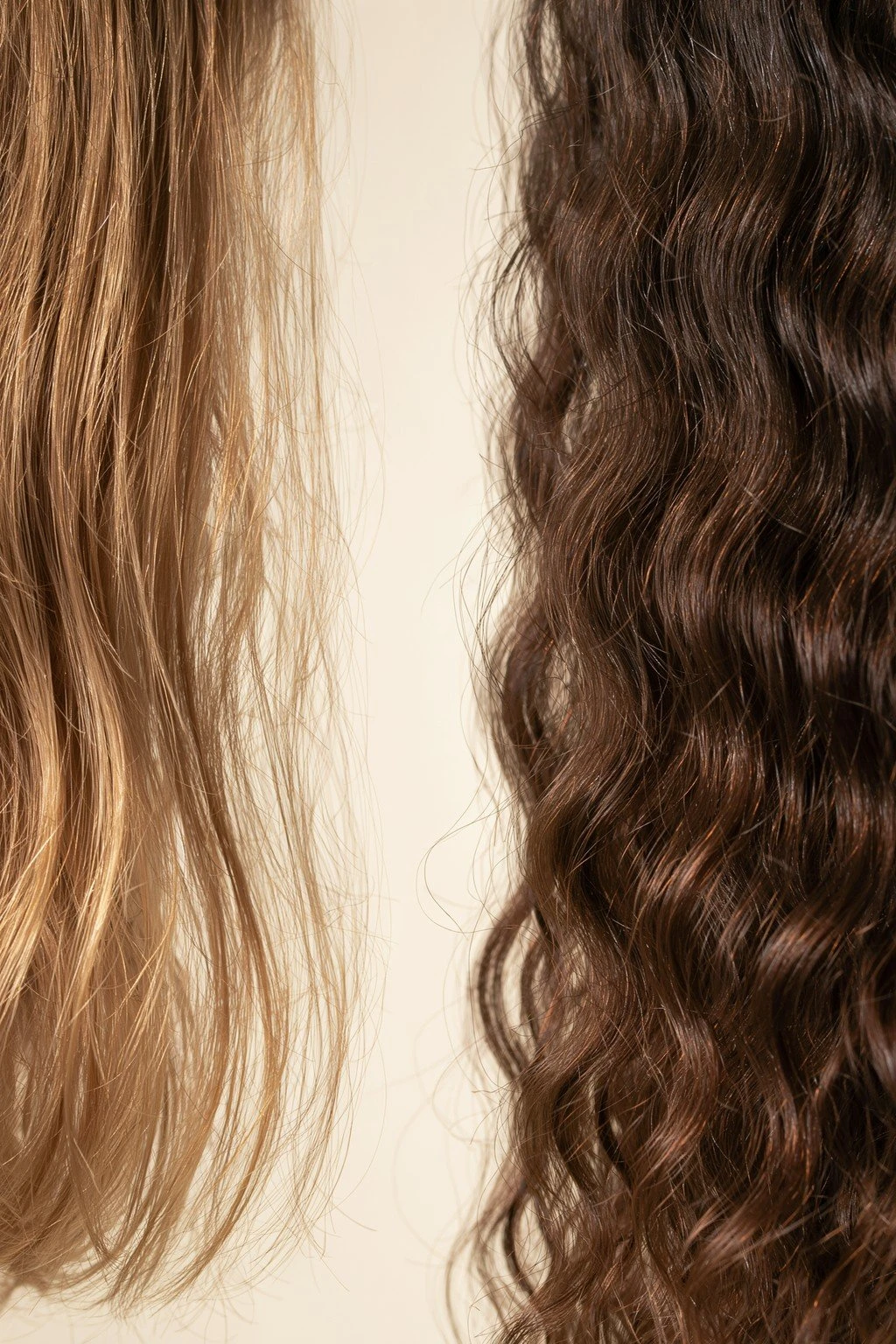
Density decides more than most people expect walking in. Fine hair generally holds shorter, more structured shapes with less daily effort, since there’s less weight fighting the cut, while thick or coarse hair often needs deliberate layering or texturizing at any length to avoid sitting heavy. Texture matters just as much: curly and wavy hair should be cut dry whenever a stylist offers it, since curl pattern shrinks the strand and changes exactly where a line or layer lands once it’s dry. Face shape is a guideline here, not a rule — it’s a real factor, but density, texture, and how much you want to style each morning matter just as much as bone structure, and treating face shape as the single deciding factor is the most common way people end up disappointed with an otherwise well-executed cut.
Hair growth rate is worth factoring in too, and it’s the variable people think about least until they’re already regretting a decision. Hair grows roughly half an inch a month regardless of cut, which means a dramatic length change takes real time to reverse if you change your mind. Someone who’s cut their hair short every few years and always regretted it by month four is telling you something useful about their own preferences, and that history is worth bringing into the conversation as directly as density or face shape.
Short Haircut Styles at a Glance
Pixies and crops remove the most bulk of anything in this list, which redirects attention to your eyes, cheekbones, and jawline since there’s no length left to soften them. They need the most frequent trims of any style family here, typically every four to five weeks, and reward fine to medium density more than very thick or coarse hair without deliberate texturizing. Bobs sit a step longer, ending anywhere from the chin to the collarbone, and hold structure with a blunt perimeter or move with added layers depending on your density. Say, “I want to be able to tuck the front behind my ear,” if you’re considering a pixie, since that single sentence tells a stylist more about your real routine than any photo does.
Both short families share one honest trade-off worth naming directly: they show more of your neck, jawline, and shoulders than longer hair does, since there’s no length softening the transition between head and shoulders anymore. That’s a genuinely different silhouette, not a flattering-or-not judgment, and it’s worth looking at photos of the specific length you’re considering rather than assuming it will read the same as it does on someone else.
Medium and Long Haircut Styles at a Glance

Lobs and shoulder-length cuts hold onto more length while still offering a defined shape, and they’re a reasonable middle ground for anyone unsure how much change they actually want. Layers at medium and long lengths need to start further up the head to register as movement, since there’s simply more weight for the cut to work through than at a shorter length. Shags sit at the more dramatic end of this range, with heavy, irregular layering built to move constantly rather than lie smooth. At week six, a shag’s shortest layers have usually grown enough to blend into the rest, which is worth knowing before you judge the cut too early.
Medium and long styles generally cost less in trim frequency than short ones, since there’s more length for a cut to grow through before the shape genuinely loses its structure. That trade-off matters if your budget or schedule can’t accommodate a monthly appointment, and it’s a completely legitimate reason to choose a longer style over a shorter one you’d otherwise prefer, rather than a compromise to feel apologetic about.
What Actually Changes at Each Length
The shorter the length, the higher up the head layers need to start to reshape the silhouette, and the more frequently the cut needs a trim to hold its line. The longer the length, the more weight there is to work through, which means layers need to be more deliberate to register as movement rather than just thinning the ends. Say, “how will this look at week six, and how often do I need to come back,” at any consultation regardless of the length you’re considering — it’s the single most useful question in this whole framework, and it’s the one almost nobody asks.
The photo you bring in matters less than the density and routine you bring with you. Match those first.
Matching a Style to Your Morning Routine
| Style family | Trim cadence | Daily styling time | Best density fit |
|---|---|---|---|
| Pixie/crop | 4–5 weeks | 5–10 minutes | Fine to medium |
| Bob | 6–8 weeks | 10–15 minutes | Any, with adjustment |
| Lob/shoulder layers | 8–10 weeks | 10 minutes | Any |
| Long layers/shag | 10–12 weeks | 10–15 minutes | Thick hair especially |
If your morning routine genuinely tops out at five minutes, I’d steer you toward a pixie or a curly cut worn wash-and-go before a heavily layered long shag, regardless of what face shape or density chart says otherwise. The style that fits your actual mornings is the one you’ll still love in six months, not the one that photographed best in the consultation.
Budget is worth naming plainly here too, since it rarely comes up directly in a consultation even though it shapes the decision as much as anything else. A style needing a trim every four weeks costs meaningfully more over a year than one needing a trim every ten to twelve weeks, even before factoring in any difference in the appointment’s base price. If a shorter, more structured style is genuinely what you want, that’s worth planning for as an ongoing cost rather than discovering it three months in when your schedule or budget can’t keep up with the cadence the cut actually needs.
What to Say Before You Sit Down
- “I have about [X] minutes to style this most mornings.”
- “My hair is [fine/thick] and [straight/wavy/curly].”
- “Can you show me the back before we start?”
- “How will this look at week six, and what’s the trim cadence to keep it?”
Bring a photo of your hair on an ordinary day, not just freshly styled, alongside any inspiration photos. A stylist who sees how your hair actually behaves day to day can choose a style built to hold up without daily effort, rather than one that only looks right the moment you leave the chair.
If you’re switching stylists or visiting somewhere new, bring your trim history too: roughly how often you’ve been getting cuts and what’s worked or fallen apart between visits in the past. A new stylist working from that history, rather than starting from scratch on your hair’s habits, tends to land on a workable cadence faster than one guessing based on the consultation alone.
Frequently Asked Questions
How do I know which haircut style will actually suit me?
Start with your density, texture, and how many minutes you realistically spend styling, then bring those answers to a consultation before you commit to a specific photo. Face shape matters, but it’s one variable among several, not the deciding one.
Should I choose a cut based on what’s trending?
Trending styles are worth looking at for inspiration, but the ones that photograph well on social media aren’t always built for your specific density or routine. A style that suits your actual hair will outlast any trend by a wide margin.
How often do different haircut styles need maintenance?
It ranges from four weeks for a pixie to ten or twelve weeks for a longer, less structured cut. Shorter, more precise styles generally need more frequent trims than longer, looser ones, which is worth weighing as heavily as the look itself.
Can I go from long to short in one appointment?
Often yes, going from long to short is usually a single visit, though going from a heavily processed or damaged state to a precise short style may take a consultation first. Going from short back to long always takes longer, since it depends entirely on your hair’s growth rate of roughly half an inch a month, so a dramatic length change worth several inches means a wait measured in months rather than weeks either direction.
What questions should I ask before committing to a new cut?
Ask about trim cadence, daily styling time, and what the cut looks like at week six, not just how it looks the day you leave the chair. A stylist who answers all three specifically is planning for how the cut lives in your actual routine, rather than only for the photo taken before you walk out the door.
Is it better to bring one photo or several?
A few photos showing different angles of the same general idea are more useful than one perfect front-facing shot, since a stylist needs to see the back and sides to understand the actual structure. A photo of your hair on an ordinary, un-styled day is worth just as much as any inspiration image, since it shows what your stylist is actually working with.
Where to Start
Answer the density and routine questions before you open a single inspiration photo. That order alone will save you more disappointment than any specific style choice on this page.
Tell me your density, your real morning routine, and how your hair has behaved after past cuts, and I’ll help you narrow down a starting point. — Viv