Minoxidil for Women: Side Effects Worth Discussing First

The first time I read about minoxidil for women, I was struck by how casually the treatment was recommended and how quietly the side effects were mentioned. The application instructions were detailed and encouraging, while the initial shedding phase and the possibility of facial hair growth appeared in fine print, as though they were footnotes rather than features of the experience. Minoxidil is an effective treatment for female pattern hair thinning, and it has more clinical history behind it than most alternatives available without a prescription. However, the side effects and the early shedding phase deserve to be the opening of the conversation, not the part you discover three weeks in when your bathroom drain tells a story you were not prepared for.
Minoxidil for women works by prolonging the anagen growth phase of the hair follicle and increasing blood flow to the follicular area, which delivers more oxygen and nutrients to hairs that have been miniaturizing. It does not create new follicles, and it does not reverse follicles that have already stopped producing hair entirely. It requires consistent application, typically once or twice daily, and it works indefinitely: stop using it and the gains reverse over several months. The initial shedding that surprises so many women is a sign the treatment is working, as older resting-phase hairs are pushed out to make room for new anagen growth. Common side effects include scalp irritation, dryness, and unwanted facial hair if the solution migrates to the forehead or jawline.
How Minoxidil Works on the Female Scalp
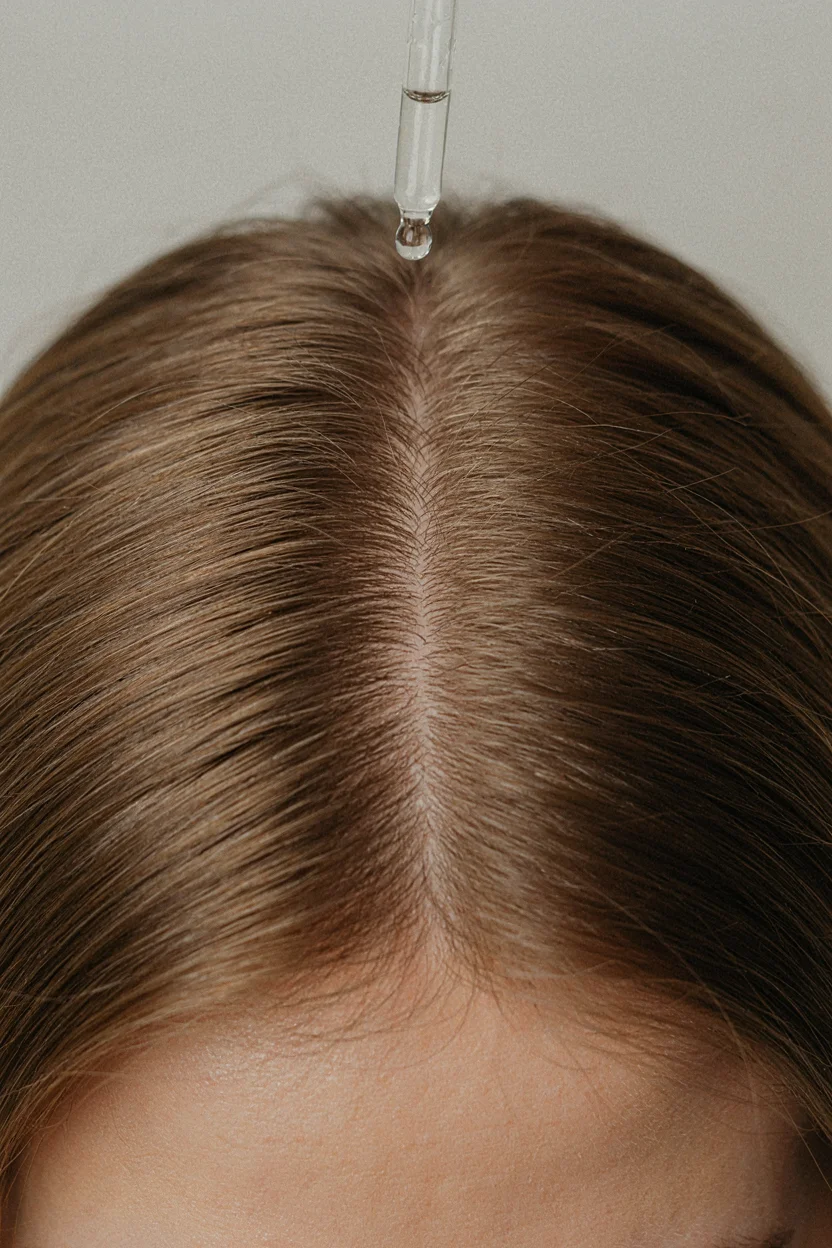
Minoxidil was originally developed as a blood pressure medication, and its hair growth effect was noticed as an unexpected side effect during early clinical use. The exact mechanism by which it stimulates hair growth is not fully mapped, which is unusual for a treatment this widely used. What is understood is that minoxidil acts as a vasodilator when applied topically, widening the small blood vessels around the hair follicle and increasing the supply of oxygen and nutrients to the area. It also appears to prolong the anagen phase, keeping follicles in active growth for longer than they would otherwise remain.
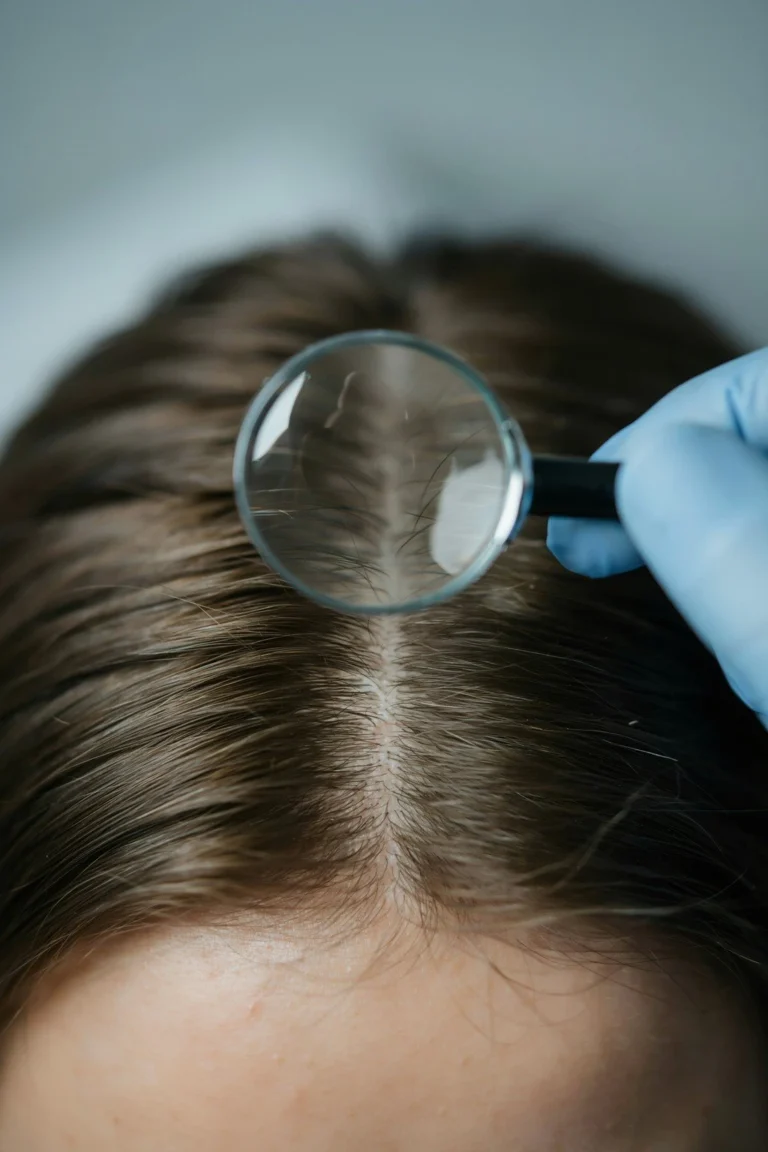
For women with female pattern hair thinning, which typically presents as diffuse thinning across the top of the scalp with a widening part line, minoxidil can slow the miniaturization process and thicken hairs that are still active. It does not resurrect follicles that have fully stopped producing hair, and it does not address the hormonal or genetic drivers of the thinning itself. The treatment is a management tool, not a cure, and it works only for as long as you continue to apply it.
The concentration available over the counter is typically 2 percent for women, though some dermatologists recommend 5 percent foam applied once daily based on comparative efficacy data. The foam formulation tends to cause less scalp irritation than the liquid, because the liquid contains propylene glycol, which is a known contact irritant for some people. I expected the difference between foam and liquid to be minor, and I was wrong: the liquid version caused noticeable itching along my part line within the first week, while the foam did not.
Where Can You Research Minoxidil Foam vs. Liquid for Women?
| Source | What It Says |
|---|---|
| DailyMed (NIH): Minoxidil 5% foam for women label | The official U.S. drug label. It directs once-daily use of the 5% foam for women with gradual thinning on top of the scalp, and warns against use during pregnancy or breastfeeding. |
| Drugs.com: Minoxidil topical | A drug reference covering dosing, common side effects such as scalp irritation and unwanted facial hair, and warnings, including stopping use if dizziness, chest pain or a rapid heartbeat occurs. |
| DailyMed (NIH): Minoxidil for women foam (alternate label) | A second manufacturer label with the same directions and warnings. Useful for comparing inactive ingredients across foam products. |
The Initial Shedding Phase Most Guides Skip Over

This is the part of the minoxidil conversation that receives the least attention and causes the most unnecessary distress. When you begin applying minoxidil, the follicles that are in the telogen resting phase are stimulated to re-enter anagen, and as they do, the old resting hairs are pushed out. The result is a period of increased shedding that typically begins within the first two to four weeks and can last for up to eight weeks before settling.
The shedding is not a sign that minoxidil is damaging your hair or that the treatment is the wrong choice. It is the mechanism working as intended, clearing out older hairs to make space for new growth that will emerge thicker and more robust. However, knowing this intellectually and watching your brush fill with more hair than usual every morning are very different experiences. Many women stop treatment during this window, convinced they are making things worse, and the gains they would have seen at the three- or four-month mark never arrive.
What good is a treatment you abandon before it can work? The shedding phase is the single most important thing to understand before you start minoxidil, because it is the phase most likely to make you quit prematurely. If you know it is coming, and you know it typically resolves within eight weeks, the experience becomes something you can plan for rather than something that panics you into stopping.
I noticed a similar shedding pattern on my own hair when I changed my washing routine years before ever considering minoxidil, and the experience of seeing extra hair in the drain was unsettling even when I understood the biology. The emotional response to visible shedding does not care about the mechanism. It reacts to what it sees, and it takes deliberate effort to stay the course during those first weeks.
Side Effects Worth Knowing Before You Commit

The side effects of minoxidil for women fall into categories that range from common and manageable to uncommon but worth recognizing early. Here is how they break down.
| Side Effect | How Common | What It Looks Like | Practical Response |
|---|---|---|---|
| Scalp irritation and itching | Common, especially with liquid formulation | Redness, flaking, or itching along the application site | Switch to foam formulation; reduce frequency temporarily |
| Initial shedding | Very common in first 2 to 8 weeks | Increased hair in brush and drain, more than the usual 100 hairs per day | Expected and temporary; continue treatment unless shedding exceeds eight weeks |
| Unwanted facial hair | Uncommon but documented | Fine hair appearing on forehead, temples, or upper lip | Apply more carefully; avoid migration to face; discontinue if persistent |
| Dizziness or lightheadedness | Uncommon | Mild dizziness, particularly when first starting | Reduce application amount; consult your doctor if persistent |
| Headaches | Uncommon | Mild to moderate headaches in the first weeks | Monitor; reduce dose; discuss with doctor if ongoing |
| Allergic contact dermatitis | Rare | Intense redness, blistering, or swelling at application site | Stop immediately; consult a dermatologist |
The most frequently reported side effect is scalp irritation, and it is closely tied to the formulation you choose. The liquid version contains propylene glycol as a solvent, which is a known contact irritant for a meaningful number of people. The foam formulation avoids this ingredient and is generally better tolerated, though it can be slightly more difficult to apply precisely to the scalp through longer hair. If you have a history of sensitive skin or contact allergies on the scalp, starting with foam is the more cautious choice.
Unwanted facial hair is the side effect that tends to concern women the most, and it deserves honest discussion. It occurs when minoxidil migrates from the application site to the forehead, temples, or jawline, either through direct transfer during application or through pillow transfer while sleeping. The hair that grows is typically fine and can often be managed by being more careful with application, washing your hands thoroughly after each use, and allowing the product to dry fully before lying down. If facial hair persists despite careful application, it may indicate that minoxidil is not the right treatment for you.
Dizziness and headaches are less common but worth watching for, particularly in the first two weeks as your body adjusts to the vasodilating effect. Minoxidil was, after all, originally a blood pressure medication, and even at topical concentrations some systemic absorption occurs. If you already have low blood pressure or take medications that affect blood pressure, this is a conversation to have with your doctor before you start, not after you feel lightheaded applying your evening dose.
Who Should Have a Longer Conversation Before Starting

Minoxidil is available over the counter, which makes it feel like a low-stakes decision. It is not low-stakes for everyone, and certain situations call for a longer conversation with a healthcare provider before you begin.
- Women who are pregnant, planning to become pregnant, or breastfeeding should not use minoxidil, as safety data for these populations is insufficient.
- Women with a history of cardiovascular conditions or low blood pressure should discuss minoxidil with a doctor, because the vasodilating effect, even at topical doses, can interact with existing conditions or medications.
- Women whose hair loss is sudden, patchy, or accompanied by scalp pain, redness, or scarring need a diagnosis before treatment, because minoxidil is designed for pattern thinning and will not address autoimmune, inflammatory, or scarring causes.
- Women with a history of sensitive skin, eczema, or contact dermatitis on the scalp should patch-test carefully and consider starting with the foam formulation to reduce irritation risk.
- Women whose hair thinning began after starting a new medication should investigate whether the medication itself is the cause before adding minoxidil to the picture.
One pattern I have observed in the minoxidil conversation is that the commitment requirement gets mentioned but rarely gets the weight it deserves. Minoxidil works only while you use it, and stopping means the hair you gained or preserved will gradually return to where it would have been without treatment, typically over three to six months. I initially treated this as a minor detail, and I was wrong to do so. The commitment is the entire framework within which the side effects make sense or do not. If you are not prepared for indefinite daily application, the side effects carry a different cost-benefit weight than they do for someone who has decided the routine is non-negotiable.
The side effects of minoxidil only make sense inside the commitment, and the commitment is indefinite.
The shedding threshold worth knowing is this: if you are shedding more than 100 hairs per day for longer than six weeks beyond the initial eight-week adjustment window, or if you notice a rapidly widening part line or visible scalp through the crown that is progressing despite treatment, a dermatologist visit is the appropriate next step. These patterns may indicate that minoxidil alone is not sufficient, or that the cause of your thinning is not one minoxidil addresses.
Frequently Asked Questions
How long does it take for minoxidil for women to show results?
Visible results from minoxidil typically appear between three and six months of consistent daily application. The initial shedding phase occupies the first two to eight weeks, and new growth that replaces those shed hairs needs additional time to emerge and grow long enough to be visible above the scalp. If you have not seen any improvement after six months of uninterrupted use, the treatment may not be effective for your particular pattern of thinning, and a dermatologist can help determine what comes next.
Does minoxidil for women cause more shedding at first?
Yes, increased shedding is expected during the first two to eight weeks of minoxidil use. The treatment pushes resting-phase follicles back into the growth phase, and the old resting hairs are expelled in the process. This shedding typically resolves on its own, and the hairs that replace them tend to be thicker and more robust than the ones they displaced.
Can I stop using minoxidil once my hair improves?
Minoxidil does not produce lasting results after you stop using it. The hair you gained or preserved through treatment will gradually return to its pre-treatment trajectory over three to six months after discontinuation. The commitment is indefinite, which is why understanding the side effects before you start matters more than discovering them after you have already invested months of daily application.
Is minoxidil safe for all types of hair loss in women?
Minoxidil is designed and primarily studied for female pattern hair thinning, which presents as diffuse thinning across the top of the scalp with a widening part. It is not appropriate for sudden patchy hair loss, which may indicate alopecia areata, or for hair loss accompanied by scalp pain, scarring, or inflammation, which may indicate a condition requiring different treatment entirely. A dermatologist can determine whether your pattern of hair loss is one minoxidil is designed to address.
What should I do if minoxidil causes scalp irritation?
If you are using the liquid formulation, the first step is switching to the foam version, which eliminates propylene glycol and is generally better tolerated. You can also reduce application frequency to once daily while your scalp adjusts, then gradually increase if needed. If irritation persists, includes blistering or intense redness, or spreads beyond the application site, stop using minoxidil and consult a dermatologist, as this may indicate allergic contact dermatitis rather than simple irritation.
Before You Start: The Conversation Worth Having
Minoxidil is one of the most studied hair loss treatments available to women without a prescription, and for the right candidate it can meaningfully slow thinning and improve hair density. The side effects are manageable for most people, but they are not trivial, and they deserve to be part of your decision before you buy your first bottle rather than a surprise you encounter partway through the first month. The most practical next step is a conversation with a dermatologist or your primary care doctor, someone who can look at your specific thinning pattern, review your medical history, and help you decide whether minoxidil is the right tool for what your hair is actually doing.
— Iris