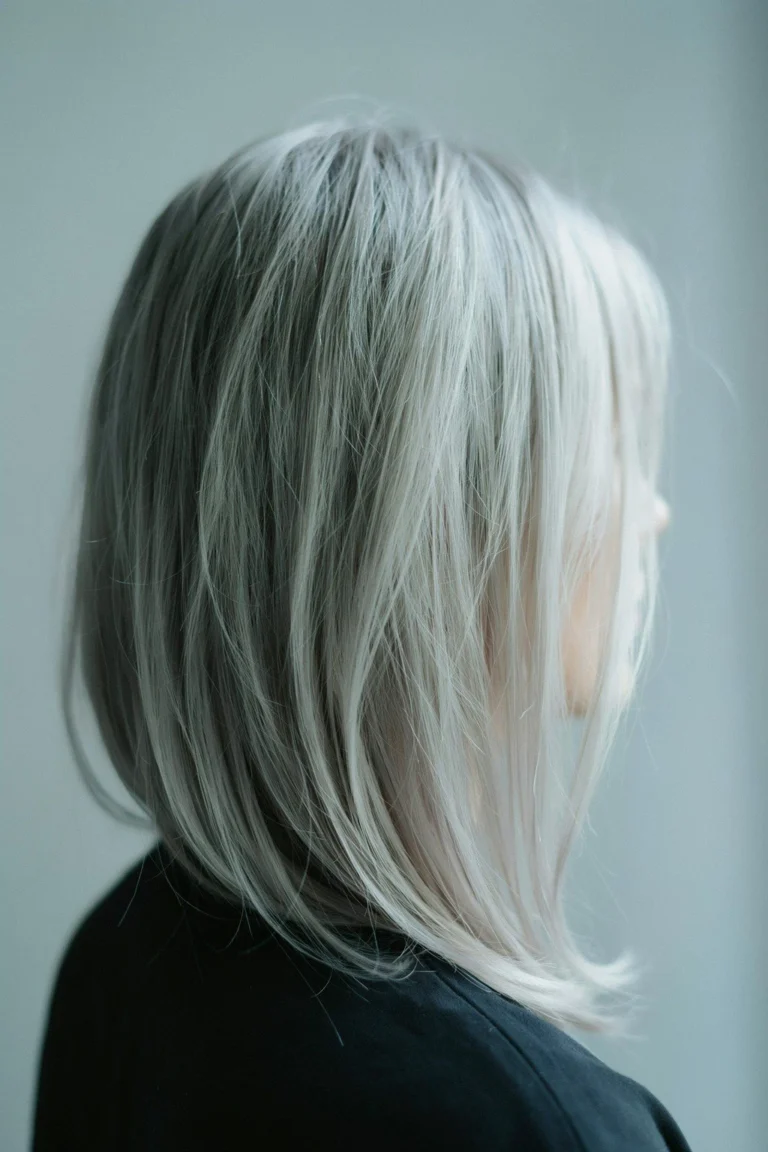
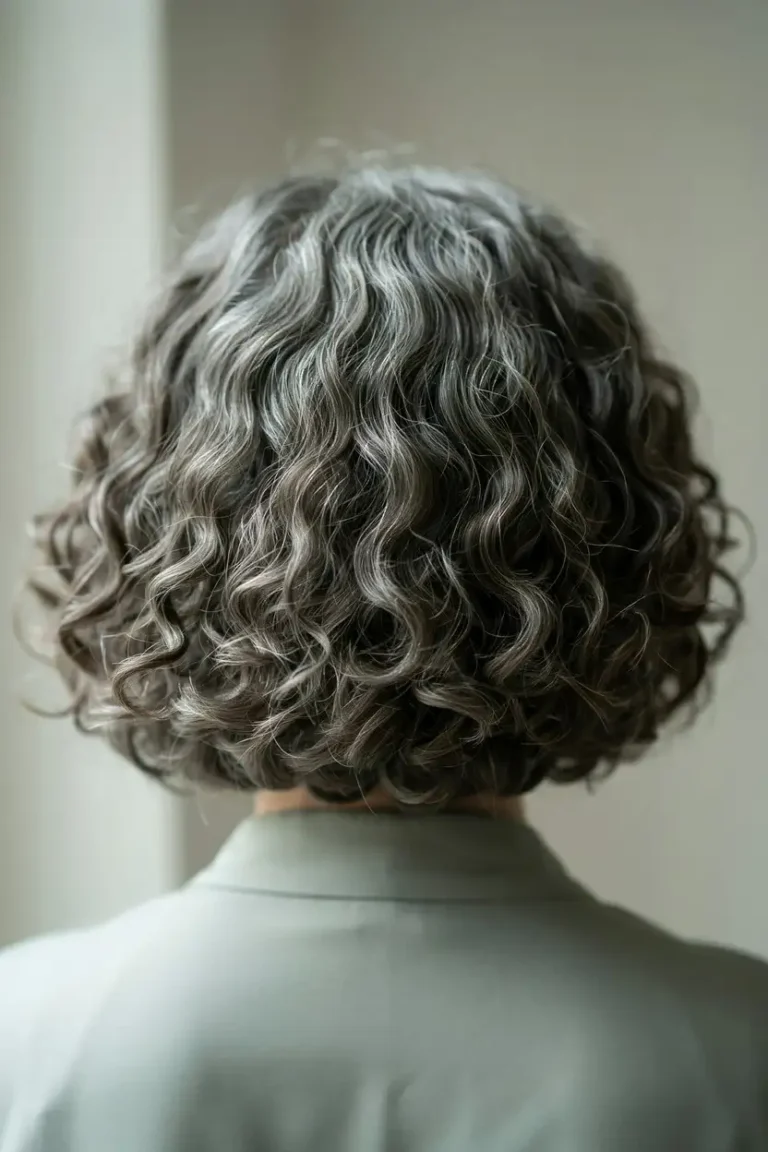
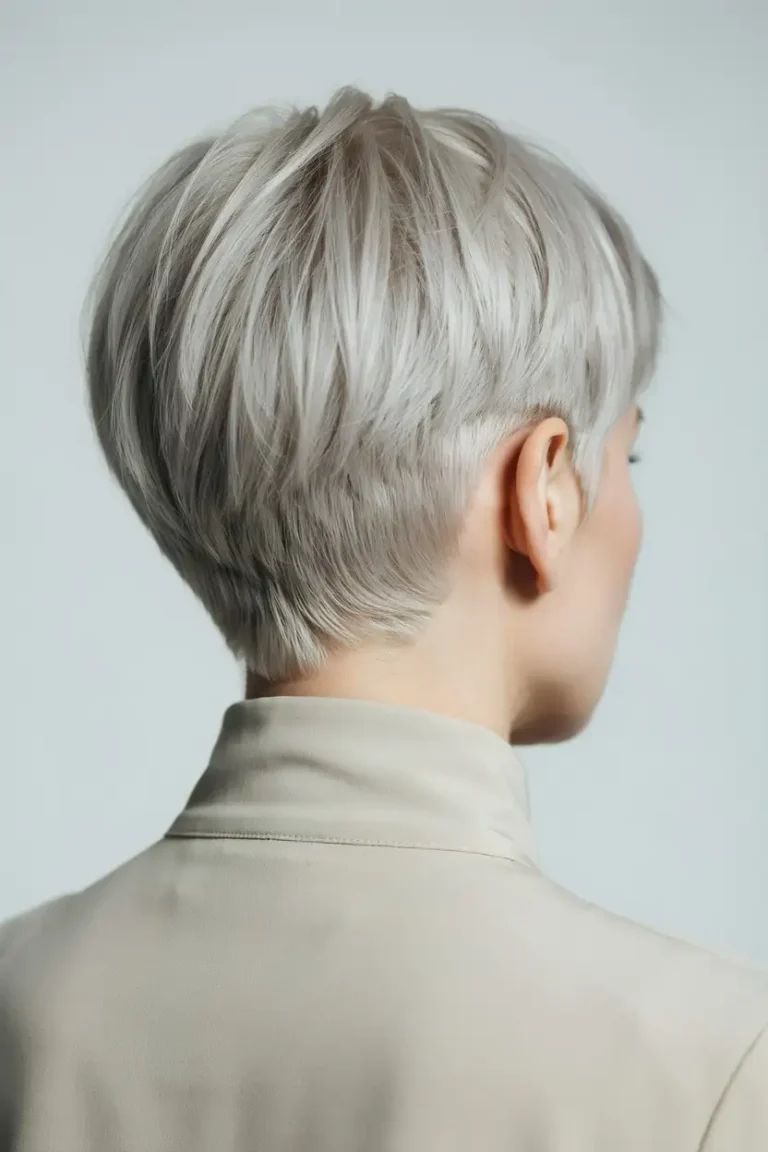
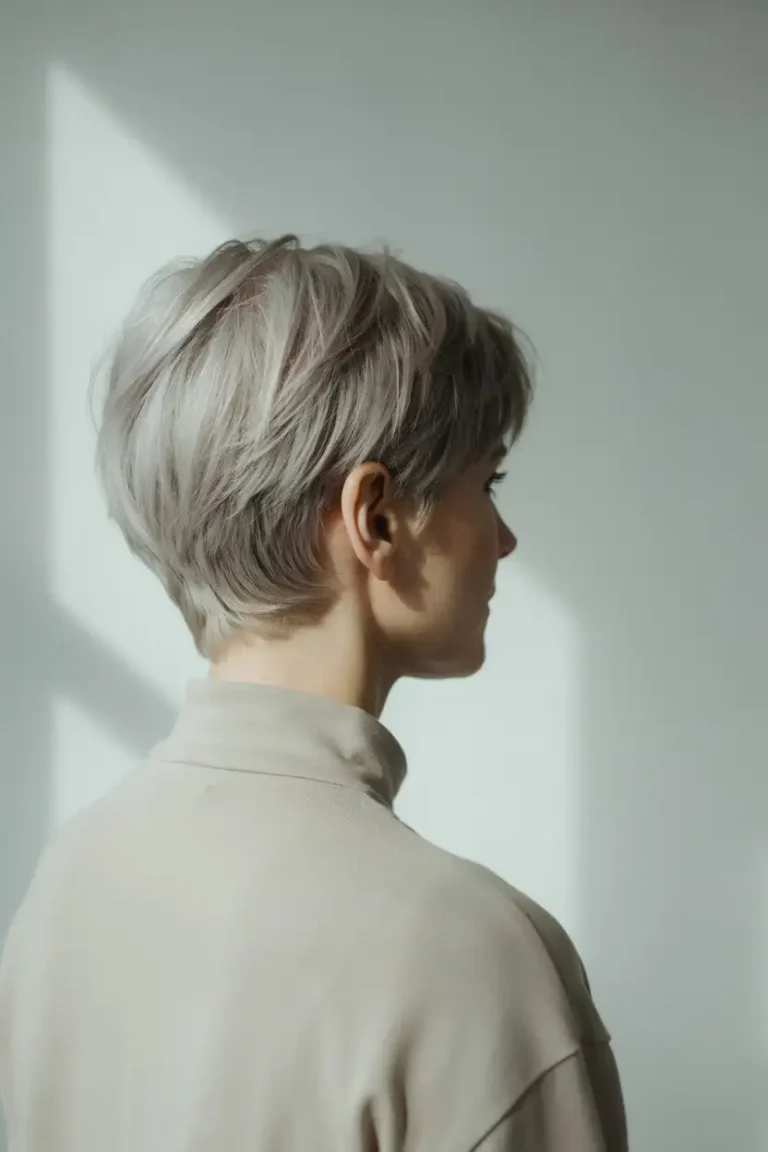
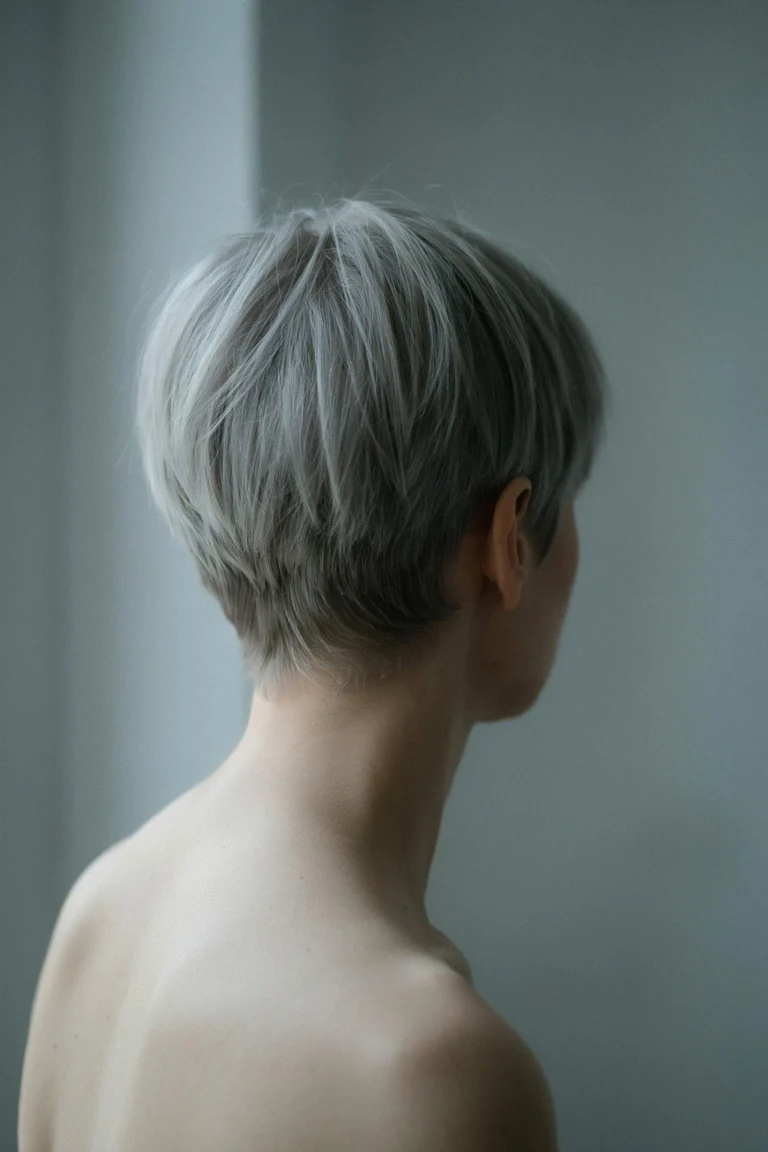
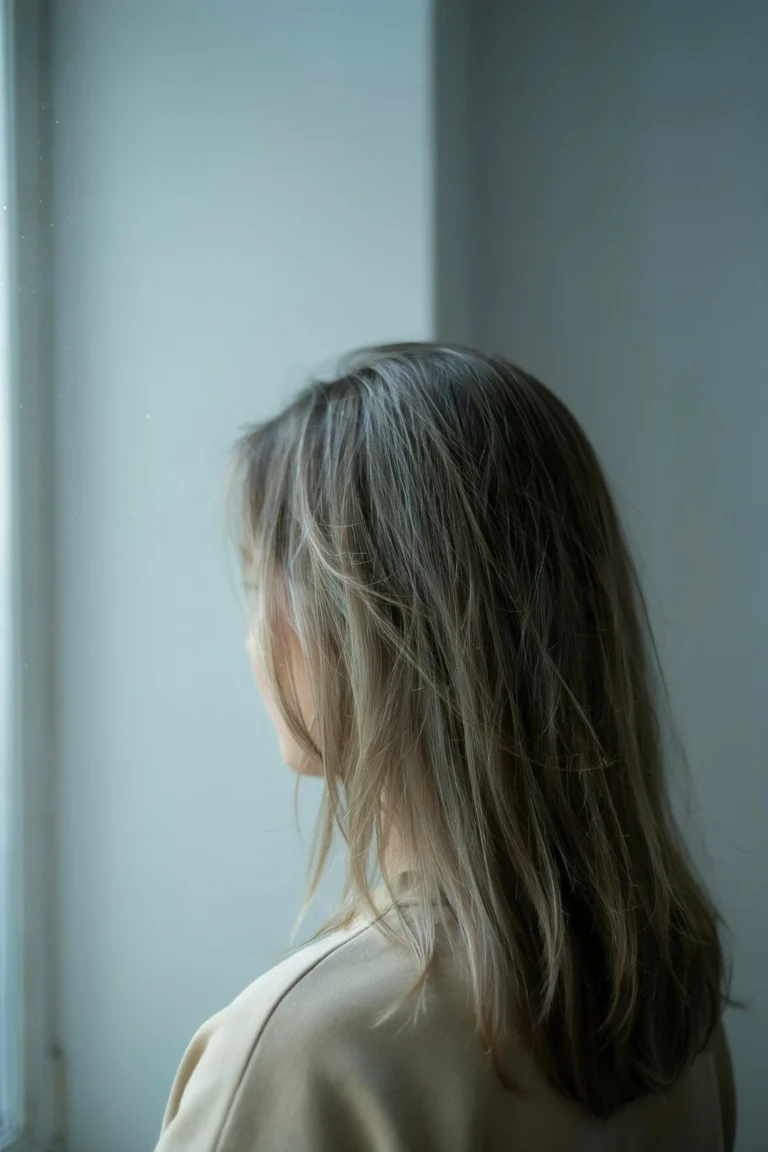
40 Silver & Grey Hair Color Ideas for Every Skin Tone
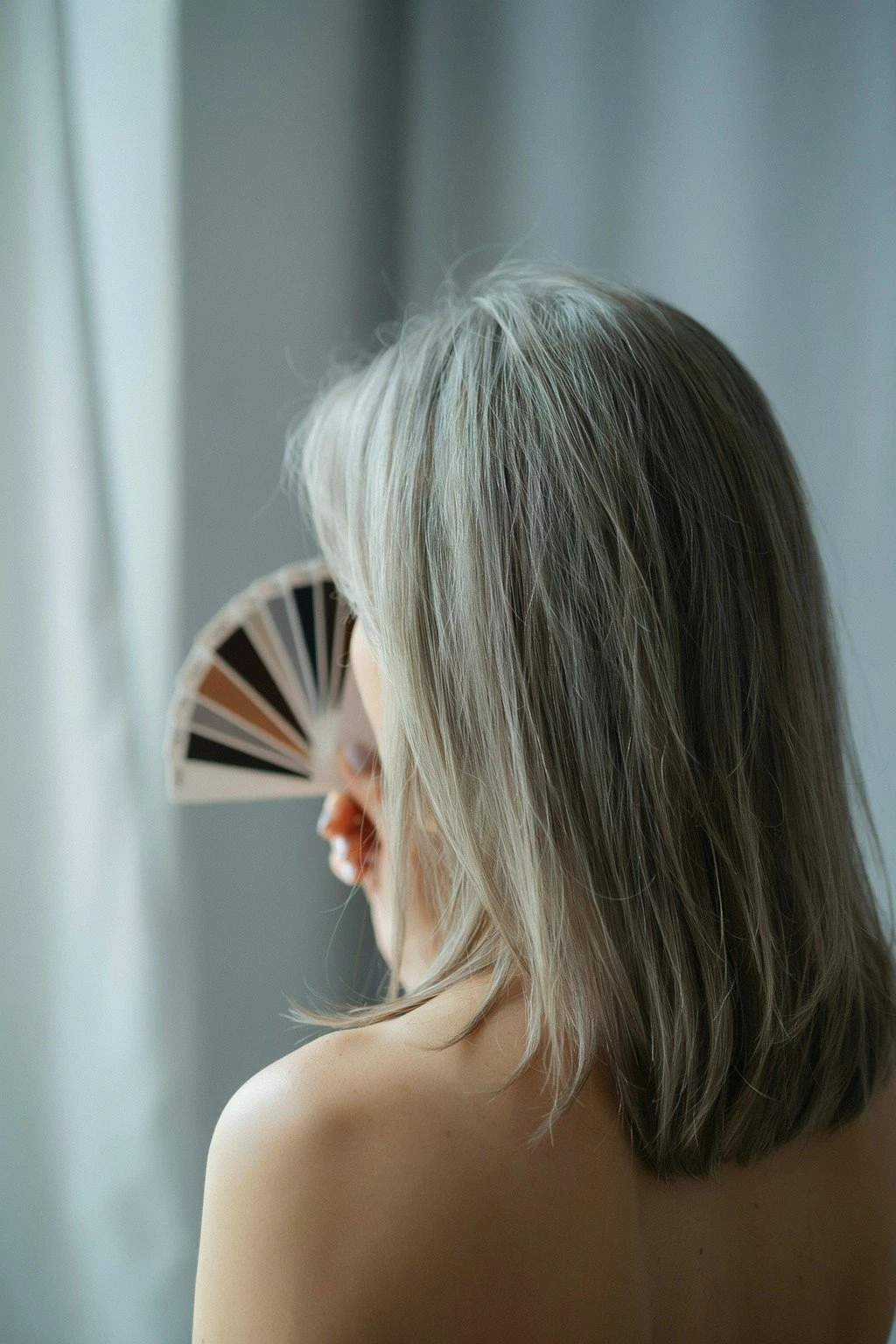
Grey hair color is really two different projects that get talked about as if they were one: working with the grey you already have, and creating silver on hair that has none, and knowing which of those you are doing is the whole of choosing well. The first silver I ever asked for came out a shade cooler than I expected under indoor light and exactly right in daylight, which taught me that this is a color you judge in the light you actually live in, not the one you check it in. This list is grouped by how much of your own grey you are starting with, because a shade that reads beautifully at 20 percent grey is a different proposition at 70 percent, and almost nobody organizes it that way. Every idea says what it asks of you in sessions, upkeep, and money, and which undertone it sits best against.
How to Read This List
The percentage of grey you already have decides more than any other single factor, because it determines whether you are enhancing, blending, or correcting. Enhancing works with the grey that is there, blending softens the line between it and the rest, and correcting creates silver where there is none yet, which is a lift and a larger undertaking. The table sets the four stages against the approach that fits each.
| Your starting point | Best approach | Sessions | Upkeep |
|---|---|---|---|
| 10 to 25% grey | Enhance or blend the first silvers | 1, occasionally 2 | Gloss every 8 to 12 weeks |
| 25 to 50% grey | Blend the line with pieces | 2 to 3 | Gloss every 8 to 12 weeks |
| 50 to 75% grey | Go mostly silver with toning | 1 to 2 | Toning wash weekly, gloss quarterly |
| 75 to 100% grey | Refine and tone the silver | 1 | Toning wash weekly, gloss quarterly |
| No grey yet, want silver | Correct to silver with a lift | 2 to 4 | Gloss every 8 to 12 weeks |
One note on undertone, since the title promises every skin tone and it is not a throwaway. Silver and grey carry their own undertones, from cool blue-whites to warm champagne and gold, and the version that reads as yours is the one matched to your skin’s undertone rather than the one that is simply the whitest. Cool silvers suit cool undertones, warm silvers suit warm undertones, and a neutral silver sits between. Where an idea below suits one best, it says so.
First Silvers: 10 to 25 Percent Grey
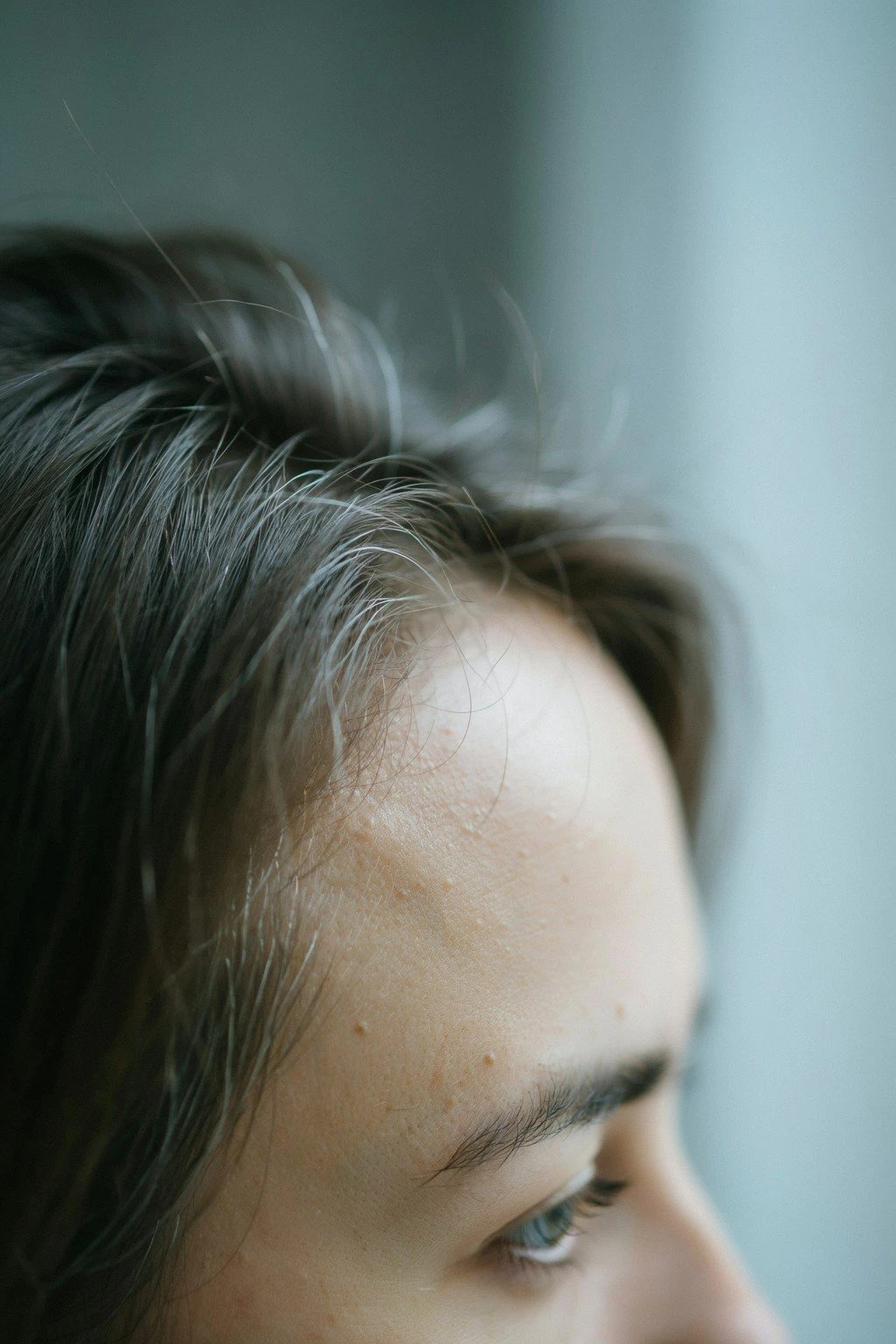
At this stage the grey is concentrated at the temples and the part, which means the options are small and reversible, and there is no need yet for anything larger.
Silver Ribbons at the Front
Rather than covering the first temple grey, it is brightened slightly to match the coolest silver already coming through, which reads as deliberate instead of accidental. On a natural level 5 base this is usually one session at $150 to $250, and because nothing is being covered the grow-out is invisible for 4 to 6 months. It suits cool undertones, which is what that first silver usually is.
A Soft Gloss to Blend the Line
A single clear or barely-tinted gloss over the whole head takes the contrast out of the first greys without changing your color, which is the gentlest possible way to soften the hairline. It is one appointment at $50 to $90 and fades back over 8 to 12 weeks, leaving nothing to grow out. It suits every undertone because it changes almost nothing.
Lowlights Around the Part
A few pieces woven back toward your natural shade around the part break up the solid band that early grey can make, which reads as dimension rather than regrowth. This is one session at $150 to $300 and grows out softly because it is placement, not a line. It suits warm and neutral undertones, since it keeps the depth.
Warm Blonde Highlights at the Temples
For a warm undertone whose first greys read yellow against the skin, warm blonde pieces at the temples turn the grey into a feature instead of a problem. One session at $150 to $300 lifts the pieces a level or two and tones them warm, and the grow-out is soft for 4 to 6 months. This is the option for the person whose grey clashes with her coloring rather than flatters it.
The Single-Session Blend
A light weave through the crown and hairline mixes the first greys into the rest so they stop reading as separate, which is the most common fix at this stage. One session at $150 to $300 covers it, and because the blend grows out without a line it can go 4 to 6 months before anything is needed. It suits most undertones because it is placement rather than a shade change.
Cool Gloss for Cool First Greys
When the first silvers are cool and the skin is cool too, a faintly cool-toned gloss over everything makes the greys look intentional and the whole head look unified. It is one appointment at $50 to $90 and fades back over 8 to 12 weeks with nothing to grow out. This is the undertone-matched version of the clear gloss, for the person whose greys are already the right temperature.
Face-Framing Silver
Concentrating the brightening in the two pieces that frame the face makes the silver a feature of the face rather than a mark at the temples, which changes how the whole grow-out reads. One session at $150 to $250 does it, and the placement grows out invisibly for 4 to 6 months. It suits cool undertones, which is what face-framing silver usually is.
The Do-Nothing Gloss
At the lowest end of this stage, the right move is sometimes a shine treatment and a cut and nothing else, because the first greys are not yet enough to need blending. A gloss at $50 to $90 every 8 to 12 weeks keeps the hair looking cared for while the grey arrives at its own pace. It suits every undertone, and it is the option that costs the least and commits to the least.
Blending the Line: 25 to 50 Percent Grey
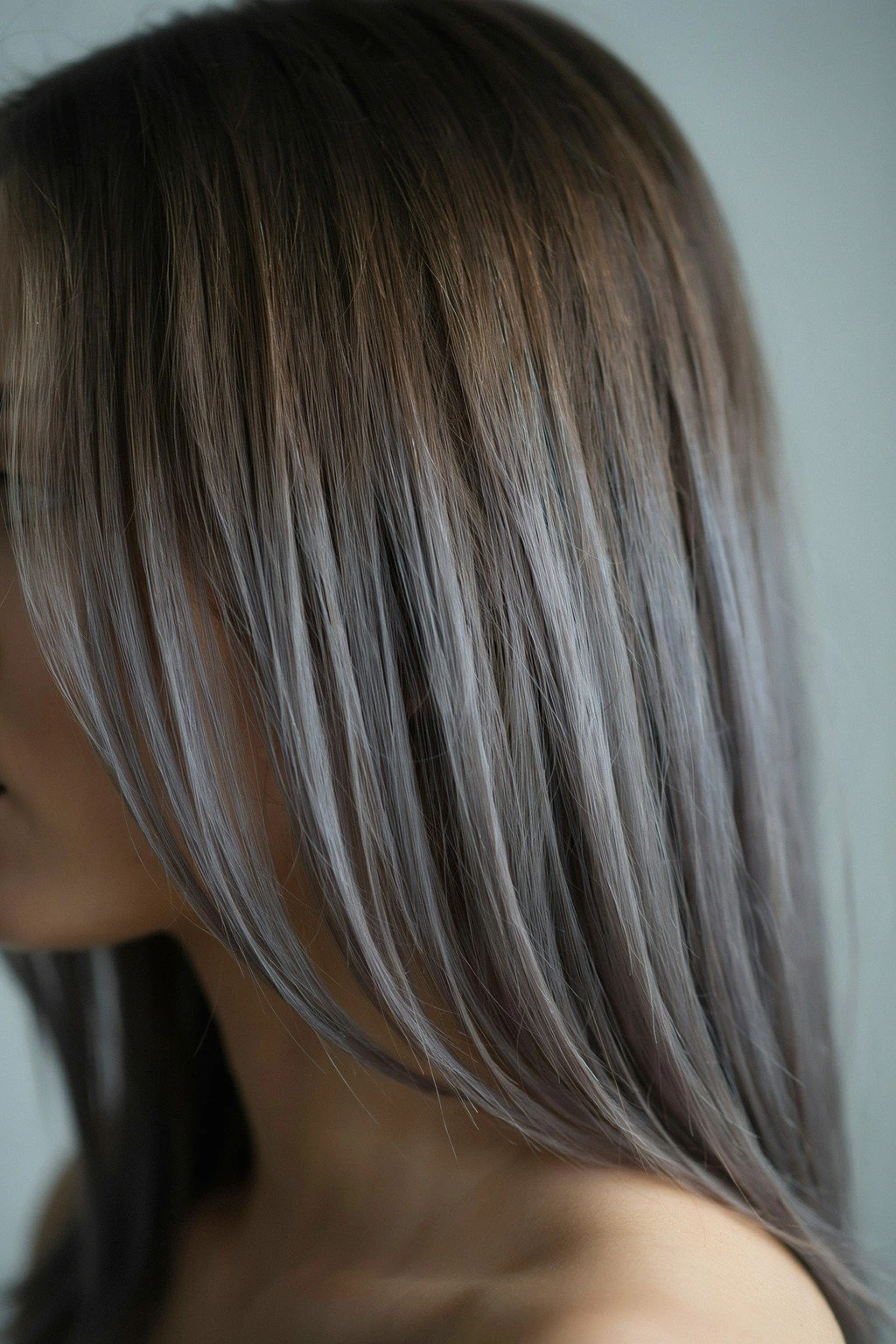
Between a quarter and half grey, the line between the grey and the rest is now visible, and this is the stage where most people either start covering again or decide to transition. I remember month six of my own grow-out as the point where the line stopped being a fact and started being a problem, and blending is what turned it back into a fact. The options here are about making that line livable without returning to full coverage, because the middle of a grow-out is the part that needs the most help.
Blending Highlights Through the Line
Pieces woven through the demarcation area lift some of the still-colored hair so the line becomes a gradient, which is the standard fix at this stage. Two to three sessions at $150 to $300 each take the whole transition through, spaced a few months apart, and each one makes the middle more wearable. It suits most undertones and is the workhorse of the grow-out.
Lowlights to Soften the Contrast
Where highlights lift, lowlights add the natural shade back in among the grey, which softens the salt-and-pepper effect for anyone finding it too stark. One to two sessions at $150 to $300 place the pieces, and the effect grows out without a line. It suits warm and neutral undertones especially, because it restores depth.
The Root Shadow Blend
A soft shadow toned close to your natural color at the join between grey and colored takes the hard edge off the line and buys a few months of not thinking about it. It is one session at $50 to $90 and lasts 3 to 4 months, and it can be repeated as the line moves. It suits every undertone because it is matched to your own base.
Silver Balayage Through the Length
Painted silver pieces through the mid-lengths turn the grow-out into a deliberate gradient from root to end, which is the option for the person who wants the transition to look like a style. Two sessions at $150 to $300 place and tone the pieces, and the grow-out is the point rather than the problem. It suits cool undertones.
Caramel Lowlights for Warm Skin
For a warm undertone going grey, warm caramel pieces woven in among the silver keep the face warm while the grey arrives, which prevents the washed-out look that cool grey can give warm skin. One to two sessions at $150 to $300 do it, and the warmth grows out softly. This is the undertone-specific answer for warm skin in the middle of a transition.
The Half-and-Half Soften
When the grey is roughly half, lightening the still-colored half partway toward the grey brings the two sides closer so the line stops being the story. Two sessions at $150 to $300 take the colored half partway, and the result reads as a head moving toward silver rather than split in two. It suits most undertones and shortens the remaining journey.
Cool Toning Over the Mix
A cool gloss over the whole mix of grey and colored hair unifies the two tones so they read as one color in transition rather than two colors fighting. It is one appointment at $50 to $90, repeated every 8 to 12 weeks, and it is the cheapest way to make the middle look intentional. It suits cool undertones.
The Short Cut That Reshapes the Line
Not a color at all but often the right answer at this stage: cutting shorter removes much of the colored length and with it most of the visible line, which compresses the whole transition. It costs a haircut and resets the remaining grow-out to a matter of months. It suits every undertone, and it is the option that changes the timeline rather than the shade.
Mostly Silver: 50 to 75 Percent Grey
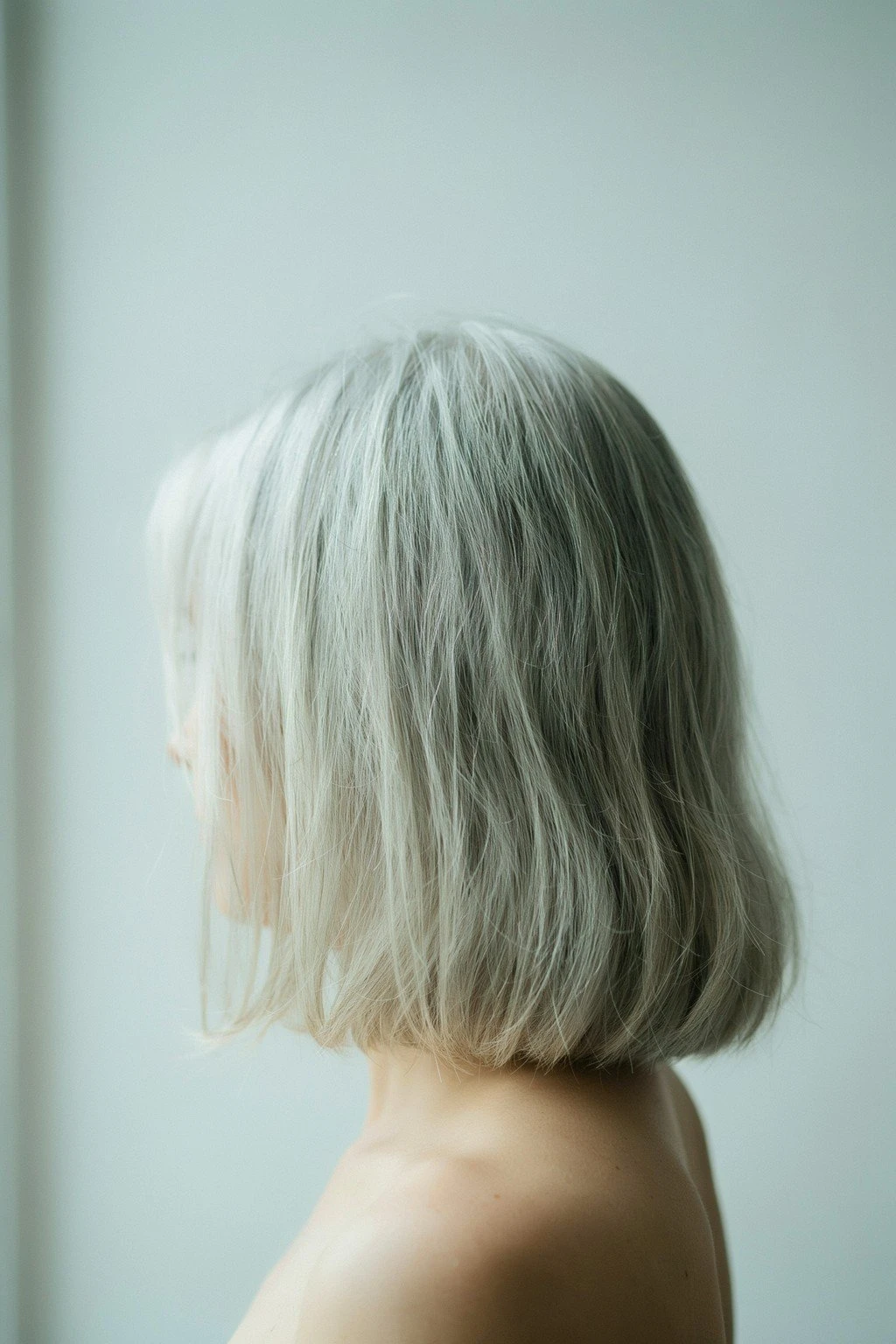
Past half grey, the balance tips and the work becomes less about the line and more about making the silver itself look deliberate and bright.
The All-Over Silver Toner
With more grey than colored, a silver toner over the whole head brings the remaining colored strands closer to the silver so the head reads as one color. One session at $50 to $90 does it, and it is repeated every 8 to 12 weeks as the tone fades. It suits cool undertones and is the simplest route to a unified silver.
Champagne Silver for Warm Undertones
A warm-toned silver with a hint of gold keeps the face warm while the hair goes silver, which is the version that stops cool silver from washing out warm skin. One session at $50 to $90 tones the head champagne, and it refreshes every 8 to 12 weeks. This is the undertone answer for warm skin that wants silver without the blue.
Brightening the Remaining Dark
The last stubborn patches of color, usually at the nape or around the face, can be lifted to meet the silver so the head finishes evenly rather than in patches. One session at $150 to $300 lifts the holdouts, and it is often the difference between mostly silver and actually silver. It suits every undertone because it matches what is already there.
The Grey-Blonde Middle
For the person not ready to go fully silver, toning the mix to a grey-blonde keeps it lighter than grey but cooler than blonde, which is a livable halfway destination. One session at $50 to $90 sets the tone and it refreshes every 8 to 12 weeks. It suits neutral undertones and buys time before the final decision.
Dimensional Silver With a Few Lowlights
A handful of lowlights left in among the silver keeps it from reading flat and one-note, which is the problem solid silver can have in certain lights. One session at $150 to $300 places the lowlights, and the effect is a silver with depth instead of a sheet of it. It suits every undertone and is the answer for silver that looks too uniform.
Cool White for Cool Undertones
The brightest, coolest version of silver, toned toward white with a blue base, reads crispest against cool undertones and is the shade most people mean when they say silver. One session at $50 to $90 tones it, and a toning wash once a week keeps the yellow out between visits every 8 to 12 weeks. It suits cool undertones specifically, and can read harsh against warm ones.
Soft Pewter
A mid-tone grey that is neither bright white nor dark salt-and-pepper, pewter is the understated silver that reads as polish rather than statement. One session at $50 to $90 tones it, and it is the most forgiving silver because it shows the least regrowth. It suits neutral and cool undertones and is the low-drama option at this stage.
The Toning Wash Routine
Not a color but the upkeep that every silver at this stage depends on: a purple or blue wash once a week keeps the yellow out between glosses, which is what keeps silver reading as silver. Used weekly it is the right amount; used more it starts to over-tone. It suits every undertone because it is maintenance, not a shade, and it is the habit the whole stage runs on.
Nine years of this color has settled one belief for me past any doubt. Silver is not one color; it is a temperature, and the silvers that look wrong are almost never the wrong shade. They are the wrong temperature for the skin underneath them, which is a smaller and more fixable problem than it sounds.
Silver is not one color. It is a temperature, and it is usually the temperature that is wrong.
Full Silver: 75 to 100 Percent Grey
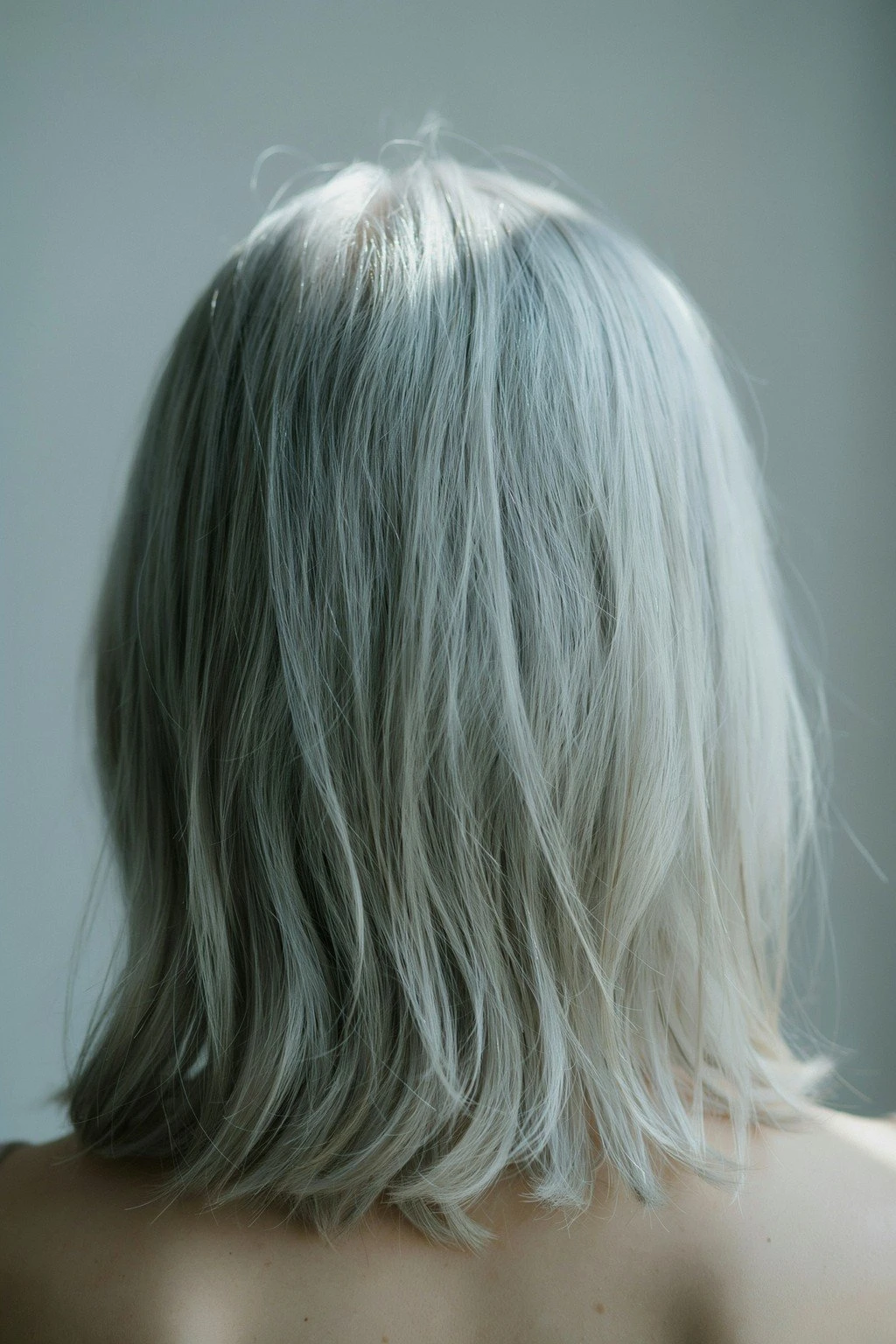
At full grey the color is no longer arriving; it is there, and the work becomes keeping it bright, healthy, and the right temperature. I have been fully silver for about seven years, and the upkeep that actually matters is the small quarterly rhythm in this group rather than anything more dramatic.
The Bright Silver Refresh
A brightening gloss over fully silver hair restores the shine and the clean tone that washing slowly takes out, which is the difference between silver that looks bright and silver that looks tired. One appointment at $50 to $90 does it, every 8 to 12 weeks. It suits every undertone and is the single best-value appointment in this whole list.
Warm Silver for Warm Skin
Fully silver hair on a warm undertone often wants a touch of warmth toned back in so the face does not look washed out, which is the refinement most people at this stage need. One session at $50 to $90 adds the faintest warmth, and it refreshes every 8 to 12 weeks. It is the undertone correction for warm skin that has gone fully cool.
The Platinum-White Finish
For fully grey hair that wants to go as light as it can, a platinum-white tone takes the silver to its brightest without any lift, because the hair is already pale. One session at $50 to $90 tones it, with a toning wash weekly to hold it. It suits cool undertones and is the brightest destination on this page.
Silver With a Gloss-Only Shine
Fully silver hair that is healthy may need nothing but shine, and a clear gloss gives it the light-reflecting finish that makes silver read as a choice rather than a fade. One appointment at $50 to $90, every 8 to 12 weeks, is the whole of it. It suits every undertone and is the option that adds nothing but polish.
The Textured Silver Crop
Again a cut rather than a color, but the pairing that finishes most transitions: a short textured crop shows full silver to its best advantage and makes the tone the point of the whole look. It costs a haircut and then the weekly toning wash. It suits every undertone, and it is where a great many of these journeys end on purpose.
Grey-Blending for the Last Strands
The few final stubborn colored strands can be toned to match the silver so the head finishes completely rather than at 95 percent. One session at $50 to $90 targets them, and it is the small appointment that completes a long journey. It suits every undertone because it matches what surrounds it.
Silver With Dimension Left In
Some fully silver hair looks best with its natural variation kept rather than toned to one shade, and the right move is a light hand that brightens without flattening. One session at $50 to $90, used sparingly, keeps the depth. It suits every undertone and is the answer for the person whose silver is already beautiful and just needs care.
The Maintenance-Only Plan
For full silver in good condition, the honest best option is often a toning wash once a week, a gloss every 8 to 12 weeks, and nothing else, which is the least any silver on this page asks for. That upkeep costs roughly $50 to $90 a quarter plus the wash. It suits every undertone, and it is the steady state this whole category is headed toward.
Creating Silver Where There Is None: The Correction Route
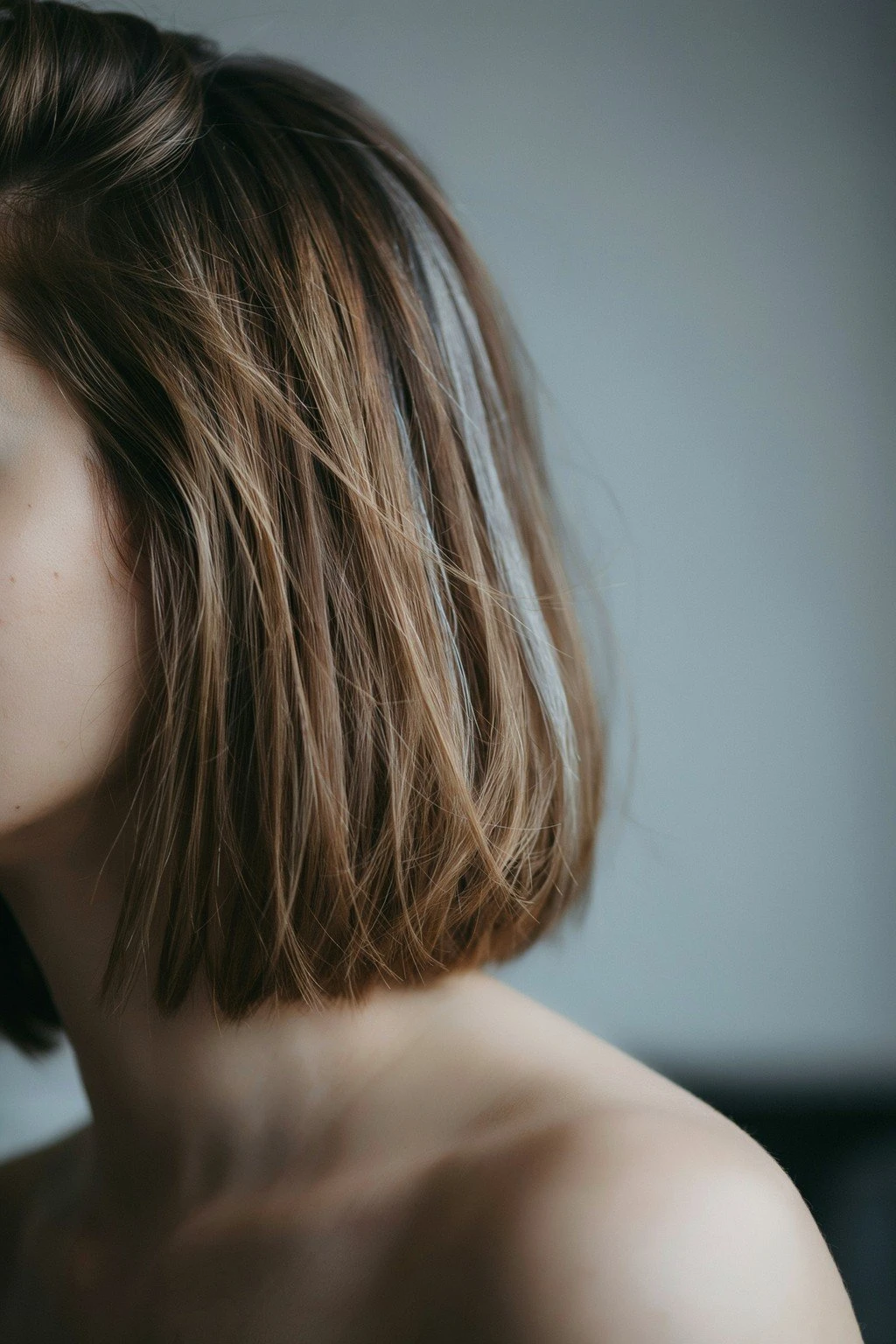
This last group is the different project: silver on hair that has no grey yet, which means lifting the existing color out first, and that is a major chemical service rather than an appointment. I have sat through enough of these corrections to know that the ones that end well were planned as two to four appointments from the first sentence, and the ones that end badly were priced as one. It takes multiple sessions on most bases, it costs more, and it needs to be described that way, because it is the one category here where the honest answer is that the photo and the process are not the same thing.
Silver on a Dark Base
Hair below about a level 8 has to be lifted to pale before it can take a silver tone, and on a dark base that is two to four sessions at $400 to $900 in total with a real integrity cost. The lift happens in stages with care between them, and the silver tone is placed only once the base is pale enough. It suits every undertone once the tone is chosen, but the journey is the price of the destination.
Silver on a Medium Base
A level 6 or 7 base is closer to the pale that silver needs, so the correction is usually two sessions rather than four, at the lower end of the $400 to $900 range. The lift is still a chemical service and still needs care between sessions, but the journey is shorter. It suits every undertone once the silver tone is matched.
Silver on a Light Base
Hair that is already a level 8 or lighter can take a silver tone with little or no lift, which makes this the one correction that can genuinely be a single session at $50 to $90 for the tone. The catch is that it only applies to hair already this light, so for most people it is the destination after a lift rather than the starting point. It suits every undertone.
Silver Over Years of Color
The most common real starting point is hair that has been colored for years, and correcting that to silver means lifting through the old color first, which is the longer and more careful version of this route. A strand test comes before any plan, because old color can resist or grab, and the sessions are priced after it, not before. It suits every undertone, but the history sets the timeline.
Soft Silver for the Cautious
For someone curious about silver but not certain, a soft grey-blonde that stops short of full silver tests the territory with less lift and less commitment, at roughly two sessions. It is the try-it-first version of the correction, and it can be taken further later if the answer is yes. It suits neutral undertones and keeps every option open.
Silver Balayage Instead of All-Over
Rather than correcting the whole head, painted silver pieces give the effect of silver with less total lifting, which is the lower-commitment version of this route. Two sessions at the lower end of the range place and tone the pieces, and the grow-out is softer than an all-over correction. It suits cool undertones and is the correction for the person who wants the look without the full process.
Champagne Silver for Warm Undertones
Warm skin that wants the silver route should plan for a champagne or warm-toned silver rather than a blue-white, because the cool version reads harsh against warm undertones once it is all over. The lift is the same two to four sessions, but the final tone is chosen warm, which is the detail that makes it flatter. It suits warm undertones specifically.
The Consultation Before the Correction
The right first step for any of this group is a consultation with a strand test, because the sessions, the cost, and the integrity of the hair all depend on what is actually there to lift. A colorist who prices the correction before testing is guessing, and the honest plan comes after. It suits every undertone, and it is the only step on this page I would call non-negotiable.
Before You Choose a Shade
Whichever stage you are in, the same few things make the choice land well, and they are worth having in hand before you book. If you can say all of these, you are ready, and if you cannot, the conversation is not finished.
- You know roughly what percentage of your hair is grey
- You know your skin’s undertone, warm, cool, or neutral
- You have decided between enhancing, blending, or correcting
- You know the session count and the cost for your specific choice
- You have disclosed any color history, boxes included
- You know what the upkeep cadence will cost each quarter
It is also worth saying what this list cannot do, which is turn the arrival of grey into a decision you have to feel a certain way about. These are shades and sessions, and the only thing they ask of you is that you choose them the way you would choose any other color: for how they sit against your skin and how much of your time and money they will actually take. Where thinning or shedding is part of what you are noticing, that is a separate conversation with a dermatologist and not something any shade addresses.
Frequently Asked Questions
Can I get silver hair if I have no grey yet?
You can, but it is a correction rather than a color, because silver is what pale hair looks like once it is toned, and hair that is not already pale has to be lifted there first. On a dark base that is two to four sessions at $400 to $900 with a genuine cost to the hair, and only hair already at a level 8 or lighter can take the tone in a single visit. It is worth weighing that journey against simply letting the grey arrive on its own schedule, which costs nothing.
Which silver suits warm skin tones?
Warm silvers, which carry a hint of gold or champagne rather than blue, and that warmth is what keeps the face from looking washed out. A blue-white silver against a warm undertone tends to read harsh, so the temperature of the silver matters as much as the shade itself. If your skin is warm and you want silver, ask specifically for champagne or warm-toned, because the default silver is usually cool.
How do I keep silver from turning yellow?
Silver has no pigment of its own, so the yellow you see is the tone fading or something settling on the hair, and the defense is a purple or blue toning wash once a week plus a gloss every 8 to 12 weeks. Used more than weekly, the wash over-tones and the silver goes dull or blue, so the cadence matters as much as the product. Yellow is not a failure of the silver; it is the reason the upkeep exists.
Is going grey cheaper than covering it?
Over any horizon longer than a couple of years, almost always, because covering runs $90 to $180 every four to five weeks, which is $1,100 to $2,000 a year indefinitely. A transition costs something up front and then settles into a gloss every 8 to 12 weeks at $50 to $90, which is a fraction of the covering cycle. The honest comparison is the transition against the next decade of covering, and that arithmetic rarely favors covering.
The Shade Is the Easy Part
The silver you want is the one matched to your undertone and your starting percentage, and both of those are knowable, which means the choice is more straightforward than it usually feels. Pick the idea that fits where you actually are rather than where you would like to be, price the sessions and the upkeep before you book, and the result takes care of itself. When the shade is decided, the next conversation is the one about keeping it bright, which is the small routine that follows every one of these.
If you are not sure which percentage group you are in or which undertone you have, ask in the comments below with your best guess at both and I will point you to the right place in the list. — Nora