How Much Does Balayage Cost?

“How much does balayage cost” opens about half my consultations, usually in an apologetic voice, as if asking about money at the salon is rude. It isn’t, and I’ll answer it straight: most first sessions land between $150 and $350, varying by region, salon tier, and hair length, with darker bases often needing two of them. The honest full answer is bigger than one visit, though. The number that actually decides whether this color fits your life is the yearly one, and it runs somewhere between $350 and $1,200 depending on your starting level and how cool a tone you want. Here is the whole math, in the order you’ll pay it.
What a First Session Actually Pays For

Before the numbers move anywhere, it helps to know what the first quote is buying. A typical balayage appointment pays for the same bones as any color service:
- The lightener and its placement, painted by hand rather than woven and wrapped
- The toner or gloss that decides the final tone, which some salons itemize separately
- The finish, meaning the cut or blow-dry at the end of the visit
- On darker bases, the honest possibility that this quote is session one of two
Three things move the band within that range. Length and density decide how much product and how many hands-on hours the head needs. Region and salon tier decide what those hours cost. And your starting level decides how much lift the session has to achieve, which is the variable everyone forgets until they’re comparing two very different quotes for what looked like the same photo.
One cost that never shows on the quote is the afternoon. A full session runs 2 to 4 hours depending on density and how far the lift has to travel, and second sessions on dark hair sometimes run longer than the first. Book the time like you book the money, because a colorist who respects the schedule is one of the signs you’re in careful hands.
Balayage Pricing Moves With Your Base
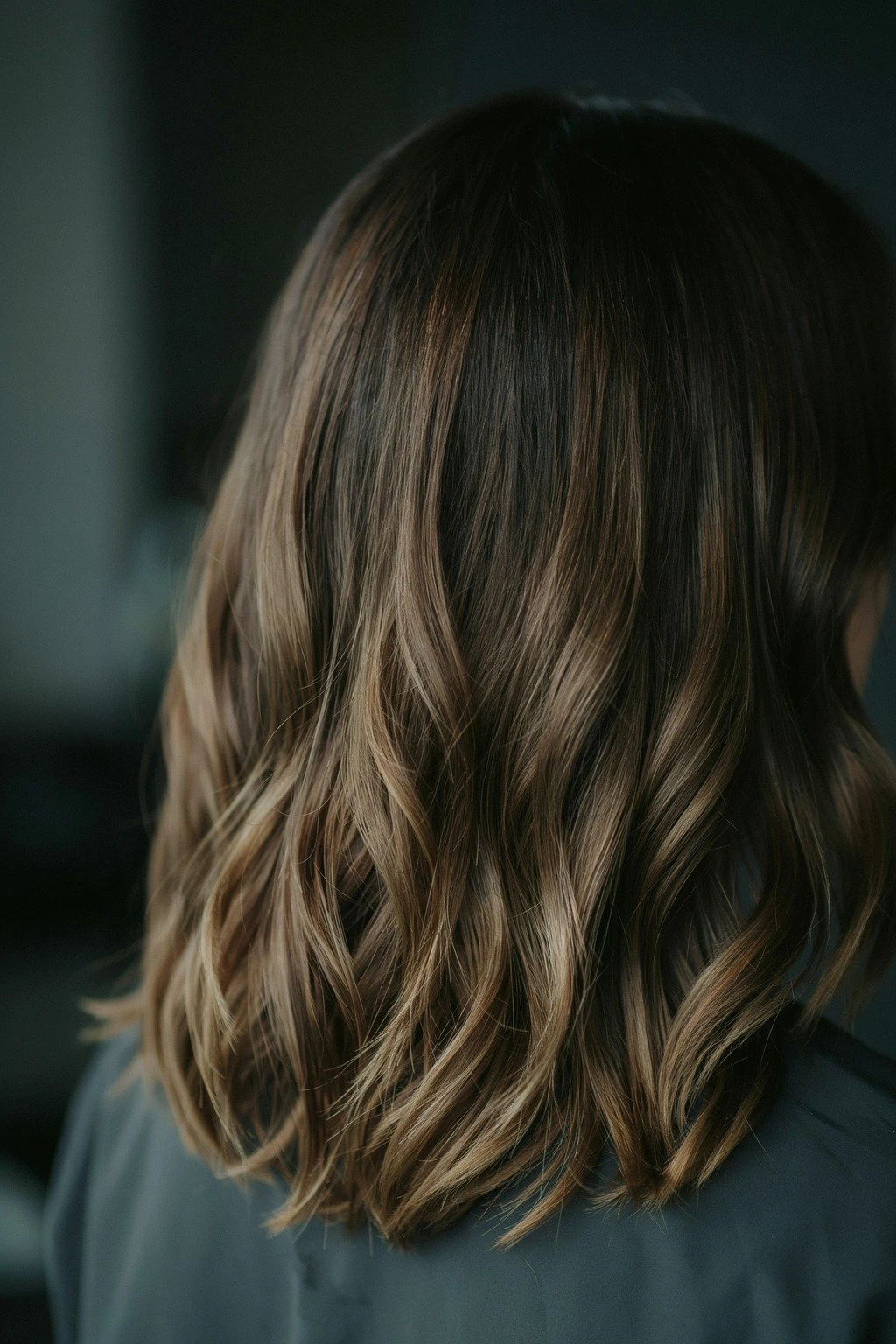
The single biggest lever on your total is the distance between your natural level and the photo. If you don’t know that number yet, find it before you ask for any quotes at all, because it changes every one of them.
| Starting level | Sessions needed | Realistic total |
|---|---|---|
| Level 1 to 2, black and off-black | Two, spaced 4 to 6 weeks apart, occasionally three | $300 to $700 |
| Level 3 to 4, deep to medium brunette | One long session, occasionally two | $150 to $350, or both sessions’ worth |
| Level 5 to 6, light brunette | One session | $150 to $350 |
| Level 7 and up, already blonde | One session, sometimes a gloss alone | $50 to $350 |
All of those bands vary by region, salon tier, and length, which is worth repeating because two salons can quote the same head of hair $200 apart and both be honest. The reason dark bases sit higher isn’t markup; it’s that the lift has to clear years of pigment in stages, with the tone placed only once the base is clear, and that is two colorists’ worth of judgment rather than one. One caveat before the table applies to you at all: if your hair is box-dyed or carrying color you can’t fully account for, the plan waits on a strand test, because lightener over previously colored hair lifts differently than over virgin hair and the session count can change on what the test strand says. Any new pigment earns a patch test first as well. I have watched a strand test turn a one-session quote into a two-session plan, and that news is always cheaper in the consultation than mid-appointment.
The Year After: Gloss Windows and Repaints
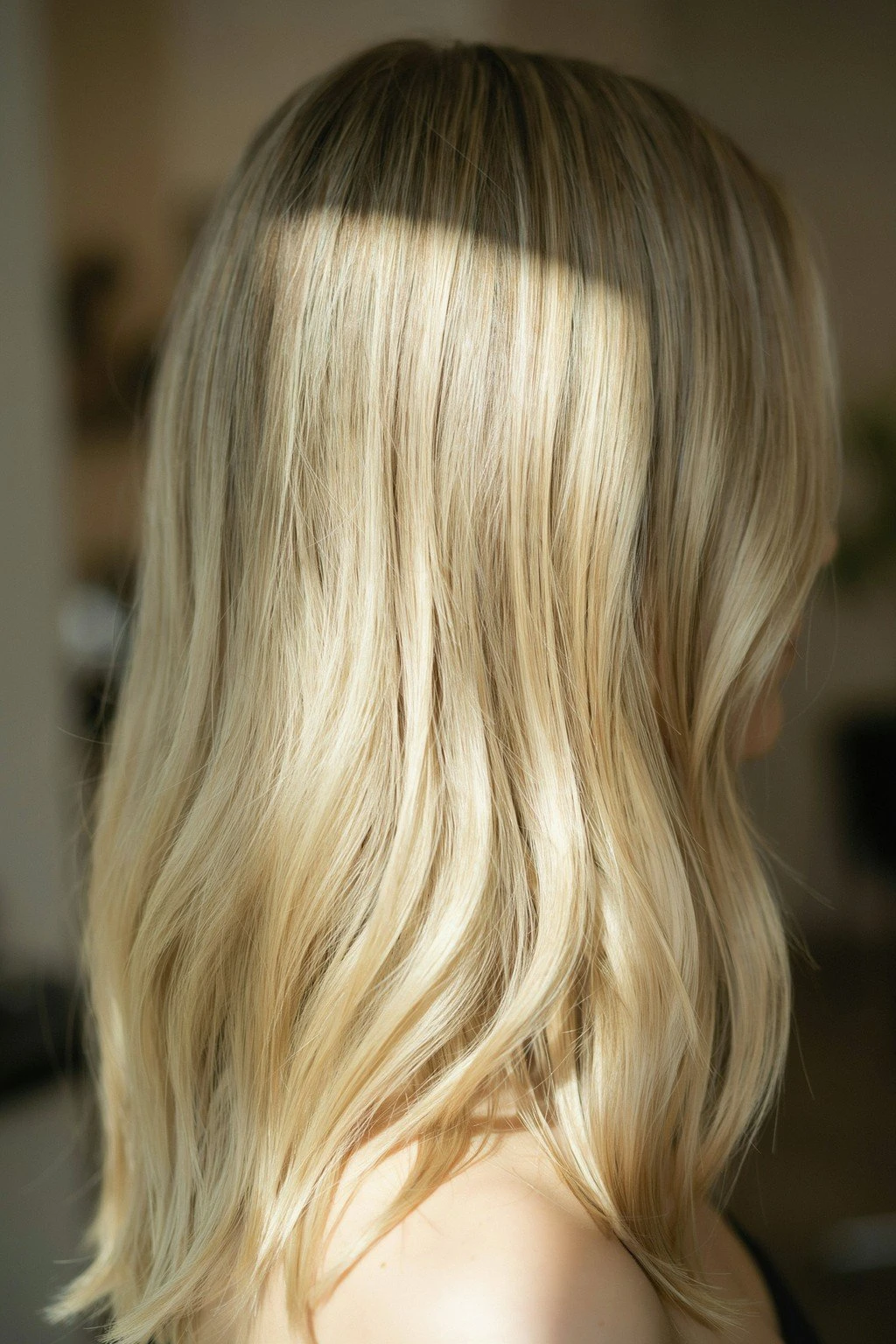
The first two weeks cost nothing extra. The tone settles, the color reads slightly softer than the day it was toned, and the only spending worth doing is on the kind of gentle, color-safe wash routine that keeps the gloss from stripping early. Judge the shade after a couple of washes, not in the first hour.
Then the clock starts. Around 6 to 8 weeks, the tone begins to drift, warm shades going brassier and cool ones flattening out first. This is the gloss window, and it’s the upkeep cost most people forget to budget: a refresh visit running $50 to $90 that resets the tone without touching the lift. Cool tones run on the shorter end of that clock, so an ash or beige result budgets for glosses more often than a warm caramel one. Booking the gloss before you leave the chair, while the schedule is still in front of you, is the cheapest insurance in this whole article.
The repaint lands much later. Because painted placement leaves no hard root line, most people stretch 4 to 6 months between full sessions comfortably, with one or two glosses in between. Add that up and a typical year looks like two to three full sessions plus a gloss or two, which is where the $350 to $1,200 range comes from. The low end is a warm tone on an easy base with minimal upkeep; the high end is a cool tone on a dark base with glosses on schedule.
Nine years of quoting this service has left me with one fixed belief. The quote that skips the conversation about your level isn’t a bargain. It’s half an answer, and the second half tends to arrive later, at full price.
A quote without a level conversation isn’t a bargain. It’s half an answer.
The Balayage Grow-Out Decision

Somewhere around the six-month mark, every balayage reaches a fork, and each path has its own price tag. Keeping it going means another full session at the usual band. Softening it means a root shadow or a blend, toned close to your natural color, which buys three to four more months at gloss pricing rather than session pricing. Ending it costs nothing but patience, because painted placement grows out without a line and simply fades back toward the background.
That last option deserves more respect than it gets. Because there’s no hard edge to grow past, letting balayage go is the cheapest exit in color, and the grow-out itself often looks deliberate for months. If your budget year is tightening, the shadow route is the honest middle, and walking away is a real answer rather than a failure.
Where Quotes Go Wrong
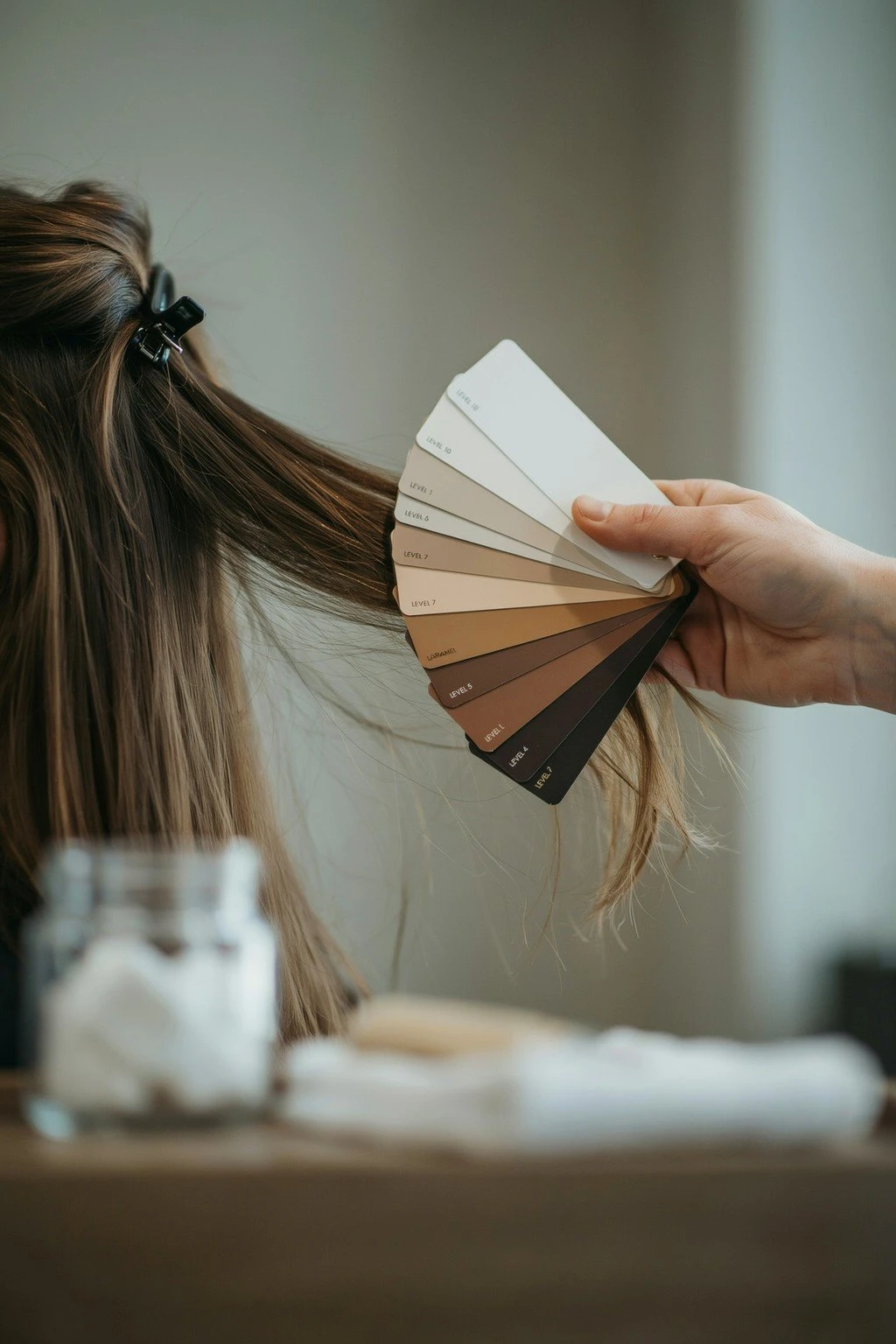
Most bad quotes aren’t dishonest, just unfinished, and three questions catch nearly all of them before you book. Ask whether the gloss is included, because a quote that leaves it out is quietly moving $50 to $90 of the price off the paper. Ask how many sessions your base realistically needs, because a one-session promise on a level 2 base is a promise the hair will break. And ask what upkeep costs per year, not per visit, because the yearly number is the one you’re actually agreeing to. Get the answers in writing if the salon offers it, even a text summary counts, because a written number has a way of staying honest.
One red flag earns its own sentence. A quote dramatically under the band for your base, on a dark head, with no strand test mentioned, is not a deal. Lift that cheap is usually lift that gets rushed, and rushed lift on dark hair is how damage happens. I have corrected more appointments that started as bargains than I have expensive ones, and corrections always cost more than the original plan would have.
Frequently Asked Questions
How much does balayage cost on dark hair?
On a level 1 or 2 base, plan on two sessions spaced 4 to 6 weeks apart landing $300 to $700 in total, occasionally three sessions for resistant blue-black hair. A level 3 or 4 base usually gets there in one longer session at $150 to $350. The starting level sets the number, not the photo, which is why two people showing the same picture hear two different quotes.
Why is balayage more expensive than highlights per visit?
Per appointment, painted placement usually runs about $50 more than a comparable foil service, because the freehand work is slower to place and judges every section individually. The yearly math goes the other way. Foils on a 6-to-8-week root cycle mean six to eight appointments a year, while balayage stretches to 4 to 6 months between full sessions, so the technique that costs more per visit usually costs less in total.
Do balayage touch-ups cost as much as the first session?
Rarely. The gloss refreshes in between sessions run $50 to $90 and make up most of what people call touch-ups, since the tone fades long before the lift needs anything. When a full repaint finally lands at 4 to 6 months, it bills like the original session. A second-session lift on dark hair can actually run lighter than the first, since the colorist is building on existing placement rather than starting from zero.
Is the cheapest quote ever the right one?
Within the honest band for your base, yes, and the difference is often just region or salon tier. Below the band on dark hair, it’s a warning rather than a deal, because lift costs what it costs and a price that skips the level conversation or the strand test is borrowing from the result. The question worth asking isn’t which quote is lowest. It’s which quote explained the most.
What should I ask before booking?
Three things cover almost everything: whether the gloss is itemized in the price, how many sessions your starting level realistically needs, and what the year of upkeep will cost in total. Bring the photo, name your budget honestly, and let the colorist look at your actual base before either of you commits. A consultation that answers all three in plain numbers is the one worth booking.
Budget the Year, Not the Appointment
The sticker price is easy to brace for, so do that part today: one to two sessions, $150 to $350 each, more if your base is dark. Then do the part everyone skips, which is pricing the glosses and the repaint that follow, because that’s the number this color actually bills against. Once the budget is honest, the only question left is keeping the result fresh between visits.
Still trying to figure out what your total would be? Ask in the comments below with your best guess at your starting level and I’ll help you price it. — Margot