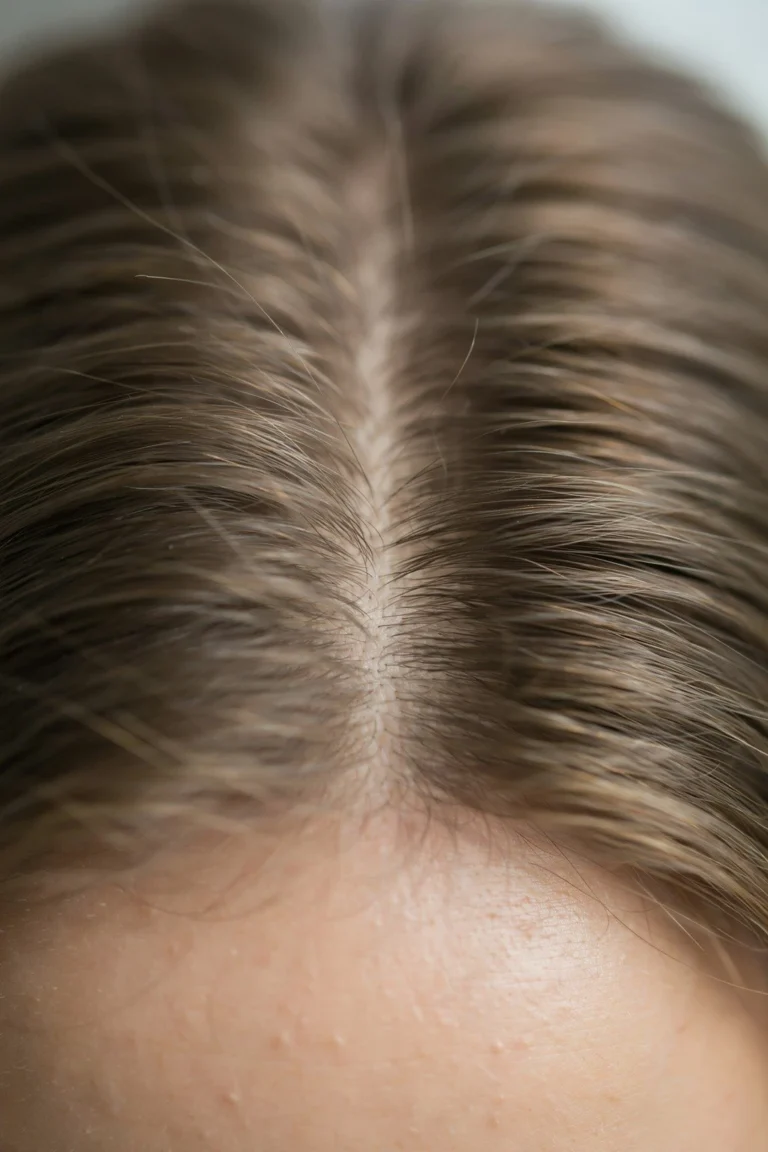
Dermatologist for Hair Loss: What to Expect at Your First Visit
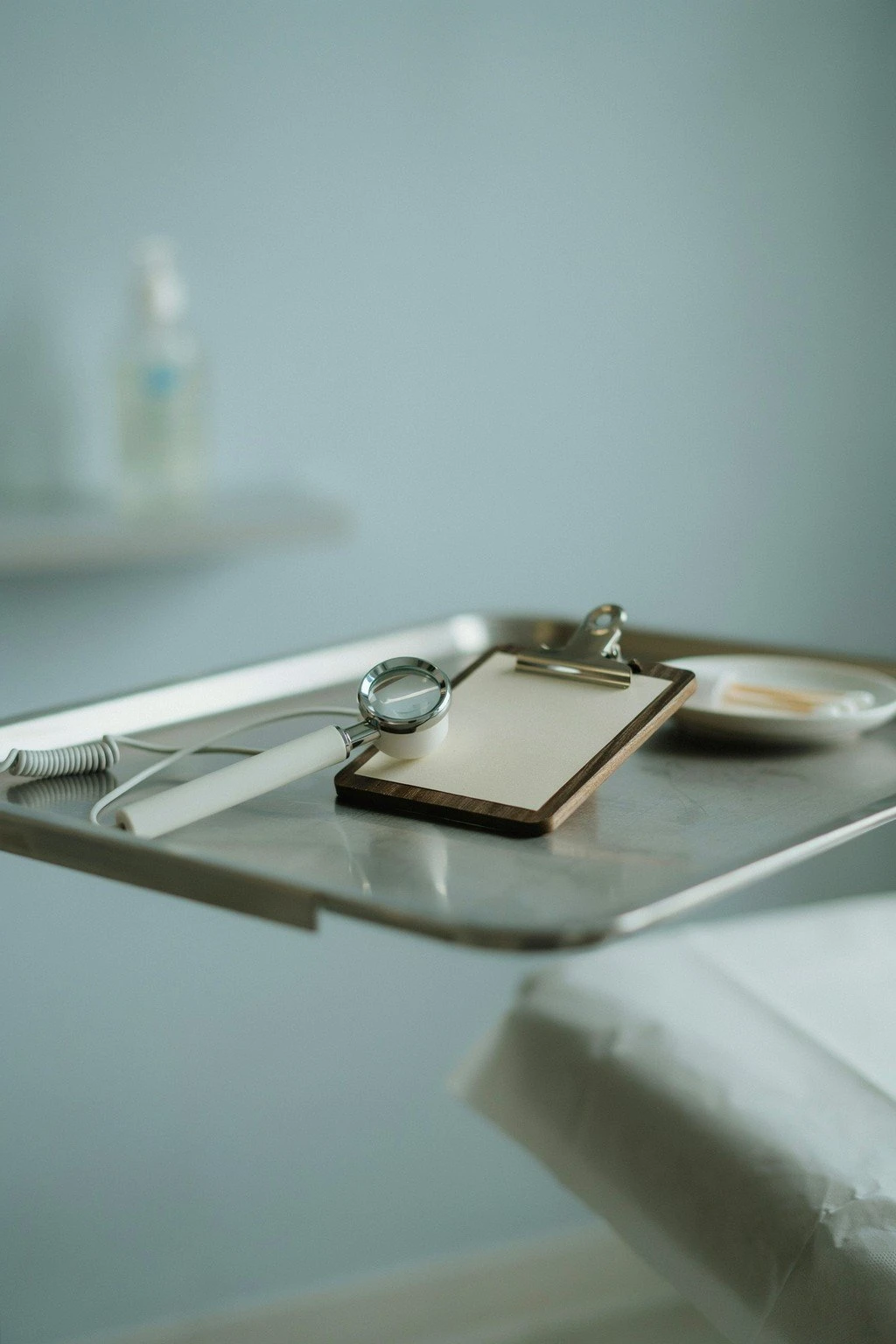
I put off seeing anyone about a stretch of heavier shedding for almost a year, mostly because I couldn’t tell whether what I was seeing was actually a problem or just normal variation I was suddenly paying too much attention to, and that uncertainty is exactly the gap a dermatologist for hair loss is built to close. A dermatologist visit for hair loss typically starts with a scalp exam and a detailed history, sometimes followed by bloodwork or a small scalp biopsy, all aimed at identifying which of several possible causes is actually driving what you’re seeing before anyone discusses what to do about it. I’m not a trichologist or a dermatologist myself, and I won’t pretend to diagnose anything here — what I can do is describe honestly what the visit itself involves and when it genuinely makes sense to book one.
Seeing a dermatologist for hair loss makes sense once shedding is sustained well beyond your normal for several weeks, or thinning is visible at the part or hairline, and the visit itself centers on a scalp exam and history rather than an immediate treatment.
When It’s Time to See a Dermatologist for Hair Loss

Ordinary shedding runs somewhere around 50 to 100 hairs a day, reflecting the normal turnover of the hair growth cycle, and a heavier day here or there isn’t unusual. What’s worth a concrete threshold is shedding that’s noticeably and consistently beyond your own normal for more than a few weeks, thinning that’s visibly concentrated at the part or hairline rather than spread evenly, or hair coming out in clumps or with visible patches rather than as scattered single strands. Sudden, dramatic shedding following an illness, a major stressor, surgery, or childbirth is common and often resolves on its own within several months, but it’s still worth a visit if it hasn’t meaningfully eased by the three-to-four-month mark, since a dermatologist can confirm what’s actually happening rather than leaving you to guess.
I want to be specific about why a threshold matters here rather than a vague “if you’re worried” standard, since worry alone is a poor guide — plenty of people notice shedding and are dealing with completely normal variation, while others dismiss a genuine pattern change because it doesn’t feel dramatic day to day. A concrete signal, like a sustained increase over several weeks or visible thinning at a specific location rather than an overall vague sense that “something feels different,” gives you something more reliable to act on than anxiety alone, in either direction.
What Actually Happens at a First Visit
A dermatologist typically starts with a detailed history — when the shedding started, whether it’s been gradual or sudden, any recent illness, medication changes, major stressors, or family history of hair loss — since the pattern of onset alone rules out or points toward several possible causes before any physical exam even begins. The physical exam usually includes a close look at the scalp itself, sometimes with a handheld magnification tool called a dermatoscope that lets them examine individual follicles and the surrounding skin in detail no mirror at home can match. A gentle pull test, where a small section of hair is tugged lightly to see how many strands come away, gives a rough read on how active the shedding is at that specific moment, though it’s one data point among several rather than a definitive answer on its own.
The whole first visit tends to move slower and feel less dramatic than people expect walking in, which I’ve heard from more than one reader after their own appointment. There’s rarely an immediate verdict delivered in the room — a dermatologist is usually working through a mental list of possibilities based on the history and exam, narrowing it down rather than announcing a single answer on the spot, especially if bloodwork is involved and results won’t be back for several days. That slower pace isn’t a bad sign; it’s what a careful process actually looks like, even though it can feel anticlimactic after building up the courage to book the appointment in the first place.
What Tests a Dermatologist Might Run
| Test | What it checks | Why it matters |
|---|---|---|
| Blood panel (iron, ferritin, thyroid) | Common nutritional and hormonal contributors | Several treatable deficiencies can drive shedding directly |
| Pull test | How actively hair is shedding right now | Distinguishes an active shed from a stable pattern |
| Trichoscopy (dermatoscope exam) | Follicle and scalp skin detail | Reveals patterns invisible to the naked eye |
| Scalp biopsy (less common) | Tissue-level detail on follicle and skin structure | Used when the cause remains unclear after other steps |
Not every visit involves every item on this list — a straightforward case with an obvious recent trigger, like a stressful few months or a recent illness, may not need bloodwork or a biopsy at all, while a case with no obvious cause or one that isn’t improving as expected often does. The point of all of this testing is identifying a cause, not confirming a fear — most causes turn out to be manageable, and several, like a nutritional deficiency, are more straightforward to address than people expect walking in.
Iron and ferritin deficiency deserves a specific mention, since it’s one of the more common and most fixable causes of diffuse shedding, particularly relevant for anyone with heavy menstrual cycles, a largely plant-based diet, or a history of anemia. Thyroid dysfunction, both an underactive and an overactive thyroid, can also drive noticeable shedding, and it’s a genuinely common enough finding that most thorough workups include it as a standard check rather than something reserved for unusual cases. Neither of these requires anything dramatic to confirm — a standard blood draw covers both — which is part of why bloodwork is often one of the very first steps rather than something held in reserve for complicated cases.
What They Might Discuss as Treatment Options
This is the part where I’ll be direct about what belongs in a dermatologist’s office rather than a general guide: dosing, prescription decisions, and specific treatment protocols are a conversation between you and your prescriber, informed by your specific test results and history, and not something a general article should attempt to replicate. What I can say is that the general categories a dermatologist might discuss include topical treatments, oral medications for certain diagnoses, and in some cases procedural options, with the specific recommendation depending entirely on what the exam and any testing actually reveal. A treatable cause — a deficiency, a thyroid issue, a temporary stress-related shed — often resolves with a fairly straightforward fix once identified, while a genetic or hormonal pattern typically involves an ongoing conversation about options rather than a single one-time treatment.
The exam and the testing matter more than any product conversation that comes after. You can’t treat a cause you haven’t actually identified.
What to Bring and How to Prepare

- A rough timeline of when the shedding started and whether it’s been gradual, sudden, or came in a specific wave.
- Photos taken over the past several months, in consistent lighting if possible, since visual comparison over time tells a dermatologist more than a description alone.
- A list of current medications, supplements, and any recent changes to either.
- Any family history of hair loss or thinning, on either side of the family.
- Notes on any recent illness, major stressor, surgery, or significant weight or diet change in the past six to twelve months.
A photo timeline in particular is worth building before your appointment rather than trying to describe change from memory once you’re in the room — a monthly photo from the same angle and lighting, even taken casually on a phone, gives a dermatologist something concrete to compare rather than your best recollection of how things looked a few months ago.
What a Visit Typically Costs
Costs vary widely by region, insurance coverage, and whether testing is involved, but a general dermatology consultation typically runs somewhere in the range of a standard specialist copay under insurance, or several hundred dollars without it. Bloodwork adds a separate cost, often partially or fully covered by insurance when ordered for a documented medical concern rather than requested independently. A follow-up visit to review test results and discuss next steps is usually a shorter, lower-cost appointment than the initial consultation. Calling ahead to confirm what your specific insurance covers for a dermatology referral, and whether a referral from a primary care provider is required, can save a genuine amount of both money and scheduling friction before you book.
Wait times for a first appointment vary considerably by region and by whether you’re seeing a general dermatologist or one who specializes specifically in hair loss, and the latter can sometimes mean a longer wait for a genuinely more relevant evaluation. If your shedding is significant enough to feel urgent to you but not so sudden that it needs immediate attention, it’s worth asking the scheduling office directly whether an earlier cancellation slot might open up, rather than assuming the first offered date is the only option.
Frequently Asked Questions
Do I need a referral to see a dermatologist for hair loss?
This depends entirely on your specific insurance plan — some require a referral from a primary care provider, others allow direct scheduling with a specialist. Calling your insurance provider or the dermatology office directly before booking is the most reliable way to confirm which applies to you.
What should I expect the first appointment to cost?
A general consultation typically falls within a standard specialist visit range under insurance, though the exact amount depends heavily on your specific plan and region. Asking the office directly about cost and what your insurance covers before the appointment avoids any surprises afterward.
Will a dermatologist definitely find a cause for my hair loss?
Most of the time, yes — the combination of history, exam, and targeted testing identifies a likely cause in the large majority of cases, though occasionally the picture remains less clear and requires ongoing monitoring or a specialist referral. Either outcome is more useful than continuing to guess on your own.
How soon should I expect to see improvement after a visit?
This depends entirely on the underlying cause and whatever approach is discussed, and any dermatologist should give you a realistic timeline specific to your situation rather than a generic one. The hair growth cycle itself moves in months, so meaningful visible change typically takes several months at minimum regardless of the cause identified.
Is it worth seeing a dermatologist if my hair loss seems mild?
If it’s genuinely mild and hasn’t changed meaningfully in months, waiting and monitoring with photos is a reasonable choice. If you’re uncertain whether what you’re seeing is truly mild or the early stage of something progressing, an appointment costs little relative to the peace of mind of an actual professional assessment rather than months of uncertainty.
What to Do Before Your Next Shower
If you’ve been putting off a visit the way I did, start with the smallest possible step: take one photo today in decent light, and take another one in a month. That single habit turns a vague worry into something concrete enough to actually act on, whichever way it goes.
If you’ve been through this and have a tip for a first visit, share it in the comments — I know how much a little preparation helps. — Iris