Hair Color Banding: Why One More Box Dye Makes It Worse
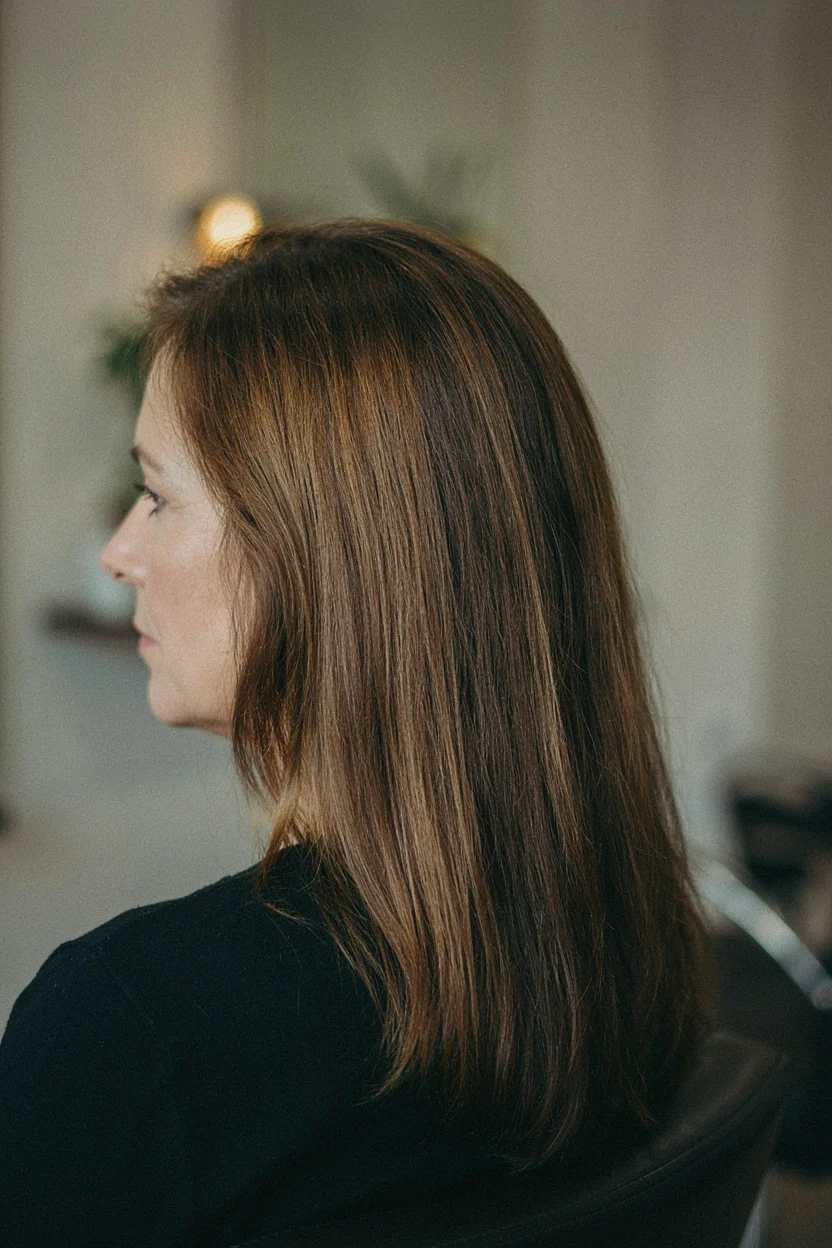
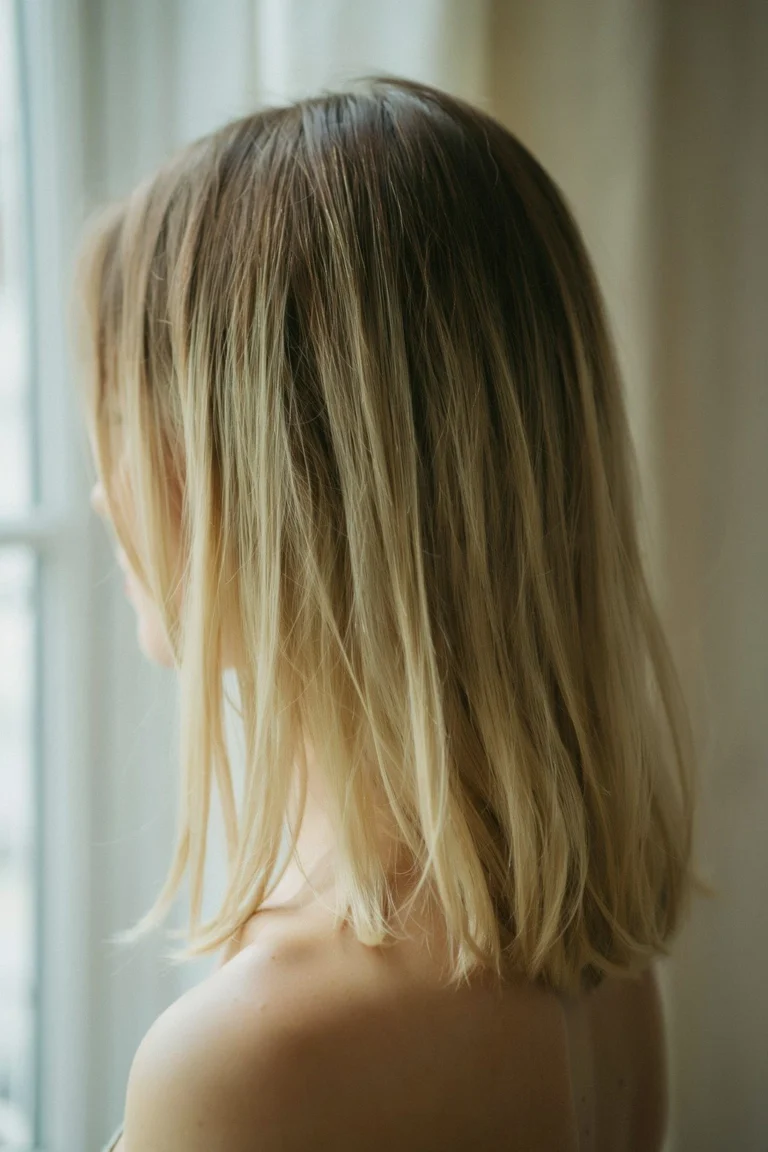
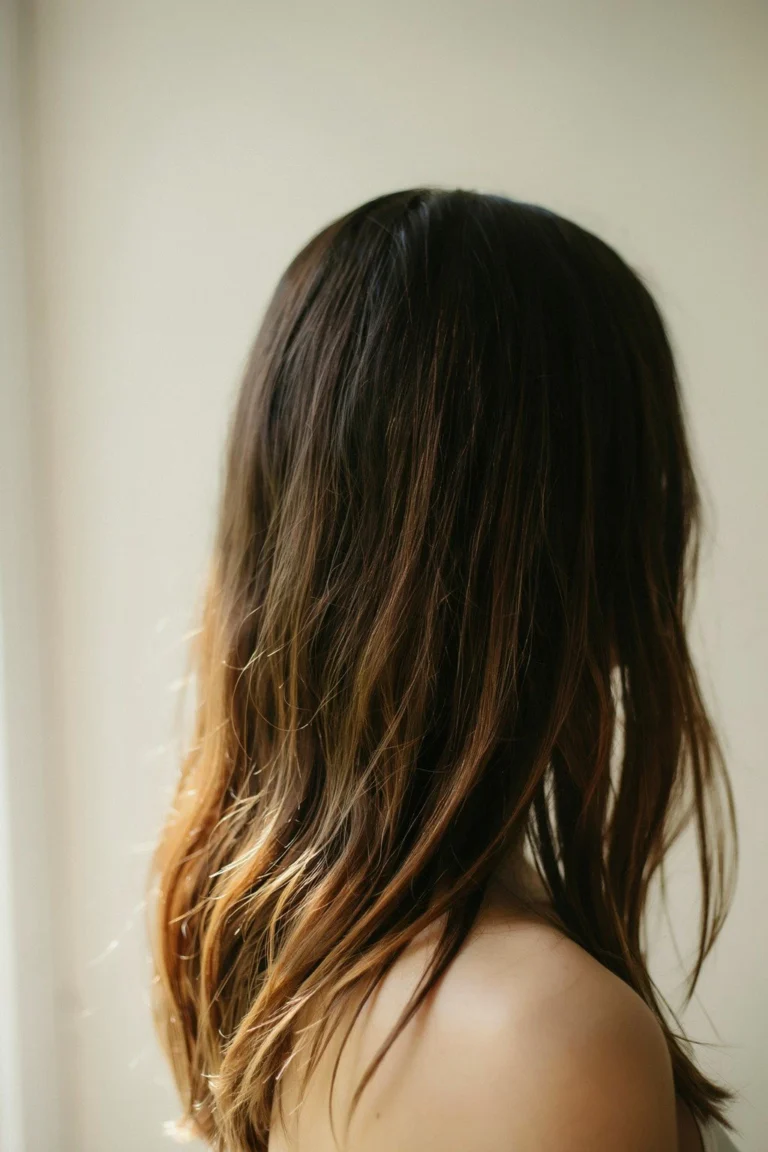
Hair color banding is the horizontal line you see when your roots are one color, your midshaft is another, and your ends are a third. It happens because each new application of permanent color deposits on top of the previous one. The overlap zone gets darker every time. One more box dye does not fix banding. It adds another layer to the exact problem you are trying to cover.
A woman came into my chair last month. She had been coloring at home for two years, every five weeks, same shade every time. When she sat down and I pulled her hair back, there were three distinct bands from root to tip. The roots were a level 5. The midshaft was a level 3. The ends were nearly level 2. She told me the color never looked even no matter what she did. She was right. The problem was not the shade. The problem was the stacking.
Banding is the most common color correction I see. It is also the most preventable. Once you understand why it builds, you can stop adding to it.
What Hair Color Banding Actually Is
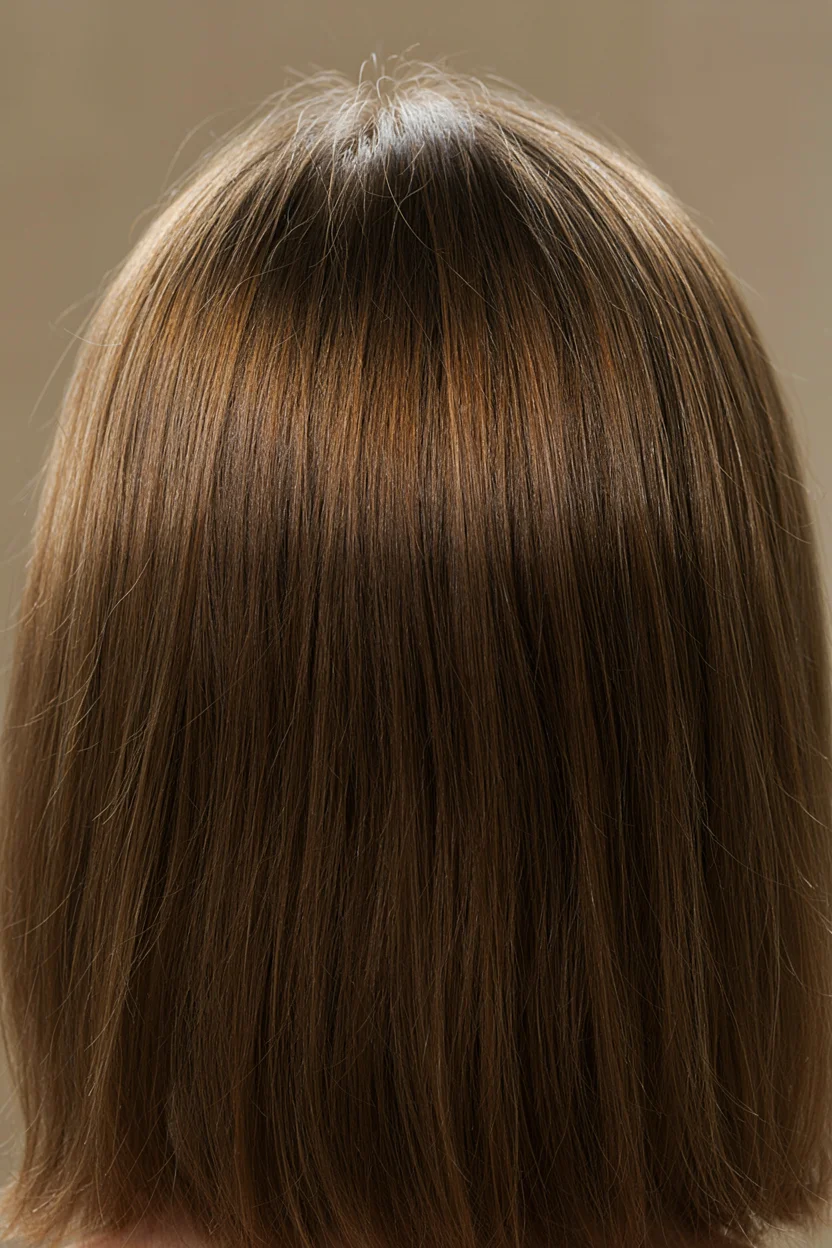
Banding is a visible horizontal line in the hair where two different color depths meet. It appears when permanent color is applied to hair that already has permanent color on it. The new application overlaps the old by at least a quarter inch, and that overlap zone gets double the pigment deposit.
Over multiple sessions, the overlap zone darkens progressively. After six months of full-head applications every five weeks, that zone has received approximately twelve layers of color. The roots above it have received one. The result is a visible line that separates the fresh color from the built-up color below.
Banding is not the same as regrowth. Regrowth is the line at the scalp where new hair has grown in without color. Banding is a line below the scalp, usually one to three inches down, where the color depth changes abruptly. Regrowth grows out. Banding does not. It stays until the built-up color is removed or grows out completely.
If your hair has any previous permanent color on it, banding is already forming. You might not see it yet. At one or two applications, the depth difference is subtle. By application six or eight, it is usually visible in natural light.
Why Each New Box Dye Application Makes It Worse
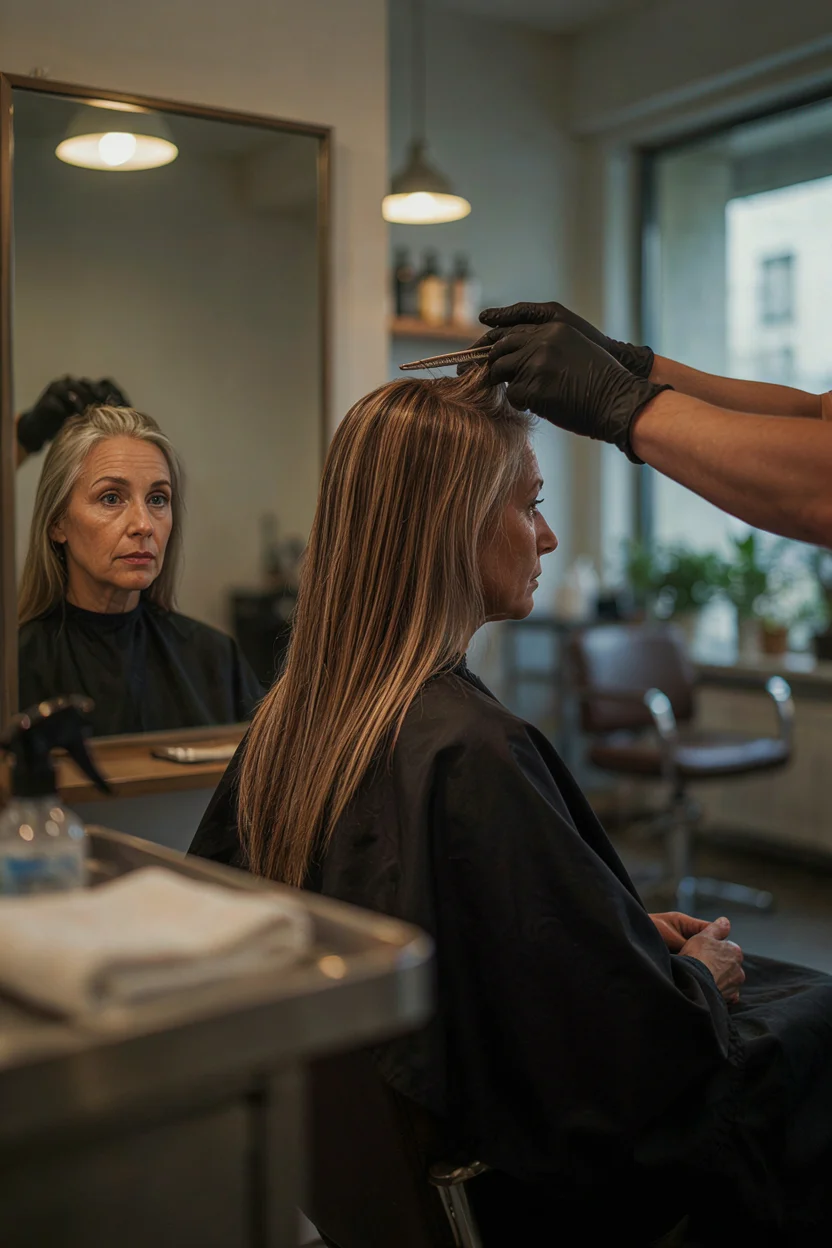
Permanent color does not lift previous permanent color. That is the core rule. When you apply a new box dye over hair that already has permanent color on it, the new formula adds pigment on top of what is already there. It does not replace it. It does not even it out. It layers.
The first application gives you clean, even color. The second application adds a second coat to everything below the regrowth zone. The third adds a third coat. By the sixth application, the midshaft and ends have six layers of pigment stacked on each other. The roots have one. The visual result is a dark band starting one to two inches from the scalp and extending through the ends.
I did a color correction last year on a client who had used the same level 5 box dye for fourteen months. When I applied color remover to the midshaft during the correction, the color that lifted was a level 2. Her target had been level 5. The box was level 5. But fourteen applications of level 5 had built up to level 2 on the lengths. That is how progressive deposit works.
Each new application is not a reset. It is an addition. If you keep applying permanent color from roots to ends, the banding gets darker and more defined with every session. The only way to stop it is to change how you apply.
The Overlap Zone and How It Builds
The overlap zone is the section of hair where new color meets old color during application. Even with careful root-only technique, some overlap is unavoidable. Most people applying at home overlap by a quarter to a half inch. That small section receives color during every application.
After twelve applications over a year, the overlap zone has twelve extra layers of pigment compared to the roots above it. That is a significant depth difference. It shows up as a horizontal band, usually one to two inches from the scalp, that looks darker and flatter than the rest of the hair.
The band is most visible when the hair is pulled back or caught in bright natural light. In dim indoor lighting, it can look like general unevenness or a lack of dimension. People often describe it as their color looking muddy or flat. That flatness is the banding. The buildup has deposited so much pigment that the color has lost its translucency and depth.
Hair texture affects how quickly banding becomes visible. Fine hair shows banding sooner because each layer of pigment represents a larger proportion of the hair strand diameter. Coarse hair can absorb more layers before the band becomes obvious. If you have fine hair and you color every four to five weeks, banding can appear within three to four months.
What Banding Looks Like at Different Levels
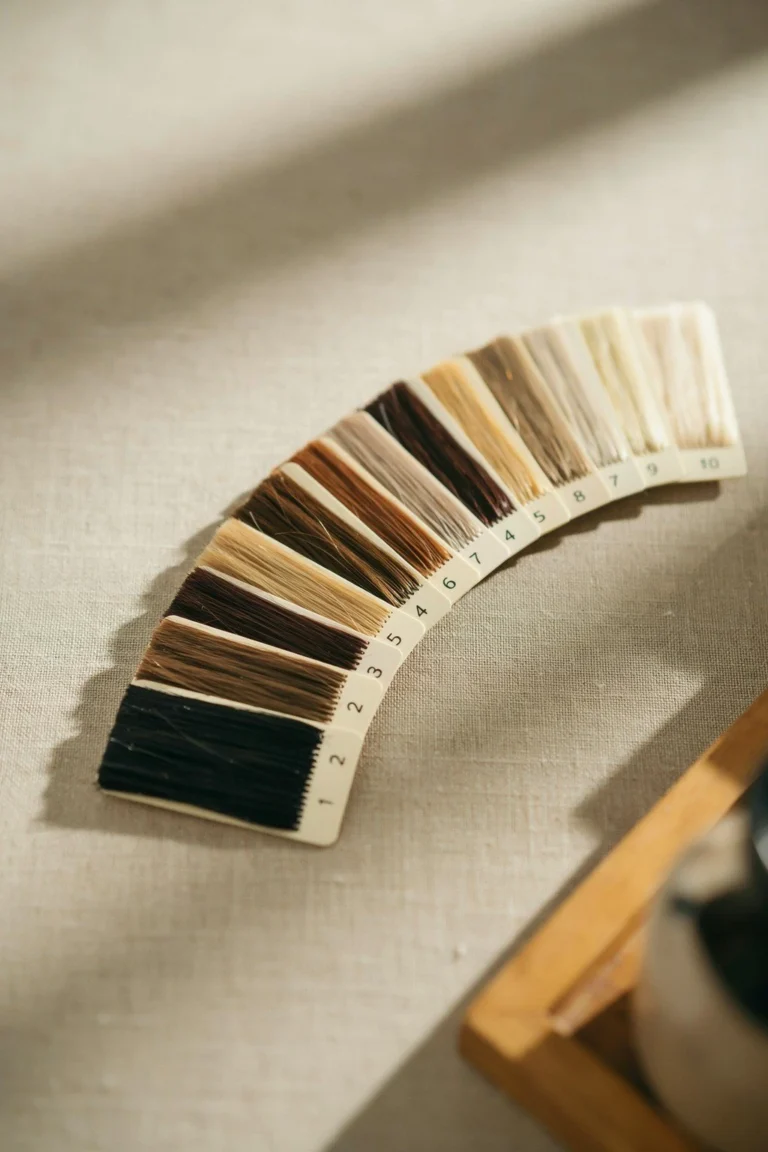
Banding at level 3 and below is dramatic. The overlap zone darkens to near-black. The contrast with the fresh roots is stark. Correction requires multiple sessions because the buildup is dense and resistant to removal. Typical correction: two to three sessions, $150 to $250 per session.
Banding at level 4 to 5 is the most common. The overlap zone reads two to three levels darker than the roots. In natural light, the band is clearly visible. The color on the lengths looks flat and one-dimensional compared to the more translucent roots. Correction usually takes one to two sessions. Typical range: $120 to $200 per session.
Banding at level 6 and above is less visually dramatic because the base level is lighter. The overlap zone might read only one to two levels darker than the roots. The band can look like a subtle warm stripe rather than a hard line. It is still buildup. It is still progressive. But the visual impact is softer. Correction is typically one session, $100 to $160.
- Level 1 to 3 banding: near-black overlap zone, high contrast, two to three correction sessions
- Level 4 to 5 banding: two to three level gap between roots and lengths, clearly visible in natural light
- Level 6 to 7 banding: one to two level gap, often reads as a warm stripe, softer contrast
- Level 8 and above: minimal visible banding, but progressive warm buildup still occurs on the lengths
The banding you see today is the sum of every application you have done. One more box dye on top of it is one more layer of the same problem.
Banding Scenarios and What Each One Needs
| Scenario | Current State | Root Level | Length Level | Correction Approach | Sessions |
|---|---|---|---|---|---|
| Six months of full-head box dye, level 4 target | Visible band one inch from scalp | Level 5 (fresh) | Level 3 (built up) | Color removal on midshaft and ends, then single-process even formula | 1 to 2 |
| One year of full-head application, level 5 target | Strong banding, flat dark lengths | Level 5 (fresh) | Level 2 to 3 (heavy buildup) | Gradual color removal over two sessions, tone correction on third visit | 2 to 3 |
| Three months of root overlap, level 6 target | Mild warm band visible in bright light | Level 6 (fresh) | Level 5 (mild buildup) | Single color removal session, then root-only application going forward | 1 |
| Switching from level 3 to level 6 after years of home color | Severe banding plus level gap | Level 6 (target) | Level 2 to 3 (years of buildup) | Full color removal, possible two sessions, then rebalance and tone | 2 to 3 |
How to Stop the Cycle
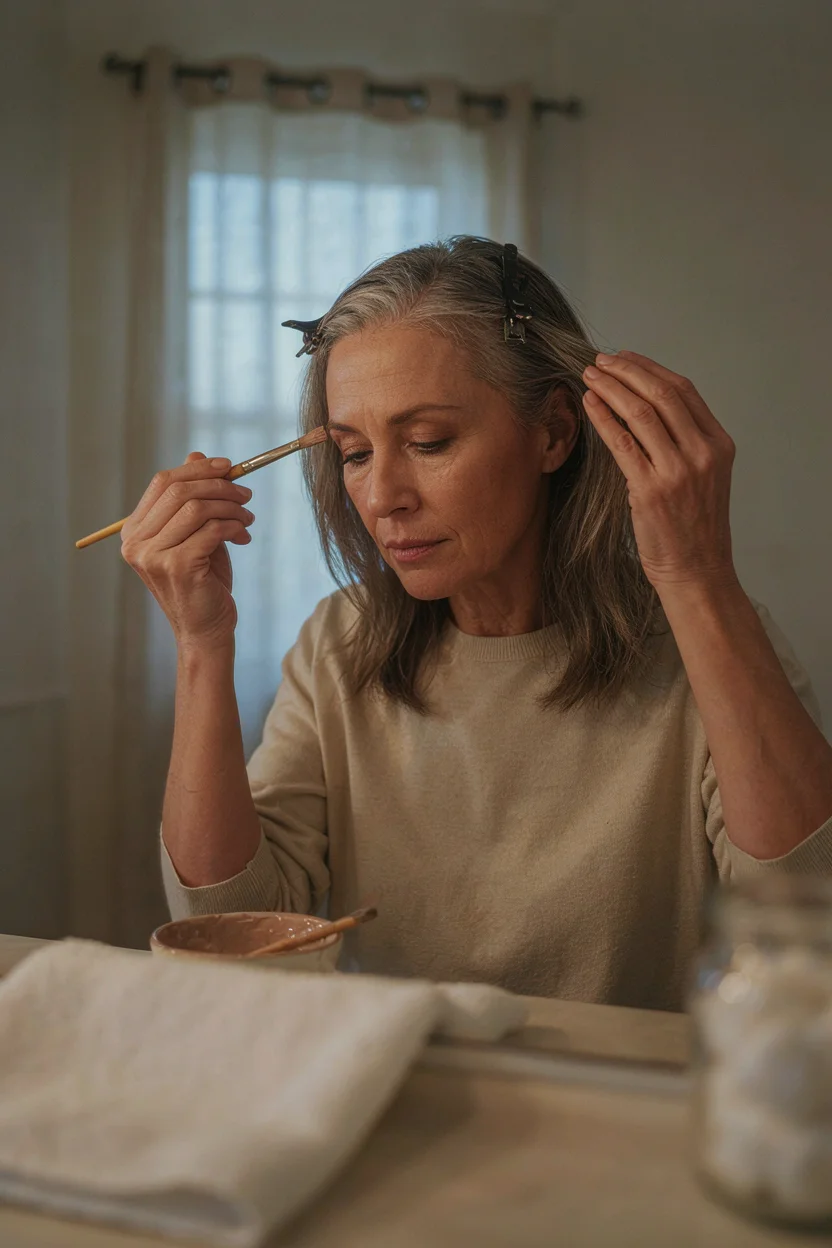
Stop applying permanent color to the lengths. This is the single change that stops banding from building. Apply your formula to new growth only. The regrowth zone is approximately half an inch per month. That is the area that needs pigment. Everything beyond it already has enough.
If the lengths look faded or the tone has shifted, use a demi-permanent gloss to refresh. Demi-permanent deposits tone without adding permanent depth. It does not cause the same progressive buildup. Apply it to the midshaft and ends every third or fourth touch-up. That keeps the color looking current without stacking permanent pigment.
When you apply to roots, use thin sections and a fine brush. The goal is to saturate the new growth without overlapping onto previously colored hair. Some overlap is inevitable, but keeping it to an eighth of an inch instead of a half inch significantly slows the banding process.
If you already have visible banding, the fix is color removal on the built-up sections. This is not a bleach process. Color remover works by shrinking the artificial pigment molecules so they can be rinsed out. It is gentler than bleach, but it still stresses the hair. I recommend having it done professionally. The cost is typically $120 to $200 per session. One to two sessions resolves most banding.
The hair color levels guide explains why some levels build up faster than others. Lower levels deposit more pigment per application, which means the banding develops sooner. If you color at level 3, expect visible banding within three to four months of full-head applications. At level 6, it takes longer but still arrives.
Read about how professional colorists approach color removal and banding correction in a salon setting.
Frequently Asked Questions
Can I fix hair color banding at home?
Mild banding, where the depth difference is one level or less, can sometimes be improved with a clarifying shampoo used weekly for three to four weeks. The shampoo gradually strips surface pigment from the built-up sections. For banding with a two-level gap or more, the buildup is too dense for shampoo to address. Professional color removal is the reliable fix.
Will highlights hide banding?
Highlights can break up the visual line by adding lighter pieces through the banded area. They do not remove the buildup. The band is still there under the highlights. This approach works for mild banding where the contrast is one to two levels. For severe banding, color removal first and highlights second gives a cleaner result.
How long does it take for banding to grow out completely?
Hair grows approximately half an inch per month. If your banding starts one to two inches from the scalp, it takes four to eight months for the banded section to grow past the shoulder and be cut off. During that time, the band moves down the hair shaft but remains visible. Most people choose correction rather than waiting it out.
Does banding happen with demi-permanent color?
Demi-permanent color causes significantly less banding than permanent color because it deposits pigment on the surface rather than inside the hair shaft. Some buildup occurs over many applications, but it is slower and less dramatic. If banding is a recurring problem, switching to demi-permanent for the lengths and permanent for the roots only is an effective strategy.
Why does my colorist charge more to fix banding than for a standard color appointment?
Banding correction requires color removal, which is an additional chemical process on top of the color application. The session takes longer, typically two to four hours versus one to two hours for a standard application. The colorist also needs to monitor the removal process closely to avoid over-processing. The extra time and product justify the higher cost, which typically runs $120 to $250 depending on severity.
The Box Dye Is Not the Problem
The application method is. Permanent color is a fine product. Using it correctly, on new growth only, gives consistent results for years without banding. Using it from roots to ends every five weeks builds layer after layer on hair that already has enough pigment. The band you see is not a defect in the dye. It is a record of every full-head application you have done. Stop the full-head habit and the banding stops building. That is the entire fix.
— Margot