Scalp Psoriasis and Hair Washing: What Scratching Changes

Scalp psoriasis and hair washing are more closely connected than they might first appear, because the way you wash and the frequency at which you wash both influence the environment that psoriasis creates on the scalp. Psoriasis accelerates the rate at which skin cells mature and shed, producing the thickened, silvery plaques that characterise the condition, and those plaques alter how the scalp interacts with water, surfactants, and the mechanical action of washing. I have read enough trichology and dermatology literature to know that the advice circulating about this topic is often contradictory, with some sources recommending more frequent washing and others recommending less, without explaining the mechanism behind either position. The useful starting point is to understand what psoriasis does to the skin barrier and how scratching, which is almost inevitable with psoriasis, changes the picture.
The short answer is that scalp psoriasis compromises the skin barrier, making the scalp more vulnerable to irritation from surfactants and mechanical friction, while scratching lifts plaques prematurely and exposes raw skin beneath, increasing inflammation and the risk of secondary infection. Washing itself is not the problem. The problem is how washing interacts with an already impaired barrier, and which practices either support or further disrupt that barrier.
What Psoriasis Does to the Scalp Barrier
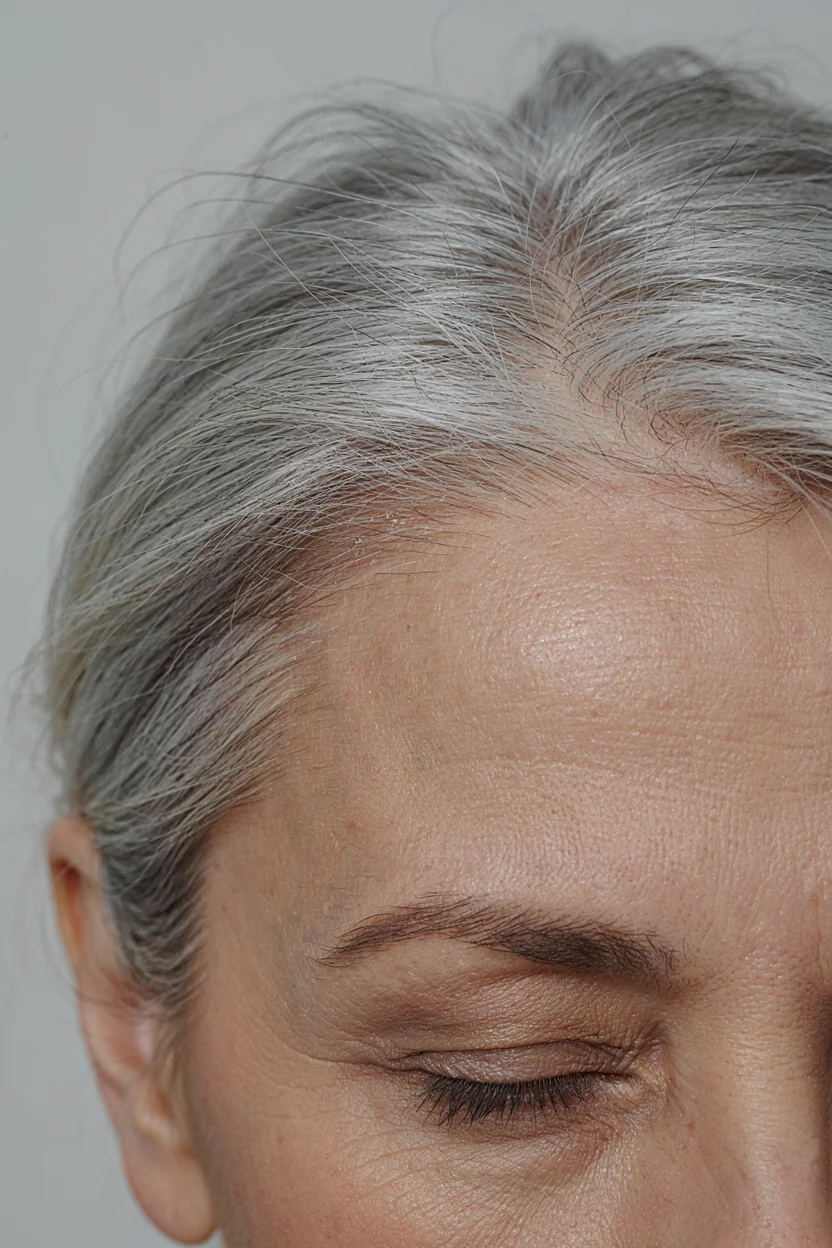
Normal skin cell turnover on the scalp takes approximately 28 days. In psoriasis, that cycle accelerates to somewhere between three and seven days, which means skin cells reach the surface before they have fully matured. The result is a buildup of immature cells that form visible plaques, and those plaques are structurally different from healthy skin. They are thicker, less flexible, and more prone to cracking and lifting at the edges.
Where Can You Research Skin Cell Turnover in Psoriasis?
| Source | What It Says |
|---|---|
| Cleveland Clinic: Scalp psoriasis | Notes that normal skin cells take about a month to reach the surface, while in scalp psoriasis this happens in roughly three to four days, which is why plaques build up. |
| National Psoriasis Foundation: Scalp psoriasis | Covers scalp psoriasis symptoms and treatments, including salicylic acid and coal tar shampoos and prescription topicals, with guidance on gentle scale removal. |
| Cleveland Clinic: Psoriasis overview | A general overview of psoriasis types, triggers such as skin injury and stress, and when to see a dermatologist. |
The skin barrier, which is the outermost layer that prevents water loss and blocks irritants and microorganisms, is compromised in psoriatic skin. The lipid matrix that holds skin cells together in a coherent protective layer is disrupted, which means the scalp loses moisture more readily and allows irritants to penetrate more easily. This is why people with scalp psoriasis often report that products which never bothered them before now cause stinging, burning, or increased itching. The barrier that would normally filter those irritants is no longer intact.
I think it is important to name one thing clearly: psoriasis is an immune-mediated condition, and the plaques it produces are a downstream effect of an overactive immune response in the skin. No shampoo, oil, or topical treatment applied at home addresses the immune mechanism itself. Products applied to the scalp can manage the symptoms, including scale buildup, itching, and dryness, but they do not alter the underlying condition. That distinction matters because it sets realistic expectations for what a wash routine can accomplish and what requires medical treatment.
Why Scratching Changes More Than the Surface

The itch associated with scalp psoriasis is produced by inflammatory mediators released in the skin, including histamine, substance P, and various cytokines. It is not simply a psychological urge, and telling someone to stop scratching is not a practical intervention. The itch can be intense, particularly at night and during periods of stress, and most people with scalp psoriasis scratch whether they intend to or not.
Scratching removes psoriatic scale prematurely, before the skin underneath has completed its accelerated maturation cycle. The result is exposure of immature, inflamed skin that is not yet ready to function as a barrier. This exposed skin is more permeable to irritants, more prone to bleeding from small superficial capillaries, and more vulnerable to colonisation by bacteria that normally live on intact skin without causing problems. In clinical terms, this sequence is sometimes called the Koebner phenomenon, where trauma to the skin triggers the formation of new psoriatic lesions at the site of injury. Scratching, in other words, can produce more psoriasis in the areas you scratch.
The practical implication is that reducing the itch is not merely about comfort. It is about interrupting a cycle where scratching damages the barrier, which increases inflammation, which increases itching, which leads to more scratching. Any wash routine for scalp psoriasis should be evaluated partly on whether it helps reduce the itch enough to break that cycle, because the mechanical damage from scratching compounds everything else that psoriasis does to the scalp.
How Washing Frequency Affects a Psoriatic Scalp
The question of how often to wash hair with scalp psoriasis does not have a single answer, because it depends on the severity of the plaques, the type of products being used, and how the individual scalp responds. What I can describe are the mechanisms at play, so that the decision becomes easier to make in conversation with a dermatologist.
Washing removes scale. This is beneficial, because thick scale buildup can trap dead skin cells, sebum, and microorganisms against the scalp surface, creating an environment that perpetuates irritation and itching. A surfactant-based wash lifts and removes that scale more effectively than water alone, and regular removal of scale prevents the plaques from building to a thickness where they crack and bleed. For this reason, many dermatologists recommend regular washing rather than infrequent washing for scalp psoriasis.
However, washing also strips lipids from the already compromised skin barrier. Every surfactant, including the mildest ones, removes some of the lipid matrix that holds the skin barrier together. On healthy skin, this removal is temporary and the barrier recovers between washes. On psoriatic skin, where the barrier is already disrupted and lipid production is abnormal, the recovery period is longer and the cumulative effect of frequent washing can be more damaging. The balance is between removing enough scale to reduce irritation and avoiding so much washing that the barrier never has time to recover.
- Washing two to three times per week is a common starting point for mild to moderate scalp psoriasis, adjusted based on how the scalp responds.
- Using a medicated shampoo on psoriasis-active days and a gentle, non-medicated cleanser on other days reduces cumulative surfactant exposure.
- Water temperature matters: warm water is less disruptive to the lipid barrier than hot water, which increases lipid solubility and removes more of the protective layer.
- Leaving medicated shampoos in contact with the scalp for the recommended duration, usually three to five minutes, allows the active ingredient to work without requiring more frequent application.
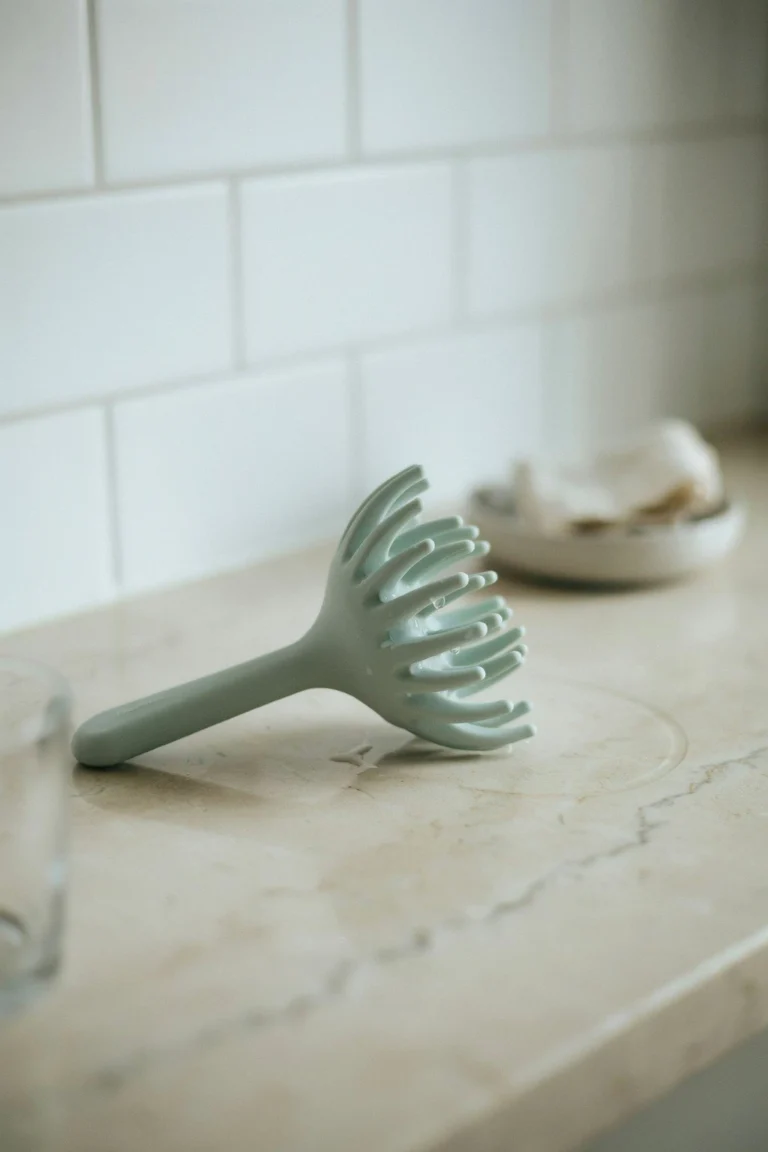
- Gently massaging the scalp with the pads of the fingers rather than the nails removes scale without creating the microtrauma that triggers the Koebner response.
Washing is not the enemy of a psoriatic scalp. Aggressive washing, with hot water and fingernails, is. The distinction changes which practices help and which make things worse.
Ingredients That Affect the Psoriatic Scalp
The ingredients in a shampoo matter more for scalp psoriasis than for most other hair concerns, because the barrier is impaired and ingredients that would be tolerated by intact skin may provoke a response on psoriatic skin. The active ingredients in medicated shampoos for psoriasis fall into a few categories, each with a distinct mechanism.
| Ingredient | Mechanism on Psoriatic Scalp | Evidence Tier |
|---|---|---|
| Coal tar | Slows skin cell proliferation and reduces itching by suppressing mitotic activity in the epidermis | Tier 1 (long history of clinical use, mechanism well characterised) |
| Salicylic acid | Keratolytic: breaks down the bonds between excess skin cells, softening and lifting plaques | Tier 1 (mechanism is straightforward chemistry, widely used in dermatology) |
| Ketoconazole | Antifungal that reduces Malassezia colonisation, which can worsen scalp inflammation | Tier 2 (reduces fungal load reliably, contribution to psoriasis improvement varies between individuals) |
| Zinc pyrithione | Reduces skin cell turnover and has antimicrobial properties | Tier 2 (effective for seborrhoeic dermatitis, evidence for psoriasis specifically is less robust) |
| Tea tree oil | Antimicrobial and anti-inflammatory properties demonstrated in laboratory settings | Tier 3 (laboratory mechanism is real, clinical evidence for psoriasis is lacking, and sensitisation risk is notable on impaired barriers) |
I should note that tea tree oil, despite its popularity in the natural hair care space, is a known contact sensitiser. On intact skin, it causes problems for a small proportion of people. On a compromised psoriatic scalp barrier, the risk of sensitisation is higher, and a sensitisation reaction on an already inflamed scalp makes the situation considerably worse. The mechanism is real, but the risk profile on damaged skin shifts the balance in a direction that I think makes it a poor choice for psoriasis management.
Fragrance in shampoos is another variable worth considering. Fragrance compounds are among the most common contact allergens in cosmetic products, and on a barrier that is already impaired, the threshold for a sensitisation reaction is lower. Fragrance-free formulations reduce this risk without sacrificing cleansing effectiveness. This is a case where what is absent from the formula matters more than what is present.
What to Avoid and What to Watch For
Some practices that are harmless on a healthy scalp become counterproductive on a psoriatic one. Vigorous scalp scrubbing with fingernails, scalp brushes with stiff bristles, or exfoliating granules creates microtrauma that triggers the Koebner response and produces new plaques at the site of injury. Hot water increases lipid removal and strips the barrier more aggressively than warm water. Leaving styling products on the scalp for extended periods without washing allows them to accumulate against the already impaired skin surface, which can increase irritation and trap scale.
Conversely, some practices that people avoid out of concern are actually helpful. Conditioning the hair after a medicated shampoo is fine and often advisable, because the conditioner deposits emollients that reduce friction during combing and lower the mechanical stress on the scalp. Applying conditioner to the mid-lengths and ends rather than directly to the scalp avoids depositing heavier emollients onto plaques, where they can trap scale and slow the natural shedding process.
There are specific signs that indicate a dermatologist visit is more productive than adjusting your wash routine at home. If plaques extend beyond the hairline onto the forehead, neck, or behind the ears, the condition has moved beyond what topical wash products can manage effectively. If the scalp is weeping, crusted, or producing yellow discharge, secondary infection may be present and requires medical treatment. If hair loss accompanies the psoriasis in distinct patches, the inflammation may be affecting the follicles themselves, and early intervention reduces the risk of lasting damage. For a broader look at how to evaluate scalp symptoms, see our guide to reading the clues in your strands and our overview of clinical assessment for hair loss.
Frequently Asked Questions
Does washing make scalp psoriasis worse?
Washing itself does not make psoriasis worse. The immune-mediated mechanism that produces plaques operates independently of how often you wash. What can make psoriasis worse is aggressive washing practices, including hot water, harsh surfactants, and mechanical scratching during the wash process. Gentle washing at a frequency that prevents scale buildup without over-stripping the barrier is generally beneficial rather than harmful.
Should I wash my hair every day if I have scalp psoriasis?
Daily washing is not necessary for most people with scalp psoriasis and may over-strip the lipid barrier on already compromised skin. Two to three times per week is a common starting point, with adjustment based on how quickly scale reaccumulates and how the scalp responds. Your dermatologist can help calibrate frequency based on the severity of your plaques and the medicated products you are using.
Can I use conditioner on psoriatic hair?
Yes. Conditioner applied to the mid-lengths and ends of the hair reduces friction during combing, which lowers mechanical stress on the scalp when you detangle. Avoiding direct application of heavy conditioners to the plaques themselves prevents trapping scale against the skin, but conditioning the hair shaft is compatible with psoriasis management and often helpful for reducing breakage.
Is it safe to remove the plaques manually?
Gently lifting loosened scale during washing, after a keratolytic ingredient like salicylic acid has softened it, is generally safe and reduces the visible buildup. Forcing plaques off before they have softened, particularly with fingernails or sharp tools, exposes immature skin beneath and triggers the Koebner response, which can produce new plaques at the site. The distinction between gentle removal of loosened scale and forceful removal of attached plaques is the one that matters.
Will scalp psoriasis cause permanent hair loss?
Psoriasis itself does not typically destroy hair follicles, and hair that sheds during a flare usually regrows once the inflammation subsides. However, persistent severe inflammation can affect follicle function, and the mechanical damage from chronic scratching can contribute to breakage and temporary shedding. Early and consistent management of the inflammation reduces the risk of hair-related complications and supports normal regrowth.
Working With the Scalp Rather Than Against It
Managing scalp psoriasis through your wash routine is a matter of supporting the impaired barrier rather than trying to strip the plaques away by force. The scalp is doing what it can under difficult conditions, and the most productive approach is to reduce the additional stress that aggressive practices create.
— Iris